After the shockwave: why Binance’s cyberattack signals a turning point for crypto security The fallout from Binance’s unprecedented cybersecurity breach is unfolding in real time, with industry experts, regulators, and users grappling with the implications of a $6.3 billion heist. As the world’s largest cryptocurrency exchange faces scrutiny over how such a massive breach could occur—and what it means for the future of digital asset security—the debate has shifted from shock to solutions. Was this a failure of technology, human error, or both? And with billions still missing, who ultimately…
Read MoreCategory: International
Israel’s election aftermath: Netanyahu’s fragile grip and regional ripple effects
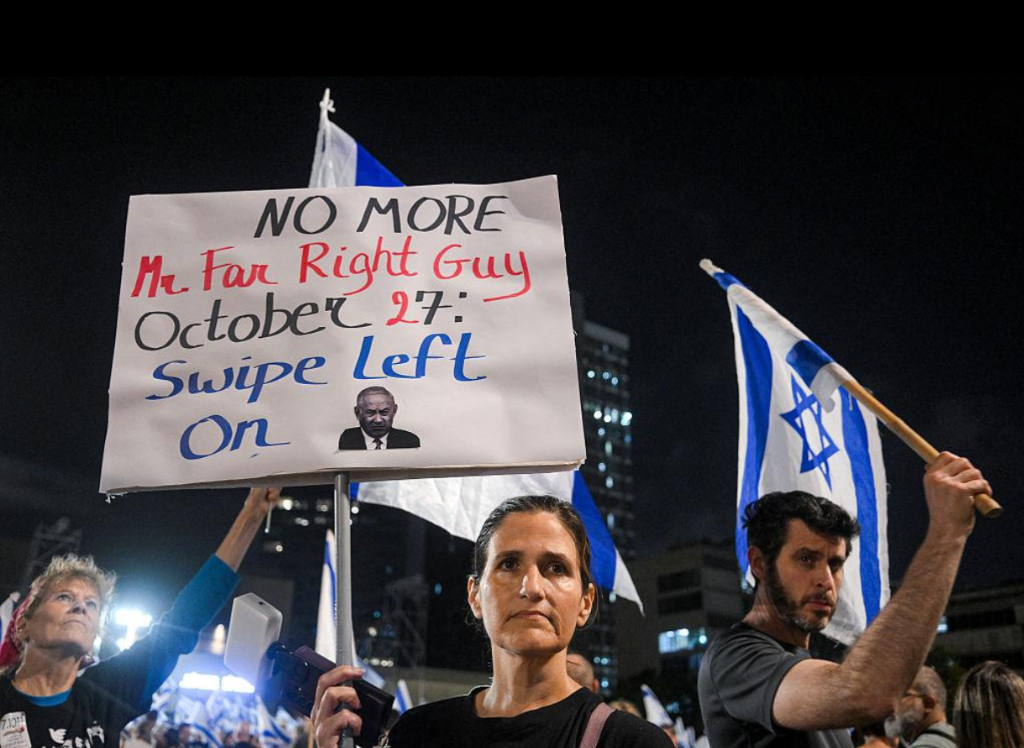
Benyamin Netanyahu may have emerged victorious in Israel’s October 27, 2026 elections, but his 53-seat bloc falls far short of the 61 needed for a parliamentary majority. With opposition forces holding 48 seats and Arab parties securing a record 19 seats, the political landscape has shifted dramatically. This fragmented mandate is igniting fierce debates both inside Israel and across the Middle East, raising critical questions about governance, security, and regional stability. From electoral victory to parliamentary stalemate The election results have shattered any illusion of a clear mandate for Netanyahu’s…
Read MoreIsrael’s tight election leaves Netanyahu’s future uncertain amid regional tensions
Israel’s political earthquake: no clear path forward after fragmented election results The October 27, 2026 legislative elections have delivered a seismic shock to Israeli politics, leaving Benjamin Netanyahu’s bloc with 53 seats in the Knesset – 8 short of the 61 needed for a majority. With the opposition holding 48 seats and Arab parties securing 19, the fragmented parliament has plunged the nation into uncharted political waters that could reshape Israel’s domestic and regional landscape. What the vote reveals about Israel’s deeply divided society The election results expose fundamental divisions…
Read MoreDakar 2026: the hidden gears driving Africa’s Olympic youth games revolution
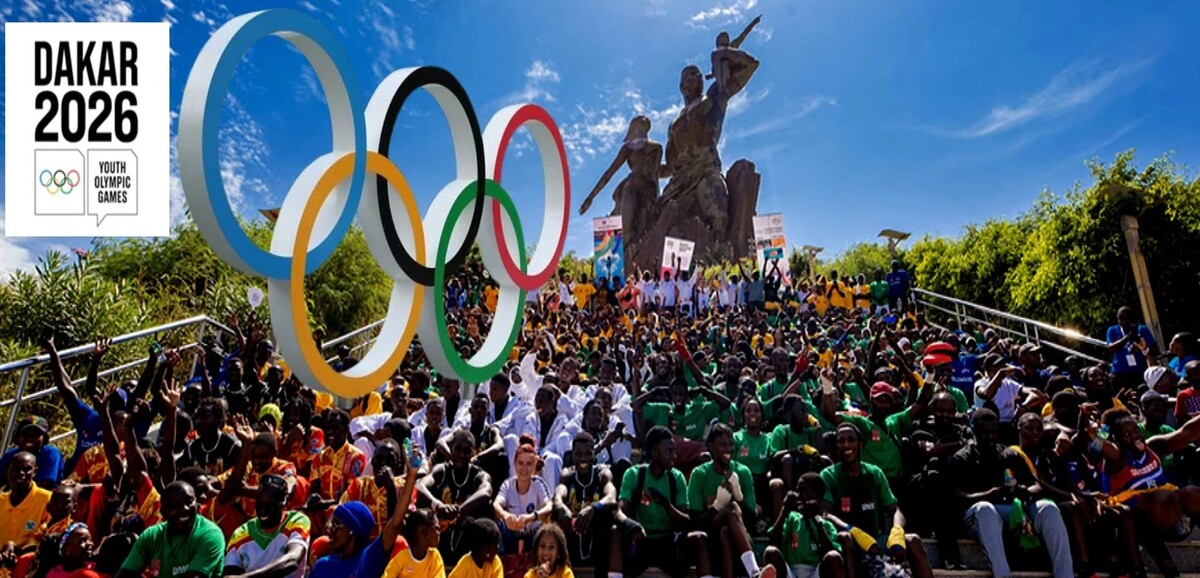
Dakar 2026: the hidden gears driving Africa’s Olympic youth games revolution Behind the roar of stadiums and the flash of medals lies a carefully engineered story of why Dakar 2026 isn’t just another sporting event—it’s a calculated launchpad for long-term continental change. Months of behind-the-scenes negotiations, untold infrastructure gambles, and quiet diplomatic shifts have converged to make these Youth Olympic Games the most ambitious African sports experiment to date. The infrastructure equation: building games that outlive the flame The real victory for Dakar 2026 won’t be measured in gold, silver,…
Read MoreSenegal’s youth olympics gamble: decoding the logistical and strategic challenges behind Dakar 2026
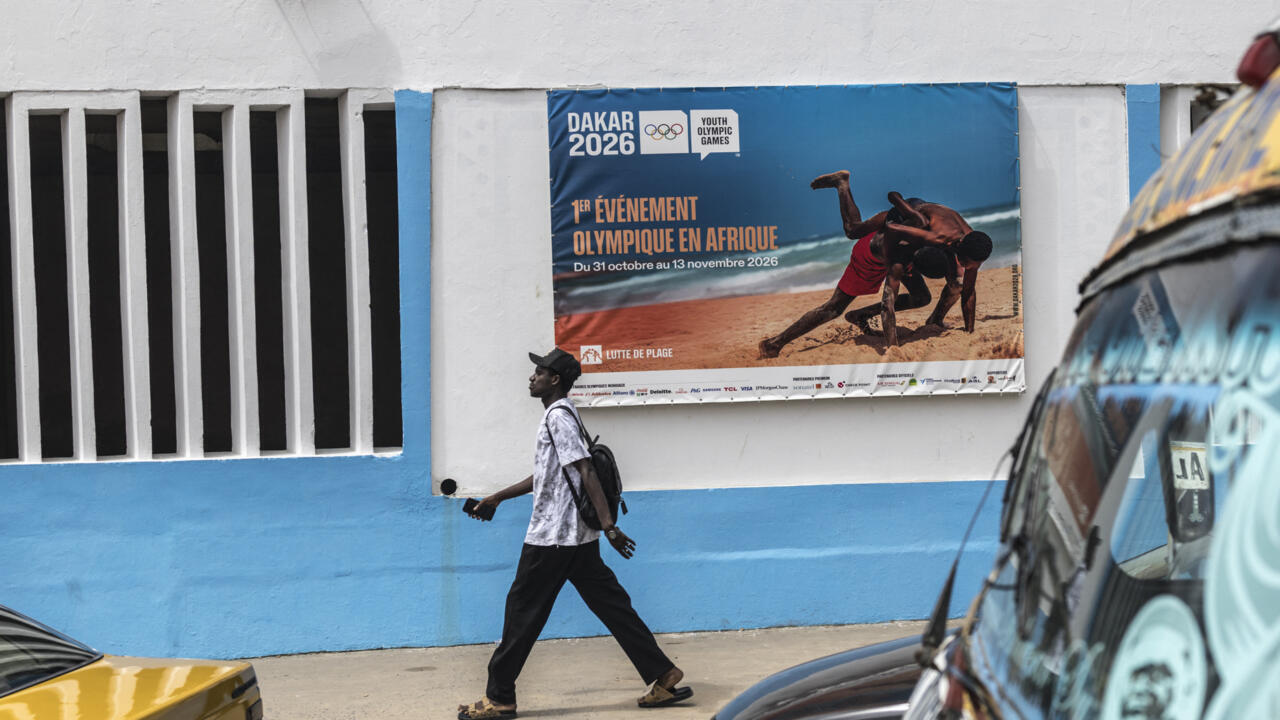
Africa’s olympic debut: the real hurdles behind Dakar’s youth games When the Olympic flame arrives in Dakar on October 31, 2026, it will mark more than a sporting spectacle—it will be the culmination of a decade-long strategic gamble by Senegal and the International Olympic Committee to prove that Africa can stage global events with excellence. Behind the historic first-ever Olympic Games on African soil, however, lies a complex web of logistical, economic and political dynamics that have been quietly reshaping the continent’s sporting ambitions. Why Dakar’s youth olympic games matter…
Read MoreMoscow forum insights: how Togo’s strategic pivot reshapes African-russian partnerships
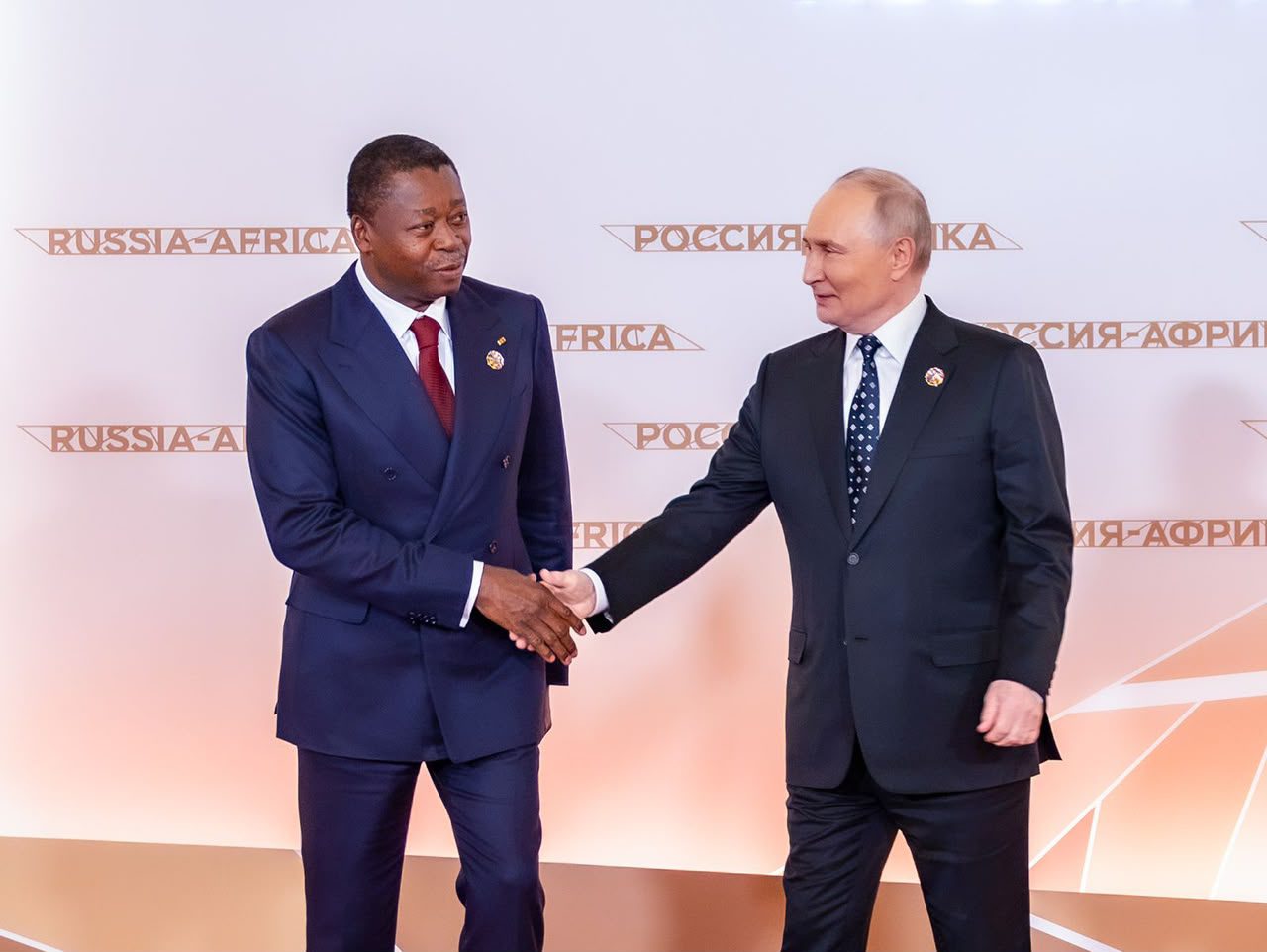
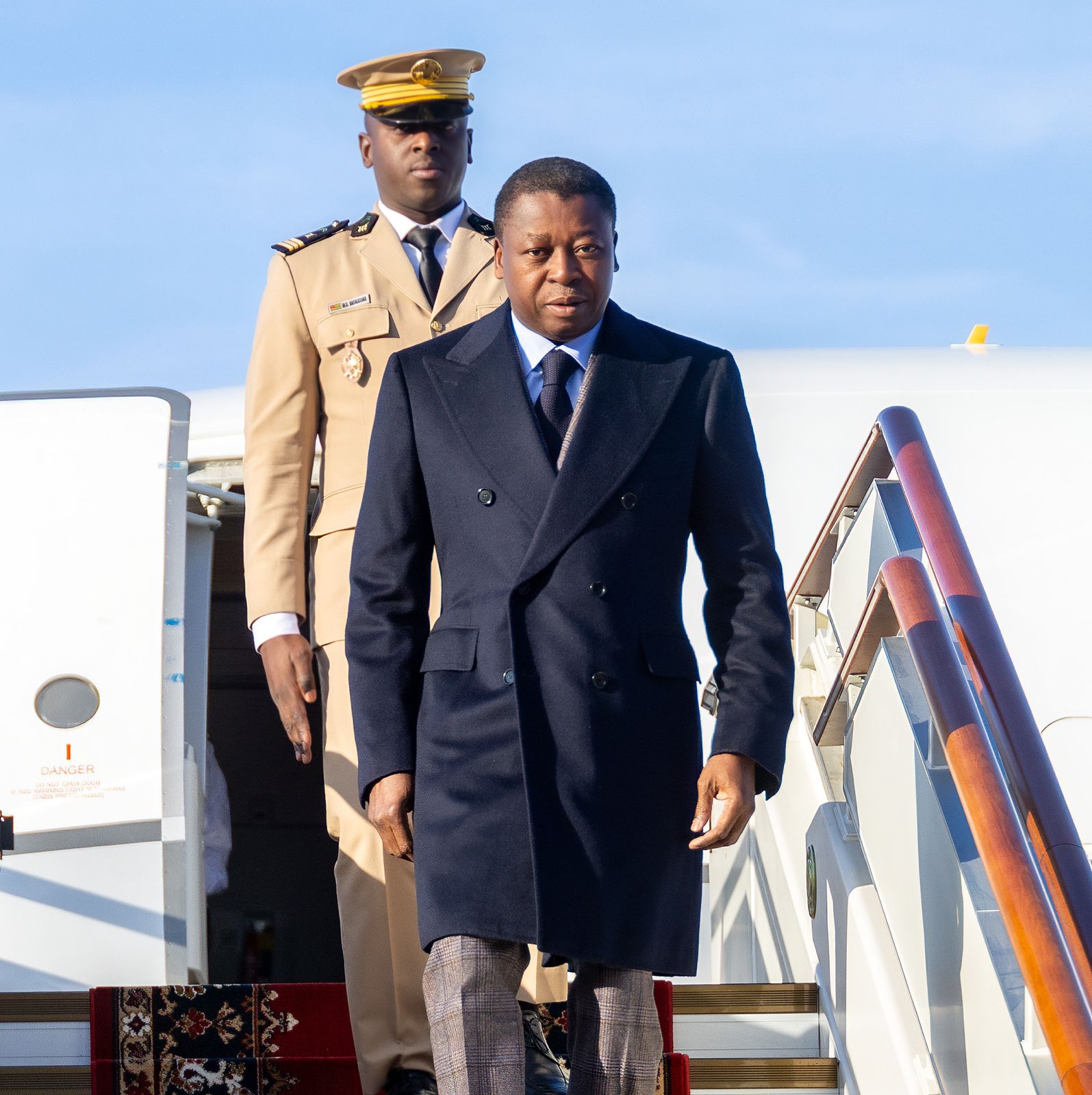
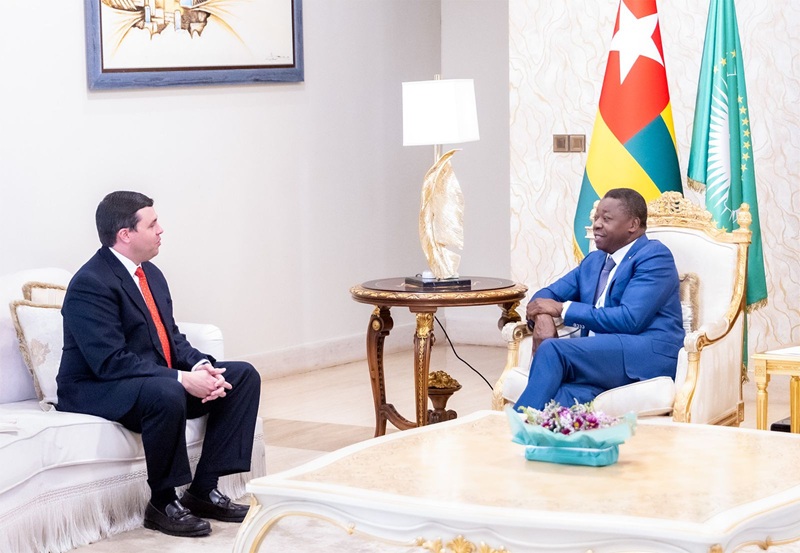
The driving forces behind Togo’s deepening ties with Russia Behind the scenes at the third Russia-Africa Economic and Humanitarian Forum, held in Moscow on October 28, 2026, lay a carefully calibrated strategy by the Togolese government. President Faure Essozimna Gnassingbé’s attendance was not merely symbolic; it was designed to unlock new cooperation channels in energy, agriculture, industrial processing, and technical training. The goal is clear: align international partnerships with domestic priorities and secure tangible benefits for Togolese citizens. Beyond rhetoric: turning vision into actionable projects While the Forum’s speeches emphasized…
Read MoreCivilian tragedy: Russian drone strike leaves 13 dead at Ukrainian train station
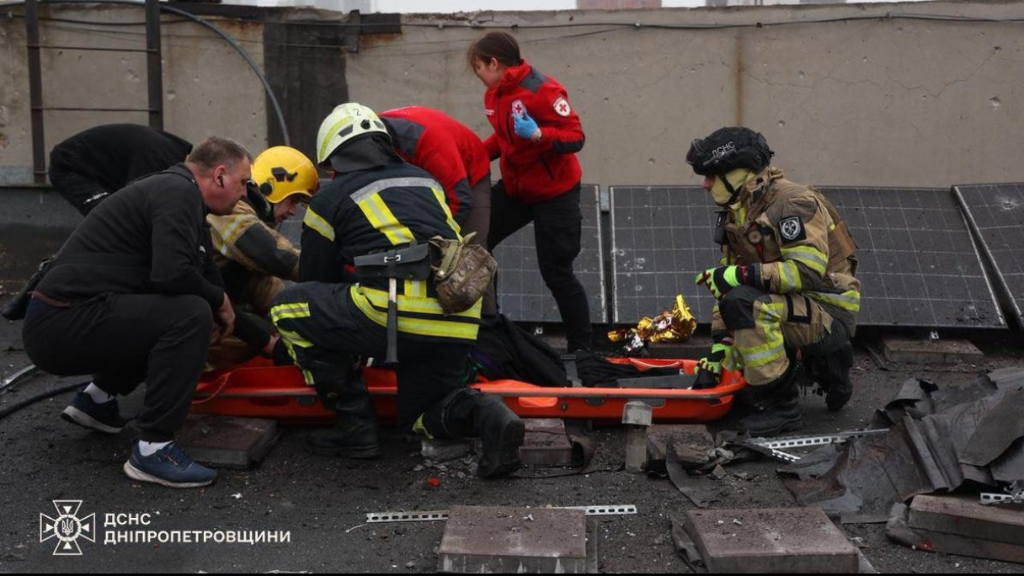
The heart of Dnipro’s railway network became the target of a devastating Russian drone attack on October 29, 2026, resulting in at least thirteen fatalities and escalating public outrage. The strike occurred during a busy morning, disrupting daily life and leaving families shattered. Investigations are now underway to determine whether this attack was a deliberate strike on a civilian hub or a tragic miscalculation under wartime conditions. Dnipro attack: A crowded station becomes a death trap The strike on the Dnipro railway platform occurred as passengers prepared to board a…
Read MoreMorocco’s UN stance on Cuba sparks debate across Africa and beyond
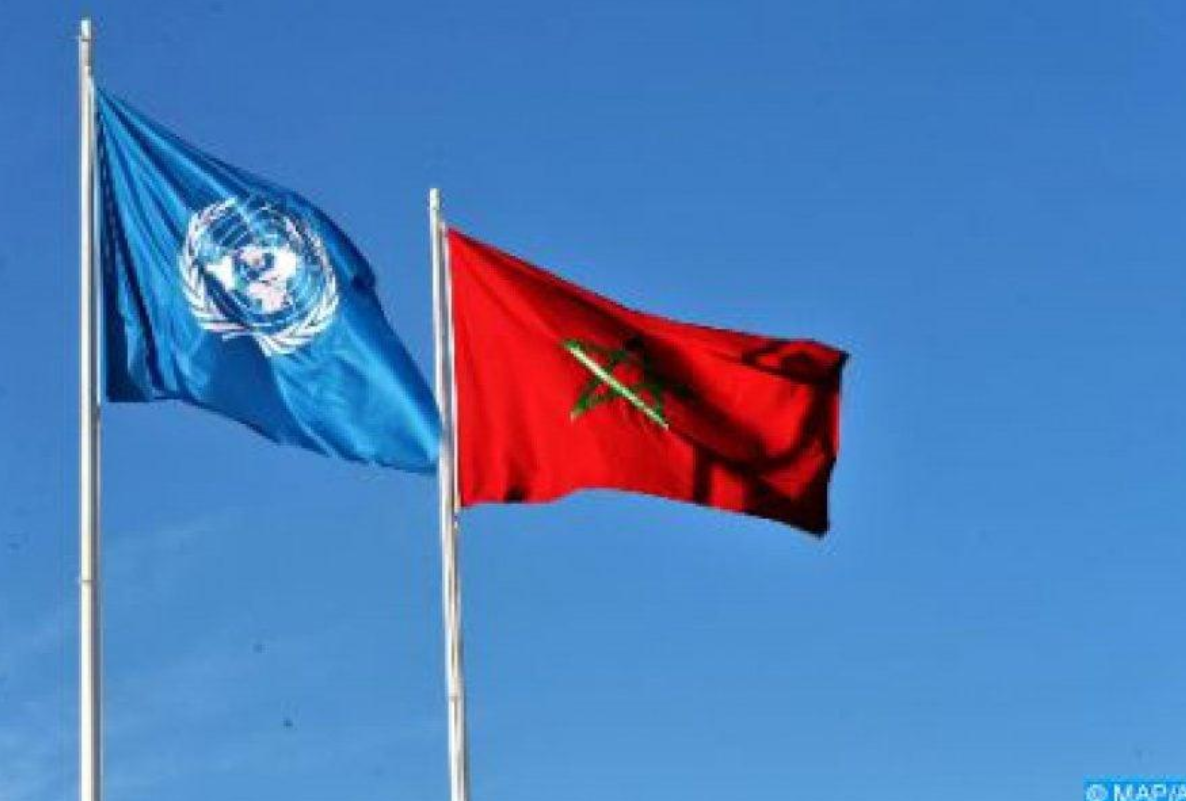
The Global Divide Over Cuba: A Landmark UN Vote Reveals Unexpected Alliances The United Nations General Assembly delivered its 34th resolution calling for the end of the U.S. embargo on Cuba, with 130 nations in favor, 17 against, and 25 abstentions. Yet the spotlight fell on Africa, where Morocco stood alone as the continent’s sole dissenting voice—a decision that has ignited discussion over shifting diplomatic loyalties and the future of international solidarity. Why Did Morocco Break Ranks With African Consensus? While the vast majority of African nations supported the resolution…
Read MoreDeadly high-speed train collision in Toledo sparks national outrage and safety concerns
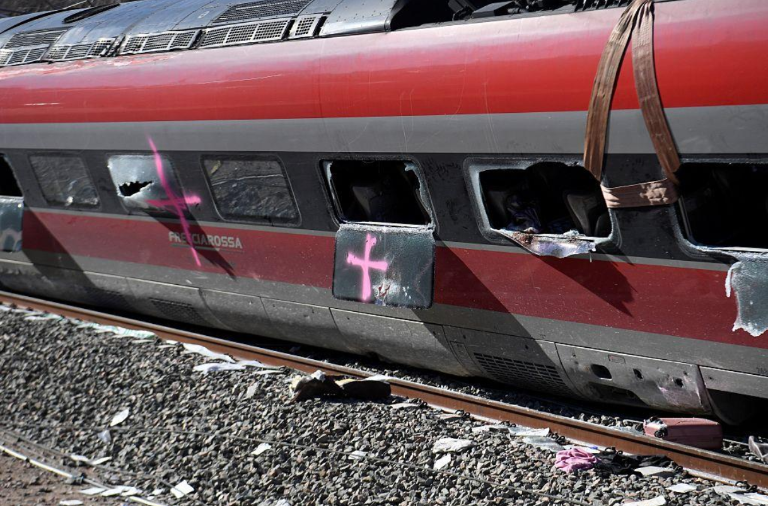
Spain is grappling with the devastating aftermath of a catastrophic high-speed train collision near Urda, in the province of Toledo, where at least 46 people lost their lives and 179 others were injured. The disaster has ignited a fierce public debate over railway safety, accountability, and the future of Spain’s transportation infrastructure. Aftermath of the disaster: families mourn as shockwaves reverberate across the nation The collision between two high-speed trains—one operated by Spain’s national rail company Renfe and the other by the private operator Iryo—has left the country in a…
Read MoreBehind the scenes: why Togo’s president is prioritizing Russia-Africa summit participation
In a move signaling deeper engagement with global partners, Togolese leader Faure Gnassingbé is traveling to Moscow this October for the 2026 Russia-Africa Summit. The invitation from Russian President Vladimir Putin places Togo at the forefront of a diplomatic push reshaping the continent’s economic landscape. The strategic timing behind Faure Gnassingbé’s Moscow visit Scheduled for Wednesday, October 28, 2026, this year’s summit follows previous editions in Sochi (2019) and Saint Petersburg (2023), but stands out for its emphasis on measurable outcomes. Unlike earlier gatherings focused on declarations, this edition is…
Read MoreTogo’s strategic role at the Russia-Africa summit: behind-the-scenes diplomacy ahead of Moscow 2026
The upcoming third Russia-Africa Summit in Moscow on October 28, 2026, is set to become a pivotal moment for Togo as it finalizes its diplomatic preparations behind closed doors. President Faure Essozimna Gnassingbé’s participation follows a year of accelerated collaboration between Lomé and Moscow, with both nations eager to turn discussions into tangible economic and political alignment. What drives Togo’s agenda at the summit While the formal summit will center on geopolitical and trade dialogues, Togo’s delegation is quietly working to secure commitments in four core areas aligned with the…
Read MoreBehind the scenes: why Senegal’s 2026 budget bill faced an unexpected delay in parliament
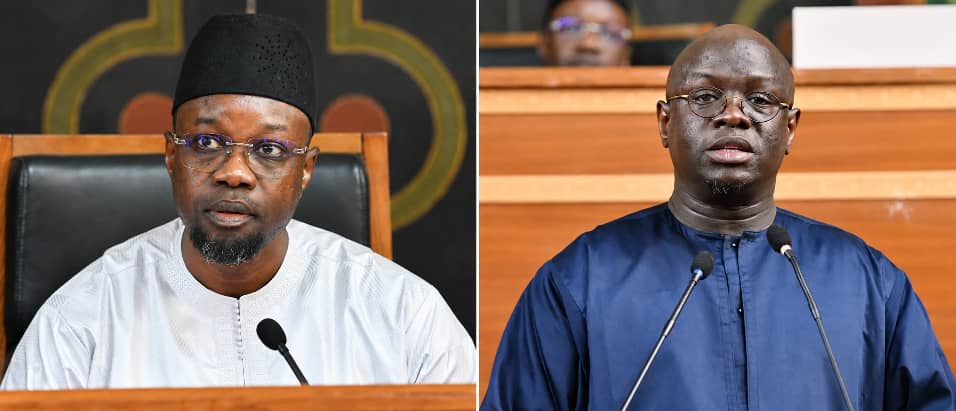
Behind the scenes: why Senegal’s 2026 budget bill faced an unexpected delay in parliament The planned vote on Senegal’s 2026 Supplementary Finance Bill (PLFR) was abruptly postponed Tuesday in the National Assembly after the Finance Minister personally requested further review. This unprecedented delay wasn’t just procedural—it revealed deeper institutional tensions and strategic calculations behind the government’s approach to fiscal policy. The unexpected turn of events unfolded when Finance Minister Cheikh Diba invoked Article 84 of the National Assembly’s internal rules, formally requesting that the bill be sent back to the…
Read More