Abidjan youth employment: a momentum shift as World Bank opens two-day opportunity window
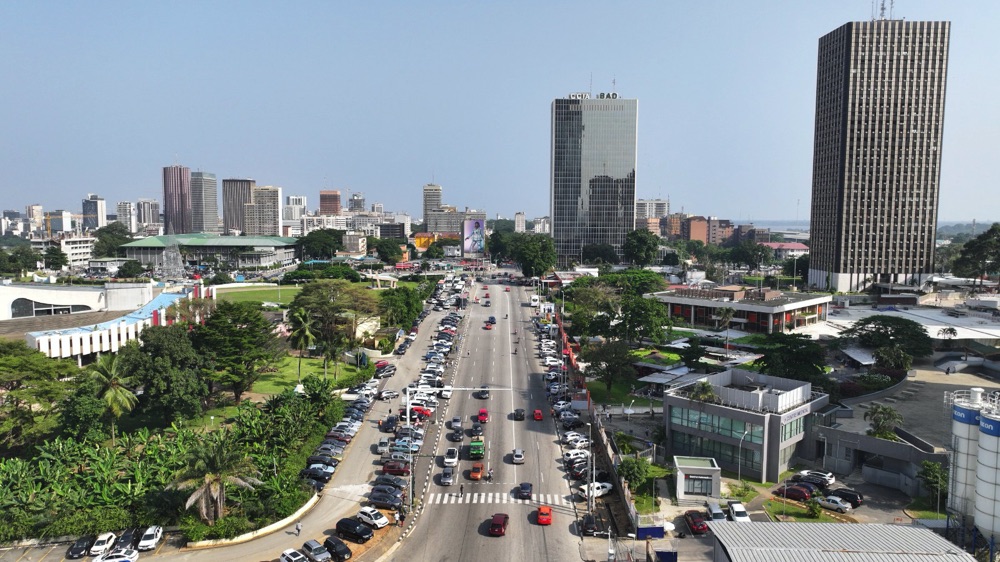
The World Bank Group is hosting Open Days on September 21 and 22, 2026, at the Ice Rink of Sofitel Hôtel Ivoire in Abidjan, marking a decisive moment for young Ivorians seeking education, training, jobs, and entrepreneurship opportunities. This two-day event represents a turning point, directly connecting youth with programs, projects, and financing options available in Côte d’Ivoire. Students looking for guidance, recent graduates hunting for their first job, project leaders, startup founders, and young professionals will have the chance to engage with experts and explore the resources designed to…

Read More

Burkina Faso’s agricultural turning point: when production fails the farmers who feed the nation

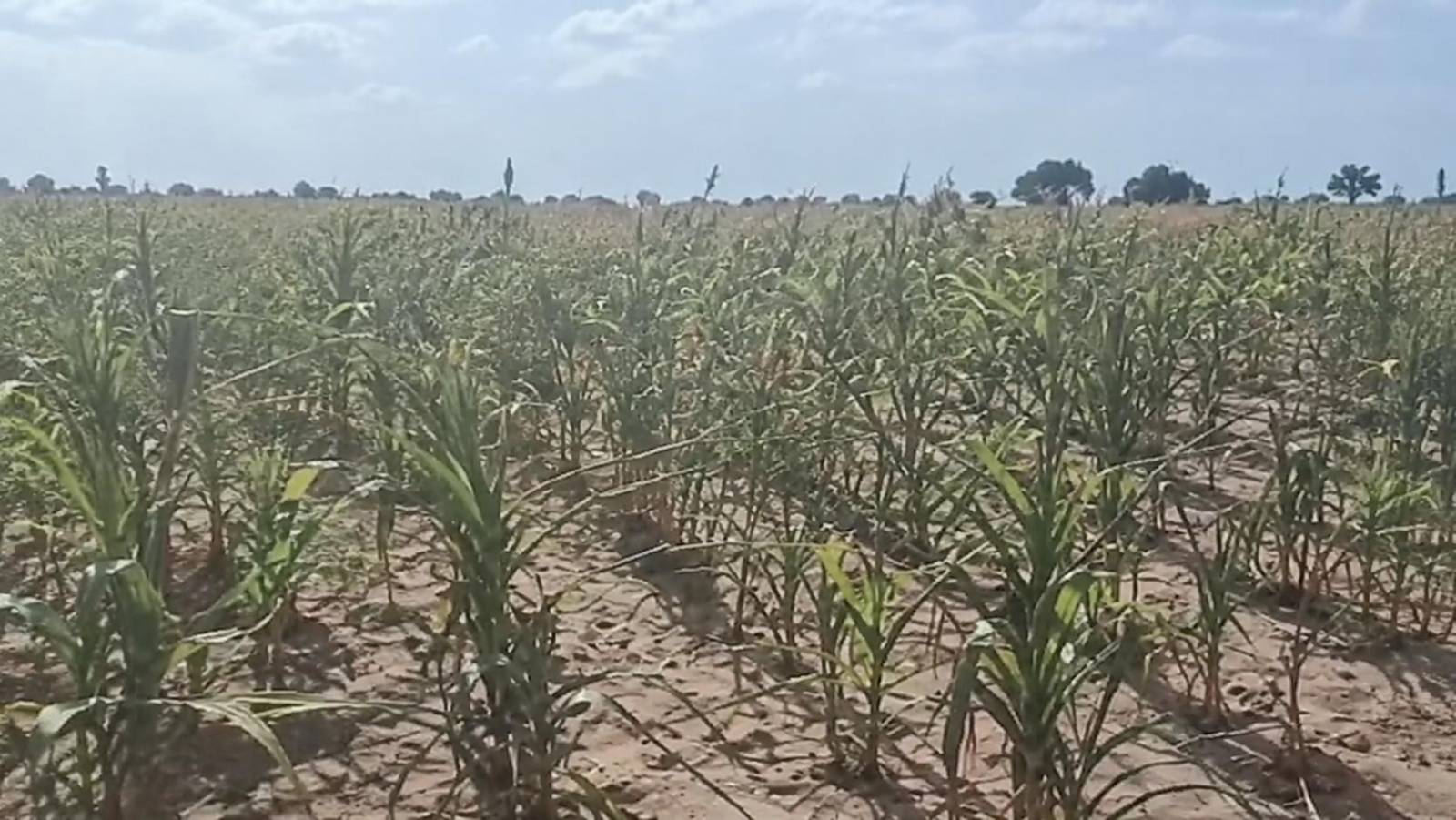
In Tougan, the narrative of progress collides with hardship. Behind the rhetoric of local production, economic independence, and national self-sufficiency, farmers confront a far grimmer reality one where abundant harvests lead to losses, debts accumulate, and survival itself becomes uncertain. The bitter irony is undeniable: a year of record maize yields brings no relief, only deeper distress. Officials set prices too low for viability, loans remain unpaid, and for some, the only escape is crossing the border into neighboring countries just to stay afloat. As one farmer puts it with…

Read More

Niger’s security crisis: a turning point as FPL calls on youth for action

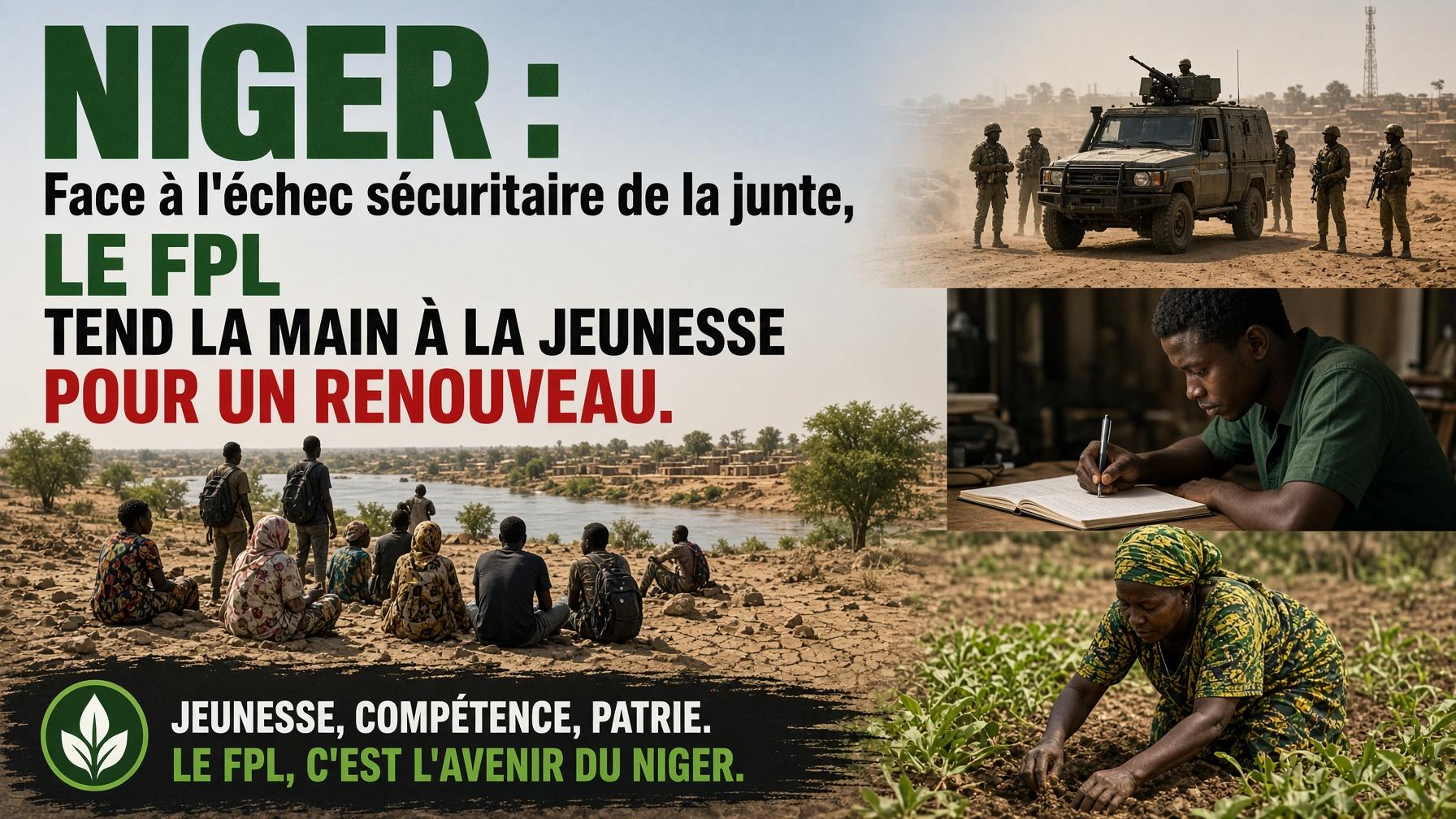
The military junta in Niger has struggled to curb the escalating insecurity gripping the nation, but a bold move by the Popular Front for Justice (FPL) may mark a decisive turning point. In a sweeping move to bypass traditional channels, the rebel movement has released a multilingual video appeal, directly targeting the country’s youth to join its ranks against the faltering regime. Why the FPL’s youth call could reshape Niger’s security deadlock With the junta failing to deliver on its promises of stability, the FPL is positioning itself as a…

Read More

Deadly strikes on Kidal’s water wells: 43 lives lost and pastoral communities at risk

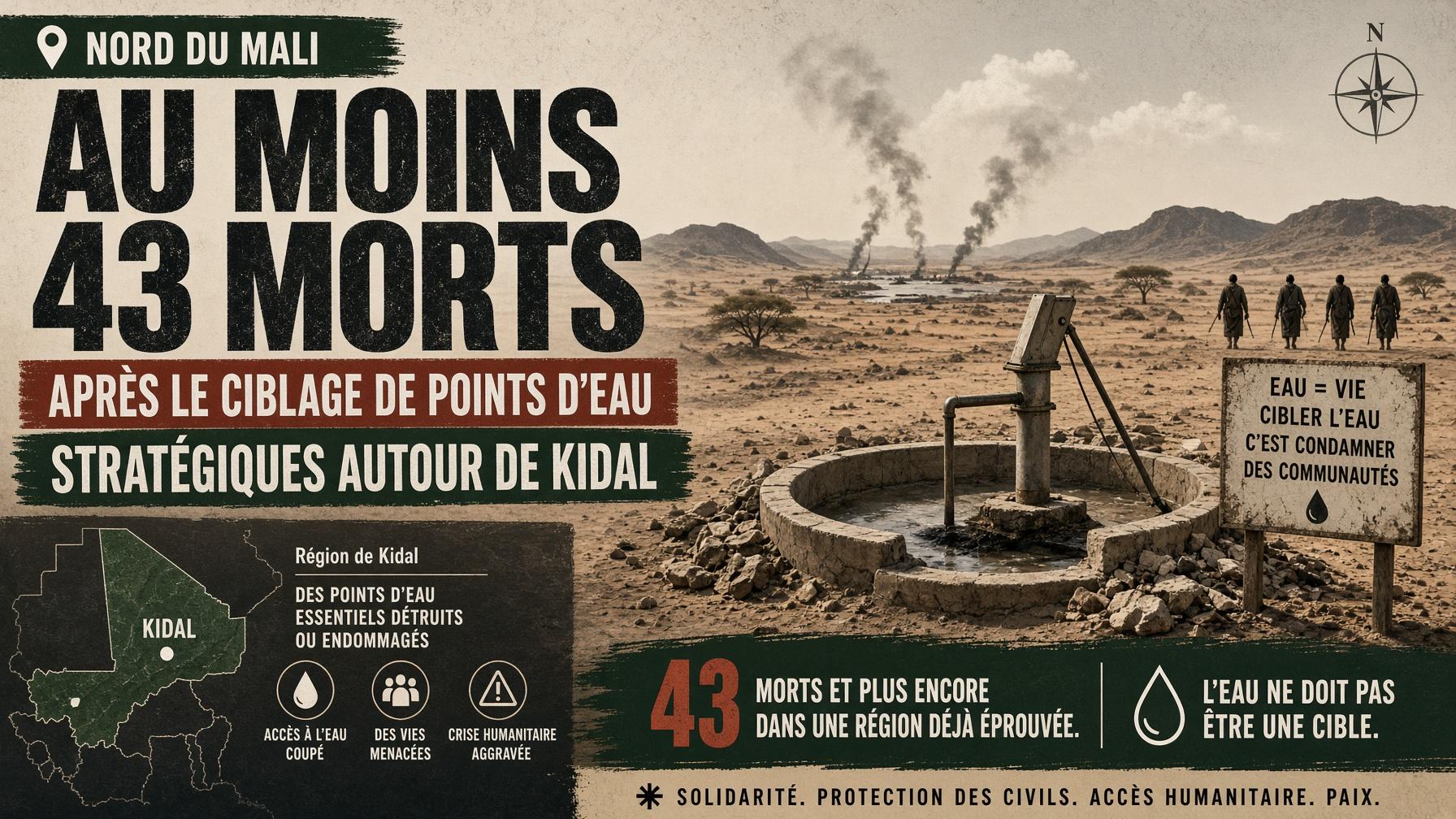
Mali’s turning point: aerial strikes devastate vital water resources near Kidal In a decisive military escalation that has sent shockwaves across the Sahel, forces aligned with the Malian government launched targeted strikes on water infrastructure in the Kidal region between September 15-16, 2026. The deliberate destruction of these lifelines has not only claimed at least 43 civilian lives but has also triggered a humanitarian crisis that threatens to dismantle the region’s pastoral economy entirely. In the arid expanses north of Kidal, water is life itself. The first strike hit Amassine…

Read More

Can Benin’s AA- rating from Bloomfield turn the 2026 budget into a regional test case?

On September 15, Bloomfield Investment Corporation raised Benin’s long-term sovereign rating from A+ to AA- on its local-currency scale. By pushing the country across the symbolic threshold of the investment category, the Abidjan-based agency confirmed the strength of Benin’s economic fundamentals. While this regional assessment differs from those of global agencies, it gives the Treasury a decisive lever to fund its development ambitions directly on the UEMOA market. Benin has crossed a decisive milestone in its pursuit of financial independence and economic recognition. By assigning a long-term rating of AA-…

Read More

Brigitte Tchede’s two-medal haul in Cairo: can Benin turn a historic double into lasting athletic momentum?

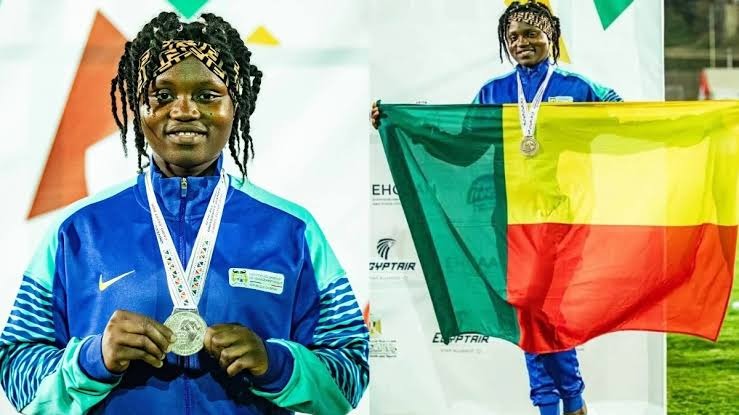
Brigitte Tchede’s two-medal haul in Cairo: can Benin turn a historic double into lasting athletic momentum? When Benin’s flag rose twice at the 12th African University Games in Cairo, it wasn’t the result of a massive delegation or a generous budget. It was the work of one athlete. Brigitte Tchede, a 24-year-old from Porto-Novo, delivered both of Benin’s medals at Egypt 2026 — a silver in the discus throw and another podium finish in a second discipline. The immediate question is simple: does this double breakthrough signal a genuine turning…

Read More

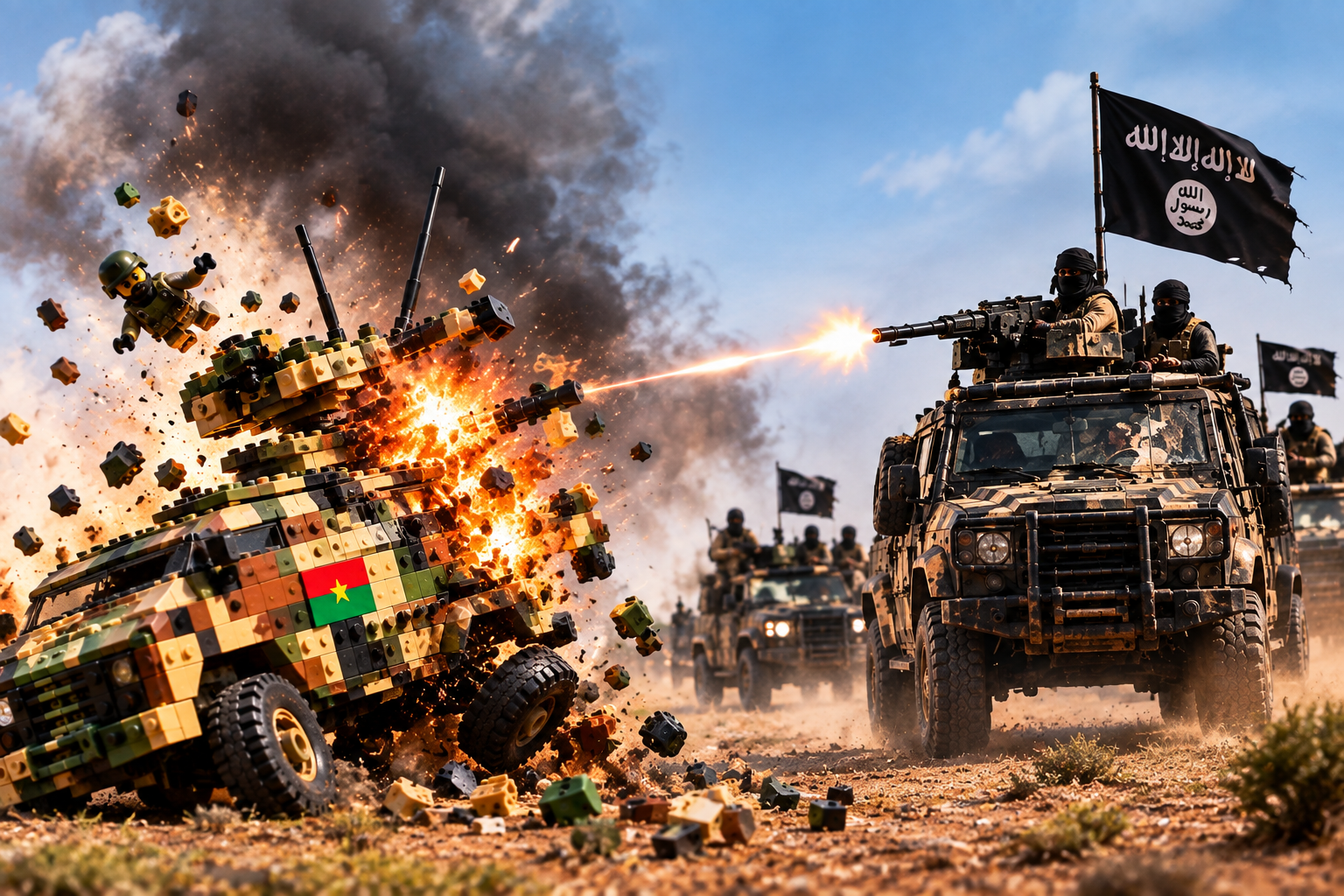
Burkina Faso’s locally made armor faces a battlefield reckoning in Mahrou and Winten

The distance between official statements and what is actually happening on the ground can be hard to reconcile. That gap became evident after the Group for the Support of Islam and Muslims (JNIM) announced on the morning of Wednesday, September 16, 2026, that it had captured two positions held by Volunteers for the Defense of the Homeland (VDP) in Mahrou and Winten, both situated in Bam Province. Multiple sources reported the claim, but no independent confirmation has verified that JNIM truly controls those areas. That lack of verification is precisely…

Read More

Benin’s senate budget 2027: can the upper house deliver without straining public finances?

Benin Benin’s senate budget 2027: can the upper house deliver without straining public finances? The question hanging over Cotonou this week is simple but loaded: can Benin’s fledgling Senate fund its own operations for 2027 without adding pressure to an already stretched national treasury? On Thursday, 17 September 2026, senators gathered at their temporary seat in Les Cocotiers, Cotonou, to formally examine and approve the institution’s operating and investment budget for the coming year. What the plenary session actually approved The deliberation came just 48 hours after the chamber adopted…

Read More

Baleine’s 10% stake shift: is Ivory Coast’s oil gamble finally paying off?

What the Baleine deal actually changes for Ivory Coast Ivory Coast’s flagship offshore project has a new partner. On Wednesday, September 16, Eni closed the sale of a 10% interest in the Baleine oil and gas field to Azerbaijan’s state energy company SOCAR. The move reshapes the ownership map of the country’s most-watched hydrocarbon venture. After the transaction, Eni retains 37.25%, Vitol holds 30%, Petroci controls 22.75% and SOCAR now sits at 10%. The agreement between the two companies was first signed on January 22, 2026, but the transfer only…

Read More

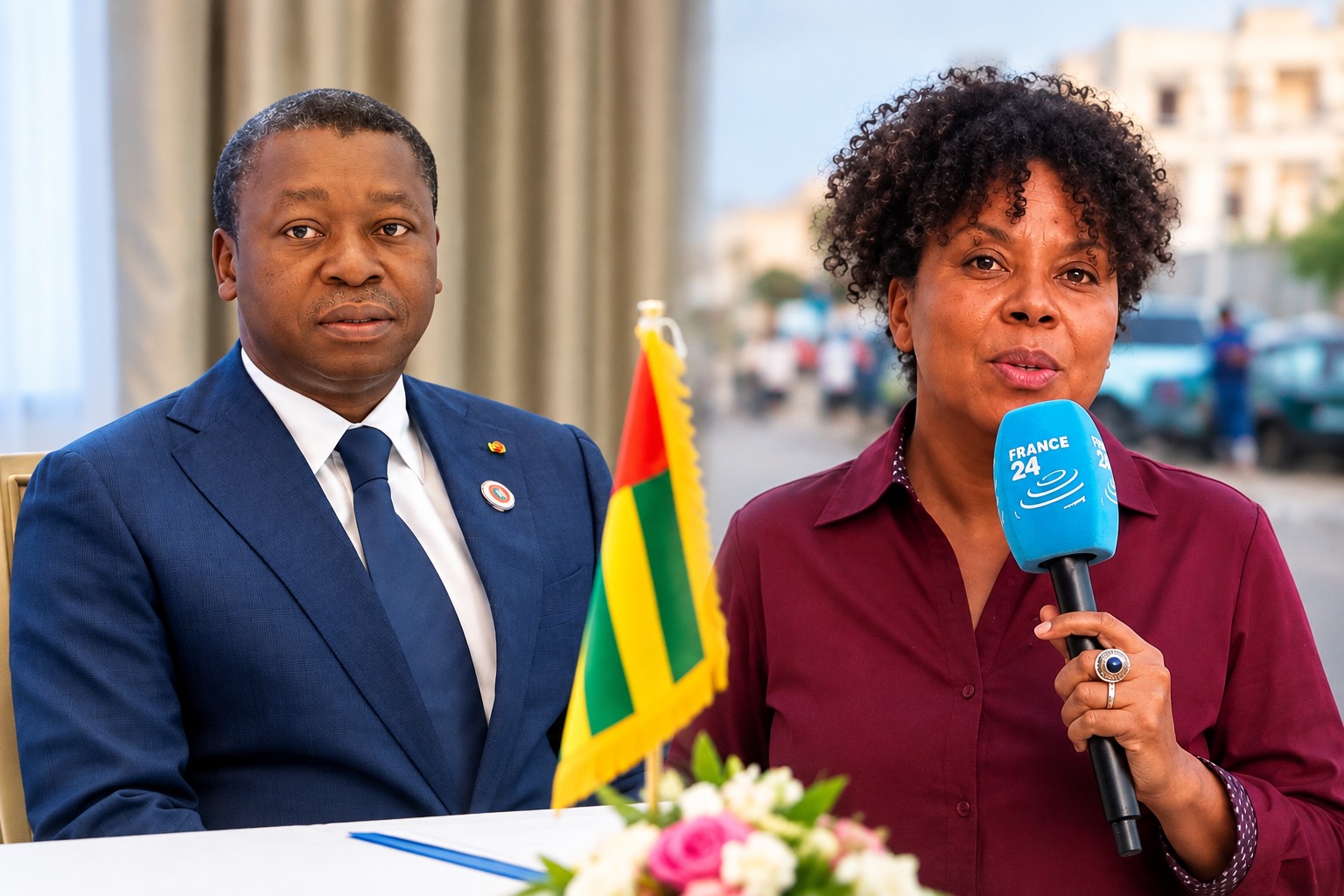
To what extent can Togo control the flow of public information?

In Togo, the line between responsible journalism and state control has never been so sharply drawn. The latest controversy surrounding journalist Emmanuelle Sodji raises a critical question: when public information circulates widely, can the state retroactively punish journalists for reporting it before official restrictions are announced? The case, which has drawn international attention, underscores a broader struggle over press freedom in a country led by President Faure Gnassingbé for nearly two decades. It forces observers to ask: how much leeway should authorities have to restrict information, and what safeguards must…

Read More

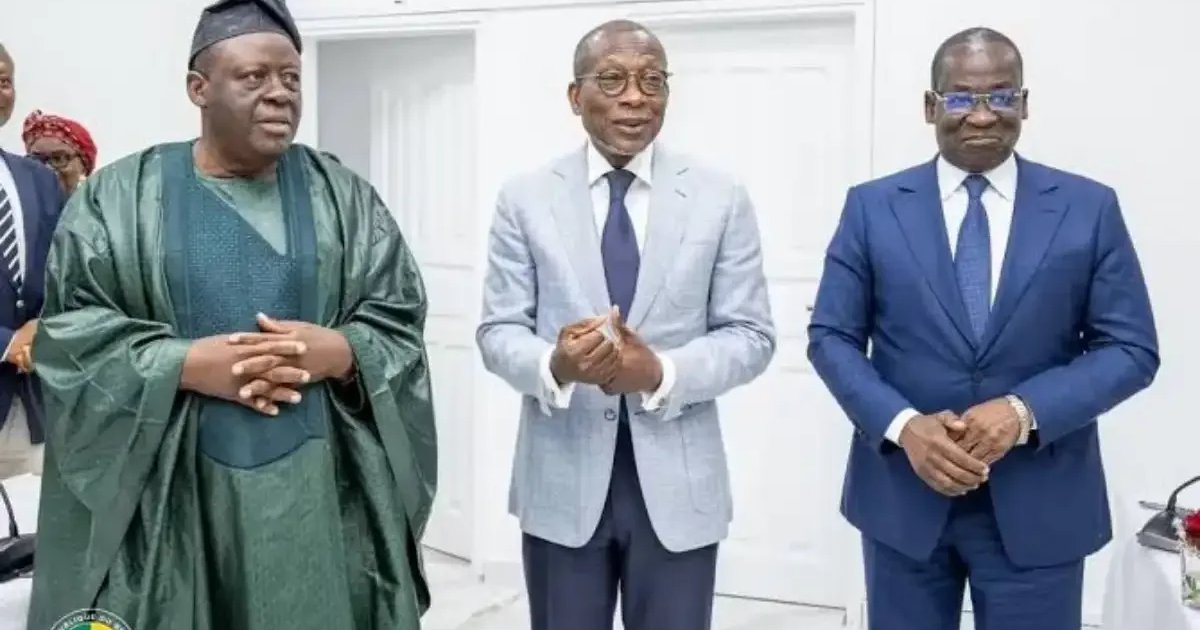
Can Benin’s strategic alliance with Rwanda outlast the pomp of Wadagni’s Kigali trip?

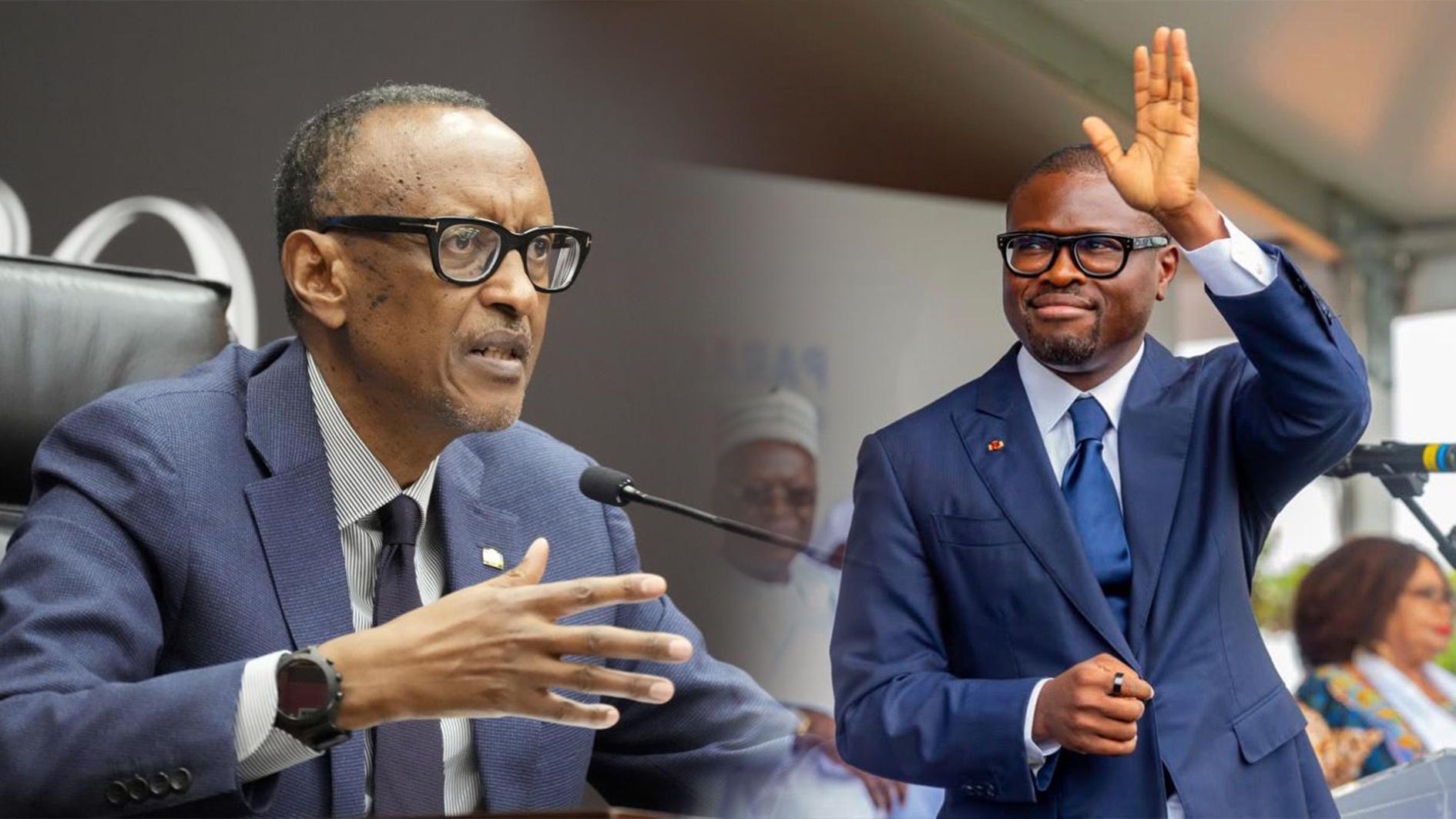
When Romuald Wadagni stepped off the plane in Kigali for his first official trip abroad since taking office in May, the question hanging over the 48-hour visit was simple: can a partnership built on shared security interests and economic ambition survive the tests of time and politics? The Beninese president’s working visit to the Rwandan capital, where he met with President Paul Kagame, signals Cotonou’s determination to keep a bilateral relationship that has become a reference point on the continent from fading into ceremonial routine. Wadagni’s choice of Rwanda for…

Read More

Can Burkina Faso refugees safely return home after the Lomé agreements?

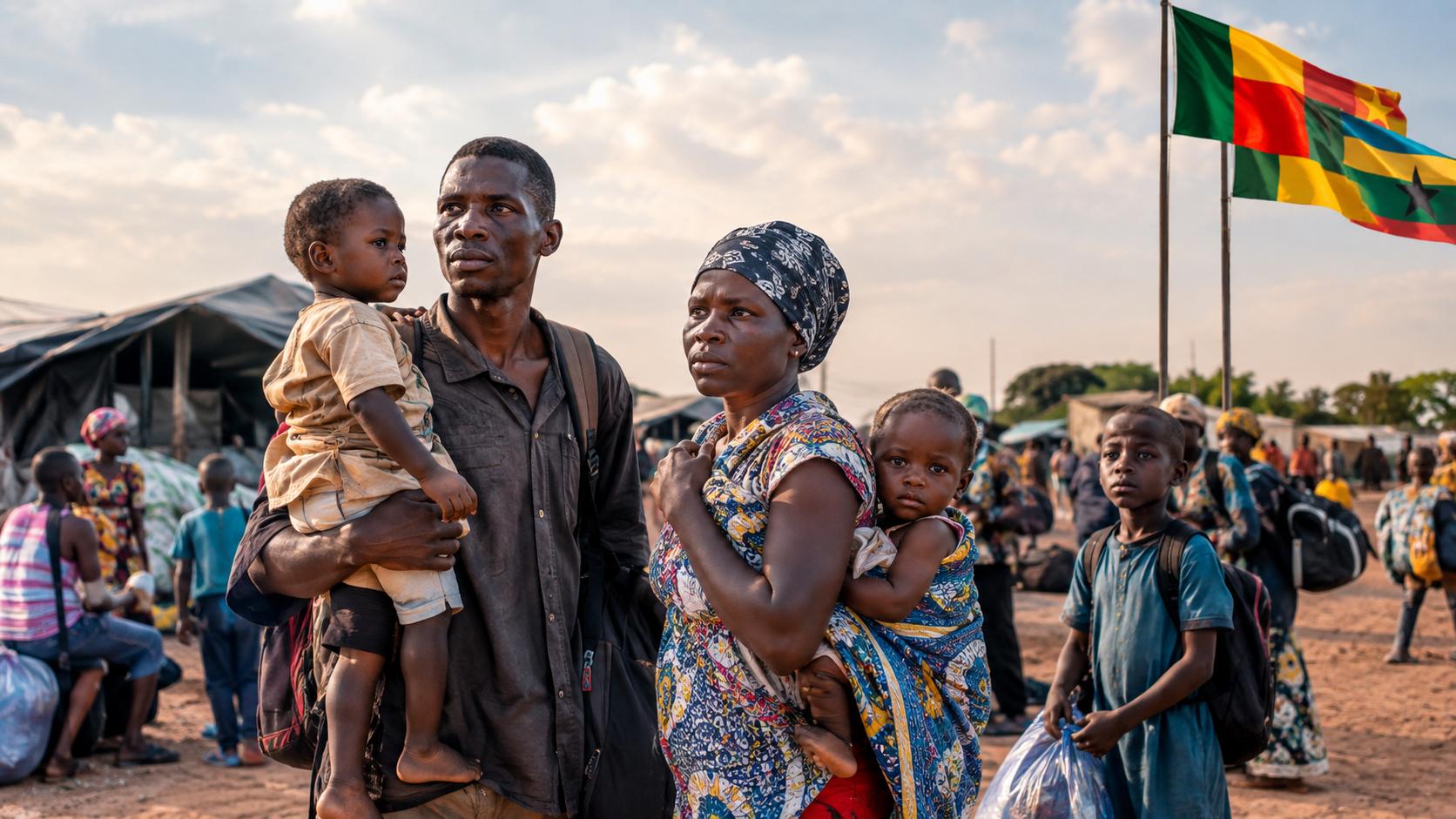
Can displaced Burkinabè truly go back to their homeland in safety and dignity? That pressing question lies at the heart of three tripartite agreements signed in Lomé on September 11 by Benin, Ghana, Togo, Burkina Faso, and the UN Refugee Agency (UNHCR). These accords aim to lay the groundwork for a voluntary, safe, and dignified return—when conditions allow. But with ongoing violence, human rights abuses, and political instability inside Burkina Faso, the stakes for getting this right couldn’t be higher. What the Lomé agreements actually establish The signing in Lomé…

Read More