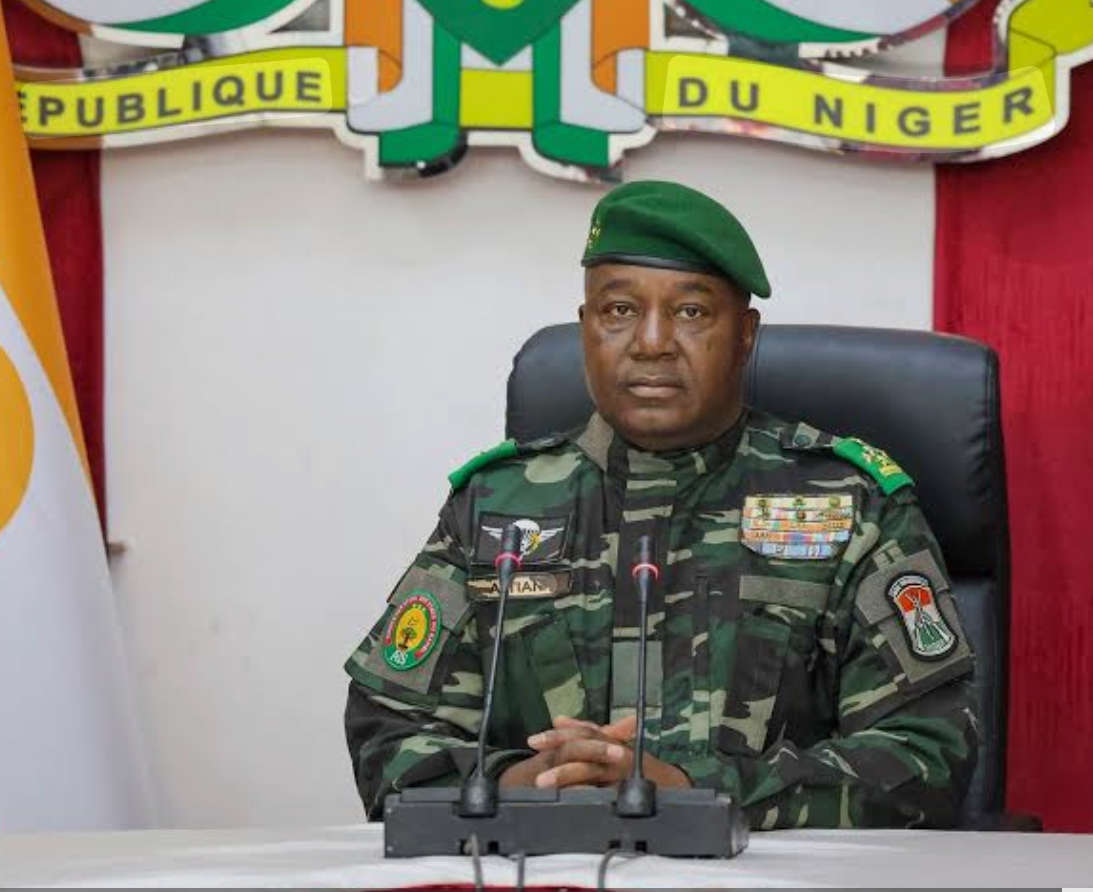
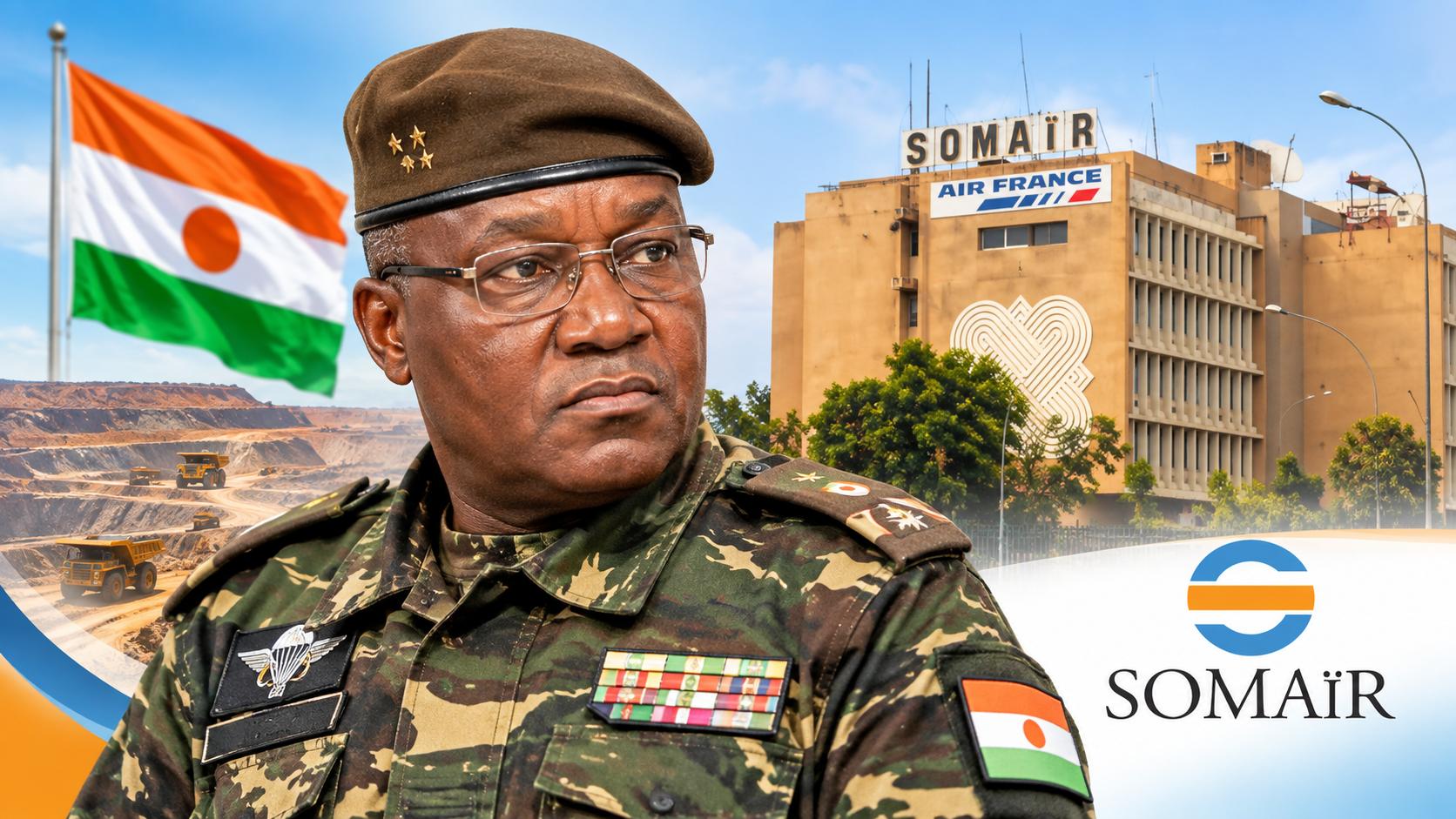
In the wake of a failed coup attempt, Niger’s military ruler General Abdourahamane Tiani has launched another sweeping government shake-up—this time firing four key ministers. But as fear drives decision-making at the highest levels, a critical question looms: is this purge a shield for survival or a self-inflicted wound hastening the regime’s downfall? Why Tiani sees enemies everywhere Just days after restructuring top military command posts, Tiani abruptly dismissed ministers overseeing Agriculture, Land Reform, Energy, and Communications. The move follows the botched coup on the night of August 28–29—a stark…
Read MoreCategory: News
Can Benin’s corridor strategy secure west africa’s supply chains?
Facing mounting pressure to stabilize regional trade amid growing insecurity and infrastructure gaps, Benin is betting big on its role as West Africa’s logistics linchpin. With the Autonomous Port of Cotonou as its anchor and backed by a €30 million investment from the European Union and Belgian cooperation agency Enabel, the country is overhauling its road and customs systems to serve as Niger’s lifeline—and potentially reshape cross-border commerce across the region. Why Benin holds the key to landlocked Niger’s survival Benin’s coastal position makes it more than just a neighbor—it’s…
Read MoreCan the Niger junta still guarantee basic safety after 500 worshippers vanish?
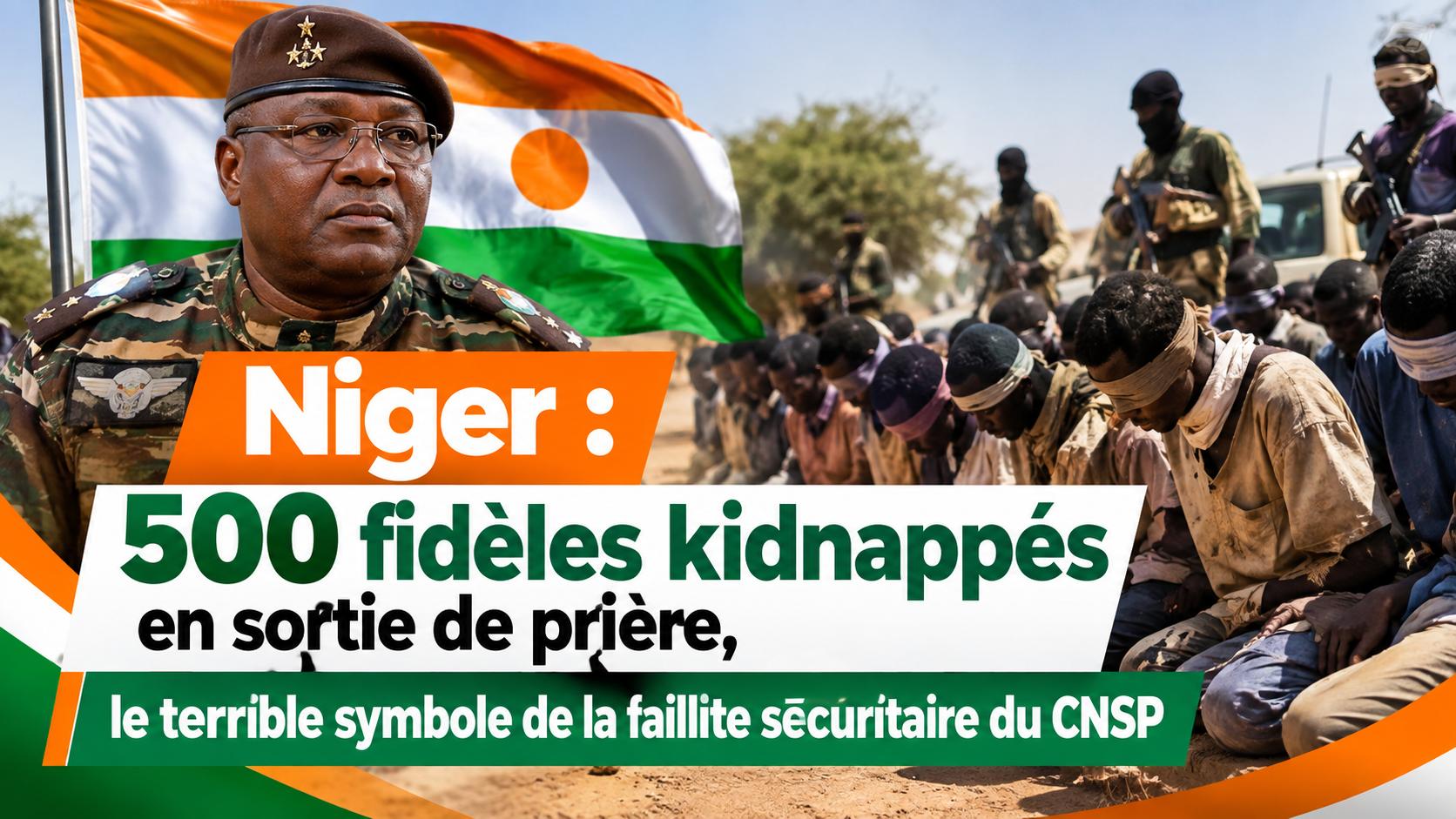
On August 21, 2026, a chilling new chapter unfolded in Niger’s security crisis. As worshippers streamed out of Friday prayers, heavily armed militants surrounded multiple mosques, sealed exits, and forcibly marched nearly 500 civilians into dense forest terrain. Days later, their fate remains unknown—a haunting symbol of the military regime’s crumbling promise to protect its people. When friday prayers turn into mass abductions Just after 1 p.m. that fateful Friday, tranquility gave way to terror. Dozens of well-armed assailants executed a coordinated operation, trapping defenseless congregants—young boys, elders, and adults…
Read MoreCan Nigeria finally break the cycle of jihadist violence in the northeast?
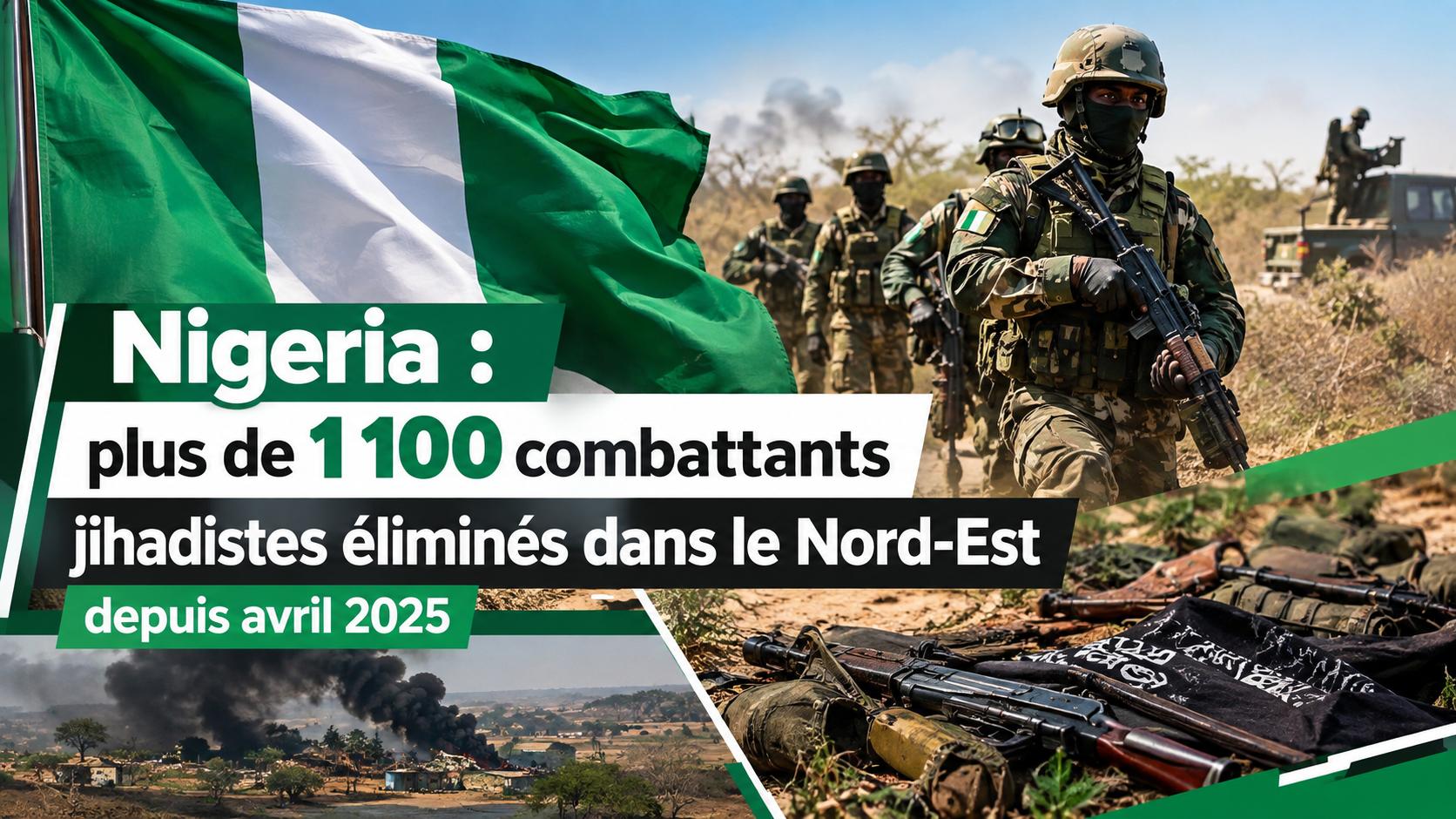
The turning point: how military operations reshaped the conflict The Nigerian military’s sustained campaign in the Lake Chad region has delivered a major blow to Boko Haram and ISWAP, raising a critical question: Can Africa’s most populous nation finally end the jihadist insurgency that has plagued its northeast for over 15 years? In a recent briefing from Maiduguri, the outgoing commander of Operation HADIN KAI, Major General Abdulsalam Abubakar, unveiled staggering statistics that underscore the intensity and scale of the recent offensive. Record losses for insurgents: over 1,100 fighters neutralized…
Read MoreWhat if Benin’s biggest cultural statement in Paris happens inside a bookstore?
Could a bookstore become the unlikely stage for one of West Africa’s most ambitious cultural statements in Europe? That is the question hanging over the Fnac Saint-Lazare in Paris, where Benin will take center stage from September 22 to October 17, 2026. For nearly four weeks, the venue will host an unprecedented lineup of exhibitions, conversations, film screenings, and live music designed to spark a genuine dialogue between history, memory, spirituality, and contemporary creation. This is not a folkloric display. The program, organized with support from the Embassy of the…
Read MoreCan Wadagni’s Kigali visit turn memory into a Benin-Rwanda partnership?
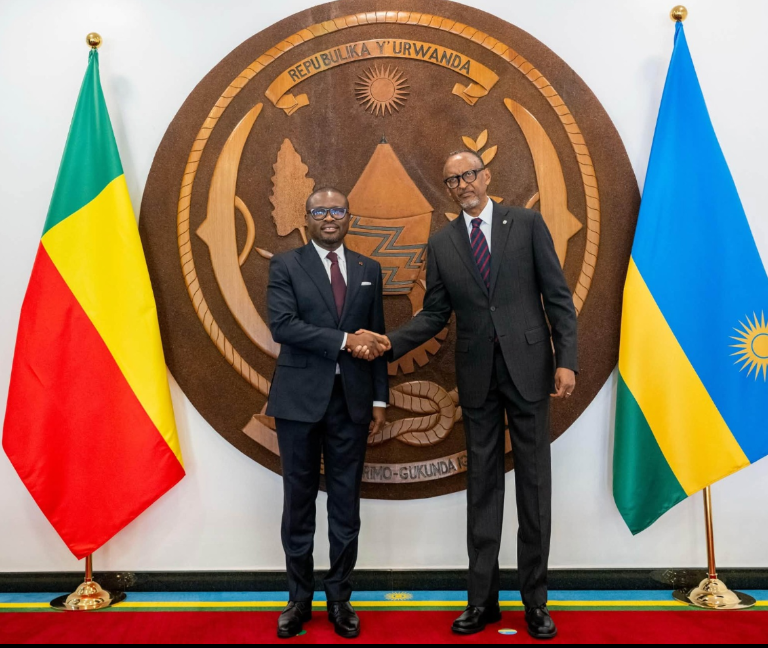
KIGALI — Benin’s President Romuald Wadagni began a two-day official visit to Rwanda on Wednesday, September 16, 2026. His first diplomatic trip of this kind since taking office in May brings the Beninese head of state to the heart of the Rwandan capital, where his counterpart Paul Kagame received him. The agenda includes a moment of remembrance at the Kigali Genocide Memorial in Gisozi, honoring the victims of the 1994 genocide against the Tutsi. On arrival in Kigali, Romuald Wadagni and his accompanying delegation were greeted by a crowd that…
Read MoreCan Burkina Faso honour Sankara’s legacy while silencing the family who kept it alive?
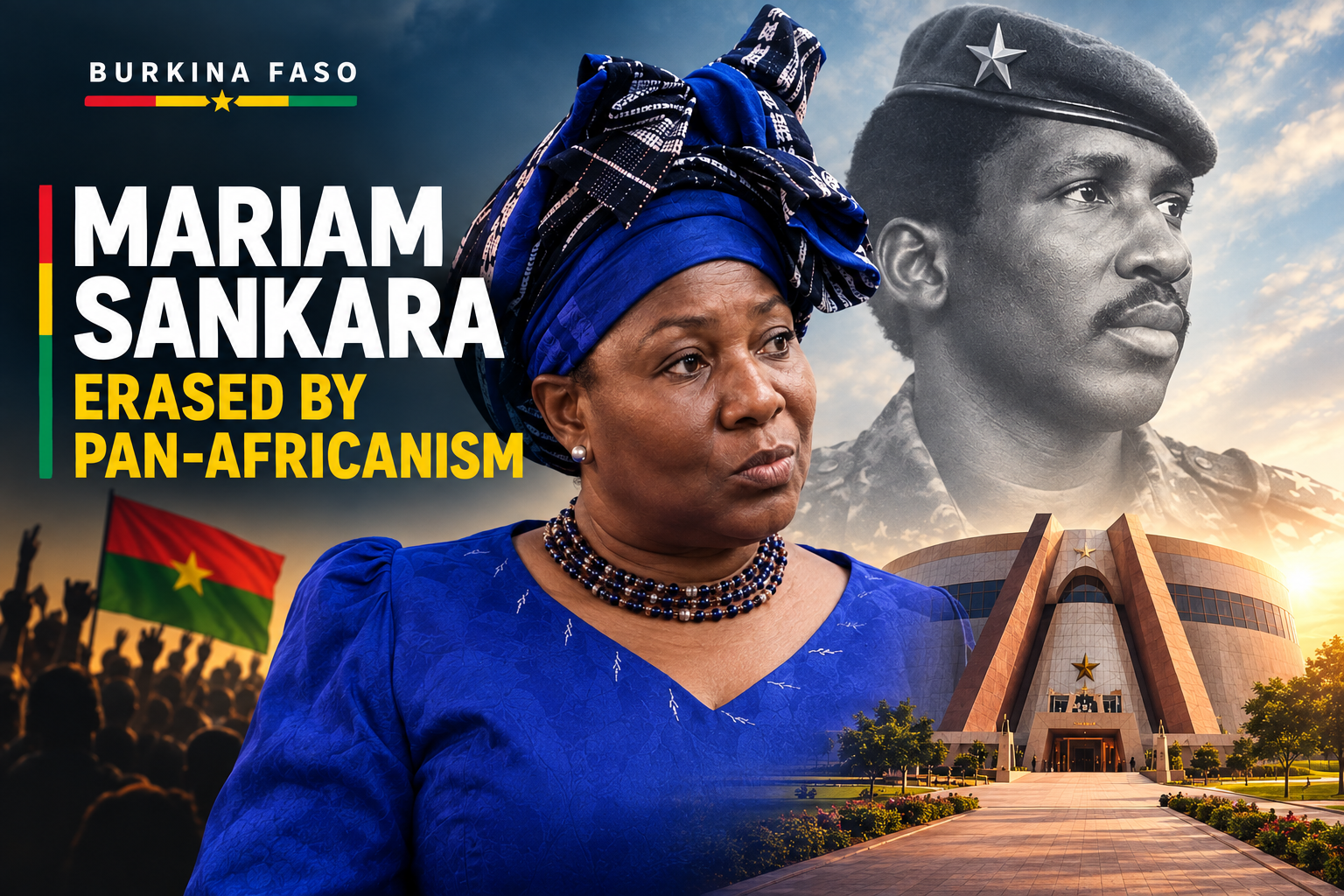
On 17 May 2025, on the grounds of the former Conseil de l’Entente in Ouagadougou, Burkina Faso inaugurated with considerable pomp the mausoleum of Thomas Sankara and his twelve companions. The ceremony, held under the patronage of Captain Ibrahim Traoré and led by Prime Minister Rimtalba Jean Emmanuel Ouédraogo, drew the Prime Ministers of Senegal, Ousmane Sonko, and of Chad, Allah-Maye Halina, alongside representatives of the Alliance of Sahel States and numerous pan-African figures from several continents. Twenty-one cannon shots rang out. Solemn speeches, revolutionary symbols, and an eye-shaped architectural…
Read MoreBurkina Faso’s 85% efficiency claim: can a nation be governed by statistics?
The number that doesn’t add up What happens when a government celebrates a statistic that most of its citizens have never experienced? That is the dilemma facing Burkina Faso, where the transitional authorities have put forward a theoretical score of 85.38% for administrative performance in 2025. It is a figure that raises one uncomfortable question: can a state be run on paper while its people queue in vain? For ordinary Burkinabè, daily life means growing hardship and limited access to basic services. Yet the executive has decided to pat itself…
Read MoreAlgerian helicopter gunship kills 48 gold miners on the Niger border, and Niamey says nothing
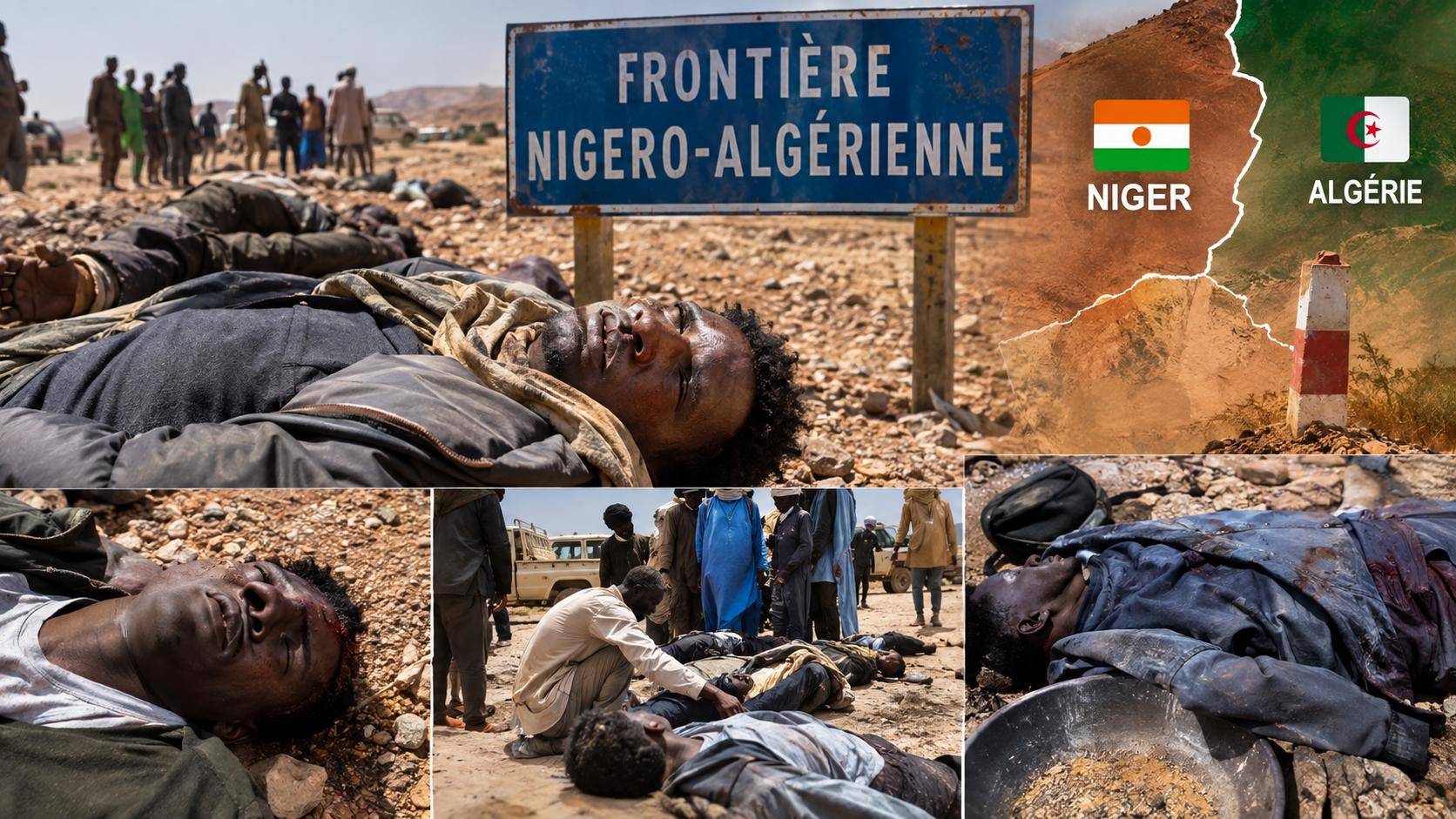
A helicopter gunship belonging to the Algerian air force opened fire on an artisanal gold-mining camp sitting astride the Niger-Algeria frontier, killing at least 48 civilians. The strike was carried out in full daylight, and the toll has left communities across this remote Saharan corridor in shock. In Niger itself, the reaction has been even more striking than the attack: the ruling military junta has yet to utter a single public word about it. Broad daylight over the goldfields: how the raid unfolded The aircraft appeared without warning over a…
Read MoreBurkina Faso: the Sankara family, the state and the contest over a revolutionary memory
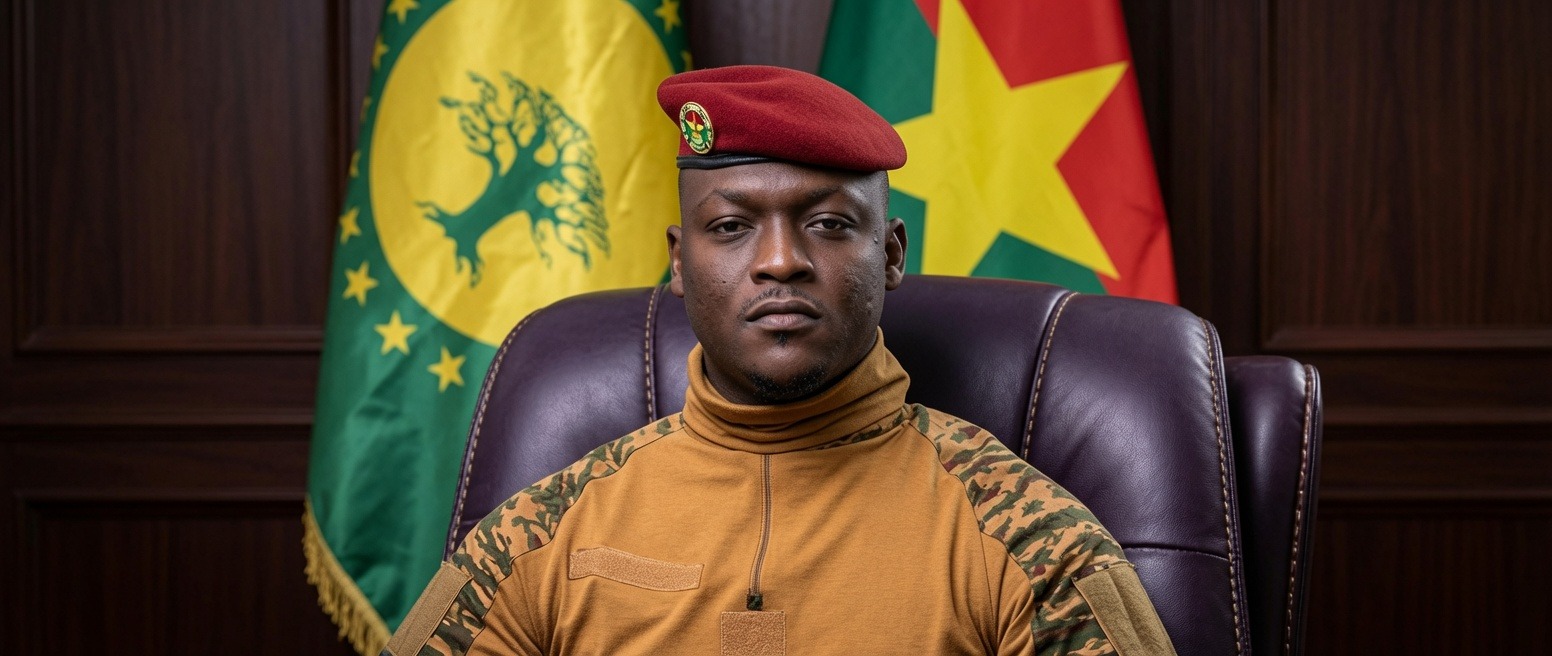
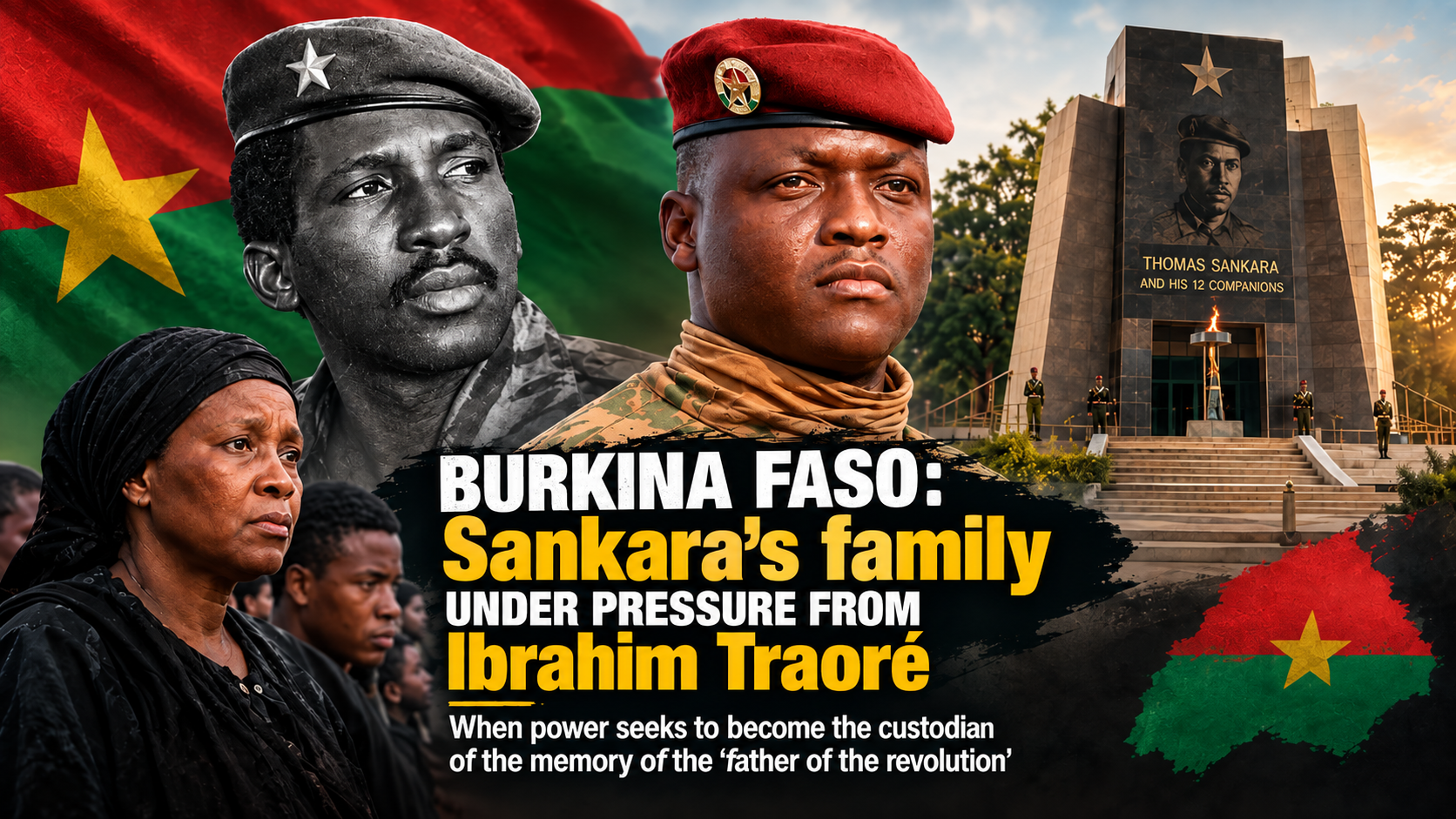
In Burkina Faso, the figure of Thomas Sankara has long since ceased to be a mere chapter of national history. It now occupies a central place in the political narrative advanced by Ibrahim Traoré’s administration. Behind the official tributes, the military ceremonies and the construction of a mausoleum, one question keeps resurfacing: is the present leadership gradually appropriating Sankara’s image in order to consolidate its own legitimacy? The parallel is not merely a matter of outside interpretation. It is visible in the government’s own communication. A legacy claimed by the…
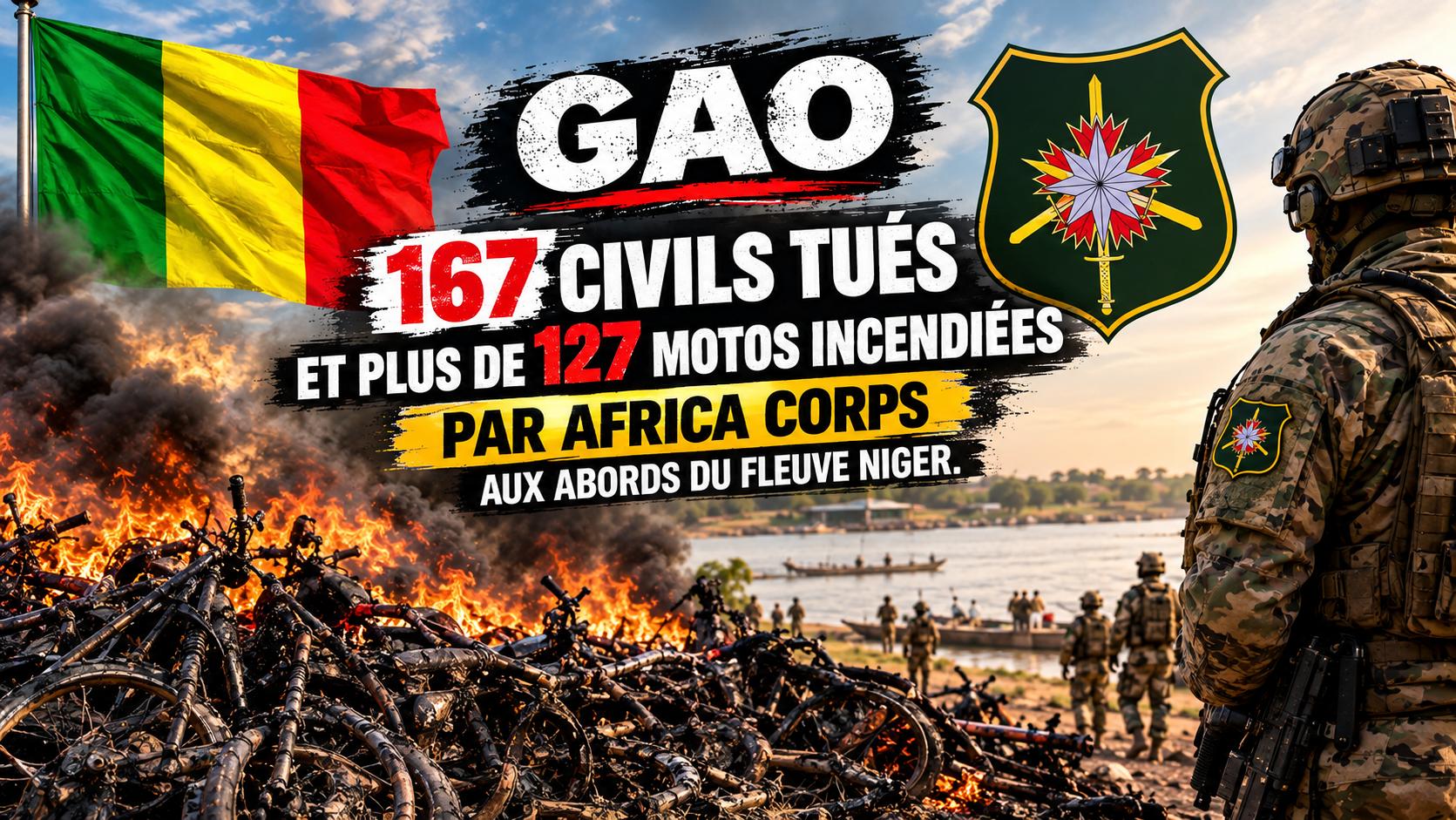
Read MoreGao: 167 civilians executed and 127 motorbikes burned by Africa Corps near the Niger river
Gunfire and thick black smoke rolled across the outskirts of Gao in the early hours of Tuesday 15 september 2026, as fighters from the russian private militia Africa Corps swept through the settlements that hug the Niger river. By the time the shooting stopped, 167 civilians had been summarily executed and more than 127 motorbikes had been rounded up and set alight. For the riverside communities, this is the most brutal episode yet in a long slide into lawlessness. A dawn assault on the banks of the Niger The sun…
Read MoreSomaïr: how Niger’s uranium flagship stalled under all-local management
A showcase project that turned into an industrial wreck Sold to the public as the definitive proof that Niger had finally taken back control of its own resources, the transfer of the Société des mines de l’Aïr (Somaïr) into exclusively national hands has produced a very different outcome than the one promised from the podium. The economic note issued by the finance ministry lays out the damage in cold figures: uranium output tumbled by 83.3% during the first quarter of 2026, landing at a skeletal 31.2 tonnes, when the previous…
Read More