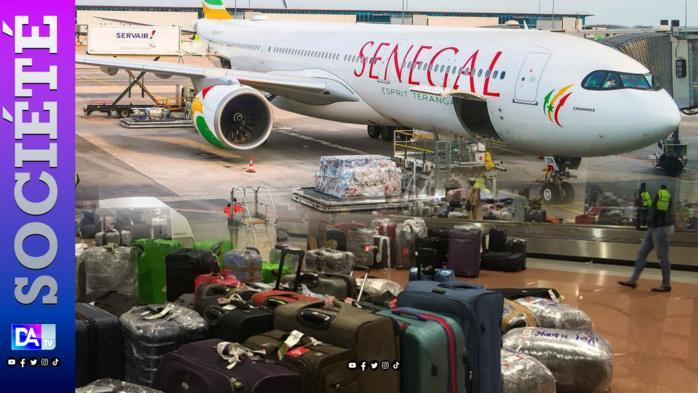
Air Senegal is at a critical juncture as an Interpol-led investigation uncovers alleged smuggling operations involving crew members on key routes. This development marks a decisive turning point for the airline, its passengers, and the broader West African aviation sector. On September 28, 2026, Air Senegal confirmed it had been formally notified of an ongoing inquiry into suspected illicit activities linked to its flight operations. The investigation centers on commercial flight attendants and stewards who allegedly transported unauthorized goods for a France-based company, receiving compensation in return. Uncovering the smuggling…
Read MoreCategory: News
Benin’s €544,042 UNAIDS pledge: a momentum shift in the HIV response
A decisive move on the global health stage New York, September 2026 — As the 81st session of the United Nations General Assembly unfolded across the city, the Government of the Republic of Benin made a move that signals a clear shift in momentum. In a global climate where health and development financing faces mounting pressure, Benin signed a fresh contribution of €544,042 to support UNAIDS operations in the country for 2026-2027. This is not business as usual. Under the leadership of President Romuald Wadagni, Benin is turning commitments into…
Read MoreLuxembourg’s €15m gamble sparks new era for Benin’s port sector workforce
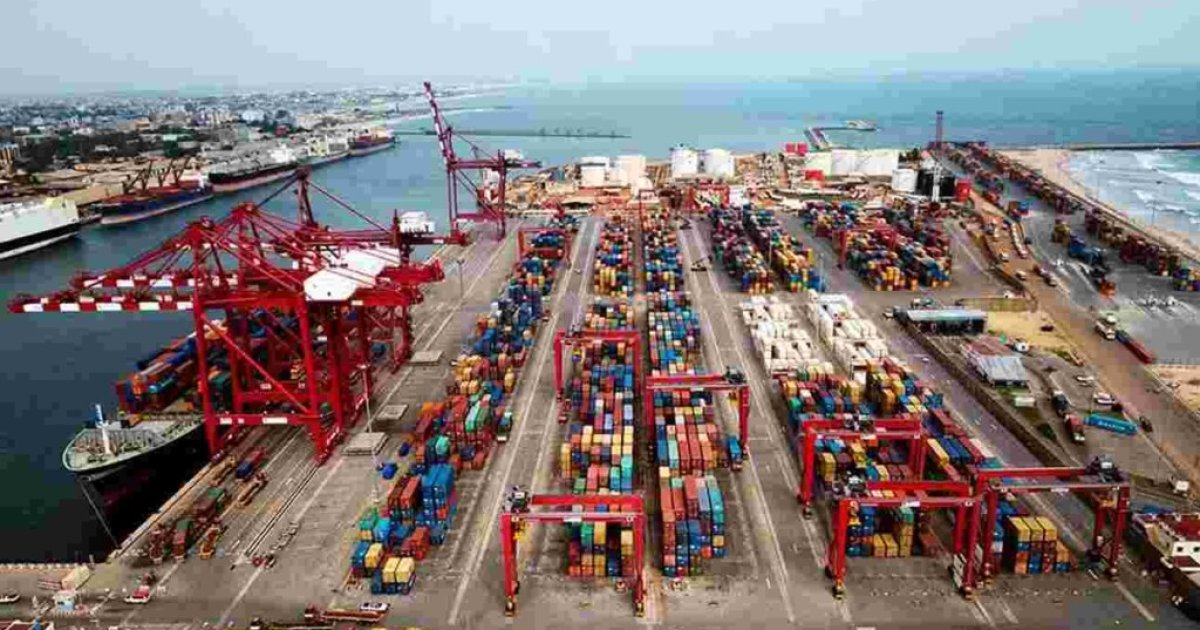
Luxembourg’s €15m gamble sparks new era for Benin’s port sector workforce A landmark €15 million investment from Luxembourg is set to redefine workforce development in Benin’s port and logistics sector, marking a decisive turning point in the country’s economic trajectory. Signed during the 81st United Nations General Assembly in New York, the CAP-PORT initiative targets young adults, women, and unskilled workers—groups that have long faced barriers to employment in the maritime industry. The CAP-PORT initiative: who stands to benefit? The program prioritizes two demographic groups that have historically struggled to…
Read MoreBurkina Faso’s public payroll contraction: a defining moment for household finances
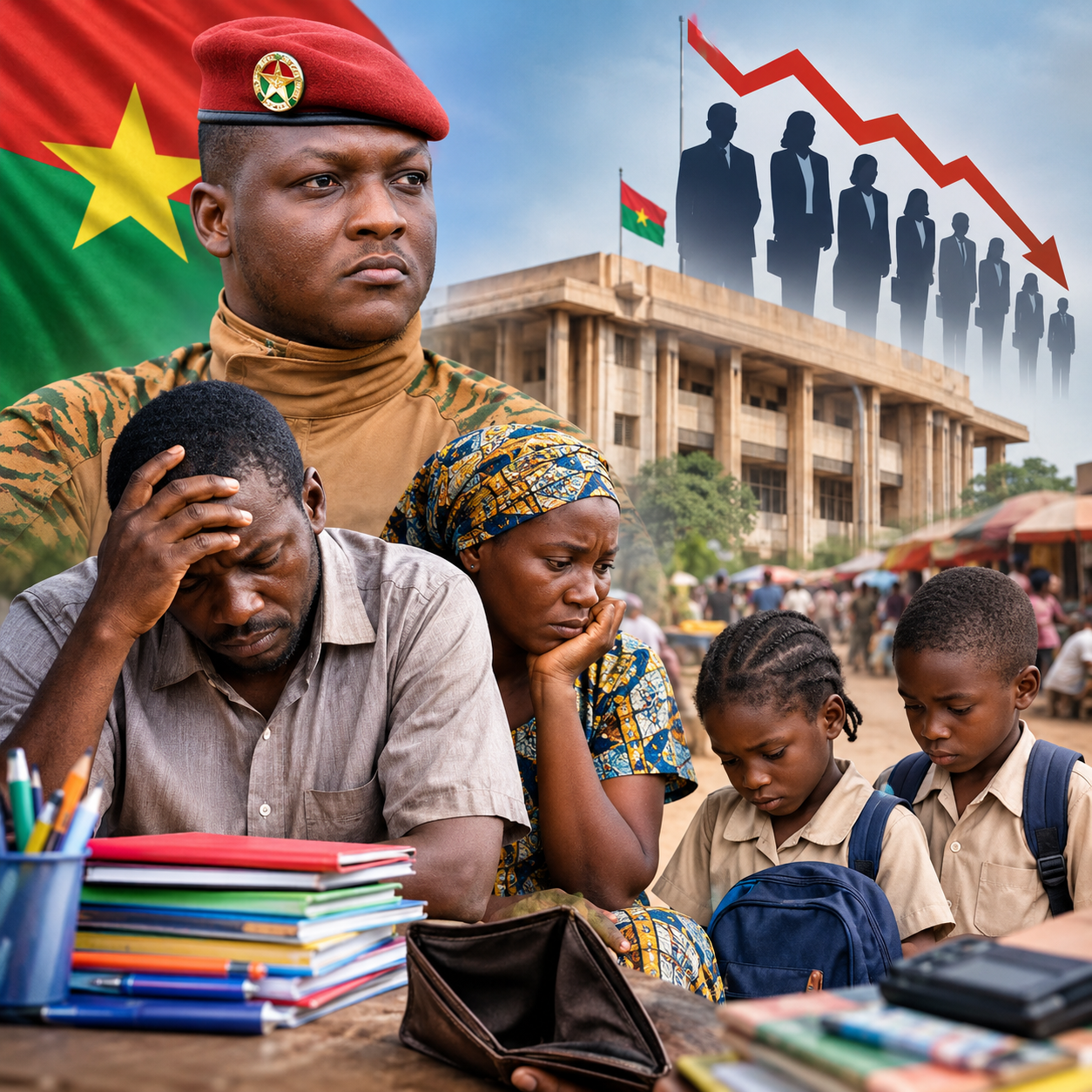
As the school year commences in Burkina Faso, a sobering social reality confronts numerous families. Official figures indicate that the number of salaried civil servants has declined from 204,310 in 2021 to 202,393 in 2025, representing a reduction of 1,917 agents over four years. The 2025 breakdown reveals: 140,438 men; 61,955 women. Beyond these statistics lie households. A public servant is not merely a position within an administration; they often serve as the primary breadwinner for a family, financing children’s education, housing, food, and daily expenses. This is precisely what…
Read MoreWhy does Silmossin keep changing hands? The question Burkina Faso’s security strategy cannot dodge
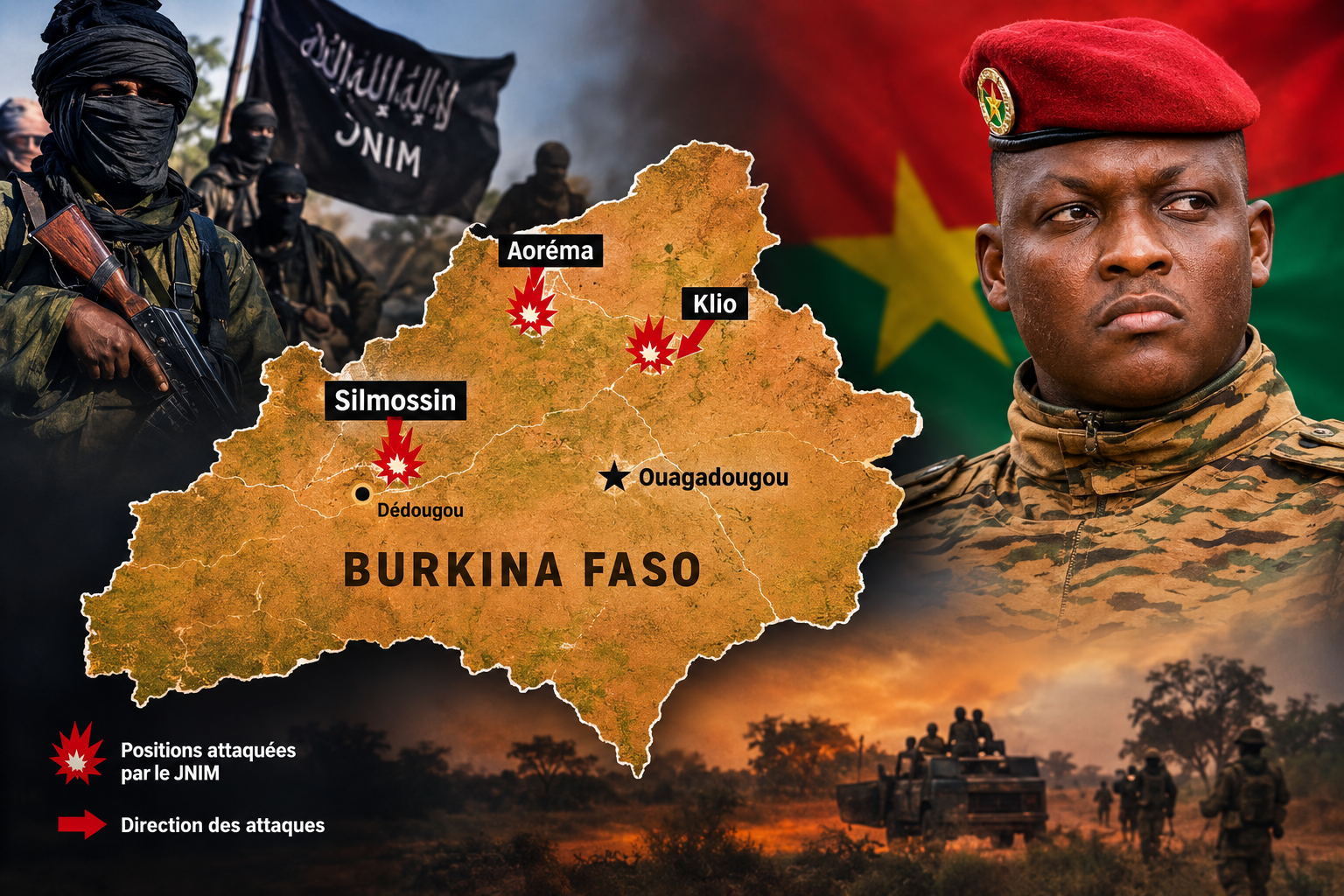
On the evening of Friday, 25 September 2026, the JNIM announced it had seized full control of several militia positions at Silmossin, close to the town of Dédougou. The statement came on the same day the group said it had overrun two positions held by the Burkinabè army and the Volunteers for the Defence of the Homeland (VDP) at Aoréma and Klio, in the north of the country. Beyond the accuracy of any single claim, the sheer repetition poses the question now hanging over Ouagadougou: how much real protection does…
Read MoreHormuz: strike a seven-day deal with Tehran, or risk a global energy meltdown?
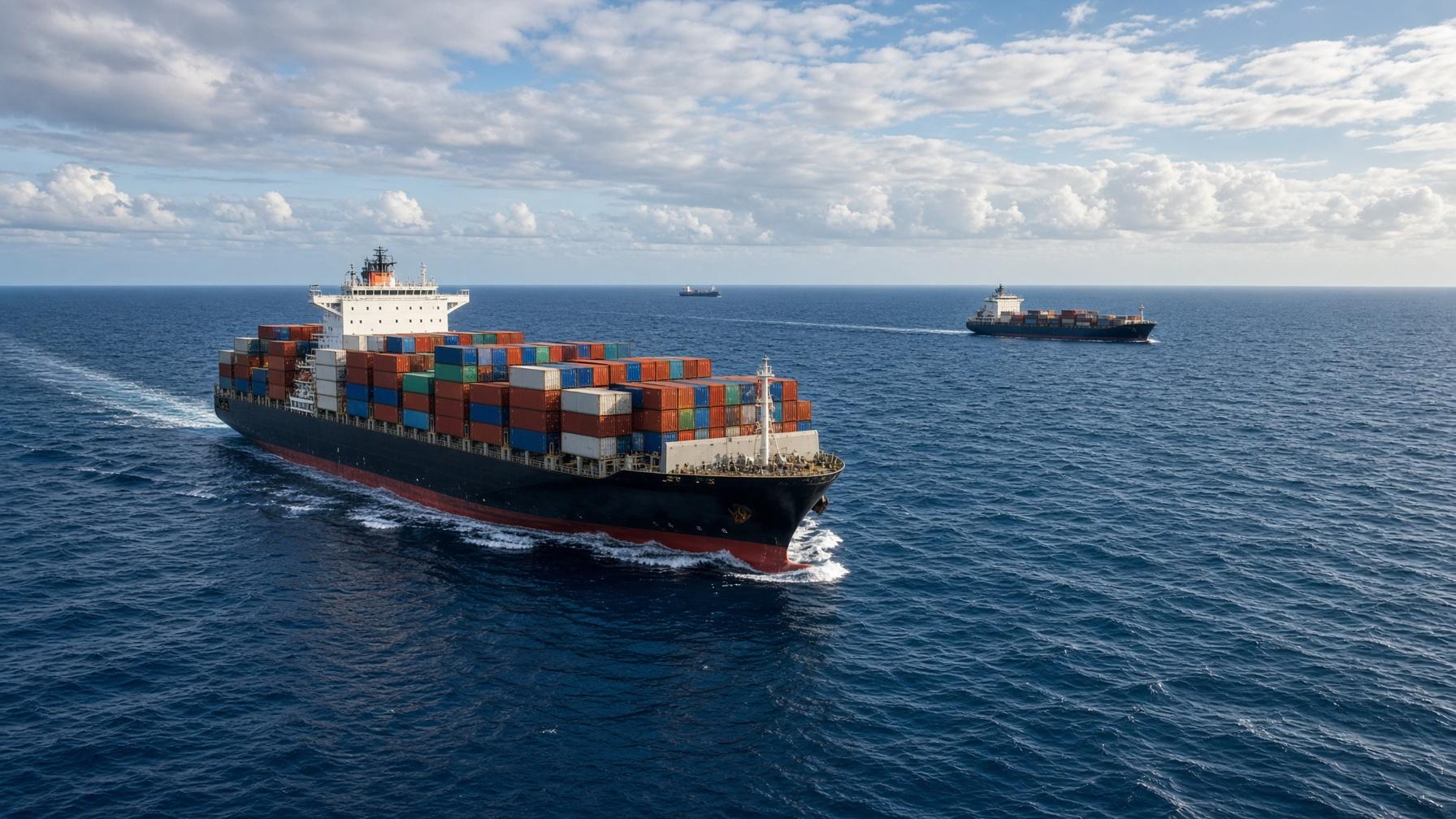
Can seven days of diplomacy undo a blockade that has sent shockwaves through the global economy? That is the question now dominating the corridors of the United Nations headquarters in New York, where Iran’s top diplomat announced he had handed Washington a concrete plan to restore shipping through the strait of Hormuz within a week. Speaking before a crowd of foreign correspondents, Iranian foreign minister Abbas Araghchi said the offer had been formally passed to the American envoy Steve Witkoff on Tuesday. His message was blunt: the decision now belongs…
Read MoreHow much does sovereignty cost? The 8,731.5 billion FCFA debt question Burkina Faso must answer
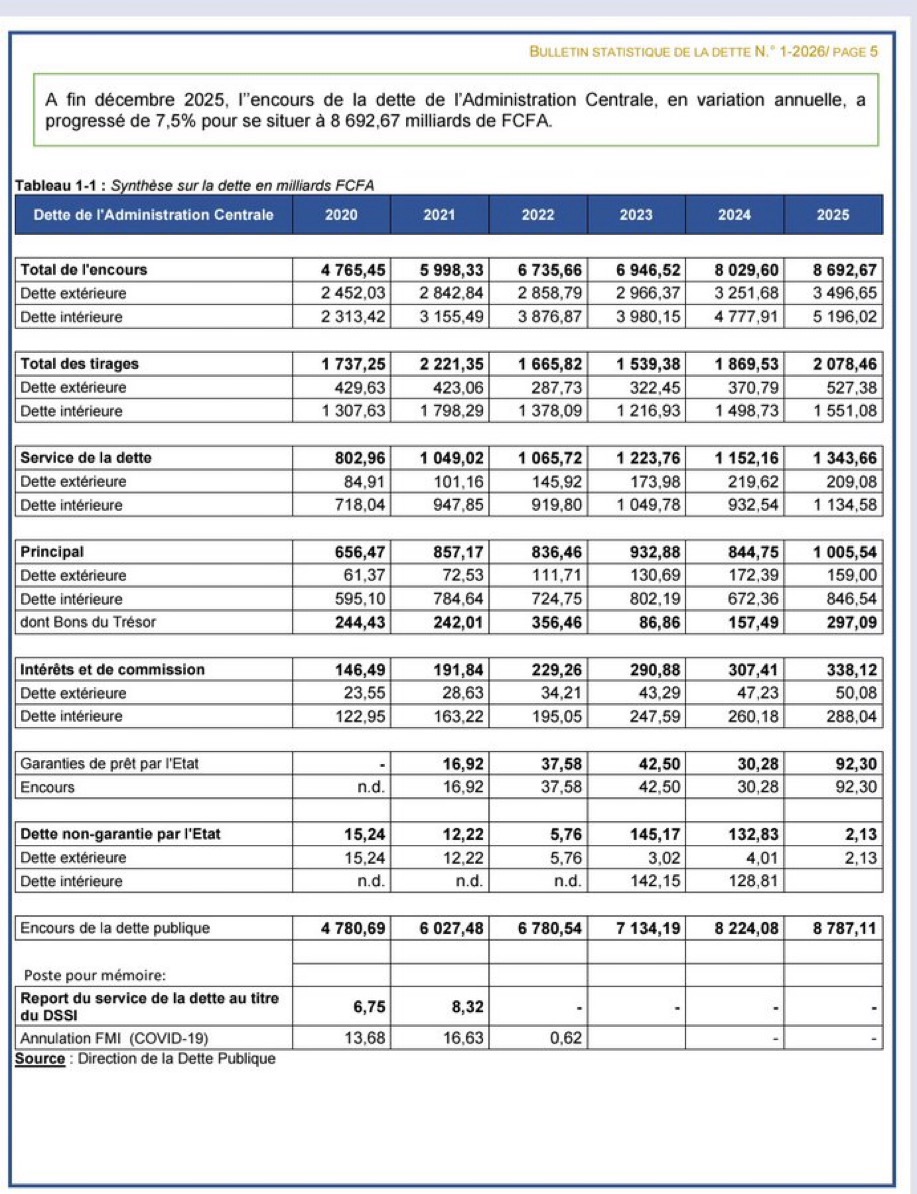
Can an administration that has built its political identity on rejecting dependence explain a public debt that has swelled by close to 4,000 billion FCFA in a little over five years? That is the awkward question now confronting Burkina Faso’s authorities, and it sits at the centre of the country’s economic debate. Ibrahim Traoré has made self-reliance a founding element of his message. He states repeatedly that Burkina Faso must count on its own strength, and that the country does not need to borrow in order to construct its development.…
Read MoreWhat will decide whether Benin’s new forensic policing can truly weaken terror networks?
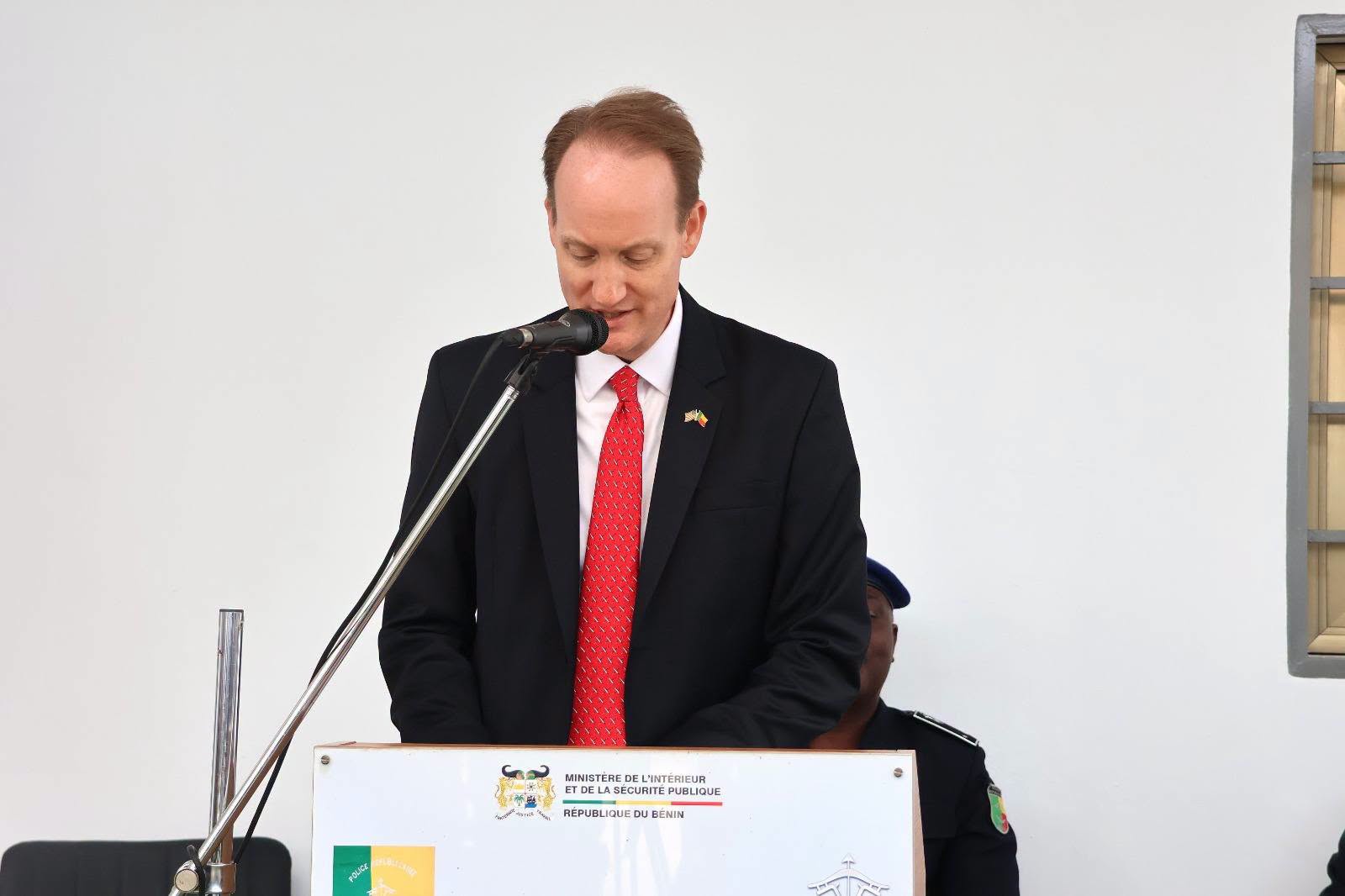
Can Benin’s Republican Police turn a new generation of investigation tools into a real deterrent against terrorism, or will armed groups and cross-border criminal networks keep adapting faster? That is the strategic question behind the government’s latest push to strengthen the country’s internal security forces. With persistent risks along Benin’s northern borders, where transnational crime networks constantly change their methods, Cotonou has taken a decisive step. Fully renovated facilities have been handed back to the Republican Police, together with advanced investigation equipment. The goal is clear: link tighter territorial security…
Read MoreDoes Algeria hold the key to Benin’s northern security dilemma?
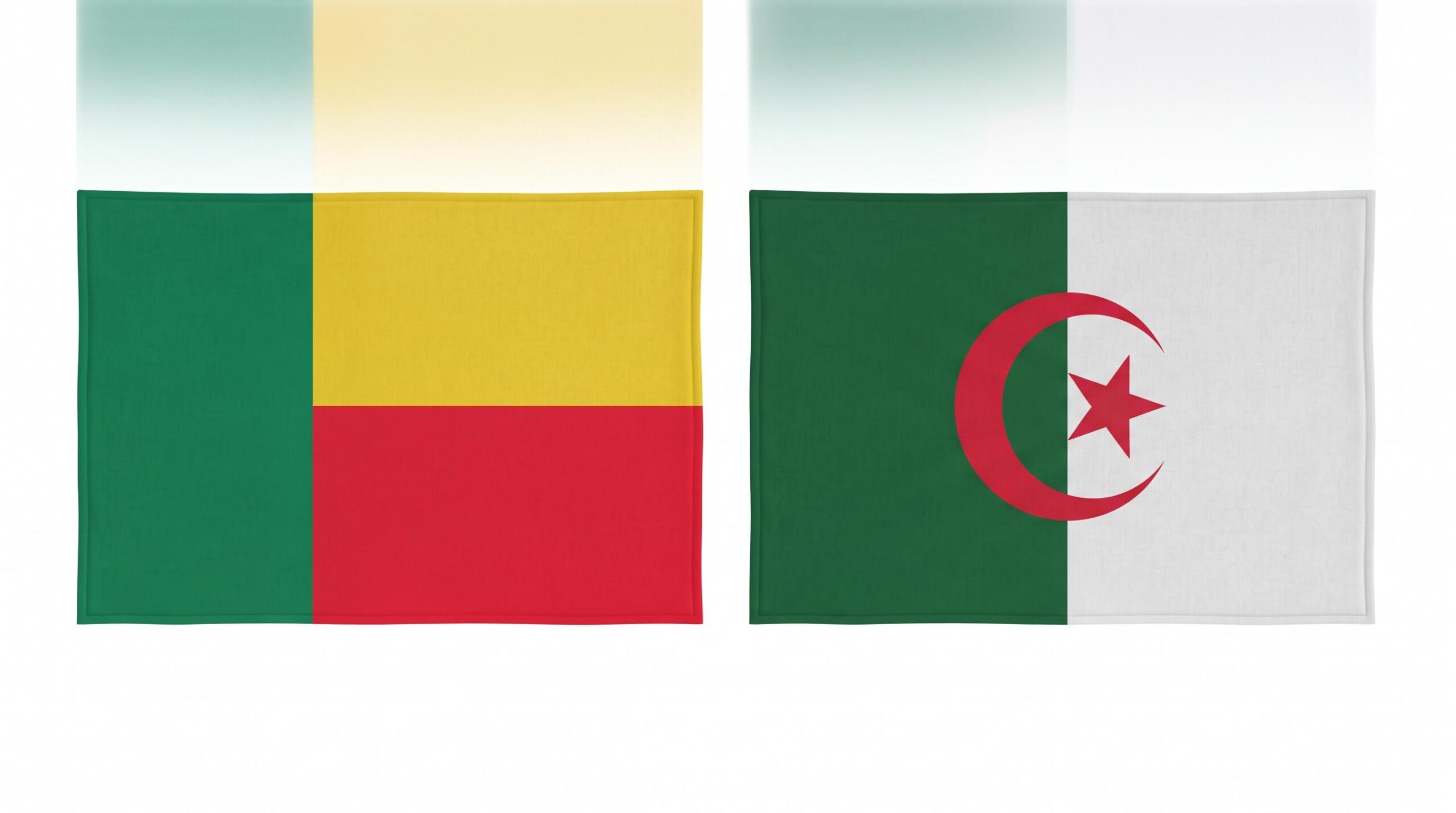
As West Africa’s geopolitical map keeps shifting, Benin faces a troubling question: can a fresh defense partnership with Algeria meaningfully blunt the Sahel’s spreading extremist threat, or is Cotonou overestimating what a distant ally can deliver? The stakes were on full display during a meeting at the Ministry of National Defense, where Beninese officials received a high-level diplomatic and military delegation from the People’s Democratic Republic of Algeria. That encounter did more than exchange pleasantries — it moved a bilateral strategic defense partnership closer to reality. Why Cotonou is betting…
Read MoreWhat is at stake as Burkina Faso ties NGO funding to an 80% field-spending threshold?
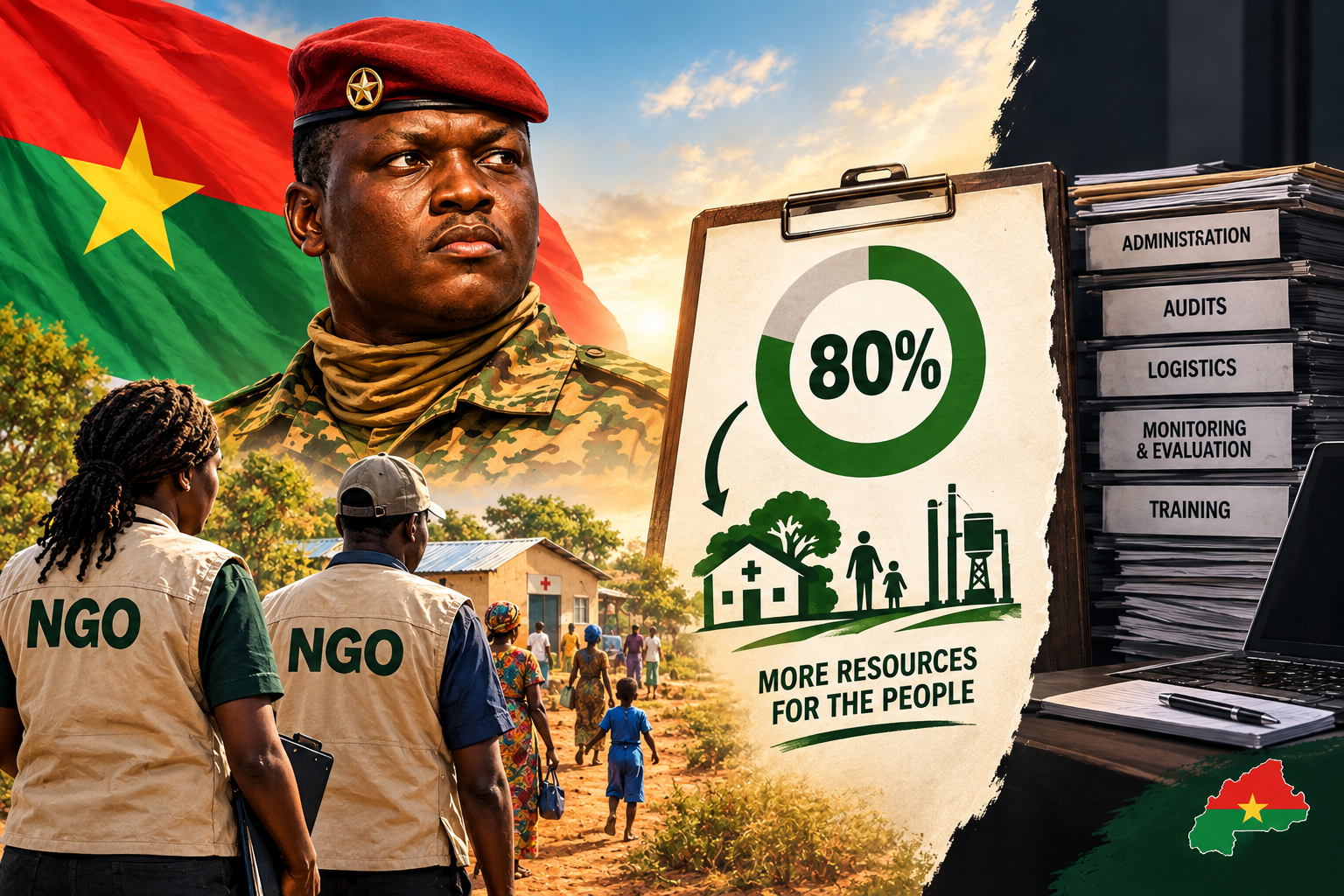
The authorities in Burkina Faso have entrusted a single figure with a considerable responsibility. Under the regulation adopted on 24 September 2026 during the presidency of Captain Ibrahim Traoré, non-governmental organisations are now required to direct at least 80% of their resources towards direct investment in the field. The measure is presented as a tool for transparency and efficiency: fewer administrative costs, and more money reaching the communities that need it. Yet the stakes extend well beyond the arithmetic. Can a fixed percentage genuinely improve the way aid is delivered,…
Read MoreWith Djenné lost and fuel running out, what can Mali’s army still defend in Mopti?
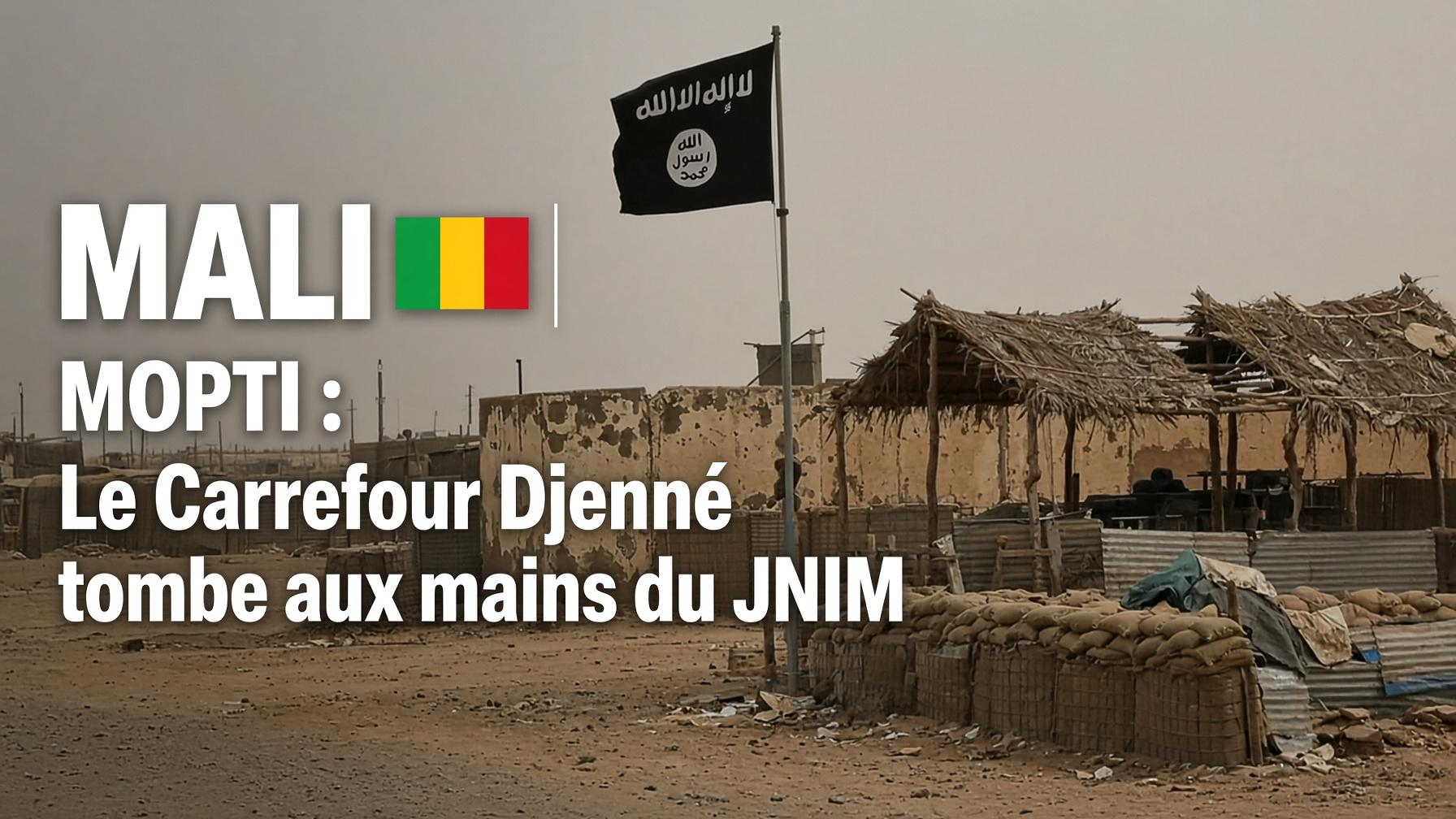
Mopti, Mali — How long can an army hold a region when its armoured vehicles stay parked and its patrols can no longer leave base? That question now weighs on central Mali after Djenné, the strategic crossroads anchoring the RN6 highway between the country’s south and north, was stormed and captured by fighters of Jama’at Nusrat al-Muslimin (JNIM), a group affiliated with Al-Qaeda. The assault on Thursday 24 September started shortly after 12:10 local time and lasted only minutes. By the time the gunfire and the explosions died down, the…
Read MoreShould Benin’s courts keep Candide Azannaï in detention while the coup inquiry is unfinished?
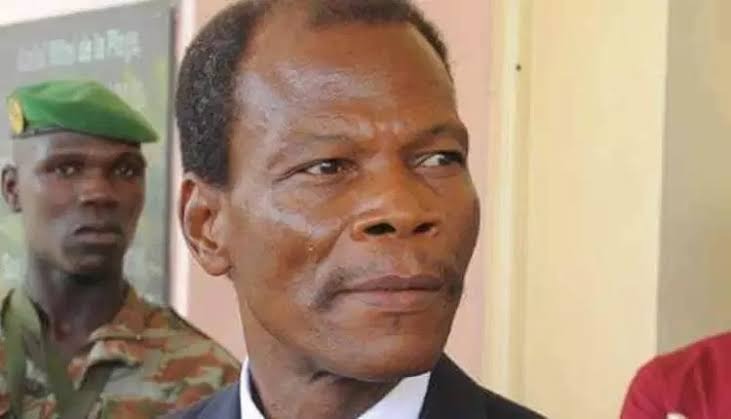
Cotonou — 24 September 2026. Should a former minister accused of plotting against the state remain behind bars while investigators keep chasing suspects who have not yet been found? That is the dilemma at the heart of the Candide Azannaï affair, and the answer Benin’s appeal chamber has just given reaches far beyond the walls of a single cell. By confirming the preventive detention of the man who leads the Restore Hope party, the magistrates made one thing clear: the inquiry opened after the foiled coup attempt of 7 December…
Read More