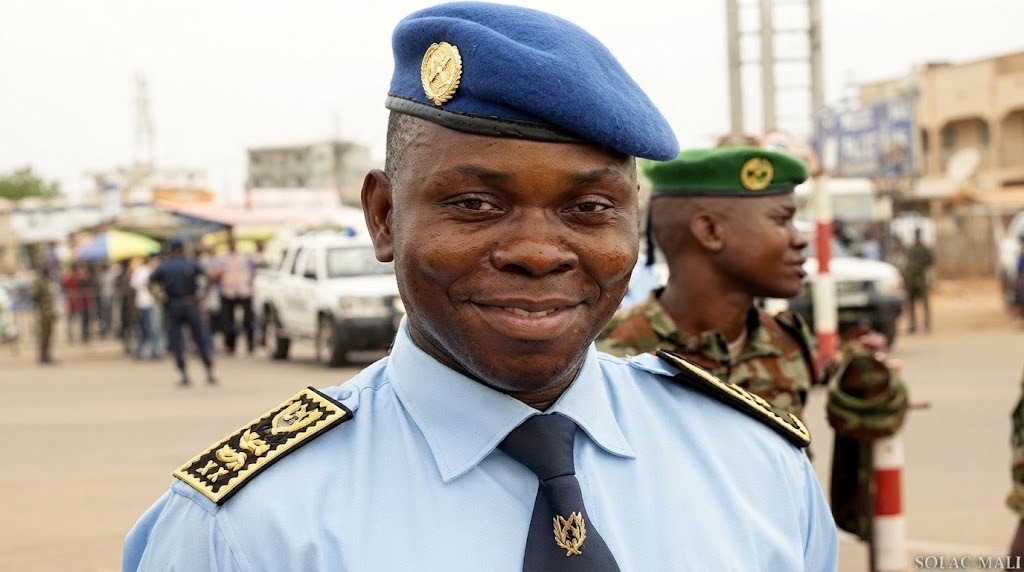
Cotonou — Benin’s highest court has just locked down the procedural fate of one of the most closely followed cases in the country. On Thursday, 24 September 2026, the Supreme Court definitively dismissed the cassation appeal filed by the lawyers of the former Director General of the National Police, General Louis Philippe Houndégnon. The application was declared admissible in form, yet the court rejected it squarely on the merits, upholding the ruling issued on 19 May 2026 by the appeal chamber of the Court for the Repression of Economic Offences…
Read MoreCategory: News
Niger’s Kemi Seba dilemma: can Niamey shield a wanted Benin national and still rebuild trust with Cotonou?
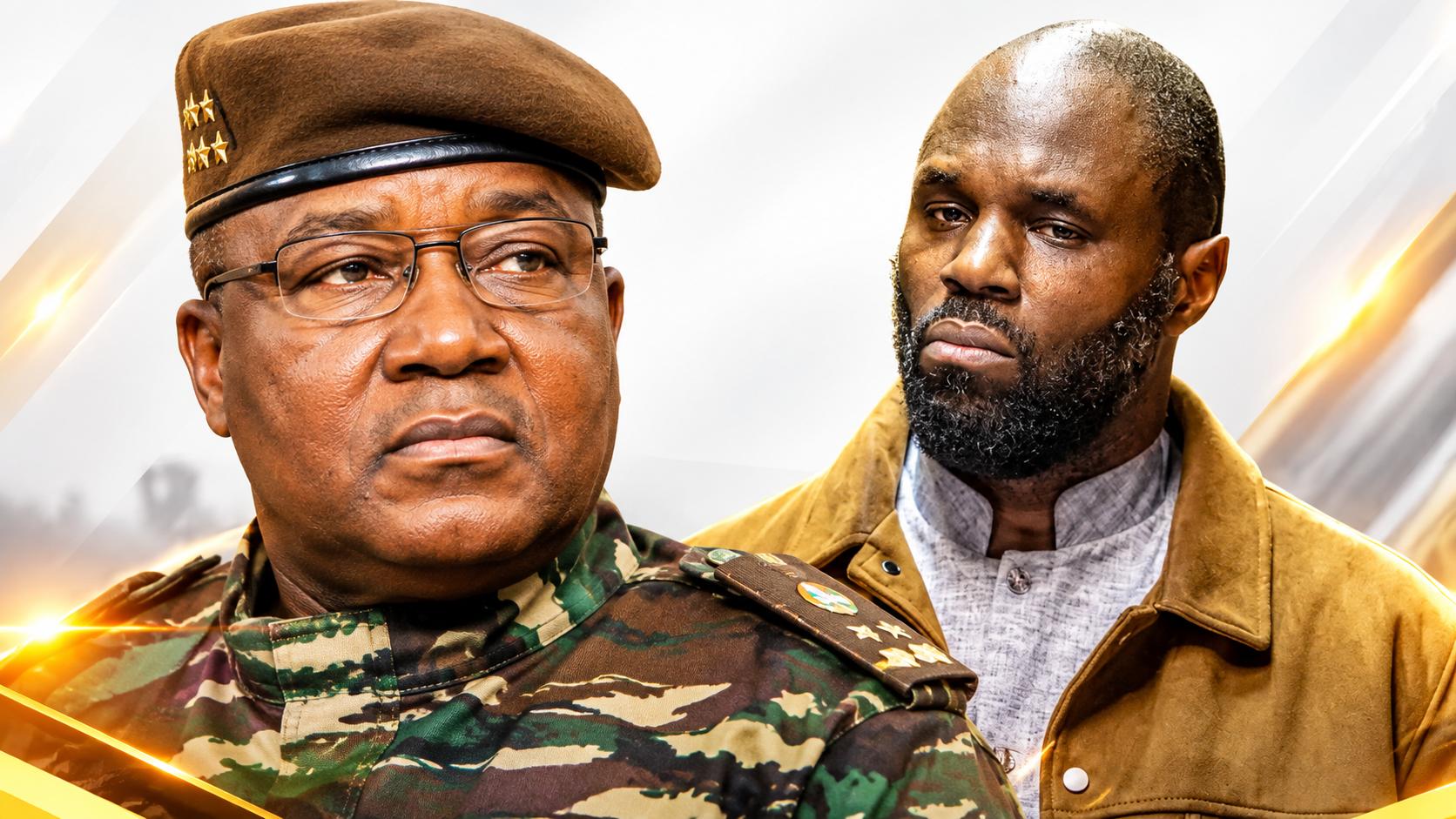
Can Niamey keep shielding a man Cotonou wants in its courts while asking Benin to believe that the reconciliation between the two neighbours is genuine? That is the question now hovering over General Abdourahamane Tiani’s government, and it has little to do with whether Kemi Seba is guilty or innocent. The activist’s fate has become a test of political coherence at the very moment Niger and Benin are trying to move past years of estrangement. Kemi Seba, a Benin national, was arrested in South Africa in April 2026. Cotonou is…
Read MoreSeptember 23 in Niger: between official silence and mounting losses, which security narrative holds?
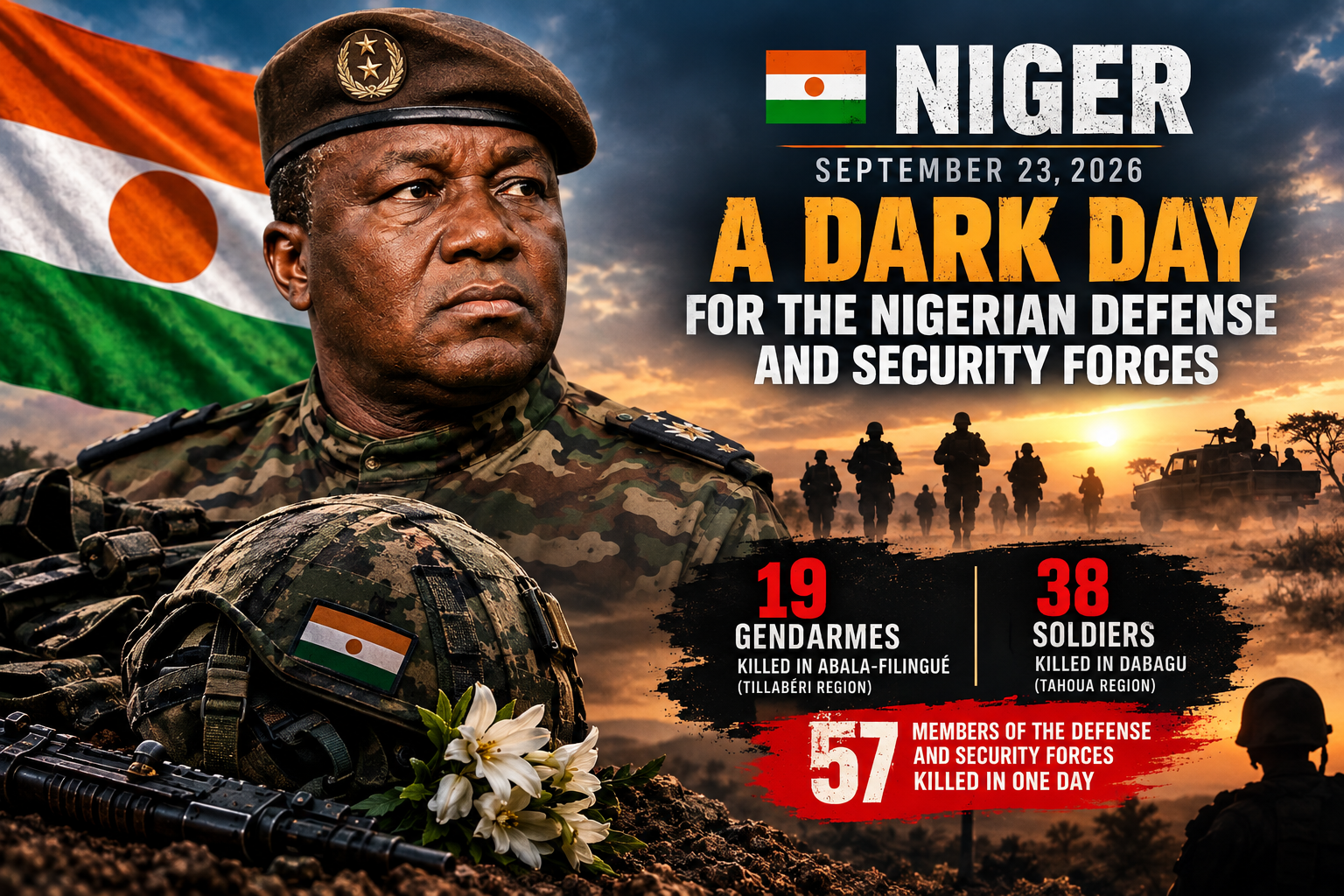
On 23 September 2026, Niger’s defence and security forces endured one of their darkest days in recent memory. Within a matter of hours, two separate armed assaults inflicted heavy casualties on units deployed in the Tillabéri and Tahoua regions. Provisional figures point to 57 personnel killed, with others wounded or unaccounted for. The scale of the loss poses a direct question: after more than three years of promises to strengthen the military, why are frontline positions still so vulnerable? The two attacks that defined the day Details from the field…
Read MoreA missile for an empty sky: what is Burkina Faso’s Sky Dragon 30 actually defending?
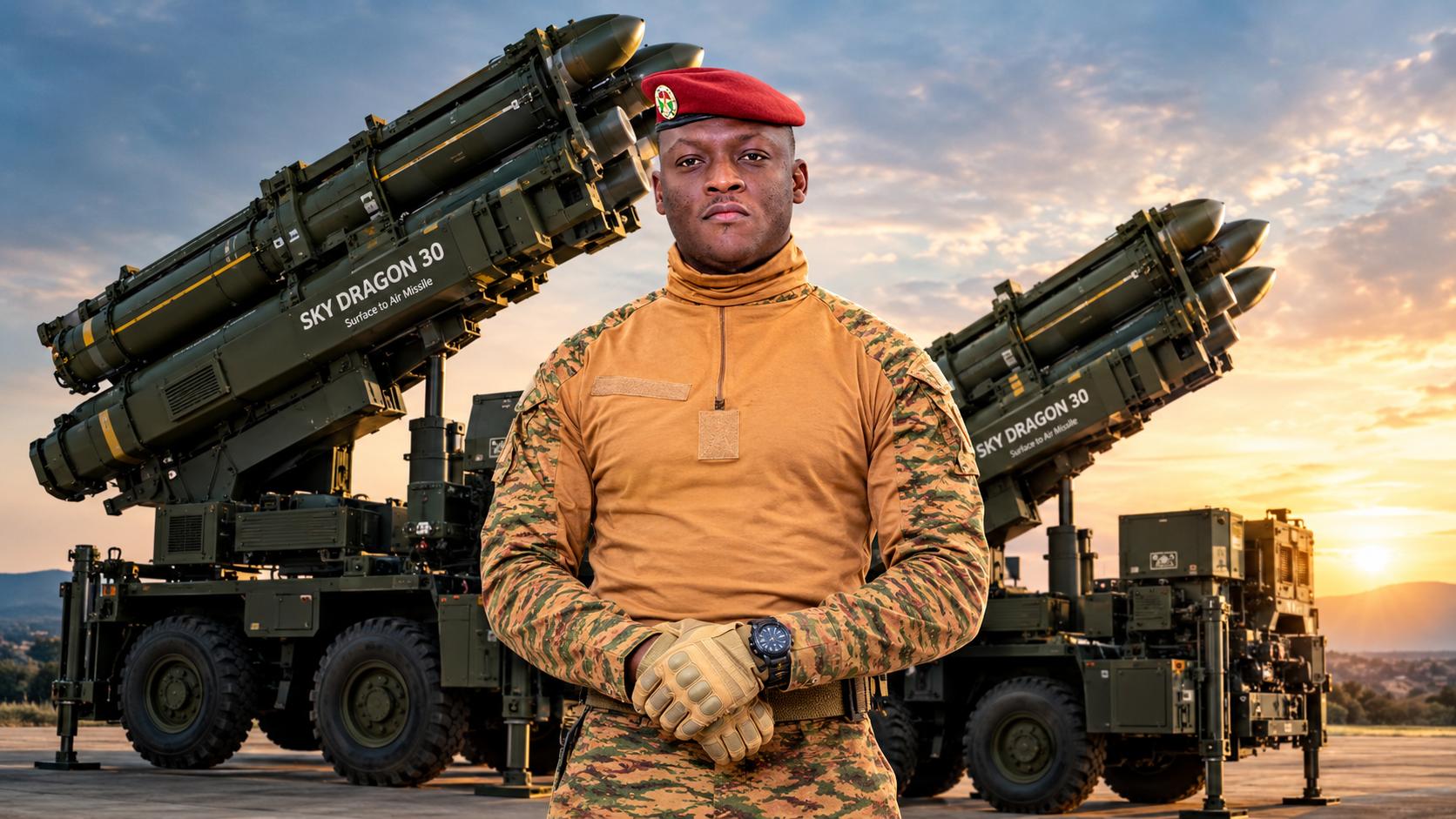
Cameras rolling, armoured vehicles gleaming, triumphant music swelling in the background: the communication machine of Burkina Faso’s transitional government knew precisely how it wanted the unveiling of its latest military trophy to look. Yet the question worth asking is not how imposing the Chinese-made Sky Dragon 30 looks on screen. It is what, exactly, this air-defence system is meant to protect — and who ends up footing the bill when the answer turns out to be no one. In a country where entire villages empty out under the onslaught of…
Read MoreAbala-Filingué: 15 elite troops dead — is Niger’s junta defending its people or its power?
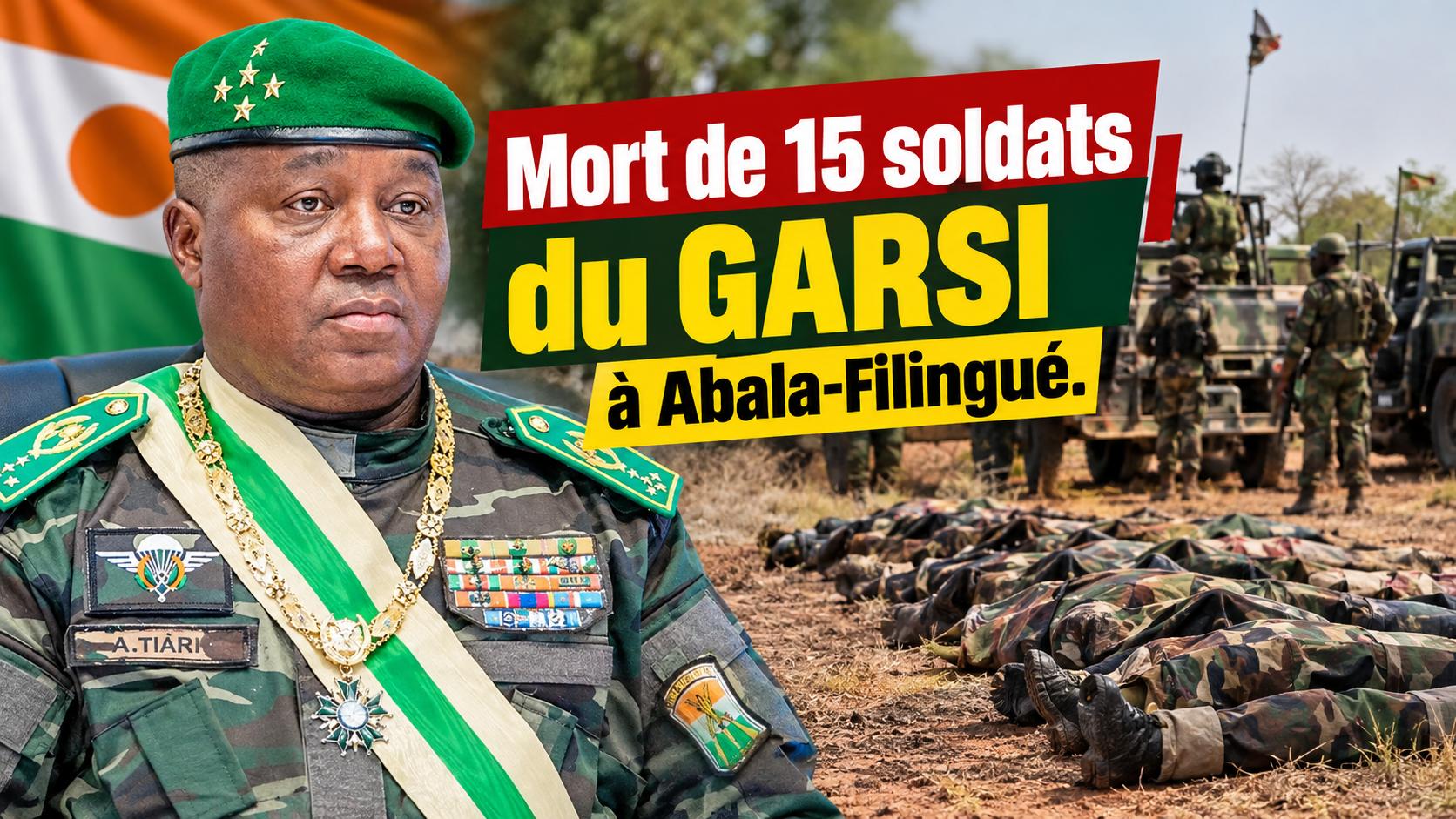
Gunfire broke the silence at dawn in the Abala-Filingué department, and when it faded, an entire patrol of the Rapid Action Group for Surveillance and Intervention (GARSI) had been torn apart. Around fifteen soldiers fell where they stood, including Captain Hassoumie and Adjutant Djindagarey — two names added to a list that refuses to stop growing. This was no isolated misfortune in a remote corner of the Tillabéri region. It is the sharpest illustration yet of a nation sliding deeper into disorder, and it forces one uncomfortable question: in a…
Read MoreAfter Salomay Awiti: how far can Ghana’s security state go before the courts say enough?
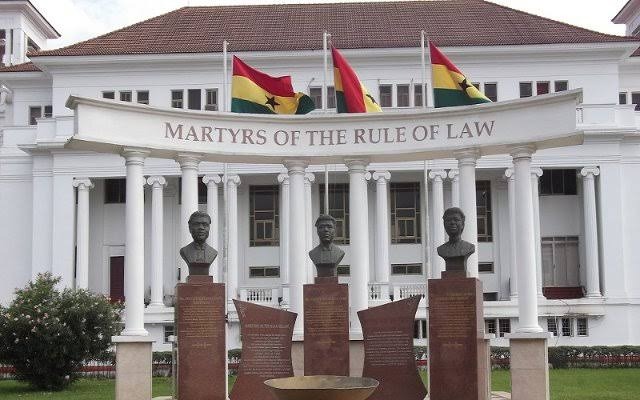
How much silence can a democracy tolerate before its own courts become the last line of defence? That is the question Ghana is being forced to confront after Salomay Bafoh Awiti, a registered nurse stationed at the hospital in Abetifi, was seized from her home at gunpoint and held out of sight for days. Her case has stopped being a simple criminal file and has turned into a strategic dilemma for a state that has long marketed itself as one of West Africa’s most dependable constitutional orders: either the security…
Read MoreBehind Mali’s 66th independence parade: a strategic dilemma for the Sahel States Confederation
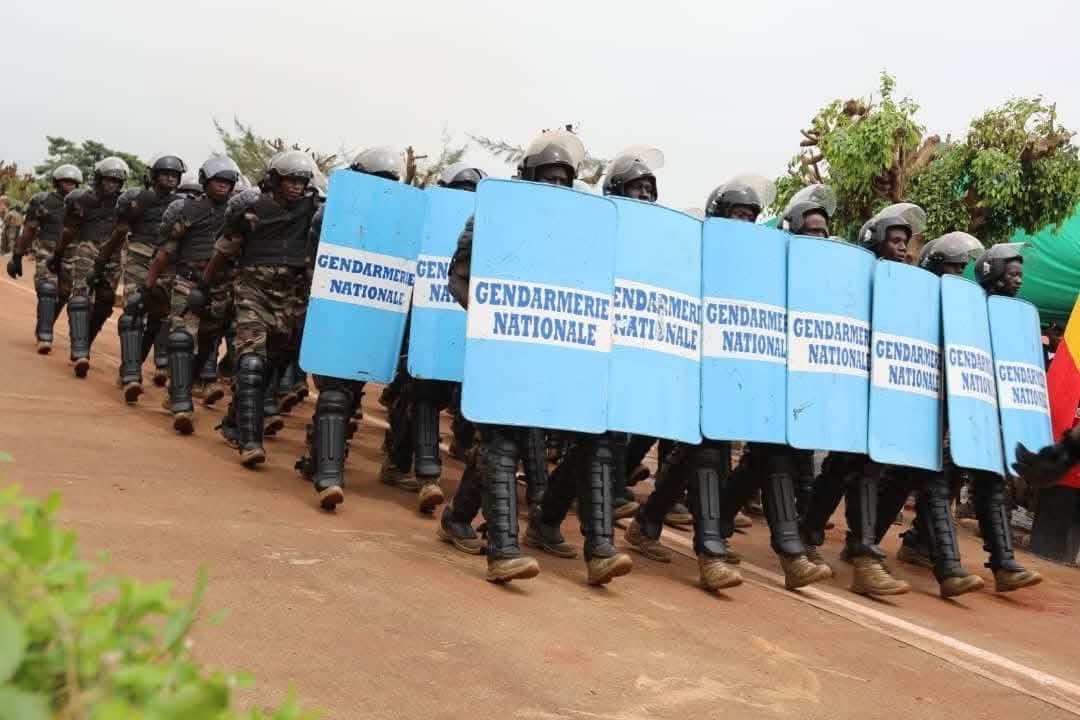
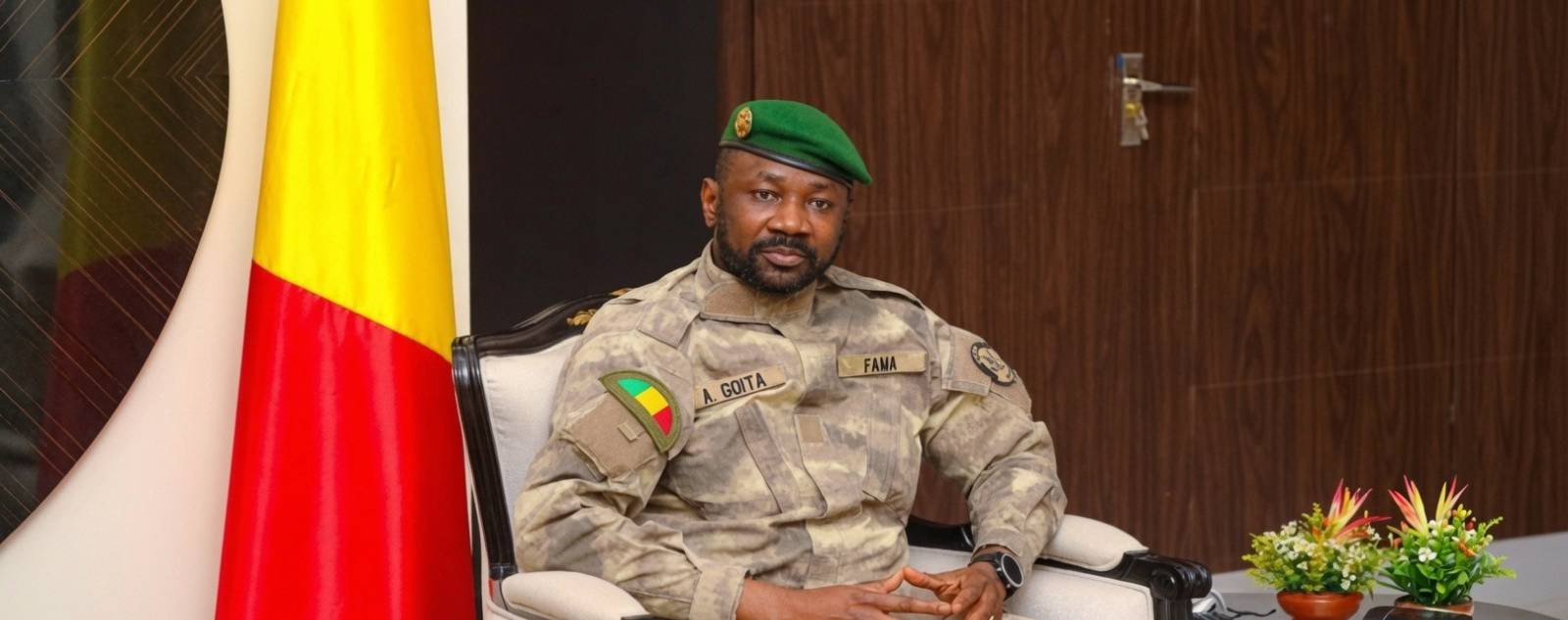
When Mali marked the 66th anniversary of its independence on 22 September 2026, the ceremony staged in Bamako followed a well-established pattern: a review of the troops, a parade by the Defence and Security Forces and an aerial display, all presided over by army general Assimi Goïta. Yet the decisive question raised by the event had little to do with protocol. It concerned the place that national symbols can still occupy within the Confederation of Sahel States (AES), a project that Mali, Burkina Faso and Niger present as the cornerstone…
Read MoreWhat if the next flood hits tomorrow? The stakes behind the ABPC’s new fleet and data tools
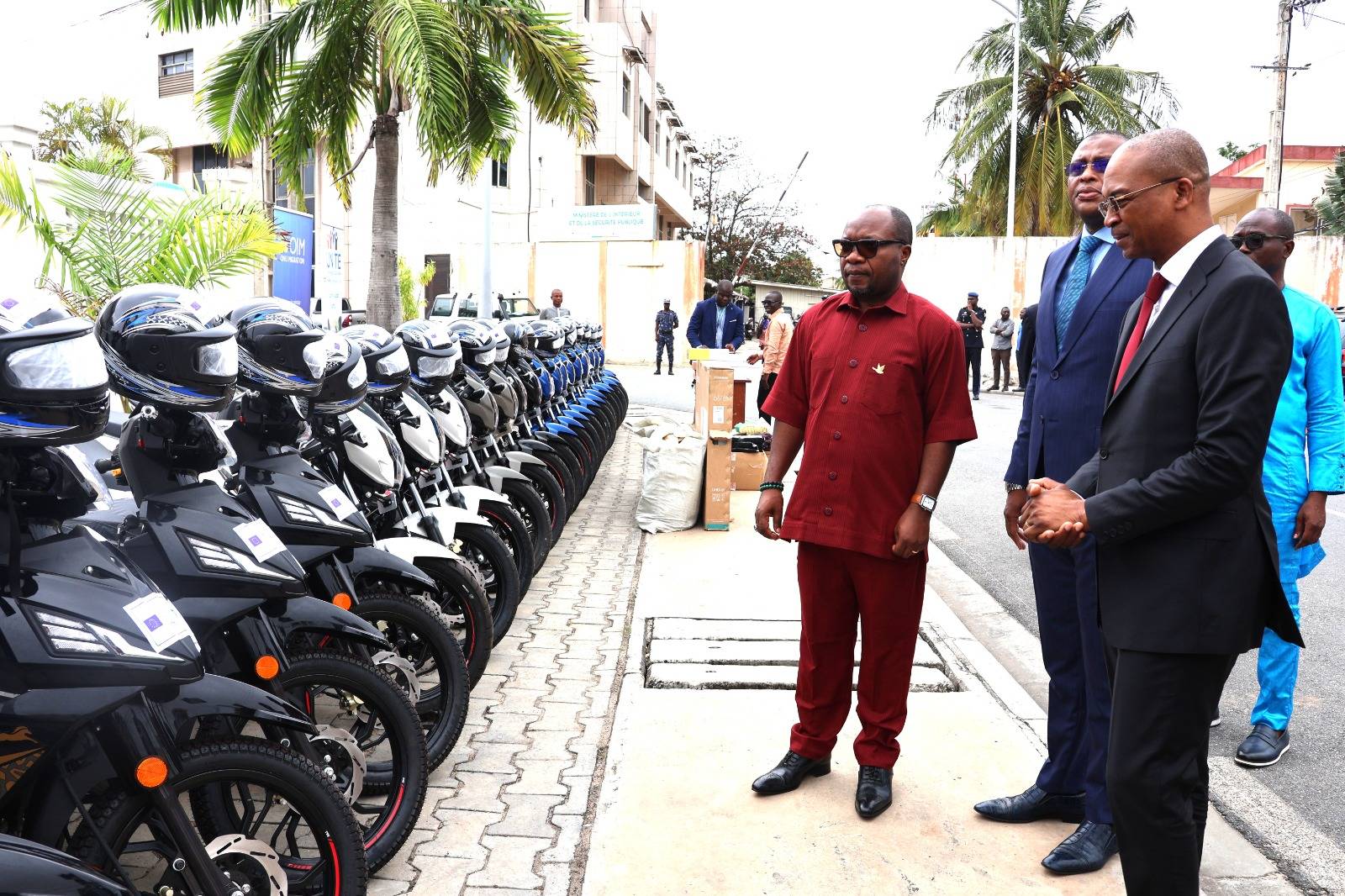
What happens the day a river bursts its banks in a remote corner of Benin and the nearest rescue brigade is hours away? That question hung over the Ministry of the Interior and Public Security in Cotonou on Tuesday 22 September 2026, when the Beninese Civil Protection Agency (ABPC) took delivery of a substantial batch of vehicles, IT equipment and logistics accessories financed by the International Organization for Migration (IOM). The stakes go well beyond a ceremonial handshake: crisis management, the protection of vulnerable communities and border security all depend…
Read MoreWhat is Burkina Faso really buying with its 300 Nanga armored vehicles?
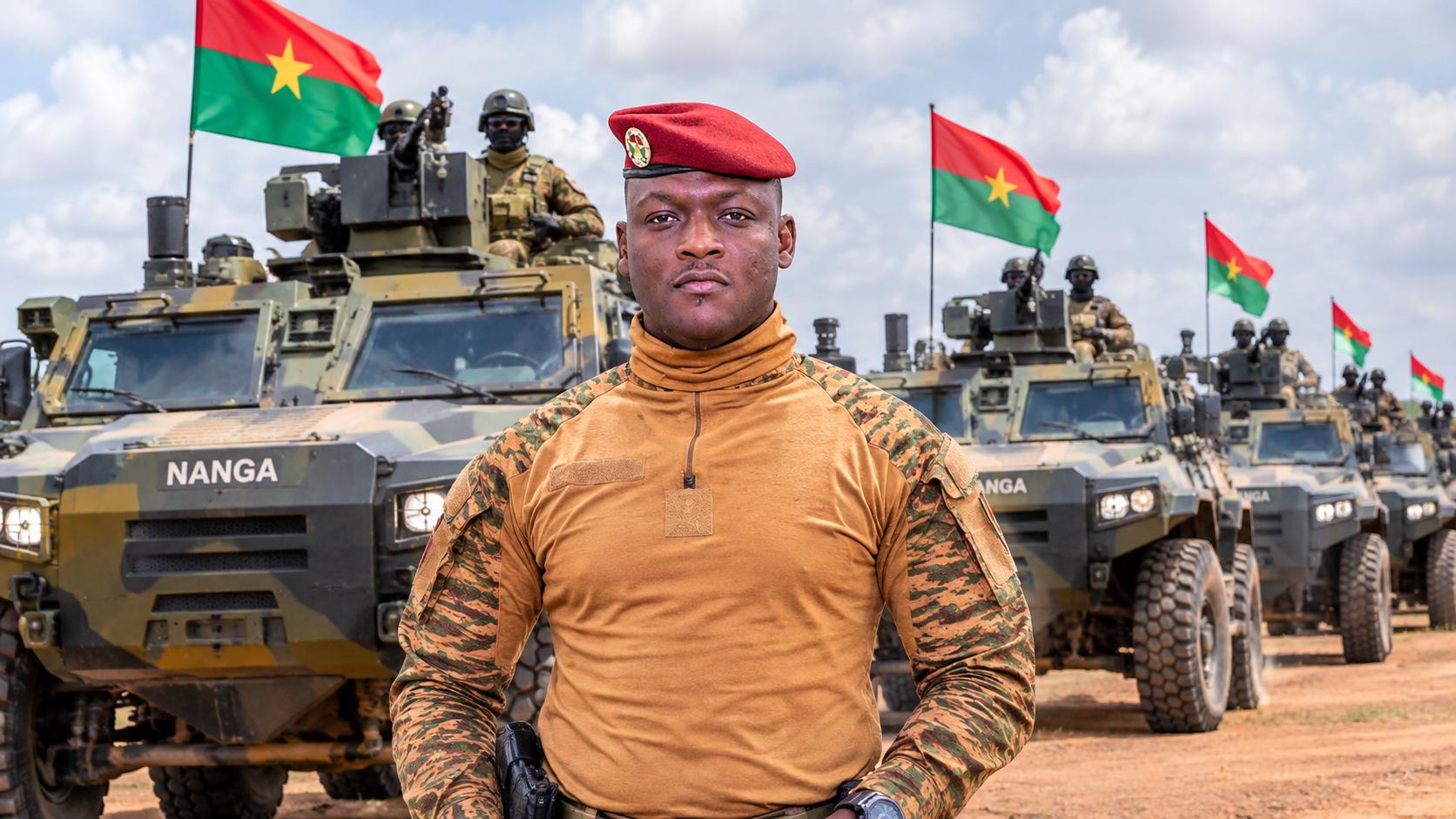
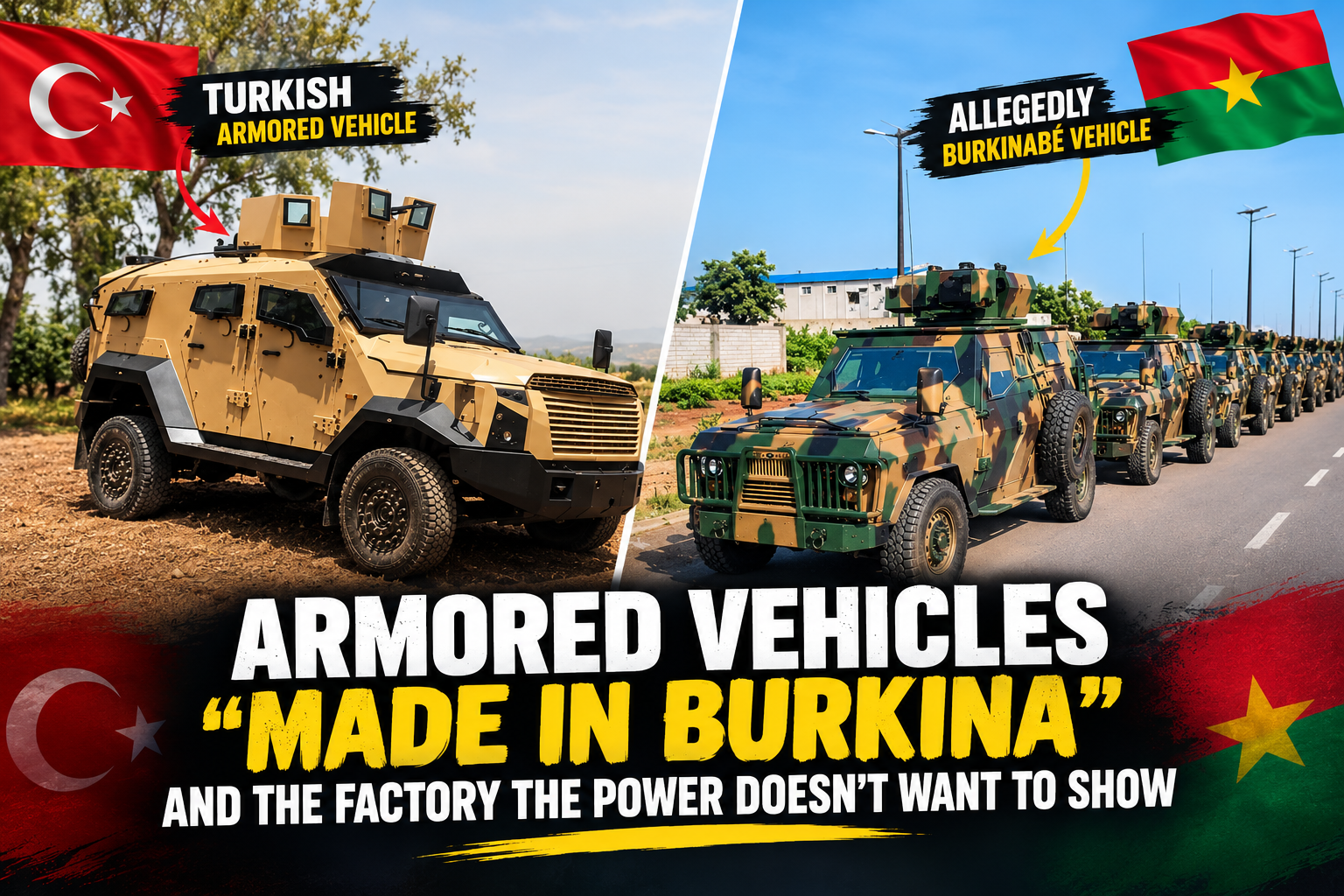
Three hundred armored vehicles delivered in under a year, in a country that has never run a certified ballistic steel foundry, and an assembly plant that no journalist, auditor or lawmaker has ever been allowed to walk through. That is the claim coming from the very top of Burkina Faso’s transitional government — and it leaves one question hanging over the whole program: how much of the “Nanga” story is industrial reality, and how much is a curtain pulled down over the largest defense purchase in the country’s recent history?…
Read MoreAfter Goïta’s independence address: what do Malians actually stand to lose?
The independence day message delivered to the nation by the head of the Transition, army general Assimi Goïta, was built on a triumphant register: promises of economic growth, praise for a military on the rise and a heavy dose of sovereignty rhetoric. Yet the decisive question is not how forcefully that narrative was delivered from the podium — it is what happens to ordinary Malians when the promises are measured against the facts on the ground. That gap, and the price attached to it, is where the real stakes of…
Read MoreThe Nanga dilemma: what Burkina Faso stands to lose if its ‘made in Burkina’ armour claim cracks
Nearly 300 armoured vehicles, a company nobody has ever seen, and a slogan: “made in Burkina Faso”. When Burkina Faso’s military leader, Ibrahim Traoré, presented the Nanga vehicles on 21 September as fresh proof that his country can equip its own army, he opened a debate that has not closed since. The reason is straightforward: the one piece of evidence capable of ending it a verifiable production line has never been put on display. Traoré says close to 300 vehicles have been produced or adapted in Burkina Faso since November…
Read MoreSévaré airbase raid: what is Mali’s arsenal really protecting?
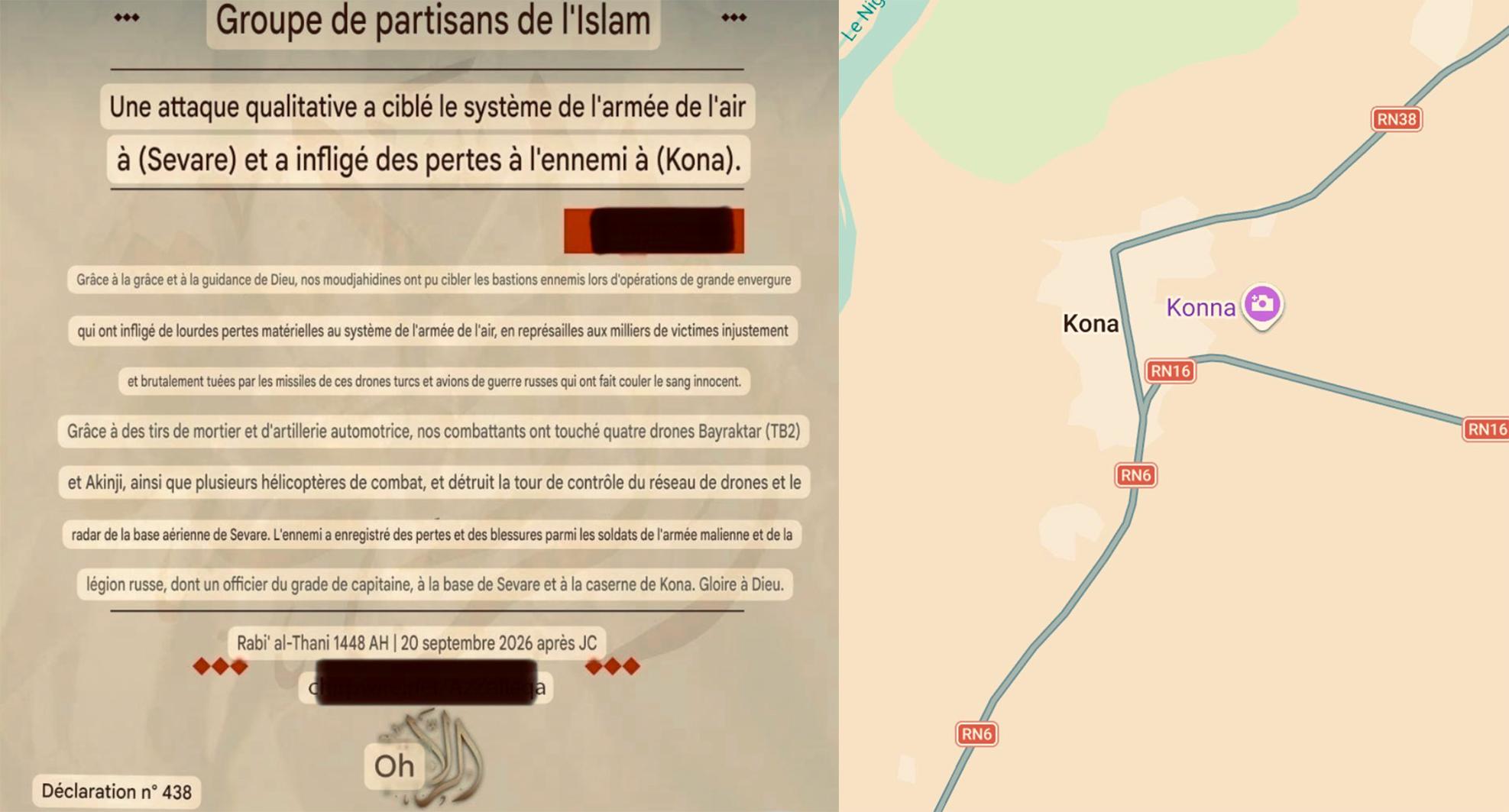
What is Mali’s security model actually protecting? That is the uncomfortable question left behind by the assault on the Sévaré airbase and the Konna barracks, claimed on Sunday 20 September by the Group for the Support of Islam and Muslims (JNIM), Al-Qaeda’s branch in the Sahel. The strike does not simply add another incident to a crowded list. It puts the central wager of Bamako’s defense policy on trial: the idea that sophisticated hardware, fresh alliances and a clean break with Western partners would finally secure the country. In its…
Read More