Sèmè crude is back: what does Benin really gain from a 250,000-barrel cargo?
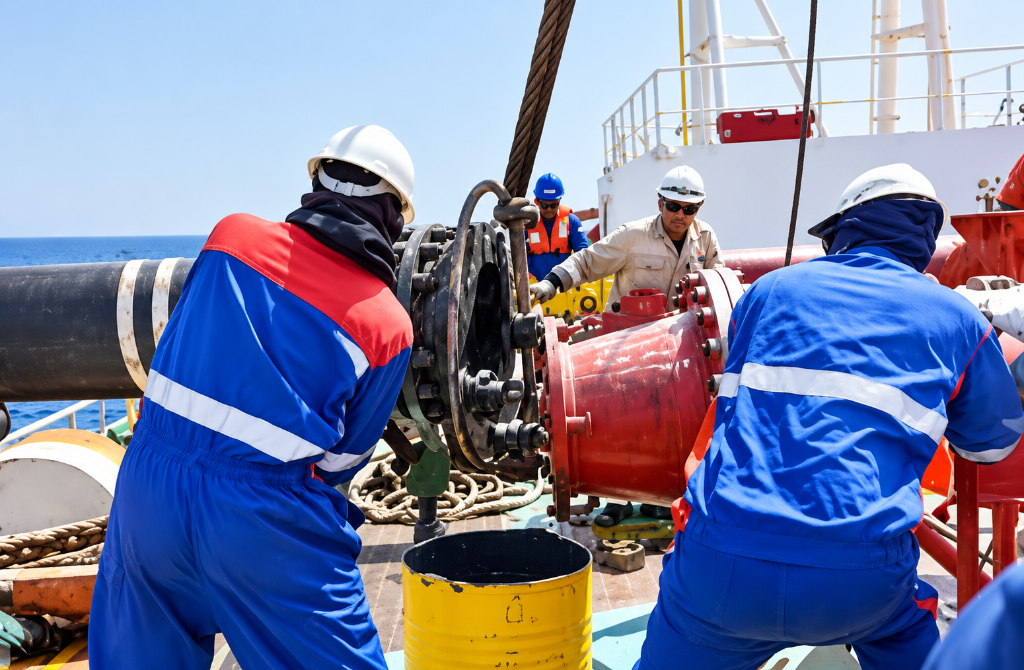
Benin is preparing to load and sell its first cargo of crude oil in decades — close to 250,000 barrels lifted from the offshore Sèmè field and bound for international buyers in October 2026. The real question is no longer whether the shipment will leave the terminal, but what the country can honestly expect to get out of it. The stakes reach far beyond a single tanker. A first sale of crude writes the international “identity card” of a nation’s oil, sets the benchmark for everything that follows, and tests…

Read More

Is Mali’s security bet on Moscow paying off? What the fall of Dioura means for the Sahel

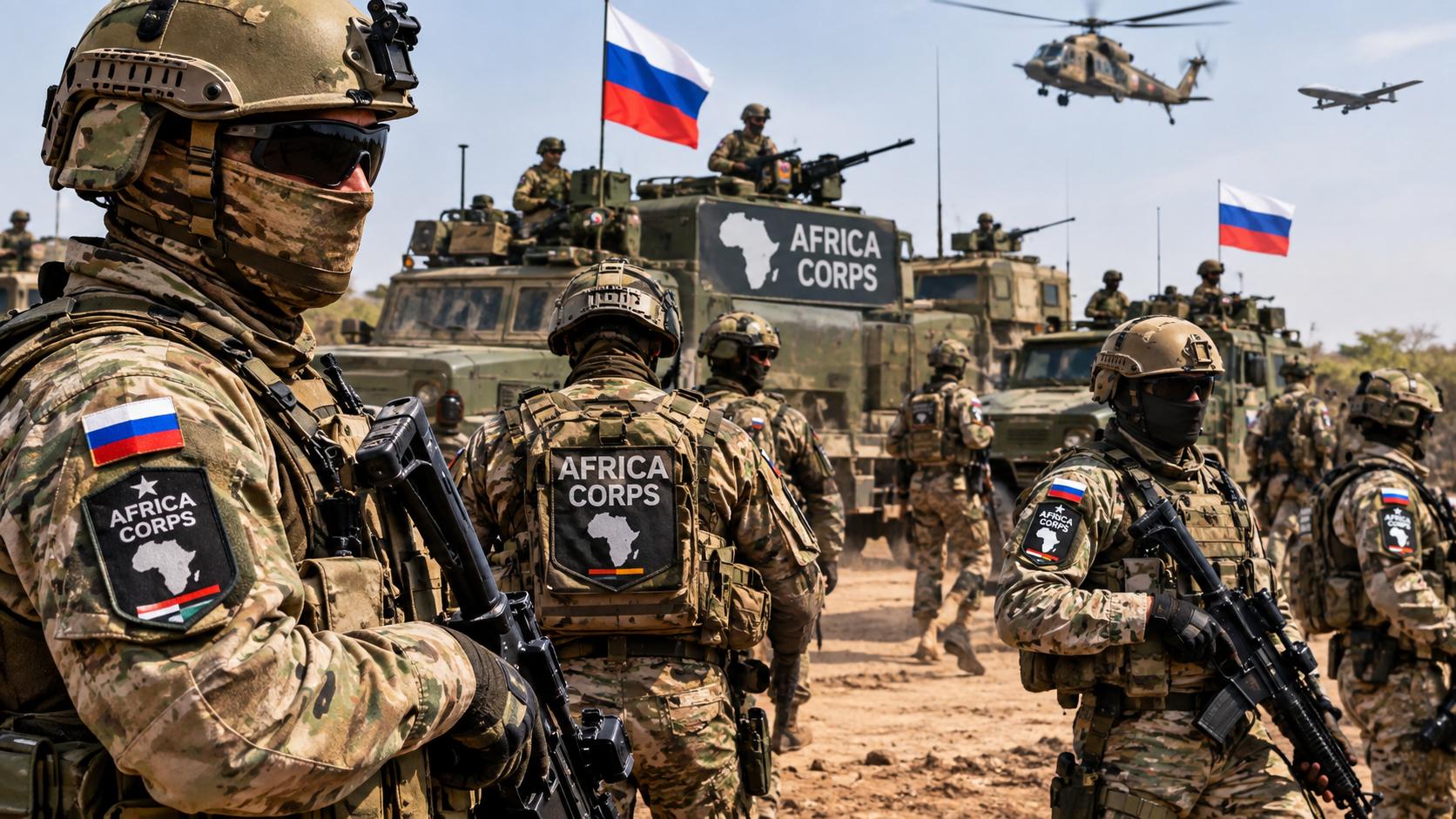
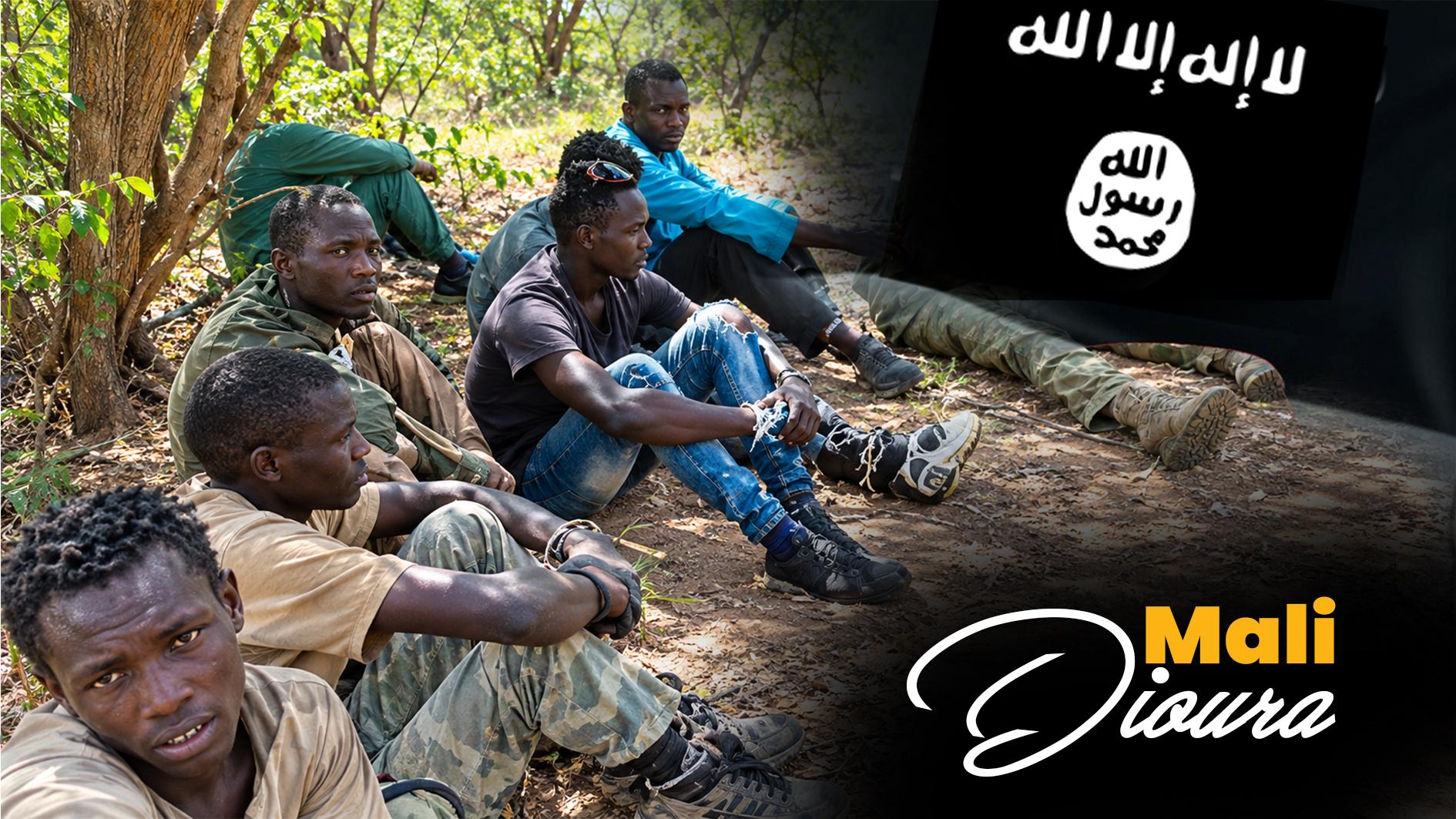
How much longer can the Alliance of Sahel States keep presenting its security model as a success story? That is the awkward question now hanging over Mali, Burkina Faso and Niger after the assault on Dioura — a defeat that has reopened the most sensitive debate of all: is the presence of Russia’s Africa Corps genuinely altering the course of the war, or simply adding firepower to a losing equation? What happened at Dioura, and why the casualty figures matter On 10 September, the Malian military camp at Dioura, in…

Read More

One writer, one hundred years: what is at stake in Olympe Bhêly-Quenum’s centenary?

The anniversary brings its own question: a century after his birth in Ouidah, does Olympe Bhêly-Quenum still carry the same weight in African letters? The novelist, journalist and literary critic, born on 20 September 1926, has now crossed the full hundred-year mark, and his name remains attached to one of the most enduring bodies of French-language writing produced on the continent in the second half of the 20th century. Yet the real stakes of the moment lie less in the tributes than in what the literary world does with them.…

Read More

Mali’s hardest question: keep paying 514 billion FCFA to Russian forces or rescue public services?

How long can Bamako keep paying for Russian firepower while its own citizens wait for electricity, medicine and classrooms? That is the question now weighing on Mali’s transition government, and the arithmetic behind it is difficult to defend. Once cash transfers, equipment purchases and mining concessions are added together, the cumulative bill for Russian paramilitary forces — the Wagner Group and its successor Africa Corps, now placed under the direct supervision of the Kremlin’s defence ministry — has climbed past 514 billion FCFA, or roughly 850 million dollars. Against a…

Read More

Molodo ambush: the question Bamako refuses to ask about its Russian alliance

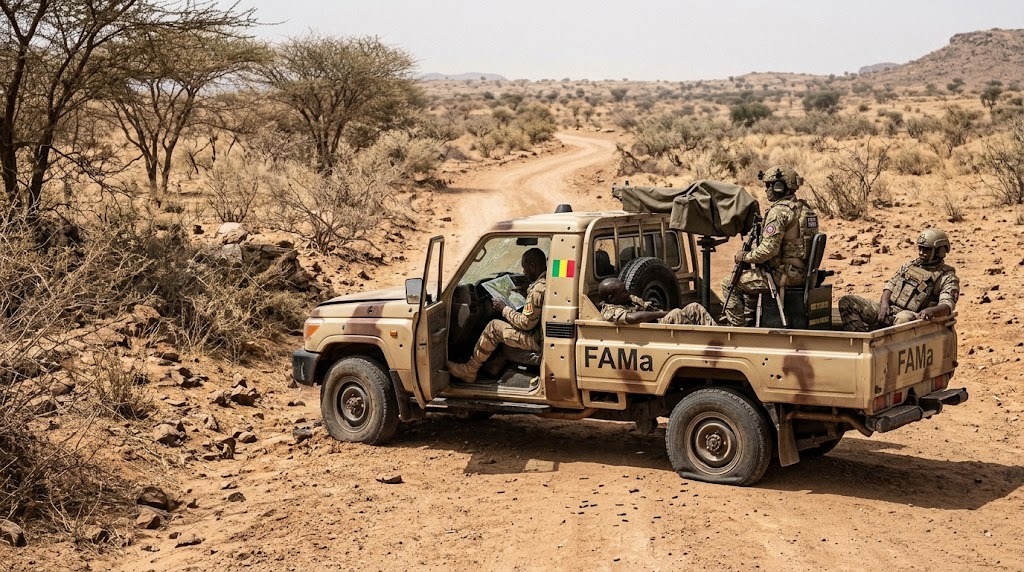
At Molodo, along a dust-choked track between Diabali and Niono, a question Bamako has dodged for four years was settled in a matter of minutes. On 20 September 2026, a joint patrol of Malian armed forces (FAMa) and Russian Africa Corps paramilitaries collapsed under fire from an ambush laid by the Group for the Support of Islam and Muslims (JNIM, an Al-Qaeda affiliate). The ambush unfolded in the Ségou region, an area the central government presents as firmly under its control. The men sent from Moscow reverted to familiar reflexes:…

Read More

United Russia’s 355 seats: what does a landslide without an anti-war option actually settle?

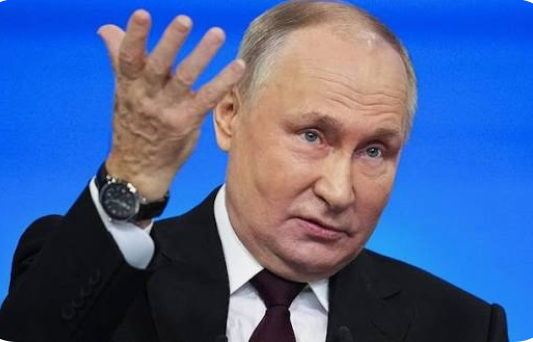
The result is not in doubt: United Russia, the party of Vladimir Putin, has taken 355 of the 450 seats in the Douma. The question worth asking is a different one — what exactly did that landslide measure, in a country where voters who oppose the war in Ukraine were never handed a genuine anti-war option to support? The figures behind United Russia’s two-thirds majority Preliminary results from Russia’s parliamentary elections hand a decisive win to United Russia, the ruling party tied to President Vladimir Putin. According to figures released…

Read More

A gamble or a trap? The stakes behind Ukraine’s strikes on Moscow’s oil heartland

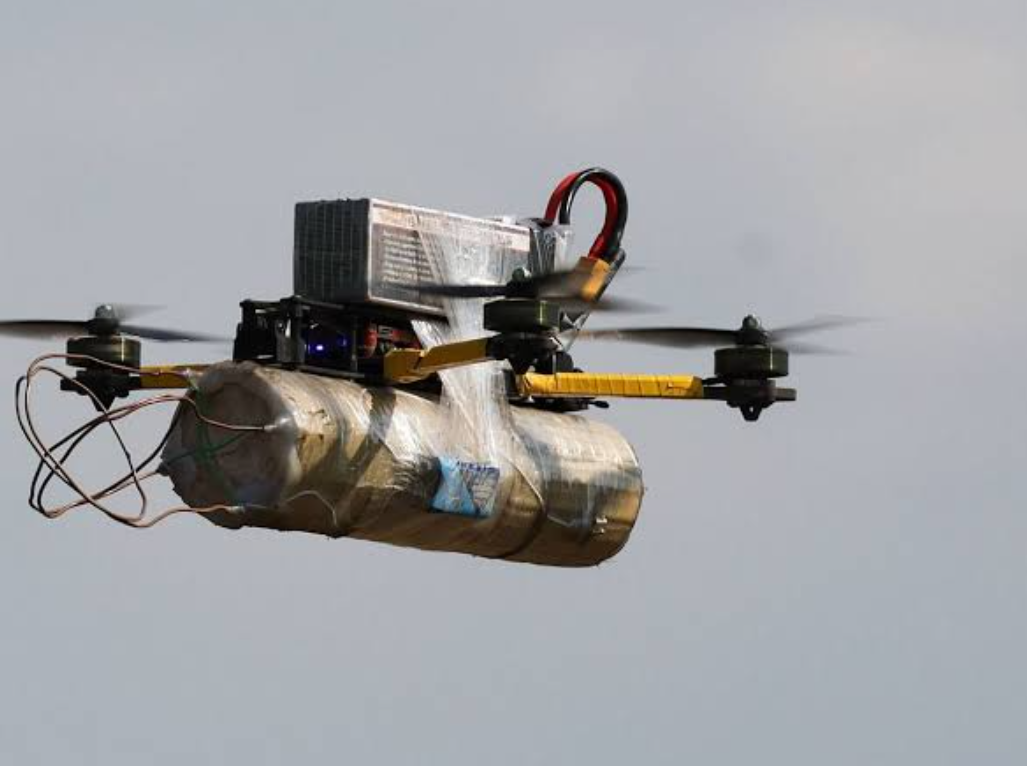
The question hanging over this war is no longer whether Ukraine can reach deep inside Russia — it plainly can. It is whether striking Moscow’s oil infrastructure will push the Kremlin to rethink its strategy, or whether it will simply feed an escalation spiral that neither side can control. That is the real dilemma exposed by the overnight operation against the Moscow region. What unfolded over the Moscow region During the night of 19 to 20 September, the Moscow region absorbed one of the heaviest waves of Ukrainian drones and…

Read More

What’s really at stake as Benin’s ARS starts its second term: can health rules finally bite?

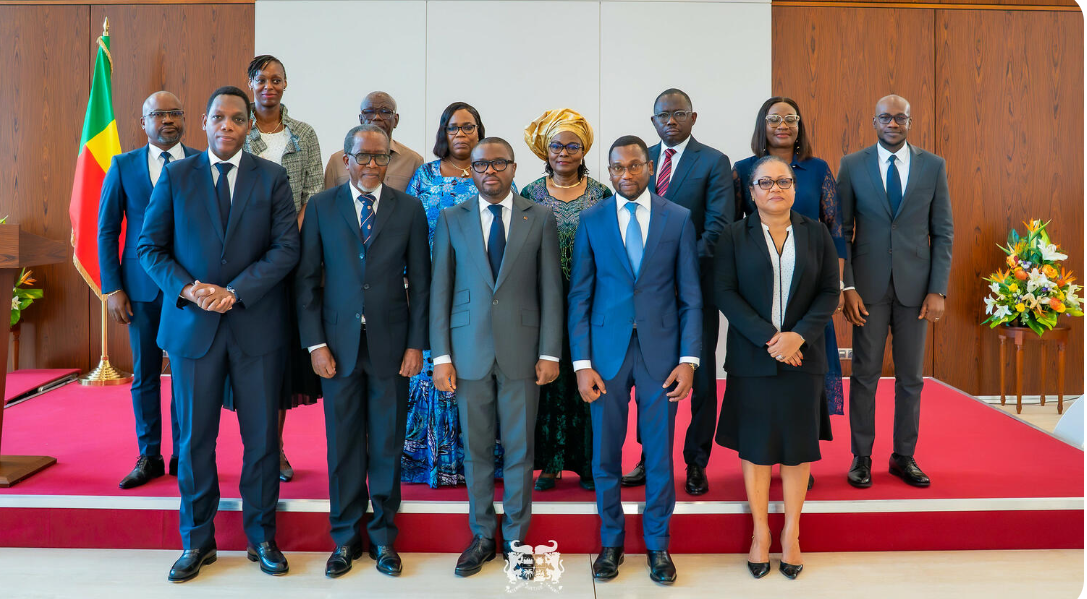
Benin’s health regulator has a new board, a fresh mandate and a promise that sounds familiar: make the rules count. The real question hanging over this second term of the Health Sector Regulation Authority (ARS) is whether it will be remembered for oversight that genuinely changes practice on the ground — or for another set of ambitions that stay on paper while patients carry the risk. A ceremony at the Marina palace, and a mandate now under scrutiny The new college of the ARS was formally installed on Friday 18…

Read More

Whose strategy, whose sacrifice? Mali’s army and the unresolved cost of its security promise

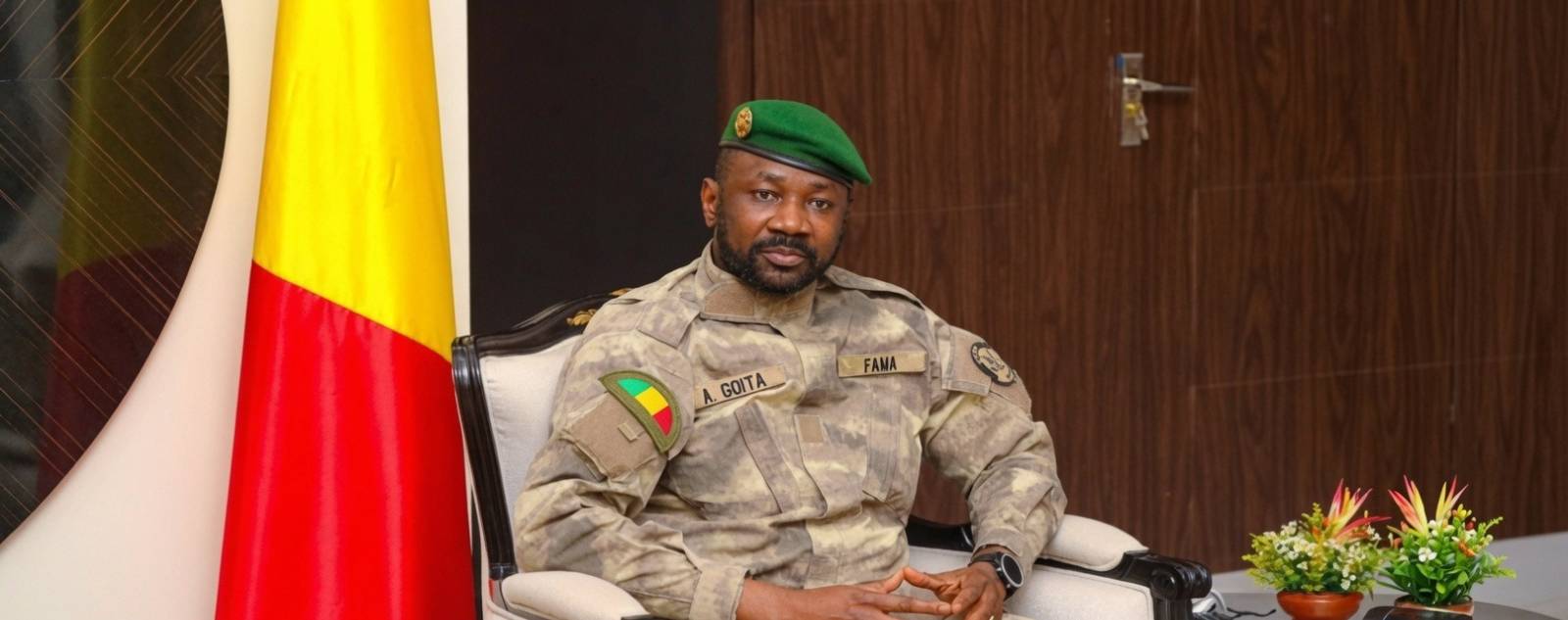
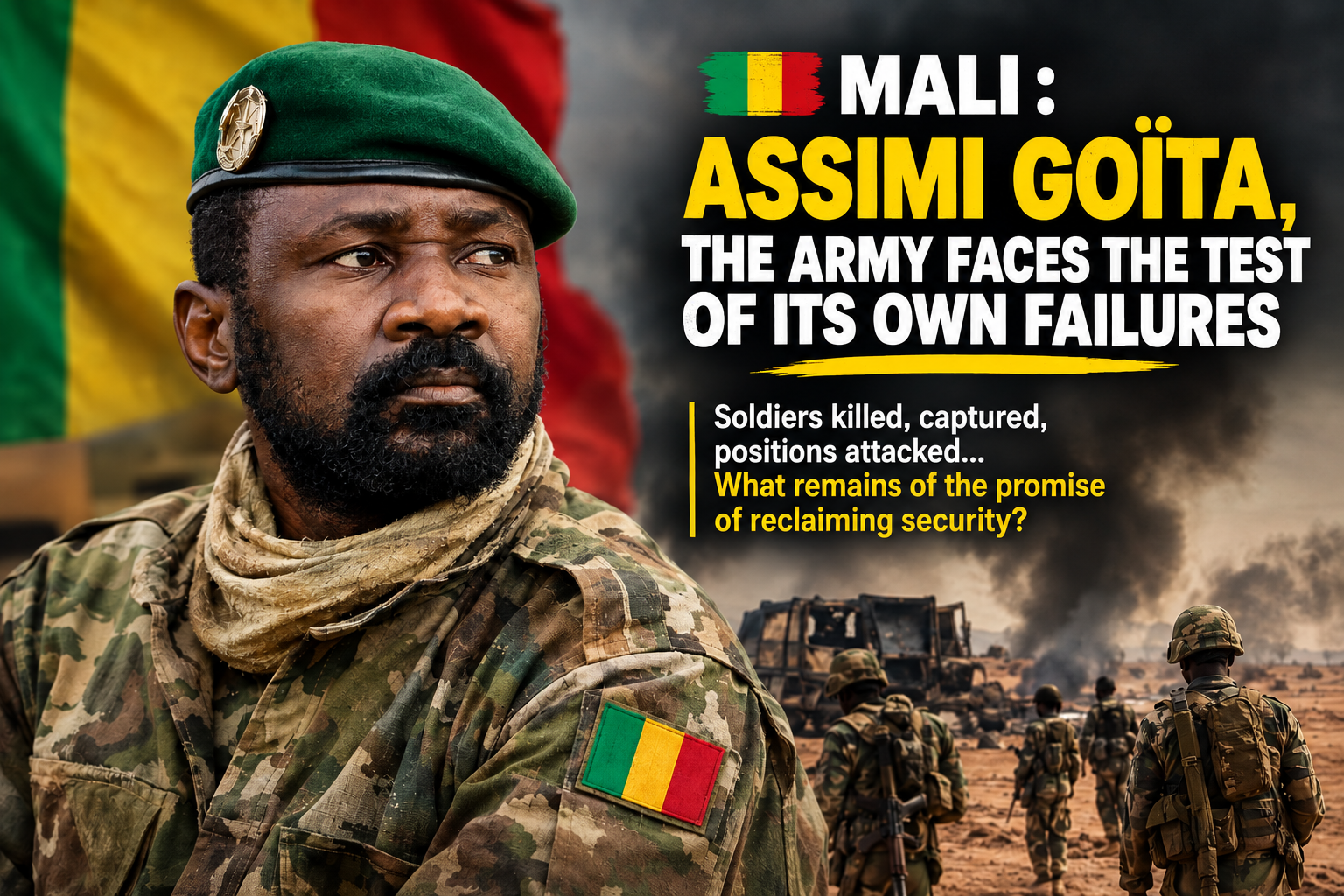
Behind the body counts, the captured soldiers and the overrun positions lies a question the authorities in Bamako have yet to answer: what remains of the promise to reconquer the national territory that Assimi Goïta’s government has placed at the centre of its legitimacy? Two realities that no longer align A gap has become impossible to ignore between the rhetoric of strength projected from Bamako and conditions on the ground. For several months, Malian forces have absorbed particularly heavy losses against JNIM and the Azawad Liberation Front (FLA). Systematically accusing…

Read More

Can Tiani still trust his own soldiers? The unanswered questions and the high stakes behind Niger’s August mutiny

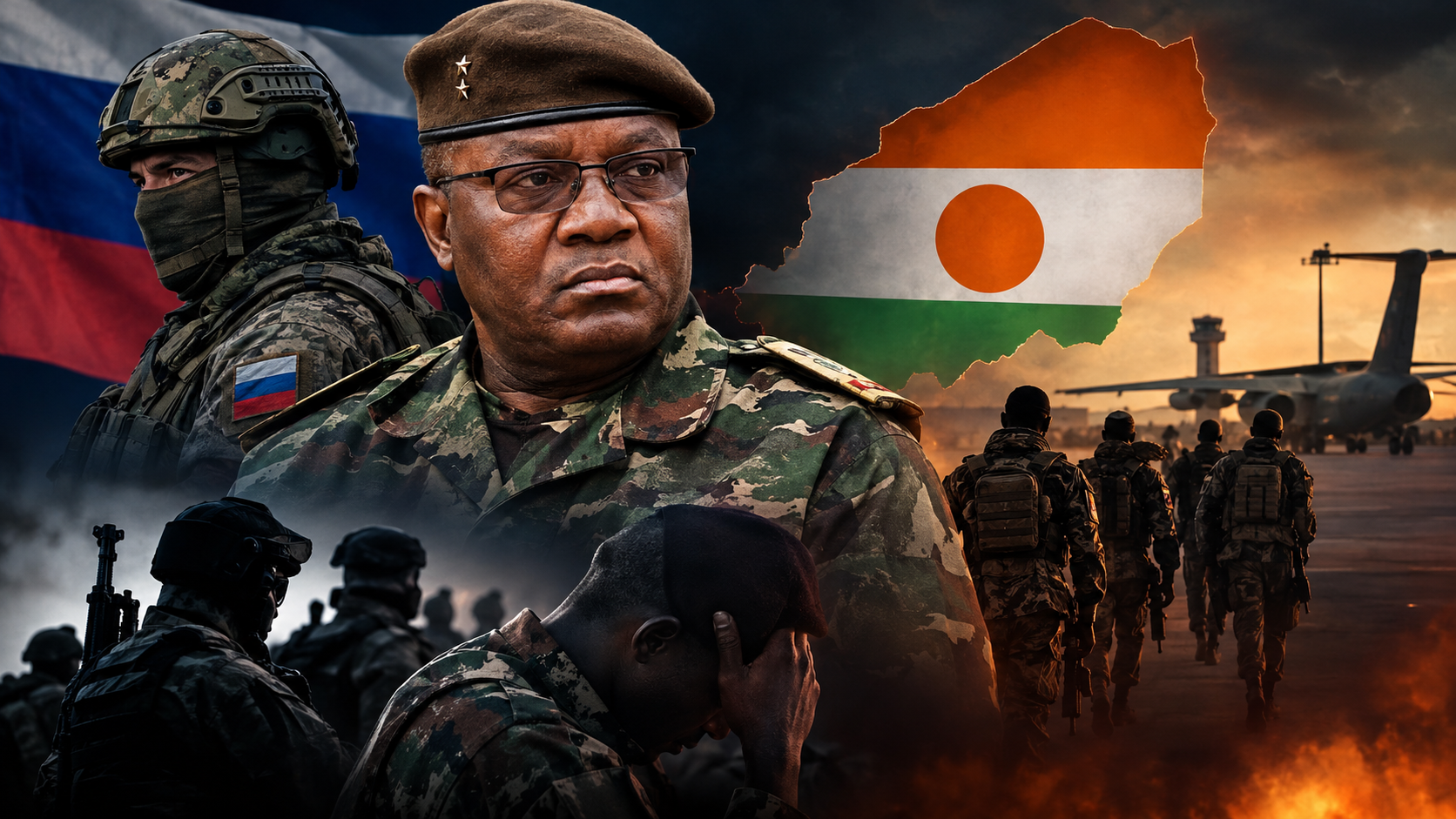
How far was Niger’s ruling military prepared to go to force its own soldiers back into line? That is the question hanging over Niamey after the events of the night of 28 to 29 August 2026 an episode that remains one of the most opaque of Abdourahamane Tiani’s tenure. Soldiers, most of them young men drawn from the special forces, turned against their command. Base 101 at Diori-Hamani international airport, several sensitive installations and the perimeter of the presidential palace were targeted. For nearly twenty-four hours, the military leadership lost…

Read More

Officers in the classroom, families on the road: what is Burkina Faso’s militarisation really protecting?

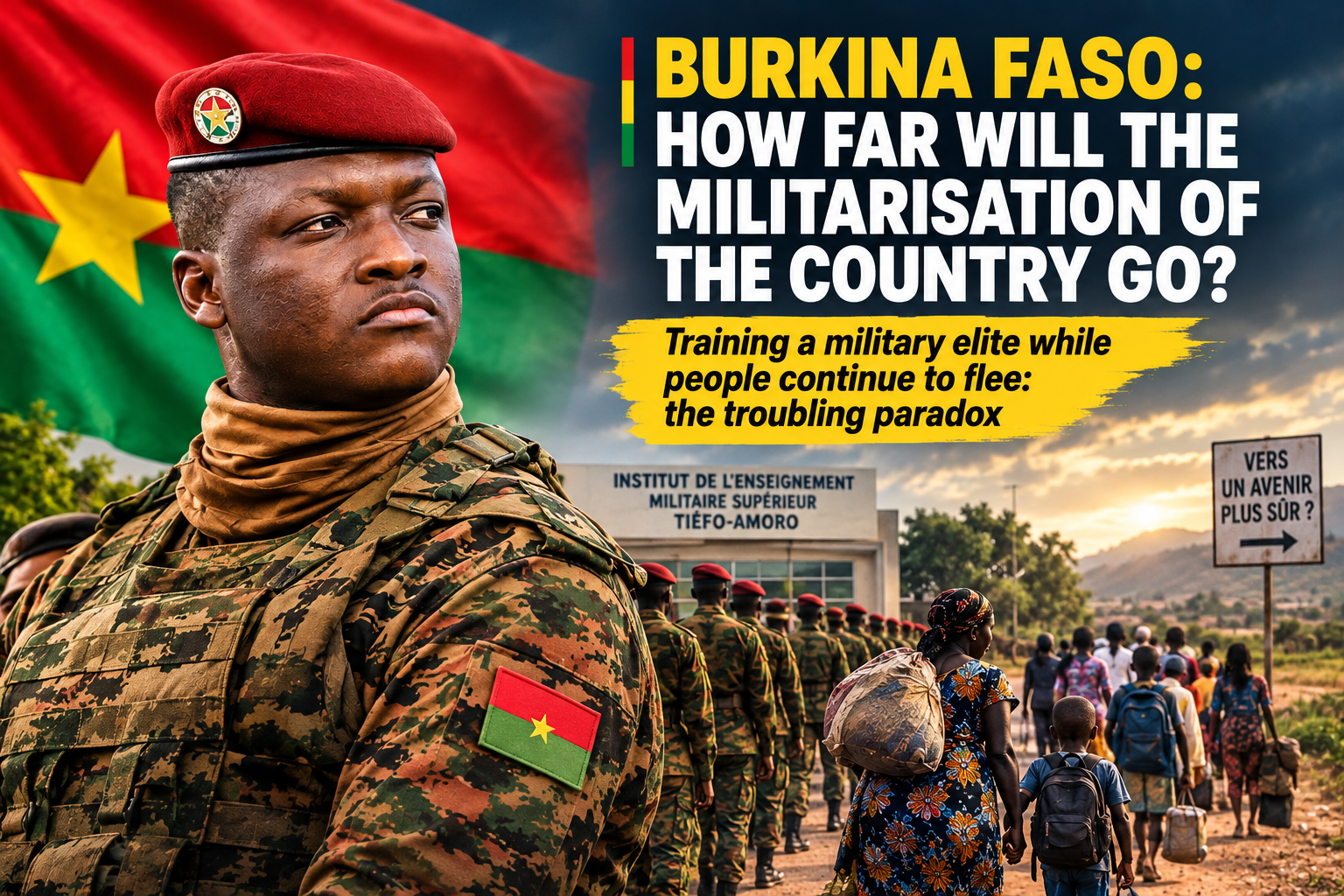
Burkina Faso has made a clear choice: the country will train its own military elite instead of sending its officers abroad. The Institut de l’Enseignement Militaire Supérieur Tiéfo-Amoro, presented under the presidency of Ibrahim Traoré, is described as a decisive step toward strategic sovereignty, with a first cohort of 28 trainee officers schooled in strategy, command, crisis management and geopolitics. On paper, no one can deny a state the right to educate its own soldiers. The real dilemma lies elsewhere. It is about timing, about scale, and about whether the…

Read More

Dioura: denial or disclosure — which path can Mali’s junta still afford?

One sentence was meant to close the file. Asked about the situation around Dioura, Mali’s chief of defence staff replied curtly that there was ‘nothing’ there. Hours later, the Group for the Support of Islam and Muslims (JNIM) answered with a communiqué, photographs and video footage — and the question now hanging over Bamako is a blunt one: can an authority that denies a battle still decide how that battle will be remembered? By claiming the assault with unusual precision, detailing casualties, captives and seized equipment, the Al-Qaeda branch in…

Read More