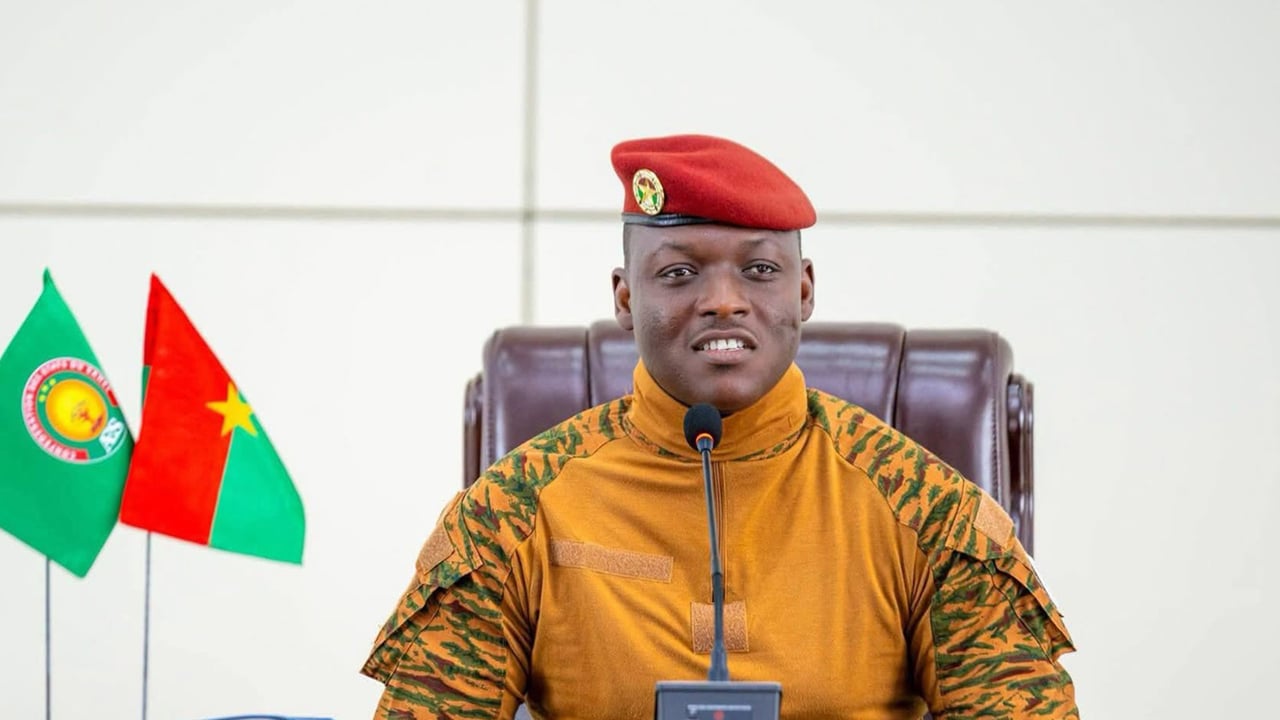
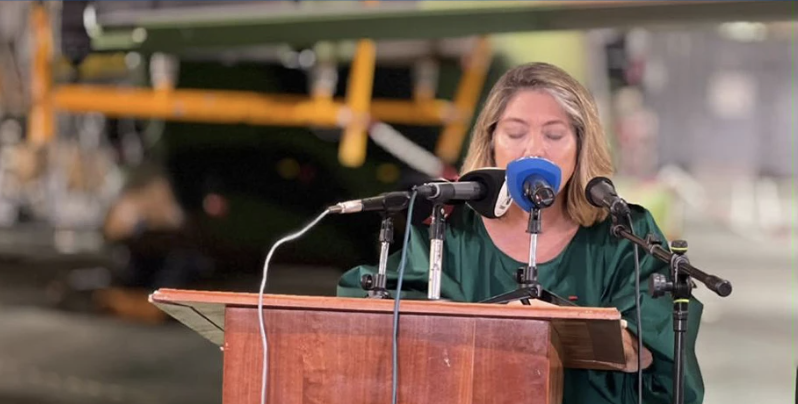
The unexpected parallel between Ouagadougou and Paris Recent remarks by Burkina Faso’s leader, Ibrahim Traoré, have drawn attention from political observers far beyond the Sahel. His language, centred on national sovereignty and resistance to external interference, has been compared to the discourse of French far-right figure Marine Le Pen. The comparison has ignited a broader conversation about what this convergence means for Burkina Faso’s international standing and its domestic political landscape. What the convergence reveals Both figures frame their politics around reclaiming national decision-making from supranational bodies. Traoré’s speeches at…
Read MoreCategory: Politics
Clément Atangana’s death sparks debate over the future of Cameroon’s constitutional council
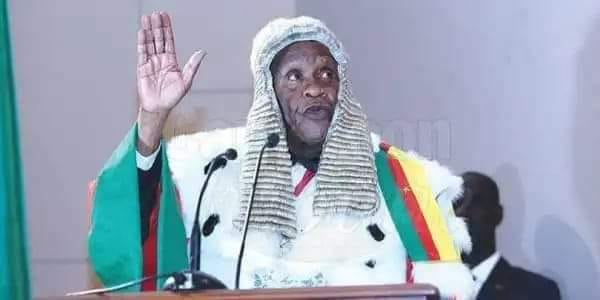
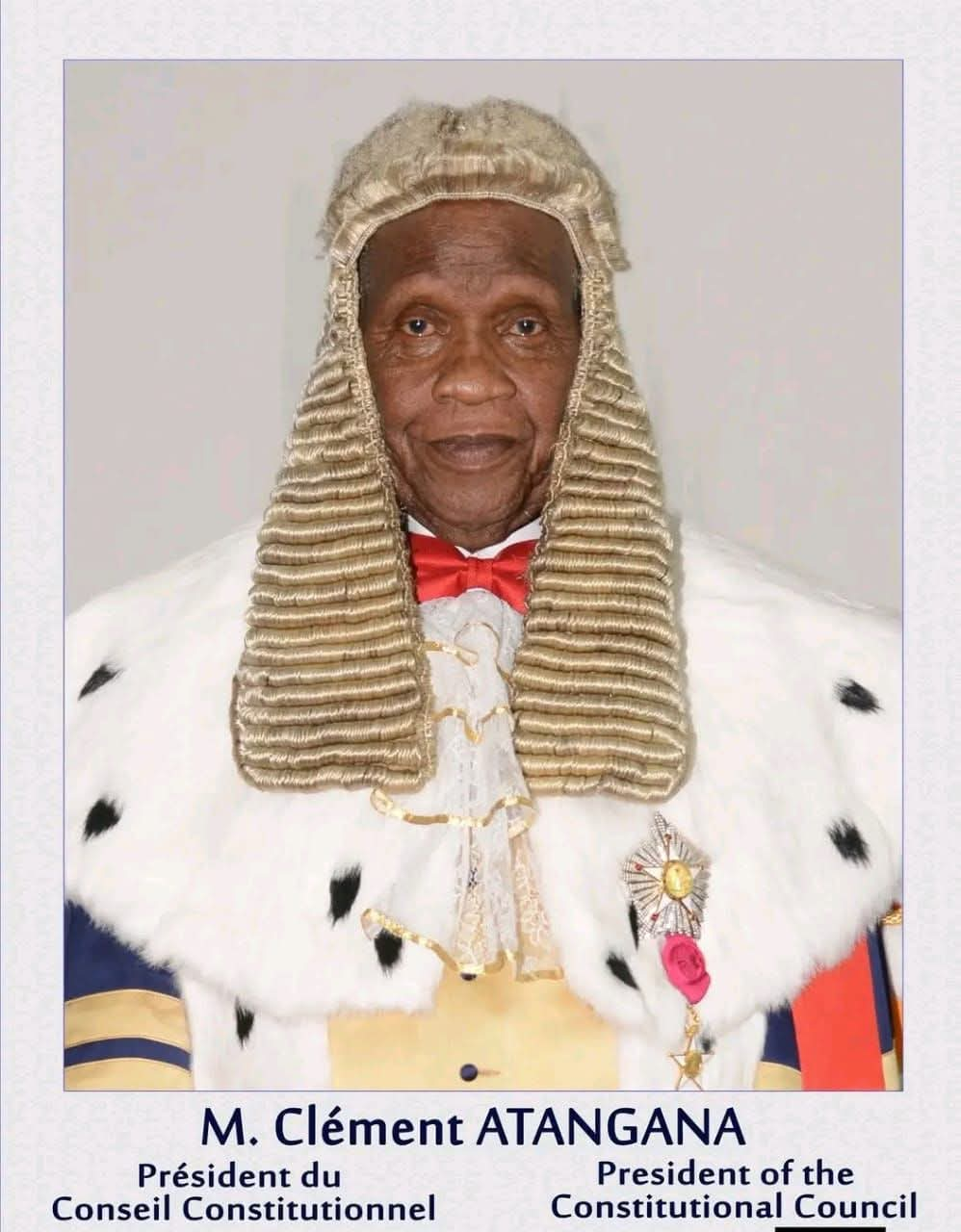
Born on December 20, 1941, in Ekoumeyeck near Ngomedzap, in the Nyong and So’o division, Clément Atangana passed away on October 4, 2026, in Paris, France, after a long illness. His name alone brings to mind a singular institution that he led, crowning a rich career within Cameroon’s judiciary. His deep voice repeatedly pronounced the word “inadmissible,” sealing the fate of petitions filed by political parties and other political actors during major electoral processes. That word became etched in the minds of Cameroonians, carrying weight both literally and figuratively.…
Read MoreGabon’s skills drive: what the reaction tells us about the next economic battle
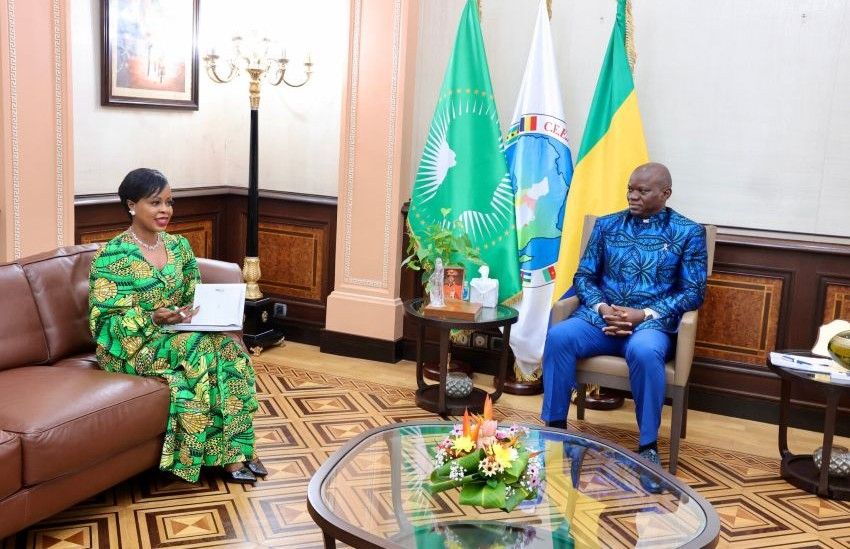
Politics Gabon’s skills drive: what the reaction tells us about the next economic battle Libreville, Sunday 4 October 2026 – The fallout from Gabon’s latest skills announcement is still settling, and the public debate it has triggered goes well beyond the usual ribbon-cutting rhetoric. On 2 October 2026, President Brice Clotaire Oligui Nguema met with the Minister of Commerce, SMEs and SMIs, Zenaba Gninga Chaning, who presented a set of programmes focused on training, job placement and support for young people. The first concrete outcome: 400 young people will be…
Read MoreClément atangana’s passing sparks fresh scrutiny of Cameroon’s constitutional council
The passing of Clément Atangana, Cameroon’s longstanding constitutional council president, in Paris has ignited a fierce national debate over the legacy and future of the country’s top judiciary body. Cameroun’s constitutional council at a crossroads after Atangana’s death The death of Clément Atangana, who led Cameroon’s Constitutional Council for over a decade, has sent shockwaves through the nation’s political landscape. The 85-year-old jurist, evacuated to Paris for advanced medical care, passed away in the French capital on October 4, 2026. Controversial tenure marked by electoral disputes Atangana’s leadership was defined…
Read MoreDakar welcomes French Mistral: public reactions and the future of Senegal-France military ties
Dakar witnessed a significant moment on October 2, 2026, as the French Navy’s Mistral helicopter carrier docked in the capital, sparking intense public debate and scrutiny over the evolving dynamics of Senegal-France military cooperation. High-ranking diplomats and defense analysts weighed in on the implications of this high-profile visit, which many see as more than just a routine naval stop—it signals a potential recalibration of strategic partnerships in West Africa. Public reactions and political fallout The arrival of the Mistral, a symbol of France’s naval prowess and expeditionary capabilities, has ignited…
Read MoreFrench amphibious ship Mistral sparks debate in Senegal over future military ties
Why Dakar is at the center of West Africa’s evolving defense partnerships The arrival of France’s Mistral amphibious assault ship in Dakar this week has ignited a wave of reactions across political circles, security analysts, and public opinion in Senegal. Between October 2 and 6, 2026, the vessel is hosting joint tactical exercises with Senegalese forces—an initiative that underscores shifting dynamics in bilateral defense cooperation. More than a year after France withdrew its permanent military presence from Senegal, this five-day stopover is not merely symbolic; it is setting the tone…
Read MoreDR Congo’s national dialogue sparks mixed reactions: can it heal fractures without undermining institutions?
The unfolding debate over Félix Tshisekedi’s national dialogue initiative Kinshasa, October 2026 — The announcement of a national dialogue in the Democratic Republic of the Congo (DRC) by President Félix Tshisekedi has ignited a fervent public debate. While proponents hail it as a beacon of hope for national reconciliation, skeptics warn of potential constitutional risks. At the heart of the controversy lies a fundamental question: can a structured dialogue process truly bridge deep societal divides without eroding the legitimacy of the state? Political analysts, legal experts, and civil society leaders…
Read MoreSenegal’s special funds battle: what happens when parliament and presidency clash over transparency
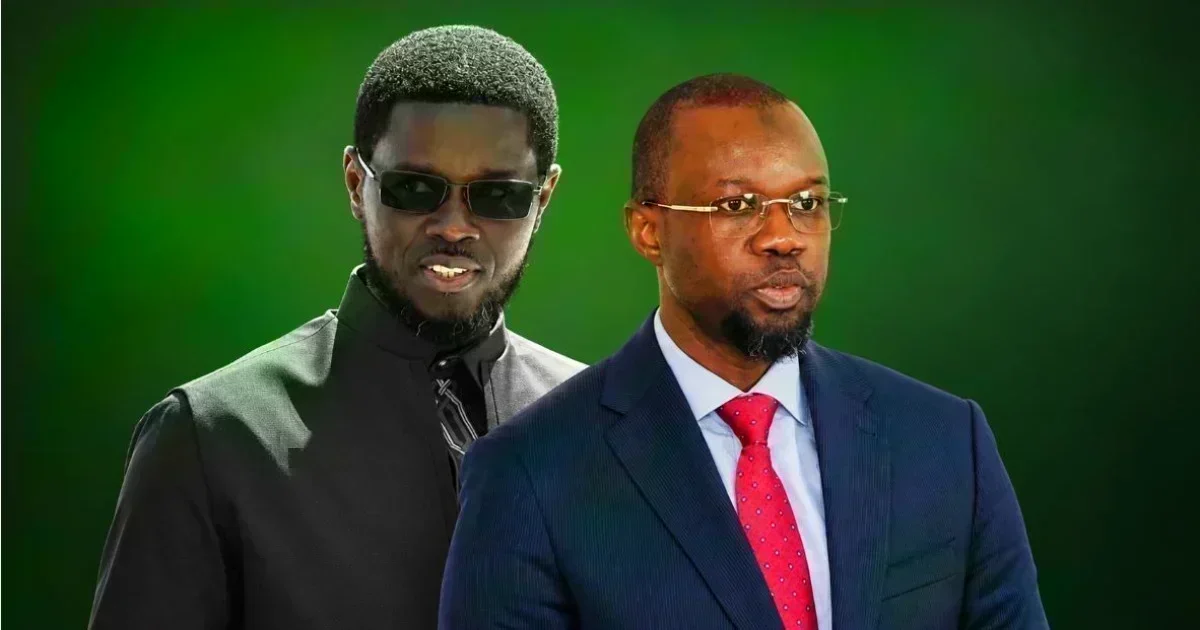
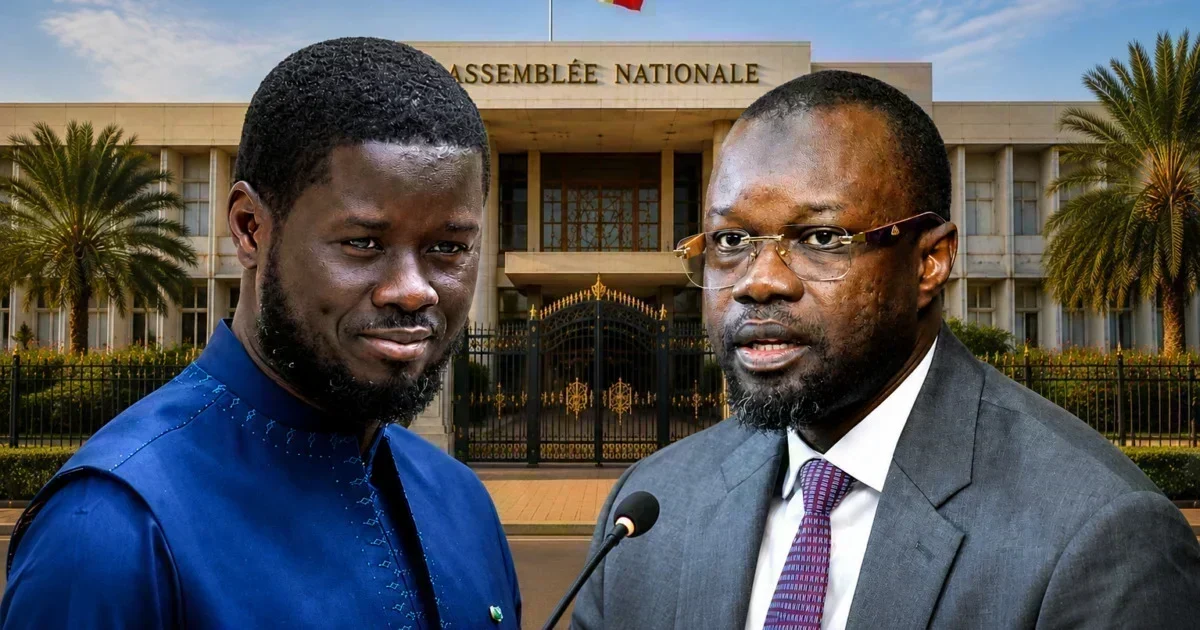
After another showdown, Senegal’s constitutional council faces a pivotal ruling The latest chapter in Senegal’s ongoing budget transparency saga has reached a critical juncture. On October 1, 2026, the National Assembly, led by opposition leader Ousmane Sonko, pushed through a controversial organic law reforming special funds despite fierce resistance from President Bassirou Diomaye Faye’s administration. Now, the constitutional council must weigh in—again—on a dispute that has exposed deep divisions over executive power, fiscal oversight, and the limits of parliamentary authority. How Senegal’s parliament defied the executive on special funds Lawmakers…
Read MoreDR Congo’s silent tragedy: why justice remains elusive after decades of war
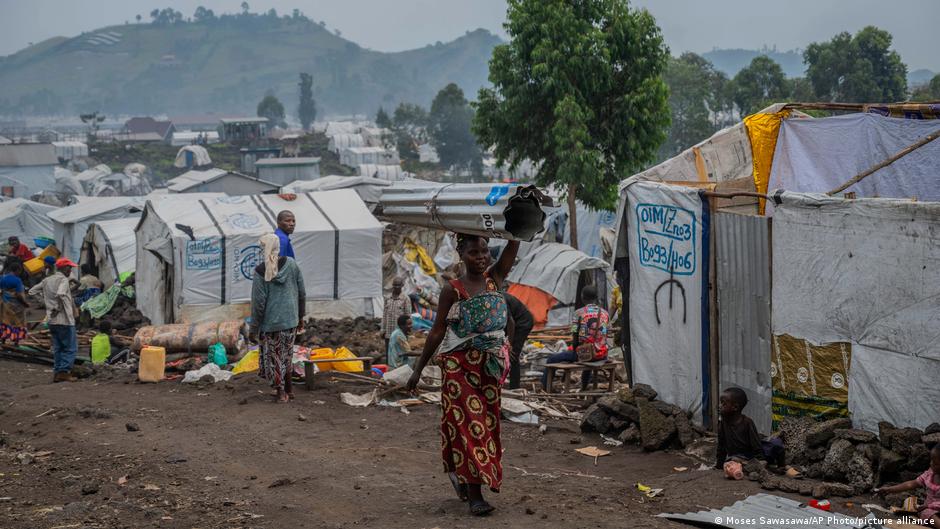
In the Democratic Republic of Congo, a landmark campaign is demanding accountability for crimes that have spanned generations. The six million signatures being collected are not just numbers—they represent a growing chorus of voices calling for an end to impunity and a reckoning with the past. After 30 years of conflict, victims still await justice From the rebel-held territories of North Kivu to the displaced camps in Kinshasa, Congolese citizens are uniting behind a single message: justice cannot wait. The “6 Million Voices for Justice in Congo” campaign, spearheaded by…
Read MoreIvory Coast draws the line: rejecting US third-country deportation scheme amid sovereignty debate
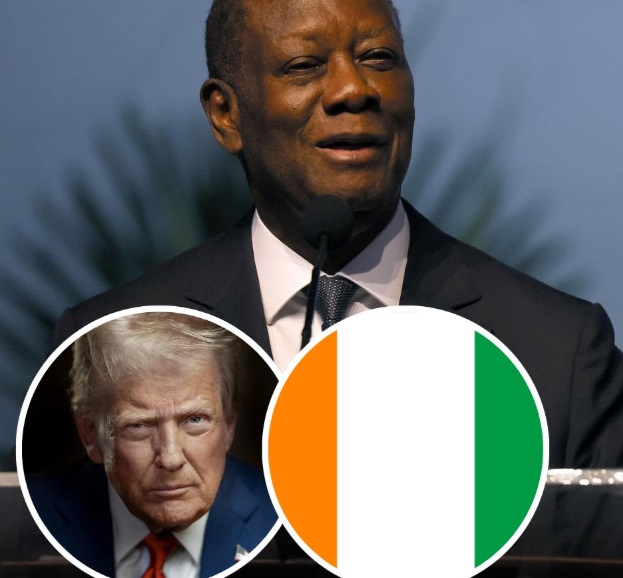
The Ivory Coast has firmly rejected a recent US proposal to accept deportees from the United States, regardless of their nationality. This decision marks a significant turning point in West African responses to Washington’s expanding third-country deportation policies. In mid-June 2026, Christian Ehrhardt, Director of the US State Department’s Office of Remigration, traveled to Abidjan as part of a broader diplomatic mission across West and Central Africa. His objective was clear: secure agreements with African governments to accept non-citizens expelled from the US. The talks in Côte d’Ivoire, however, did…
Read MoreSenegal’s local elections: a critical tipping point for President Bassirou Diomaye Faye
The clock is ticking for President Bassirou Diomaye Faye as Senegal’s local elections approach—a decisive moment that could redefine his presidency. With time working against his administration, analysts warn that delays in holding these crucial polls may be accelerating political instability across the nation. Why these local elections matter for Senegal’s future Local elections are often viewed as a barometer of national political sentiment, and Senegal’s upcoming vote is no exception. The outcomes will shape governance at the municipal level, influence public trust in the government, and set the stage…
Read MoreSenegal’s critical juncture: How Ousmane Sonko could reshape the 2026 budget battle
In a dramatic shift of power, Ousmane Sonko now holds the presidency of Senegal’s National Assembly, giving him unprecedented leverage to challenge Bassirou Diomaye Faye’s 2026 budget rectification law—a decision that could redefine the nation’s economic trajectory amid IMF negotiations and public discontent. From Prime Minister to Parliament Speaker: A Power Shift in Dakar The political landscape in Dakar has undergone a seismic transformation. Ousmane Sonko, once the Prime Minister under Bassirou Diomaye Faye, now occupies the speaker’s chair in the National Assembly, a role that comes with constitutional tools…
Read More