Burkina Faso’s leading Sunni imam Mohamad Ishaq Kindo arrested in Ouagadougou
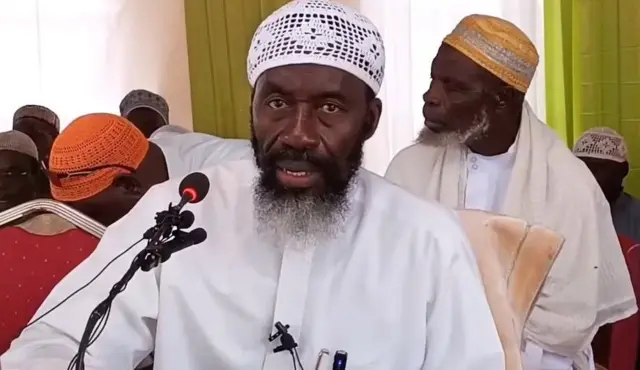
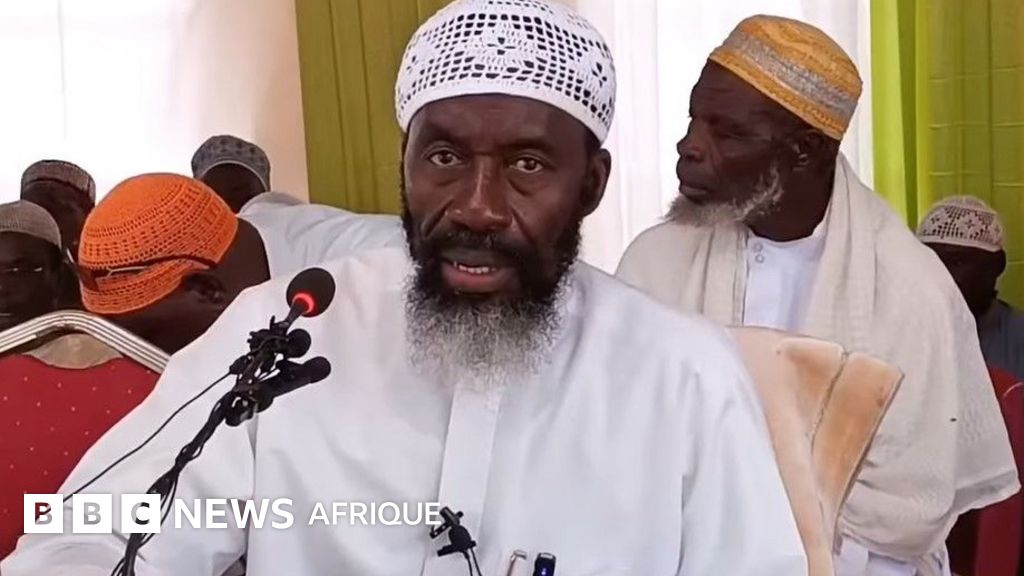
Ouagadougou, Burkina Faso — The arrest of influential Sunni imam and preacher Mohamad Ishaq Kindo has sent shockwaves through the nation. The religious leader was detained on Tuesday, May 26, by security forces in the capital, with no official explanation provided for his whereabouts or the reasons behind his arrest.
The move comes just 48 hours after Kindo publicly criticized a newly adopted religious freedoms bill, passed by authorities on March 19. According to close associates and representatives of the Muslim community, his comments were seen as a direct challenge to the government’s tightening grip on religious practices.
The Federation of Islamic Associations of Burkina Faso (FAIB) issued a statement hours after the arrest, confirming that Kindo had been taken into custody “under circumstances where official motives remain undisclosed.” The organization announced it had initiated formal inquiries with relevant authorities to obtain clarity and seek his swift release.
Violent arrest sparks community outrage
A witness close to the imam described the operation as forceful and unsettling. Around 2:00 PM local time—just one day before the celebration of Eid al-Adha—the imam was reportedly seized by masked security personnel, including police and military officers. Local followers attempted to intervene, leading to a tense confrontation.
“The situation turned aggressive as believers gathered around him tried to block the arrest,” the witness recounted. Several Muslim worshippers sustained injuries during the altercation, according to another source within the community.
Days earlier, a widely shared audio recording of Kindo’s sermon had circulated on social media. In it, he condemned the new religious freedoms bill, urging authorities to “reconsider the consequences of their actions” before imposing restrictions on religious expression.
Among his remarks: “Let everyone beware of attempting to ban prayers in public spaces. Whether you are a leader or a strongman, you hold neither the strength nor the power of God.”
Protests erupt after detention
Public reaction to the arrest was immediate. Within hours, hundreds of Kindo’s supporters took to the streets of Ouagadougou, demanding his release. Demonstrators were dispersed using tear gas, a local protester confirmed.
The FAIB issued a call for calm among the faithful, urging restraint and patience while awaiting further developments.
Government remains silent on Kindo’s fate
The day after the arrest—coinciding with Eid al-Adha—President Ibrahim Traoré addressed the nation via social media. While praising security forces battling jihadist groups, he issued a stern warning to those he described as “enemies of the state.”
He declared: “Anyone who undermines national security or discourages our troops will bear full responsibility for their actions.” To date, no official statement has been made regarding Kindo’s detention.
New religious law fuels tensions
The controversial bill, adopted by the Council of Ministers on March 19, aims to regulate religious practices in Burkina Faso. Authorities claim it seeks to curb online extremism, hate speech, and violent radicalization that has proliferated in recent years.
Mariem Sanogo, Director General of Religious, Customary, and Traditional Affairs, defended the legislation, stating it was not new but had been updated to address “rising radicalization and violent extremism,” as well as “online incivility and hate speech.”
The law prohibits the construction of places of worship within public institutions—with limited exceptions for health facilities, prisons, and military barracks. Authorities argue that equal access cannot be guaranteed across all government services, hence the blanket ban on religious buildings in administrative spaces. However, they emphasize that praying in public remains permitted, provided it respects the beliefs of others.
Since the military takeover led by Captain Ibrahim Traoré nearly four years ago, Burkina Faso has seen a marked increase in the suppression of dissenting voices. Authorities justify such measures under the banner of national security amid a decade-long insurgency by armed groups across much of the country.