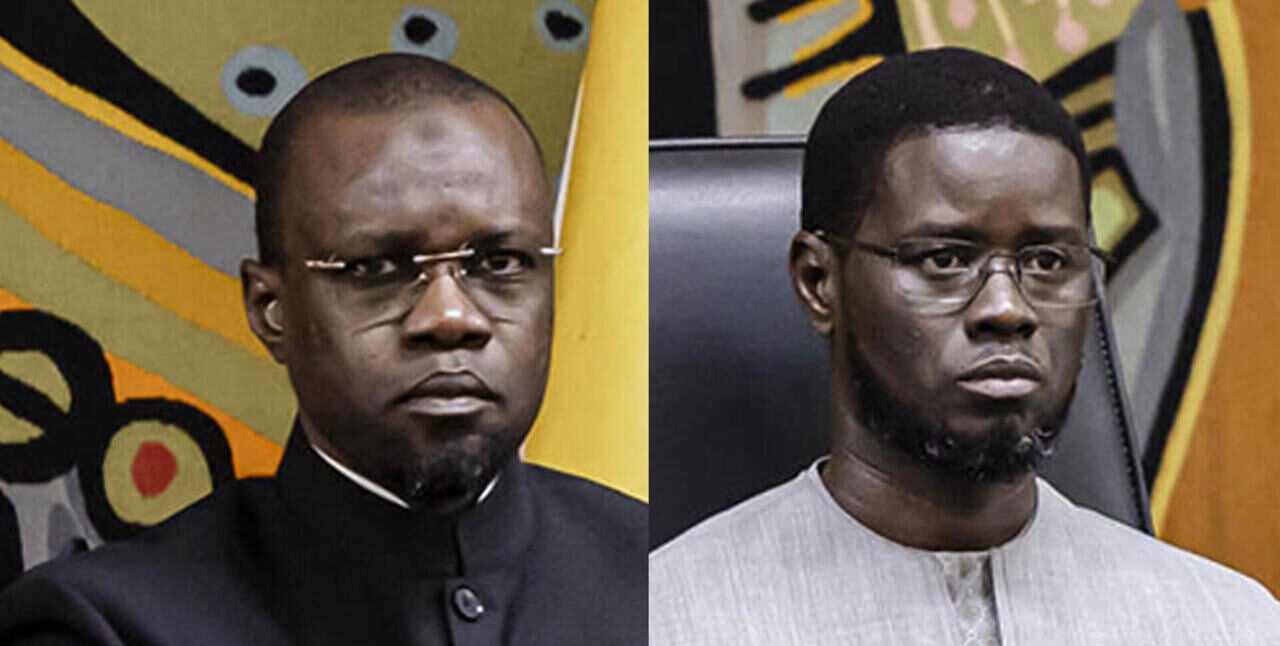
In a bold political maneuver, Ousmane Sonko has reignited hostilities against his former ally, Bassirou Diomaye Faye, exposing deep fractures within Senegal’s ruling establishment. This public confrontation marks a major shift in the country’s political landscape, as Sonko seeks to regain public trust amid growing dissatisfaction with the current administration.
Sonko’s latest declaration signals a decisive break from the partnership that once defined Pastef‘s rise to power. His statements, delivered with unmistakable conviction, underscore the widening gap between the two leaders, who once stood united against political adversity. The timing of this offensive suggests a calculated strategy to undermine Diomaye’s credibility while rallying supporters around a renewed vision for Senegal.
As tensions escalate, the political arena in Dakar and beyond braces for further upheaval. Sonko’s move reflects broader discontent within the party and the public, as citizens grapple with economic challenges and governance concerns. With the government’s approval ratings slipping, this confrontation could redefine the balance of power in Senegal’s democracy.
the roots of a growing divide
The rift between Sonko and Diomaye is not merely a personal feud but a symptom of deeper ideological and strategic differences. Sonko, known for his fiery rhetoric and grassroots appeal, has long championed a more populist approach. Diomaye, on the other hand, has pursued reforms that some perceive as distancing from the party’s original ideals. This divergence has fueled speculation about Sonko’s intentions, particularly as he positions himself as the voice of the people.
The recent reorganization of the prime minister’s office has further strained relations. Sonko’s criticism of the new appointments, especially those involving key figures like Me Moussa Sarr, highlights his dissatisfaction with the government’s direction. His claims of a “protocole de Cap Manuel”—allegedly a secret agreement between the two leaders—have added fuel to the fire, intensifying the political standoff.
what’s next for Senegal’s political future?
The coming weeks will be critical in determining whether this feud escalates into a full-blown crisis or serves as a catalyst for reform. Sonko’s public declarations suggest he is not backing down, and his supporters are rallying behind him. Meanwhile, Diomaye’s government faces mounting pressure to address the concerns raised by Sonko and the broader electorate.
The stakes are high, not just for the two leaders but for Senegal’s democratic stability. As the nation watches closely, the outcome of this power struggle could reshape the political landscape for years to come.