Russia-Africa Summit 2026 sparks debate as Mali’s Goïta shines while AES unity questioned
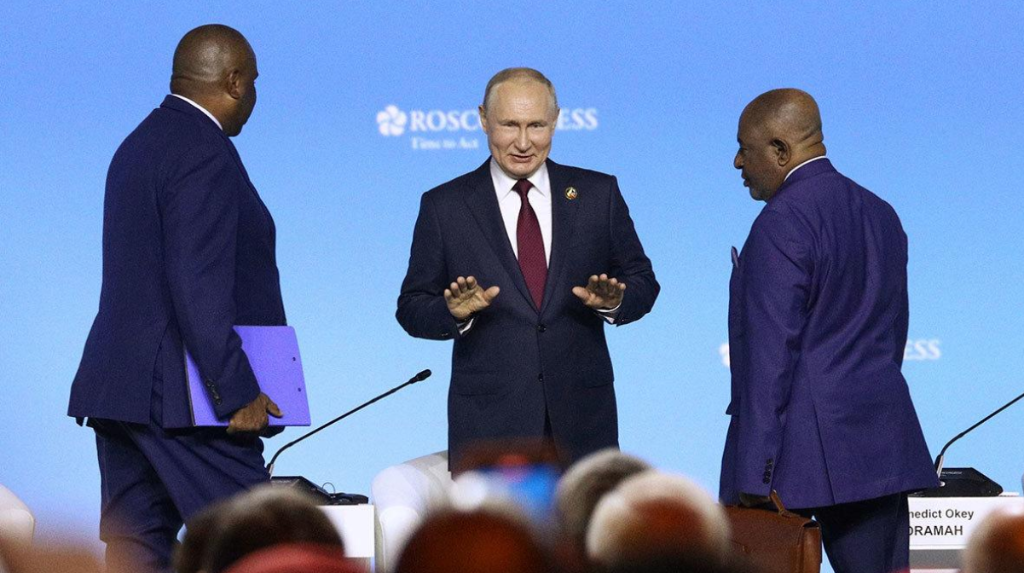
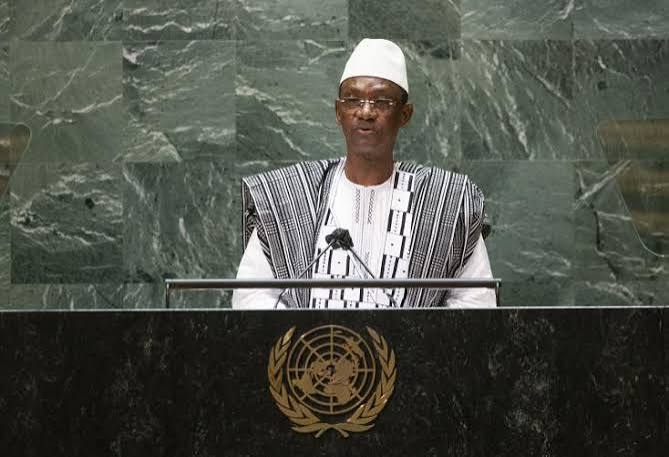
The third Russia-Africa Summit, held in Moscow on October 28–29, 2026, has exposed cracks in the Alliance of Sahel States (AES) just months after its formation. While Malian leader Assimi Goïta arrived at the forefront of a high-profile delegation, the presence of Burkina Faso’s Ibrahim Traoré and Niger’s Abdourahamane Tiani—both initially announced by Russian officials—remained uncertain, raising eyebrows across diplomatic circles. The AES at a crossroads: Mali leads while doubts linger over Traoré and Tiani The Malian president’s confirmed attendance at the summit marked a stark contrast with the absence—at…

Read More

Gabon’s 2034 Eurobond: what the 8% slump reveals about market sentiment

Behind Libreville’s market discipline: why Gabon’s 2034 Eurobond is trading at an 8% discount The Gabon 2034 Eurobond hasn’t merely slipped in recent months—it has fallen nearly 8% on secondary markets, a sharper drop than most African sovereign bonds recorded at any time over the past year. The decline, confirmed in late October 2026, places Libreville among the region’s most heavily penalized issuers, driving up the implied yield and signaling how much more expensive it would be for the state to approach markets today. This correction is not noise; it…

Read More

Togo’s strategic role at the Russia-Africa summit: behind-the-scenes diplomacy ahead of Moscow 2026

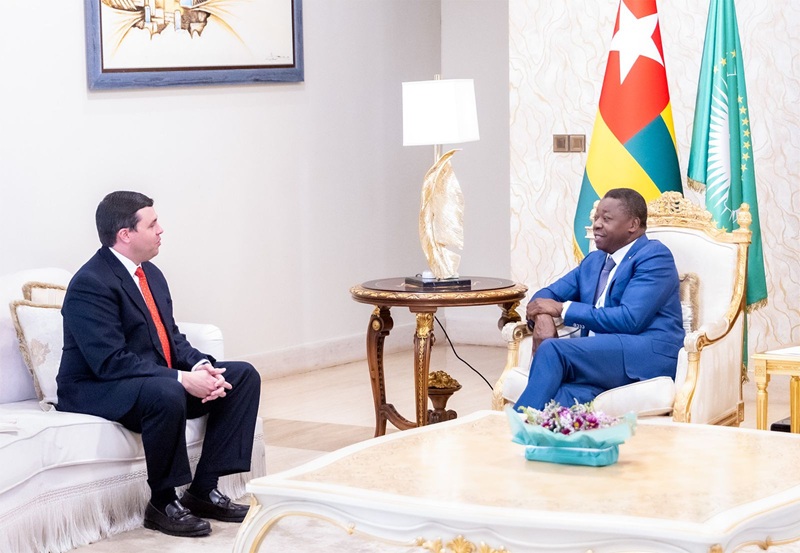
The upcoming third Russia-Africa Summit in Moscow on October 28, 2026, is set to become a pivotal moment for Togo as it finalizes its diplomatic preparations behind closed doors. President Faure Essozimna Gnassingbé’s participation follows a year of accelerated collaboration between Lomé and Moscow, with both nations eager to turn discussions into tangible economic and political alignment. What drives Togo’s agenda at the summit While the formal summit will center on geopolitical and trade dialogues, Togo’s delegation is quietly working to secure commitments in four core areas aligned with the…

Read More

Unpacking Congo’s election delays: what’s driving political instability behind the scenes

Behind the formal justifications for postponing the Democratic Republic of Congo’s elections lies a complex web of political maneuvering and institutional weaknesses. Opposition leader Delly Sesanga exposes the hidden forces shaping this crisis, revealing how short-term decisions are reshaping the nation’s democratic future. As electoral timelines slip further out of reach, the implications extend far beyond calendar adjustments—they threaten to erode public trust and deepen existing fractures within Congo’s fragile governance system. What’s really behind Congo’s election postponements? The repeated delays in Congo’s electoral calendar aren’t just administrative hiccups—they reflect…

Read More

Chad fiercely denies Niger strike allegations amid calls for hard evidence

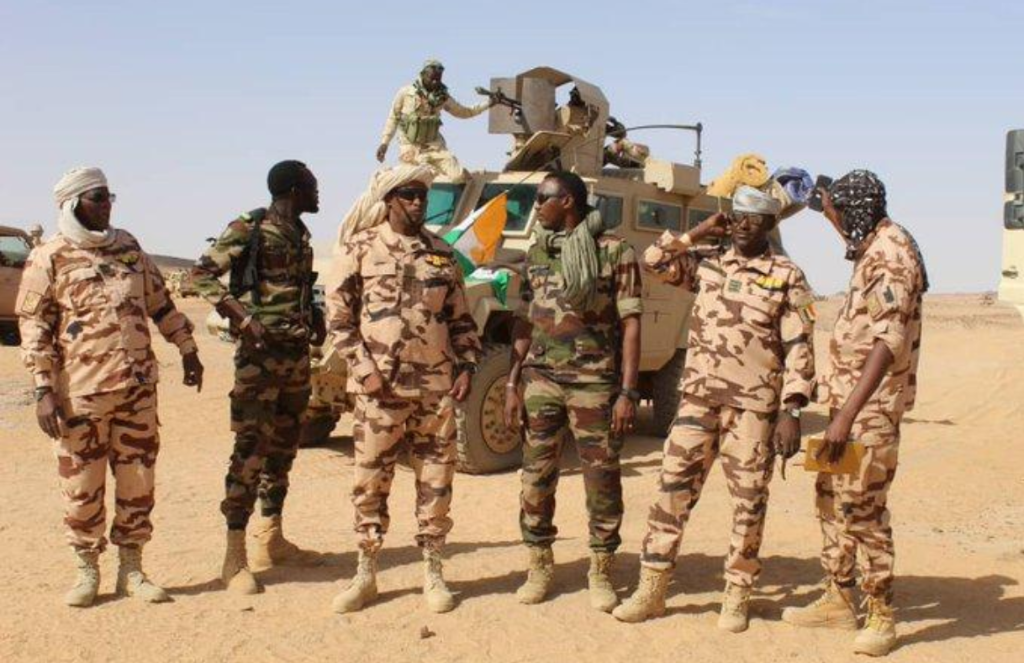
As accusations of a cross-border strike from Chad into Niger continue to swirl, N’Djamena has taken an uncompromising stance, categorically rejecting any involvement in the alleged incident. The government is not only demanding concrete proof from Nigerien authorities but also warning that unproven claims risk poisoning already fragile regional stability. N’Djamena fires back with categorical denial Chad’s government has dismissed claims that its forces carried out or supported a strike on Niger as baseless and inflammatory. Through its official spokesperson, Minister Gassim Chérif Mahamat, N’Djamena has made it clear that…

Read More

South Africa’s deadly Durban attack sparks continent-wide debate on xenophobia and justice

The brutal killing of a foreign national in Durban has ignited a fierce debate across Africa, with human rights groups and regional bodies demanding accountability and urgent action against xenophobic violence. As public outrage grows, the incident raises urgent questions: How will Pretoria respond, and what safeguards must be put in place to prevent further bloodshed? From mob violence to international alarm: A nation at a crossroads On a quiet evening in central Durban, a 30- or 40-year-old foreign man was beaten to death by a crowd of around fifty…

Read More

Bamako’s land scandal: Adama Sangaré fights back after 10-year sentence

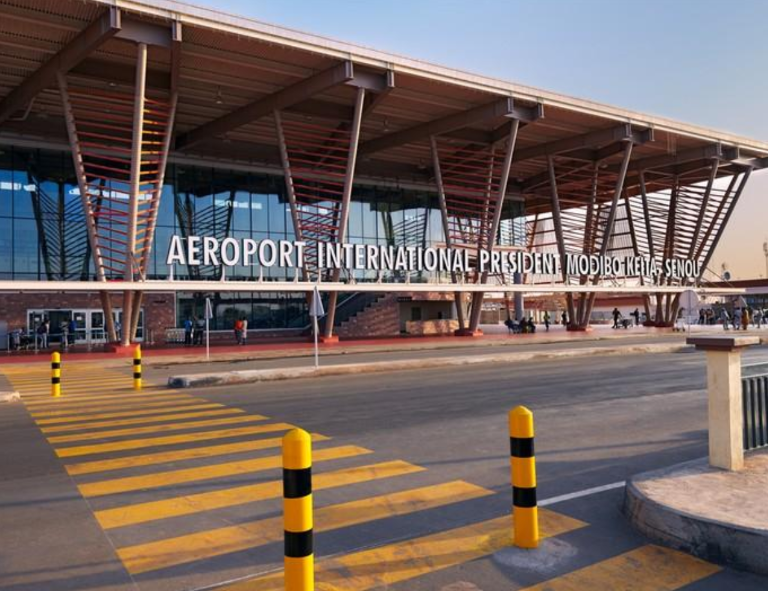
In a dramatic twist for Mali’s land governance, former Bamako district mayor Adama Sangaré has been handed a decade-long prison sentence for his role in a controversial real estate scandal around Bamako-Sénou airport. The high-profile case has ignited fierce public debate over whether the conviction exposes systemic flaws in land management or unfairly targets local leaders caught in bureaucratic gray zones. Legal fireworks: defense challenges both facts and jurisdiction The trial concluded with a dramatic verdict, but the legal battle is far from over. Adama Sangaré’s legal team has vowed…

Read More

Behind the scenes: why Senegal’s 2026 budget bill faced an unexpected delay in parliament

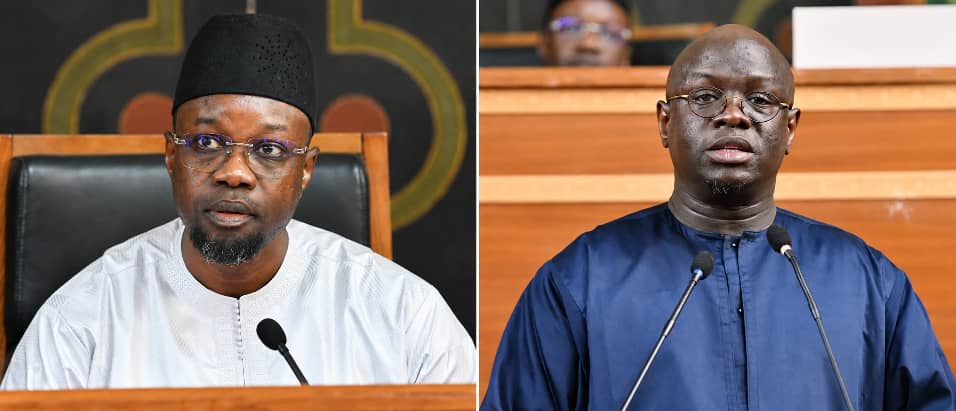
Behind the scenes: why Senegal’s 2026 budget bill faced an unexpected delay in parliament The planned vote on Senegal’s 2026 Supplementary Finance Bill (PLFR) was abruptly postponed Tuesday in the National Assembly after the Finance Minister personally requested further review. This unprecedented delay wasn’t just procedural—it revealed deeper institutional tensions and strategic calculations behind the government’s approach to fiscal policy. The unexpected turn of events unfolded when Finance Minister Cheikh Diba invoked Article 84 of the National Assembly’s internal rules, formally requesting that the bill be sent back to the…

Read More

Mali’s military junta faces backlash as former ally Choguel Maïga reaches 440 days in detention

Mali has entered uncharted territory. Exactly 440 days have passed since Choguel Kokalla Maïga was placed behind bars on remand—more than 14 months of solitary confinement for the man who once served as the junta’s most vocal architect. The prolonged detention, without a final verdict, is not just a personal tragedy; it is a stark reflection of the transition’s authoritarian drift and the fragility of power alliances in Bamako. The fall of a revolutionary symbol Choguel Maïga was no ordinary political figure. Once the loudest champion of Mali’s military leadership,…

Read More

Global tensions rise: why governments urge citizens to stockpile essentials now

The shifting landscape of preparedness: governments push for emergency reserves Nations across Europe, the Middle East, and Asia are recalibrating their approach to public safety, increasingly urging citizens to build personal reserves of food, water, and medical supplies. This shift reflects growing alarm over geopolitical tensions that could disrupt daily life without warning—from cyberattacks on critical infrastructure to regional conflicts threatening supply chains. Europe tightens its emergency playbook The urgency is palpable in Europe, where governments are no longer treating disaster preparedness as just a household precaution. In late 2026,…

Read More

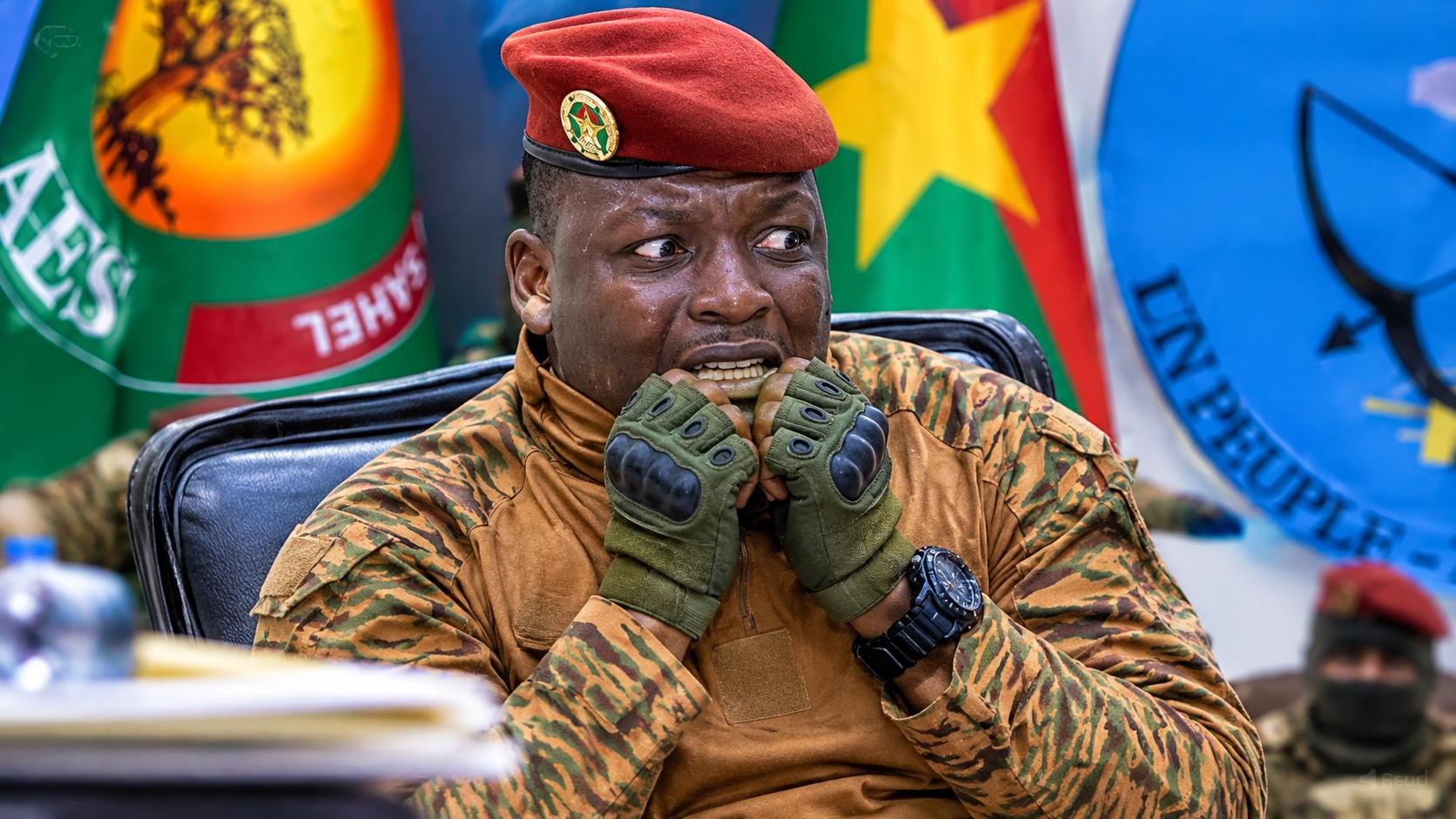
Burkina Faso’s leadership dilemma: Traoré’s absence raises questions about internal stability

The absence of Burkina Faso’s transitional leader, Ibrahim Traoré, from the Russia-Africa summit has sparked intense speculation about the stability of his government. While international observers highlight his diplomatic ties with Moscow, growing concerns within his inner circle hint at deeper political uncertainties that could reshape the nation’s future trajectory. Diplomatic posturing vs. domestic pressures Ibrahim Traoré has spent considerable time cultivating an image as a bold, sovereign-minded leader, particularly through his strategic alignment with Russia. This partnership, framed as a rejection of traditional alliances, has been central to his…

Read More
Uncategorized

Niger drone strike controversy: diplomatic tensions rise amid unproven accusations against France

The fallout intensifies: Niger’s unproven accusations spark regional debate Following a deadly drone strike in northern Niger that killed two civilians, the military junta in Niamey has publicly accused Chad and France of involvement—yet no tangible evidence has been presented to support these claims. The allegations have strained relations in a region already grappling with security and political instability, leaving critical questions unanswered about the attack’s origins and accountability. What do Niger’s accusations against France and Chad actually entail? The October 24 drone strike in the Emi Lulu area of…

Read More