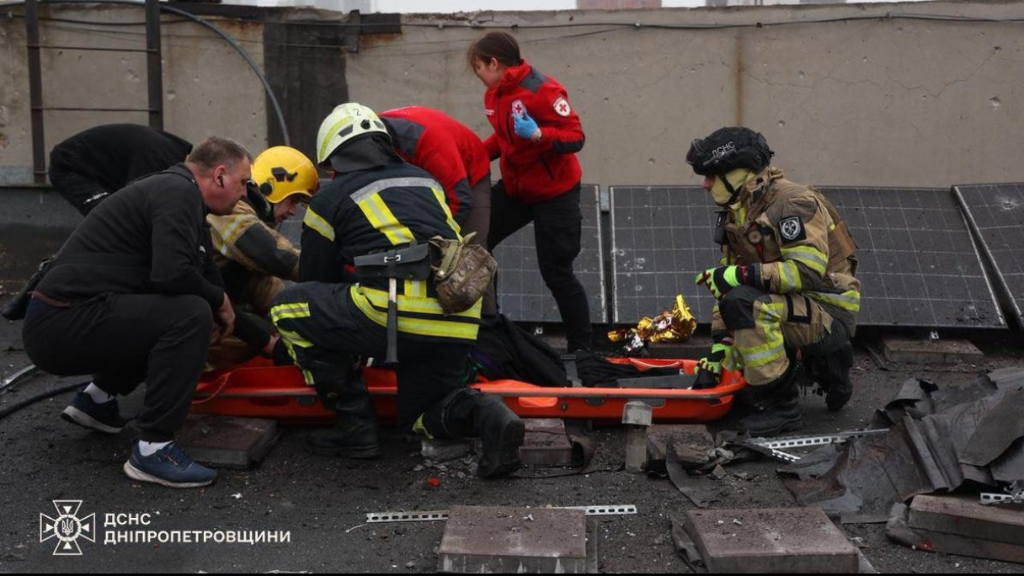
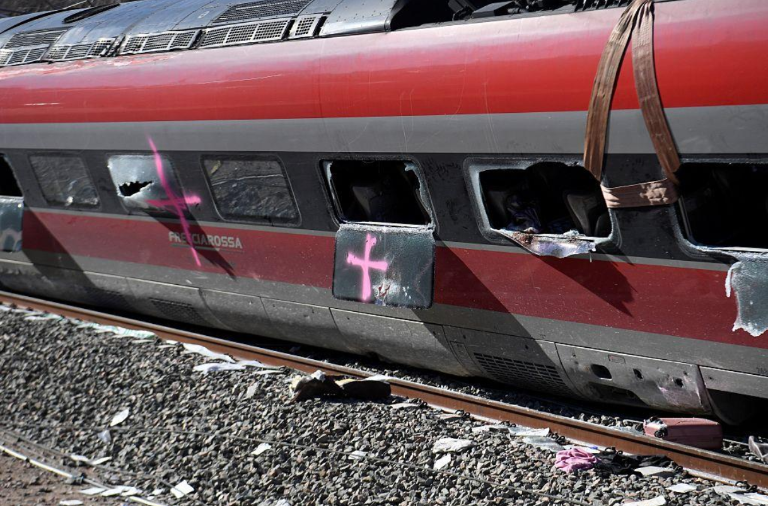
The heart of Dnipro’s railway network became the target of a devastating Russian drone attack on October 29, 2026, resulting in at least thirteen fatalities and escalating public outrage. The strike occurred during a busy morning, disrupting daily life and leaving families shattered. Investigations are now underway to determine whether this attack was a deliberate strike on a civilian hub or a tragic miscalculation under wartime conditions. Dnipro attack: A crowded station becomes a death trap The strike on the Dnipro railway platform occurred as passengers prepared to board a…
Read MoreMonth: October 2026
Morocco’s UN stance on Cuba sparks debate across Africa and beyond
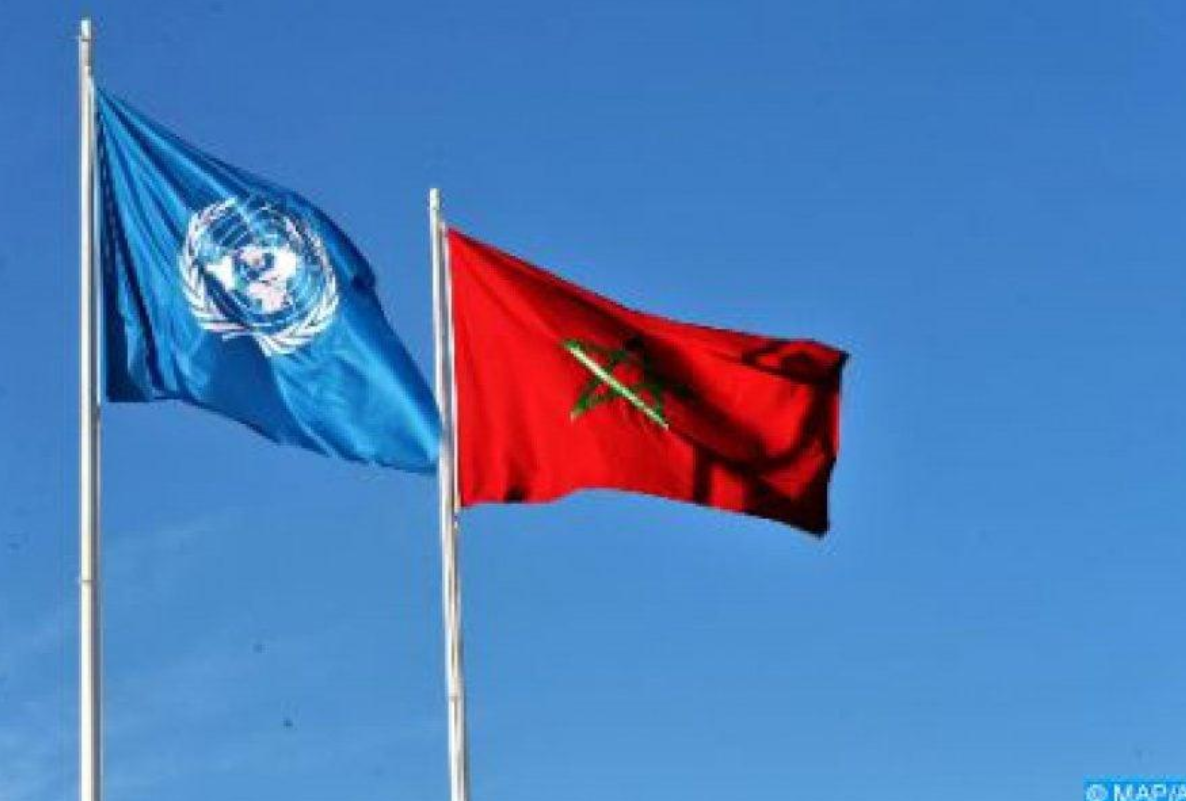
The Global Divide Over Cuba: A Landmark UN Vote Reveals Unexpected Alliances The United Nations General Assembly delivered its 34th resolution calling for the end of the U.S. embargo on Cuba, with 130 nations in favor, 17 against, and 25 abstentions. Yet the spotlight fell on Africa, where Morocco stood alone as the continent’s sole dissenting voice—a decision that has ignited discussion over shifting diplomatic loyalties and the future of international solidarity. Why Did Morocco Break Ranks With African Consensus? While the vast majority of African nations supported the resolution…
Read MoreUnpacking Senegal’s political tensions: what’s driving the threats against Ousmane Sonko
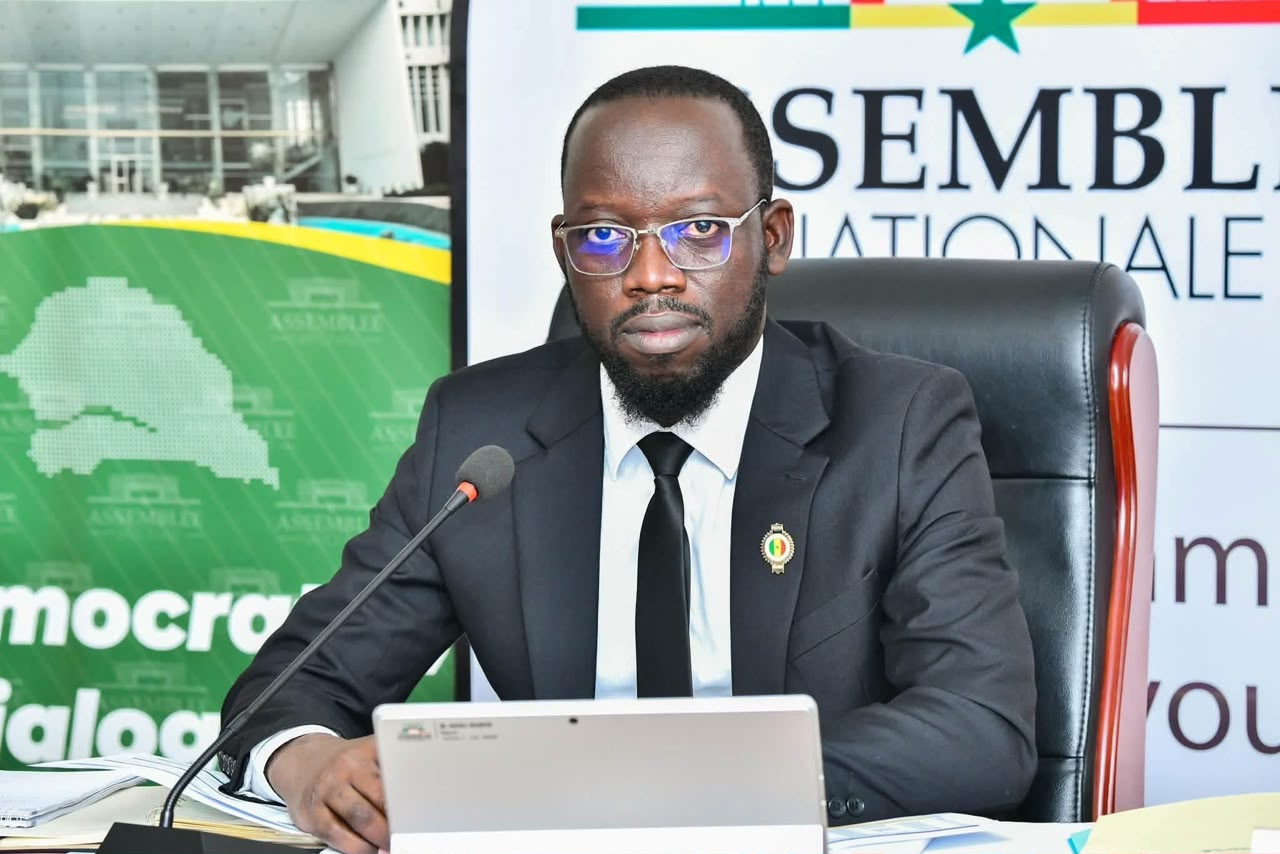
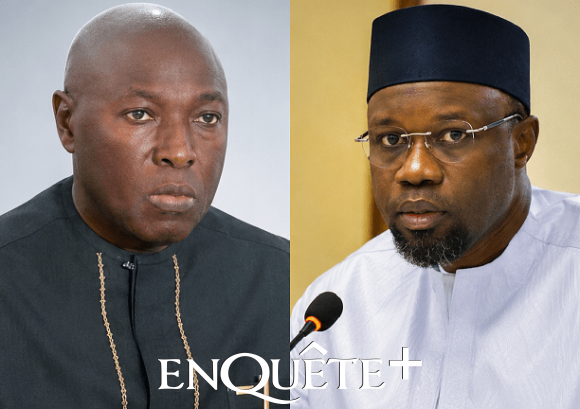
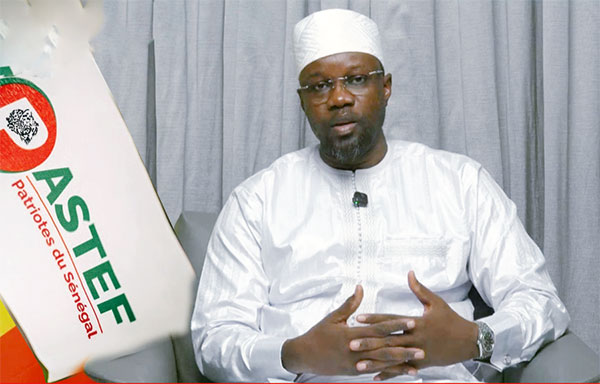
The recent surge in threats against Senegalese opposition leader Ousmane Sonko has exposed deep-rooted political fissures behind the country’s democratic facade. While public debates often focus on policy differences, the underlying motivations driving these aggressive tactics reveal a far more complex narrative—one rooted in power preservation, institutional distrust, and the suppression of dissent. Behind The Scenes: Why Threats Have Become A Political Tool In Senegal Ousmane Sonko, a prominent opposition figure and former presidential candidate, has long been a thorn in the side of establishment politics in Senegal. His rise…
Read MoreBehind-the-scenes political threats in Senegal: what’s driving pastef’s call for prosecutorial action
The hidden dynamics behind Pastef’s allegations of political threats in Senegal Senegal’s political landscape has taken a troubling turn as the opposition party Pastef escalates its warnings about a conspiracy targeting its leader, Ousmane Sonko. The party has formally requested immediate intervention from the Dakar prosecutor’s office, alleging that members of the ruling coalition, specifically within the Kiiraay party, are orchestrating efforts to eliminate Sonko. Behind these public accusations lies a complex interplay of political tensions, historical grievances, and concerns over escalating rhetoric. Unverified accusations but urgent concerns: the specifics…
Read MoreAlgeria’s bold move into Niger sparks geopolitical tremors in the Sahel
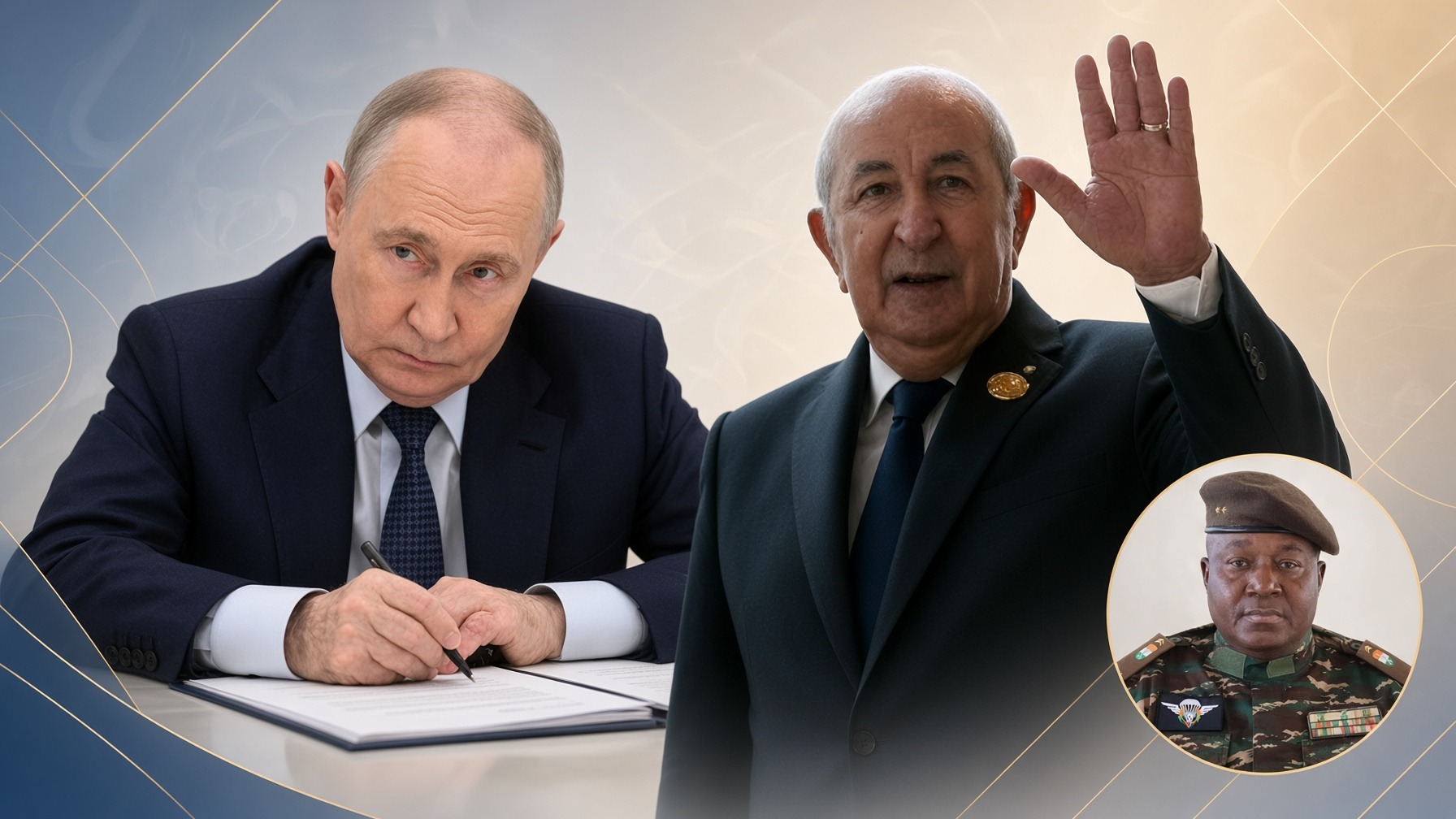
The unexpected decision by Algeria’s parliament to approve the deployment of regular troops to Niger has sent shockwaves through the Sahel, upending Moscow’s carefully crafted security dominance in the region. This unprecedented move, the first of its kind in half a century, marks the beginning of a new era in Saharan geopolitics — one where Algeria and Russia find themselves locked in a silent confrontation over Niger’s strategic future. The end of Russia’s exclusive grip on Sahel security Since the political transition in Niamey, Russia has aggressively expanded its military…
Read MoreSenegal’s political tensions rise as ruling party member threatens ousmane sonko’s life
The recent inflammatory remarks by Arona Coumba Ndoffène Diouf, a prominent figure in Senegal’s ruling party Kiiraay, have exposed deeper underlying tensions threatening the nation’s stability. These statements, which include a direct call for a conspiracy to remove President Ousmane Sonko from power, underscore a troubling escalation in political rhetoric that risks undermining Senegal’s democratic foundations. How inflammatory rhetoric from ruling party members fuels instability The remarks by Ndoffène Diouf are not isolated but reflect a broader pattern of aggressive discourse emanating from the presidential camp. This rhetoric often targets…
Read MoreCameroon’s FSNC suspension: uncovering the hidden factors driving the government’s bold move
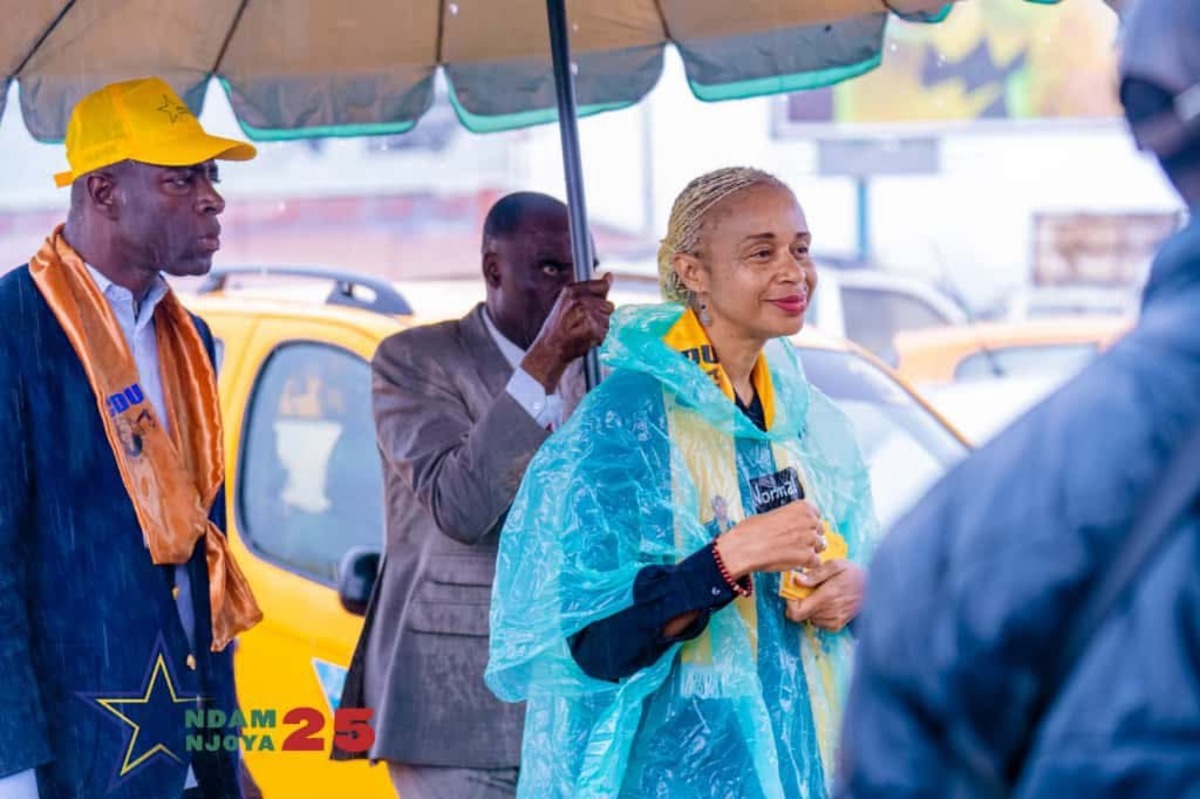
Cameroon’s FSNC suspension: uncovering the hidden factors driving the government’s bold move The recent three-month suspension of the Front for National Salvation of Cameroon (FSNC) has sent ripples through the political landscape, but what are the behind-the-scenes forces shaping this decision? While official justifications cite threats to national integrity and public order, deeper political and administrative dynamics may hold the key to understanding this controversial move. What triggered the suspension? The Cameroonian government, through Minister of Territorial Administration Paul Atanga Nji, suspended the FSNC under section 7 of the law…
Read MoreBenin and UAE forge new trade deal: economic ripple effects spark public debate
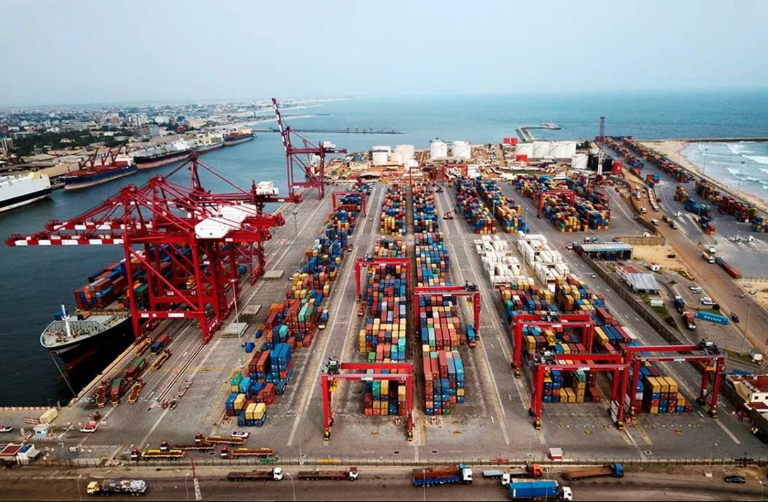
The ink is barely dry on Benin’s historic trade agreement with the United Arab Emirates, but the conversation is already shifting from celebration to scrutiny. As officials tout the potential economic windfalls, critics are questioning whether the anticipated benefits will trickle down to local communities—or simply line the pockets of a few corporate players. The deal at a glance: what changes for Benin? Under the new economic partnership, over 3,000 Beninese products will soon enter the UAE market free of import duties. The accord, signed during President Romuald Wadagni’s visit…
Read MoreDeadly high-speed train collision in Toledo sparks national outrage and safety concerns
Spain is grappling with the devastating aftermath of a catastrophic high-speed train collision near Urda, in the province of Toledo, where at least 46 people lost their lives and 179 others were injured. The disaster has ignited a fierce public debate over railway safety, accountability, and the future of Spain’s transportation infrastructure. Aftermath of the disaster: families mourn as shockwaves reverberate across the nation The collision between two high-speed trains—one operated by Spain’s national rail company Renfe and the other by the private operator Iryo—has left the country in a…
Read MoreMali’s counterterrorism: how blind crackdowns fuel insurgency and erode state legitimacy
The promise of Mali’s military transition was simple on paper: reclaim control. Yet beneath the bold statements and renewed calls for sovereignty, a darker narrative is unfolding. As Malian forces and their Russian-backed Africa Corps allies pursue armed groups, international humanitarian laws are being trampled underfoot. What was intended as a fight for security has morphed into a cycle of violence, where civilians pay the heaviest price—and the insurgency only grows stronger. Broken promises and ignored legal safeguards Mali’s legal obligations are clear and longstanding. Ratified in 1965, the Geneva…
Read MoreMali’s fading leaders: how the junta reshaped power after the coup
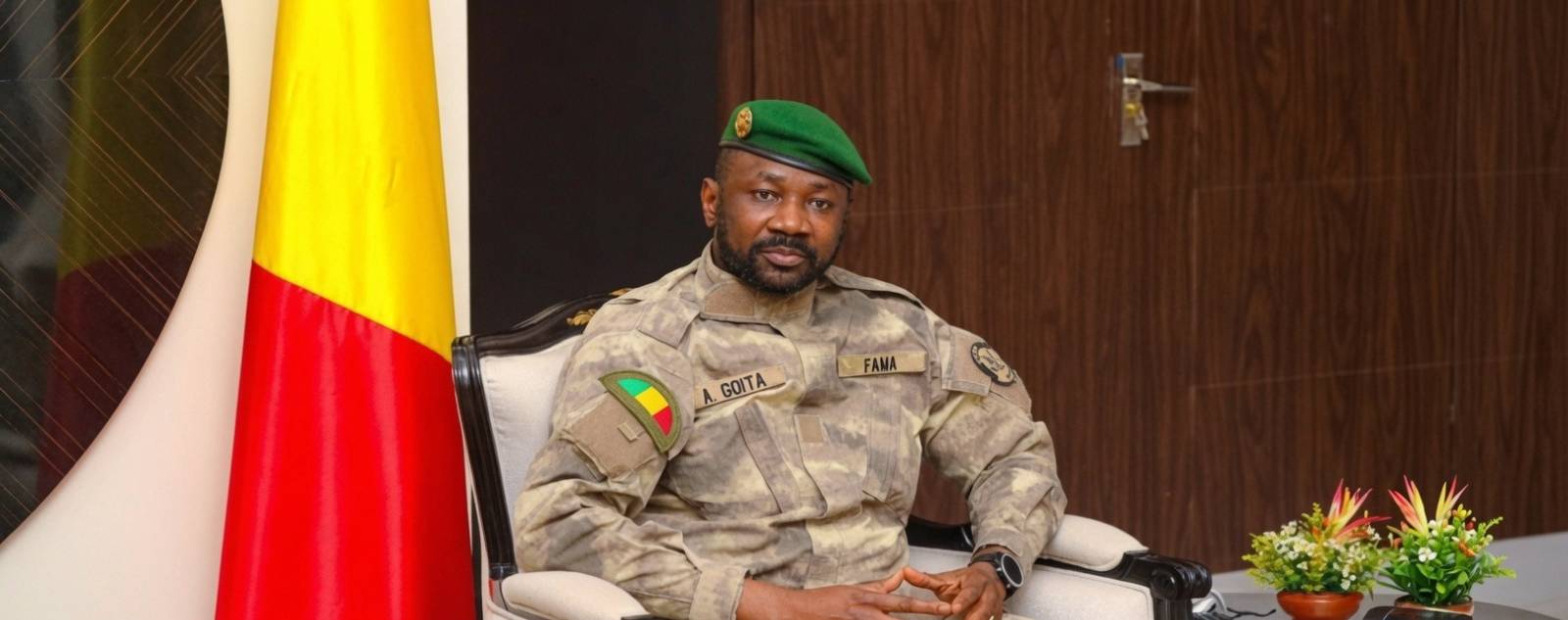
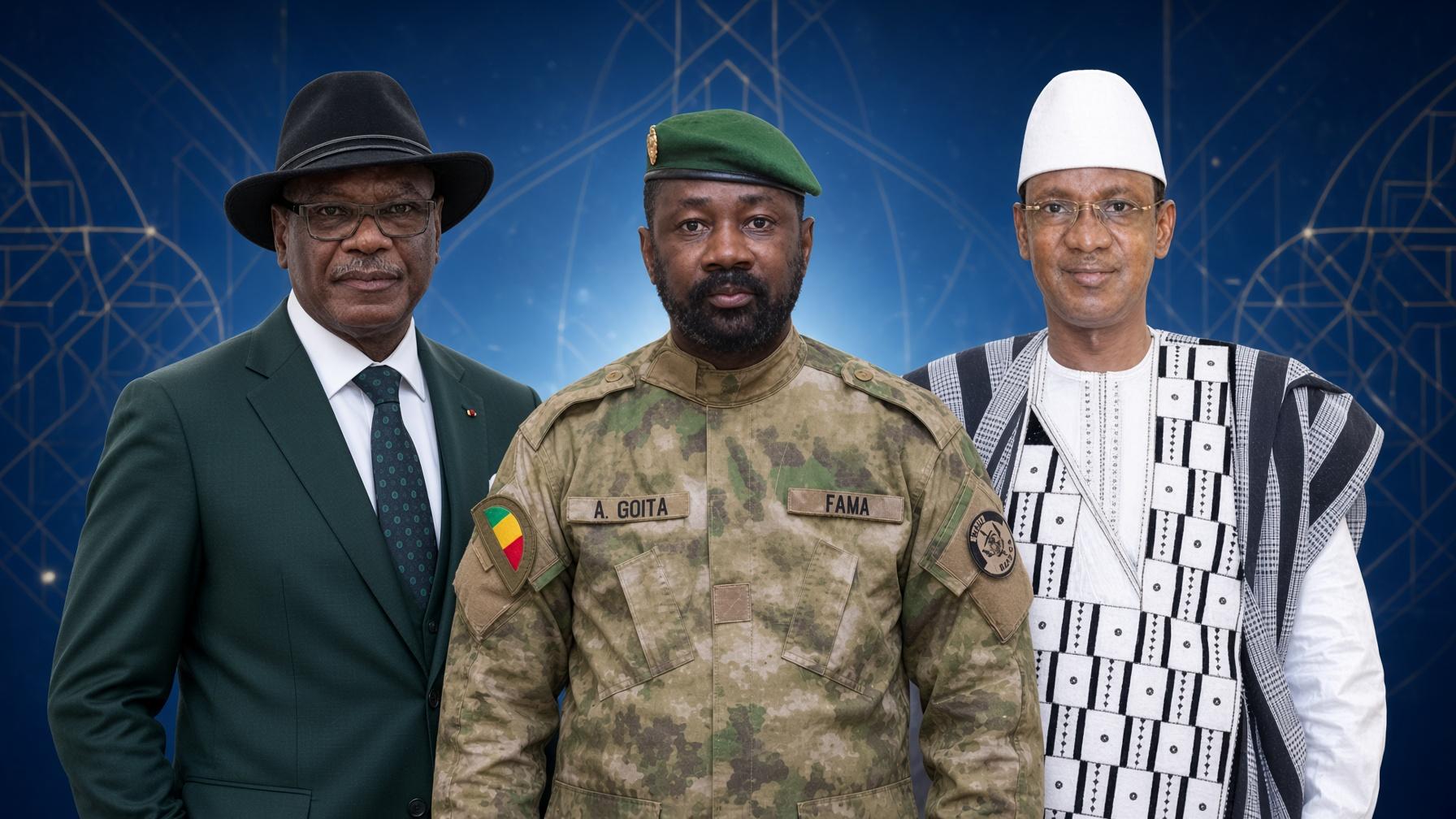
Mali’s fading leaders: how the junta reshaped power after the coup The political elite of Mali, once the architects of its democratic experiment, now face an uncertain future. Since the military junta under General Assimi Goïta consolidated power, the old guard has been systematically sidelined, their influence erased through arrests, exile, and enforced silence. As the public debate intensifies over what comes next, the fate of these figures offers a stark glimpse into Mali’s shifting power landscape. From prominence to persecution: the three pillars of political eradication The collapse of…
Read MoreBehind the scenes: why Togo’s president is prioritizing Russia-Africa summit participation
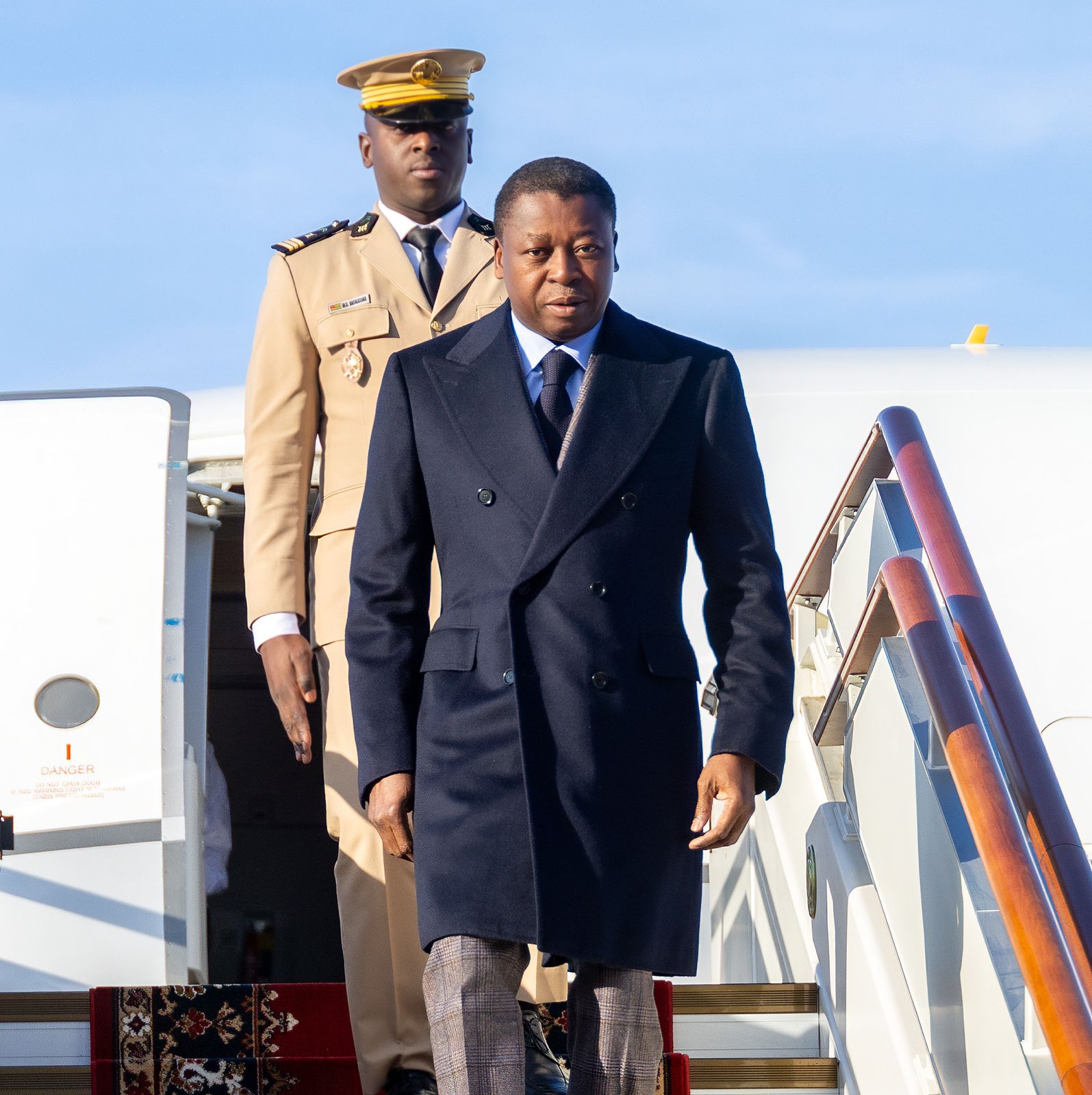
In a move signaling deeper engagement with global partners, Togolese leader Faure Gnassingbé is traveling to Moscow this October for the 2026 Russia-Africa Summit. The invitation from Russian President Vladimir Putin places Togo at the forefront of a diplomatic push reshaping the continent’s economic landscape. The strategic timing behind Faure Gnassingbé’s Moscow visit Scheduled for Wednesday, October 28, 2026, this year’s summit follows previous editions in Sochi (2019) and Saint Petersburg (2023), but stands out for its emphasis on measurable outcomes. Unlike earlier gatherings focused on declarations, this edition is…
Read More