The mood in Togo is growing increasingly tense as opposition leaders prepare for a pivotal protest on November 20, 2026. The demonstration, dubbed a ‘patriotic warning day’ by organizers, comes amid mounting public frustration over soaring living costs, persistent power cuts, and mounting allegations of government mismanagement under President Faure Gnassingbé’s administration. Opposition unites under wave of economic and social discontent Nathaniel Olympio, a prominent opposition figure and leader of the Manifeste Génération Togo coalition, has ramped up efforts to rally Togolese citizens against what he describes as systemic failures…
Read MoreMonth: November 2026
Benin’s 8.2% GDP growth sparks debate over industrial future and economic fallout
Economic growth fuels public debate on Benin’s industrial leap The announcement of an 8.2% year-on-year real GDP growth for Benin in early 2026 has ignited widespread discussions about the country’s economic trajectory. While the figures reflect strong momentum, they also raise critical questions about sustainability, inclusivity, and the broader implications of accelerating industrialization. FMI validation and the road ahead The International Monetary Fund’s endorsement of Benin’s economic performance adds significant weight to the narrative of transformation. A mission led by Sonali Das in late 2026 confirmed the 8.2% growth figure,…
Read MoreBurkinabe miners expelled from Guinea face uncertain future amid Burkina’s crisis
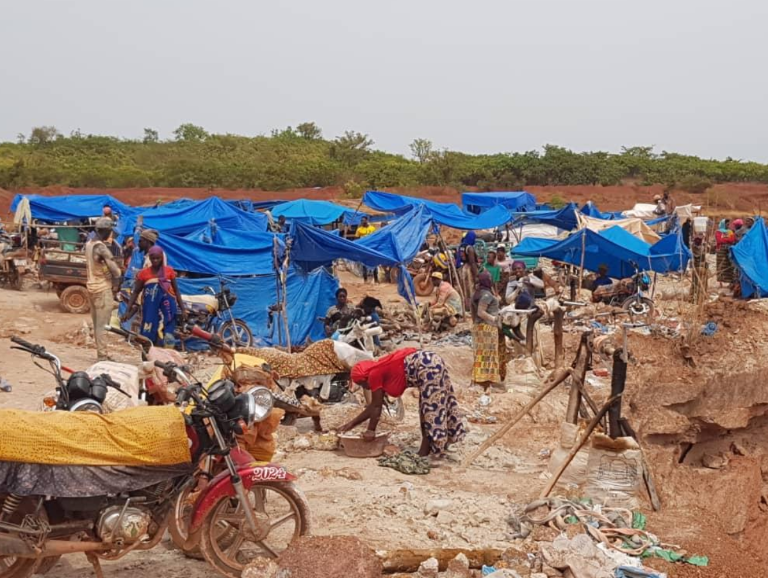
The great paradox: fleeing violence only to return to more hardship Thousands of Burkinabe gold miners who fled to Guinea in search of safety and economic survival now face an uncertain future. Expelled from their makeshift mining sites, they are being sent back to a Burkina Faso still grappling with terrorism, mass displacements, and economic strain. Without viable reintegration pathways, their forced return could deepen existing social and security vulnerabilities across the country. Why they left in the first place: survival over opportunity Many Burkinabe miners didn’t leave for fortune-seeking…
Read MoreLeaked documents reveal shocking Russian military death toll in Ukraine war
Leaked documents reveal shocking Russian military death toll in Ukraine war The cybersecurity landscape just witnessed a development that could reshape the global understanding of the human cost of war. Hackers have allegedly breached Rosstat’s systems, Russia’s federal statistics agency, and claim to have uncovered death certificates totaling 412,576 Russian military fatalities since the February 2022 invasion of Ukraine. This figure, if verified, would dwarf Moscow’s official casualty reports and ignite a firestorm of public debate about the true scale of losses. Breaking down the explosive cybersecurity investigation Silent Crow…
Read MoreNiger’s citizenship revocation law: a tool for political retribution or national security?
After the coup: a controversial law fueling political confrontations Since the July 2023 coup that ousted President Mohamed Bazoum, Niger’s military authorities have increasingly used citizenship revocation as a legal instrument against political opponents. The latest decree, signed by General Abdourahamane Tiani on September 17, 2026, strips five more individuals including former Prime Minister Ouhoumoudou Mahamadou of their Nigerien nationality, bringing the total to 25 since the policy’s introduction in October 2024. The move has intensified public debate over whether these actions are driven by genuine security concerns or political…
Read MoreBenin’s road revolution stirs debate: will predictive tech transform West Africa?
As West Africa’s road networks face mounting pressure from heavy traffic and climate extremes, Benin has taken a bold step forward—sparking both admiration and scrutiny. The country’s latest initiative, backed by the Millennium Challenge Account (MCA-Benin), introduces two cutting-edge tools: the deflectograph and Scanroad. These devices promise to shift road maintenance from reactive repairs to a proactive system, but will their impact live up to the high expectations? From patchwork repairs to predictive precision For decades, Benin’s road maintenance followed a familiar pattern: inspectors relied on visual checks and manual…
Read MoreCameroon’s anglophone crisis: how unresolved grievances fueled conflict
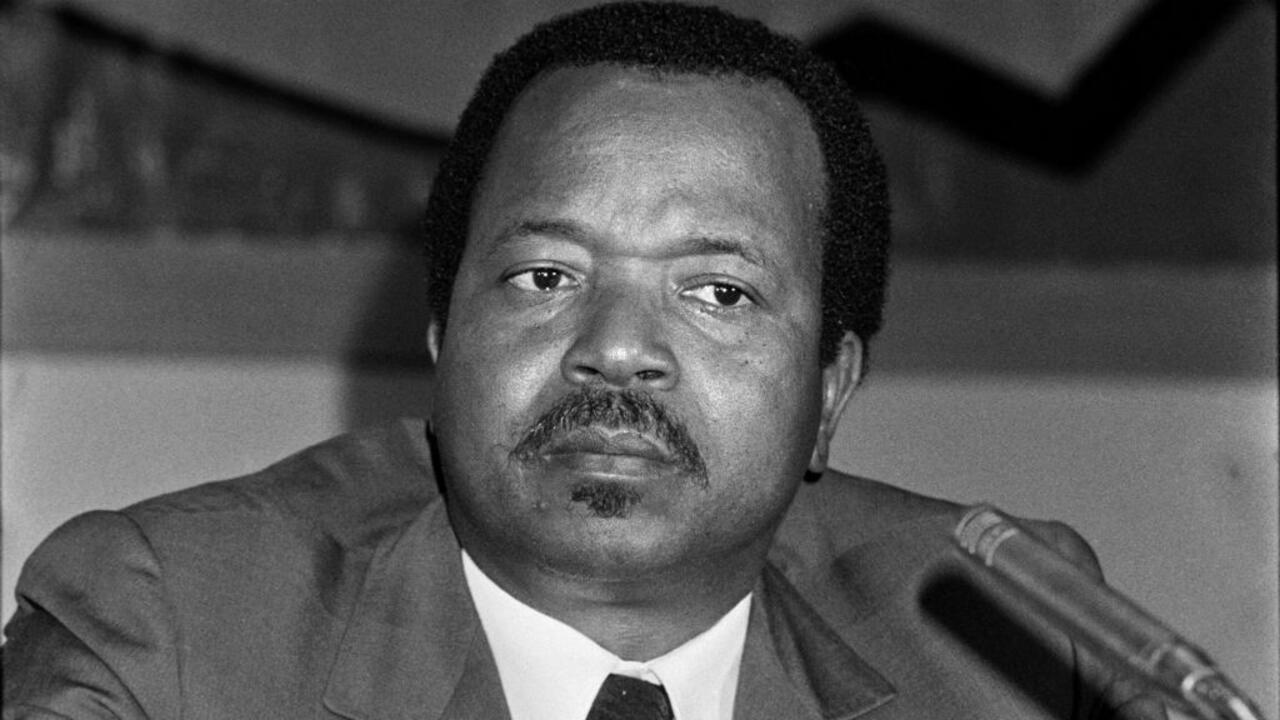
The unaddressed roots of Cameroon’s anglophone crisis Decades of unheeded warnings have shaped the trajectory of Cameroon’s anglophone crisis into a full-blown conflict. A prominent member of the Social Democratic Front (SDF), Dieudonné Chi, has publicly highlighted the government’s historical connection to the issue—underscoring how inaction transformed a long-standing grievance into a national emergency. According to Chi, President Paul Biya’s early career involvement in anglophone matters offers more than just context; it reveals a deep familiarity with the problem that later escalated under his leadership. The referendum of 1972: a…
Read MoreCameroon’s 2025 debt squeeze: how repayments reshape fiscal priorities
With the release of the International Debt Report 2026, the invisible pressure on Cameroon’s external finances has become undeniable. Last year, the country allocated 1,101 billion CFA francs—equivalent to $1.896 billion—to servicing its external debt, up from 1,023 billion francs the previous year. This 12.3% increase in dollar terms was driven primarily by capital amortizations, which surged 19.7% to $1.38 billion, while interest payments edged slightly lower to $510 million. Meanwhile, total external debt climbed 10.5% to reach $17.57 billion by the end of 2025. The mechanics behind the repayment…
Read MoreCameroon’s economic crossroads: behind-the-scenes pressures shaping national growth
Cameroon’s economic crossroads: behind-the-scenes pressures shaping national growth The past week’s economic headlines in Cameroon reveal more than just isolated events—they expose the intricate, interconnected pressures throttling the nation’s financial and industrial development. From banking reforms to infrastructure bottlenecks and industrial disasters, this week’s coverage paints a vivid picture of an economy struggling to modernize while contending with global competition and internal fragility. The silent surge: why Cameroon’s banks are betting big on Afriland First Bank At the heart of this week’s economic narrative lies Afriland First Bank’s historic capital…
Read MoreIvory Coast cracks down on illegal gold mining: balancing economic gains and environmental risks
Ivory Coast has adopted a bold stance against illegal gold mining, a scourge plaguing its rural regions for over a decade. The recent wave of expulsions targeting unauthorized artisanal miners underscores a pivotal shift in Abidjan’s mining policy, as authorities grapple with reconciling the expansion of formal extractive industries with the protection of agricultural basins. While the move carries significant social costs, the government defends its necessity in response to the widespread environmental degradation affecting soils, waterways, and farmlands. Why illegal gold mining clashes with Ivory Coast’s agricultural economy As…
Read MoreCameroon’s 44-year saga: promises unfulfilled and the youth’s lost decade
The lost generation: how Cameroon’s political promises failed its youth For 44 years, Cameroon has watched successive generations grow up under a political system that has repeatedly failed to deliver on its commitments. The November 6th celebrations—centered around the anniversary of Paul Biya’s presidency—have become a stark reminder of unmet expectations, economic stagnation, and institutional distrust that have come to define the nation’s trajectory. Alex Nguépi, a former Social Democratic Front (SDF) activist, highlights a decades-long pattern of broken promises, where generations have been conditioned to wait—only to find that…
Read MoreBenin’s land reform sparks national debate over property rights and economic stability
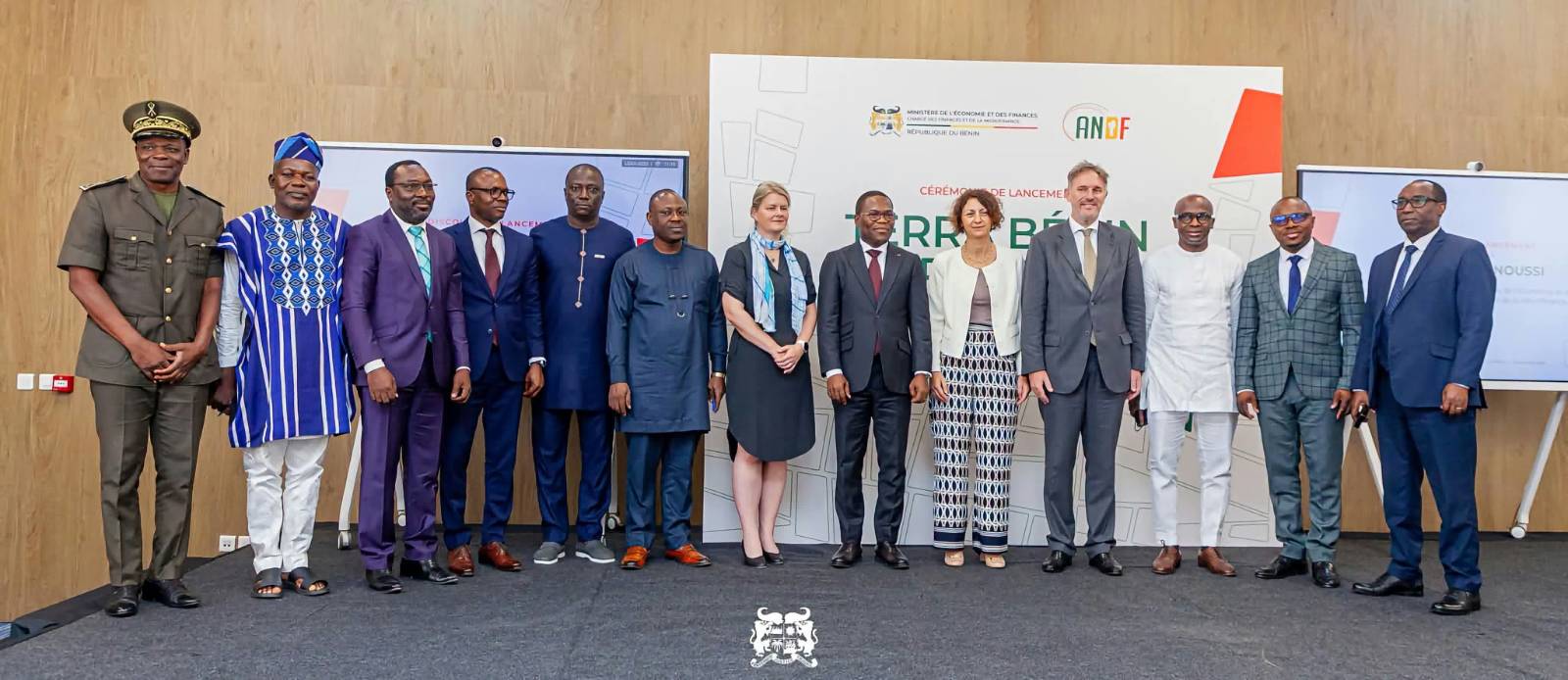
Benin has entered a critical phase in its land governance reforms as the government rolls out two ambitious initiatives aimed at overhauling the national cadastral system. The launch of TERRA BÉNIN and PPMEC II in Cotonou has ignited public conversations about the long-term implications of these changes on property rights, economic growth, and social stability. As the country moves toward registering 1.5 million land parcels and issuing over one million registration certificates, the reforms are being scrutinized for their potential to resolve long-standing disputes and reshape Benin’s real estate market.…
Read More