Heightened security risks: why the US warns against travel to Mali, Niger, and Burkina Faso in 2026
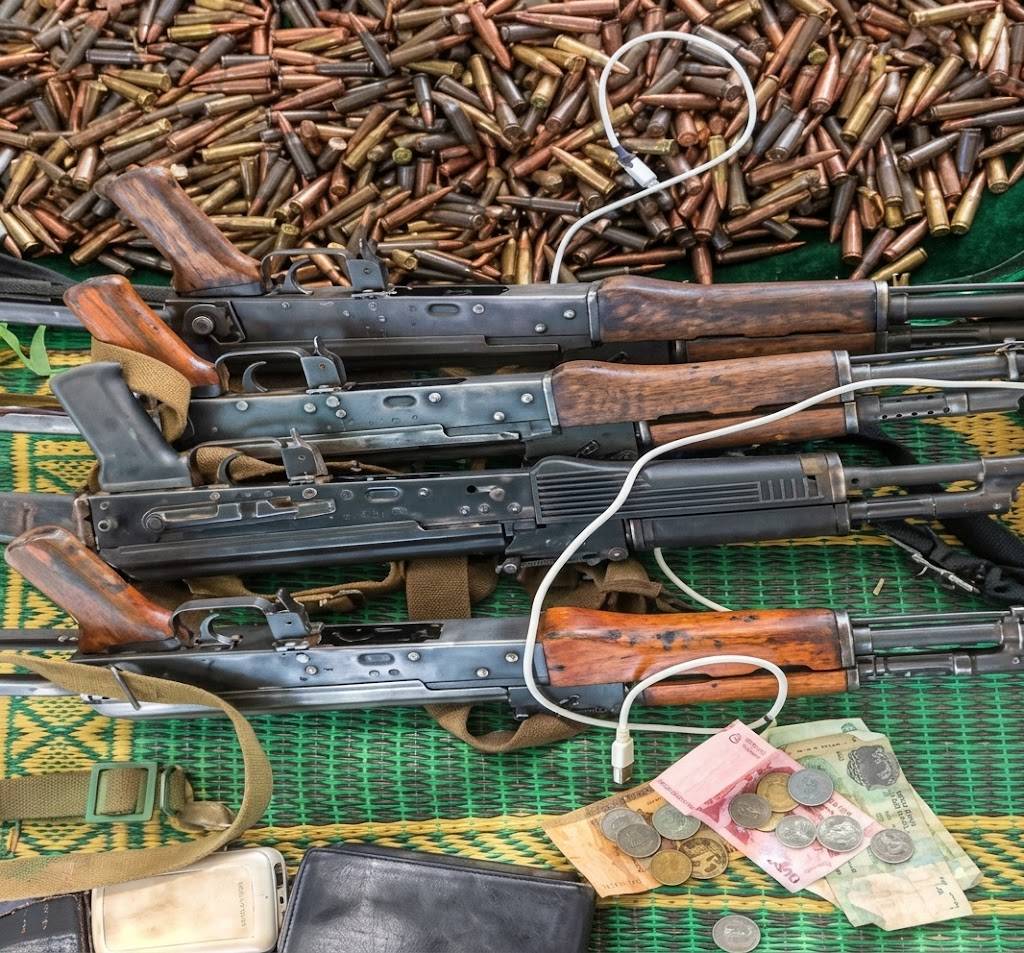
The United States has issued its sternest travel advisories for three Sahel nations, sparking intense public scrutiny and debate over both short-term safety and long-term implications. The sharp escalation in warnings reflects growing concerns over security vacuums, militant expansion, and the widening humanitarian fallout affecting travelers, businesses, and local communities alike. What the US travel warnings mean for the Sahel The US State Department has placed Mali, Niger, and Burkina Faso at Level 4: Do Not Travel—the highest alert level—underscoring a fundamental shift in risk perception for these West African…

Read More

Niger’s Agadez-Arlit highway hit by deadly ambush: what’s next for travel safety?

The deadly ambush on the Agadez-Arlit highway in northern Niger has sparked intense public debate over road safety and the government’s ability to secure critical transport corridors. As families mourn the victims and survivors seek answers, the attack underscores the fragile state of travel security in a region already on edge. What happened on the Agadez-Arlit highway? On the evening of October 20, 2026, armed assailants ambushed a convoy of passenger buses approximately 35 kilometers from Agadez, along the strategic route leading to Arlit. Initial reports indicate the attackers used…

Read More

Burkina Faso jihadist surge: public backlash and shifting security strategies after latest attacks

Following the latest attacks near Fada N’Gourma and in Bam Province, Burkina Faso’s jihadist groups are facing mounting public scrutiny over their growing influence and the government’s response. The Group for the Support of Islam and Muslims (JNIM), linked to Al-Qaeda in the Sahel, has publicly claimed responsibility for two assaults, reigniting debates over the country’s deteriorating security situation. Public reaction and political fallout from the attacks The JNIM’s claims have sparked sharp reactions across Burkina Faso, with citizens and analysts questioning the effectiveness of counter-terrorism efforts. The attacks, which…

Read More

Italy’s crackdown on urban unrest sparks heated debate over security and freedoms

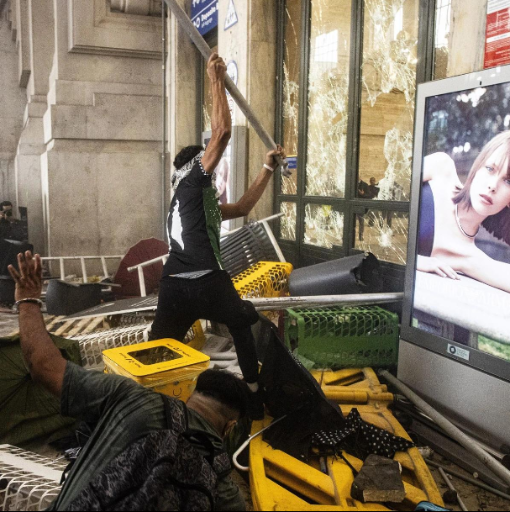
The Italian government’s new security decree, approved following recent urban unrest, has ignited a fierce nationwide debate about the balance between public order and individual freedoms. While officials argue the measures are necessary to curb escalating violence, critics warn they could erode democratic protections and fail to address the root causes of societal tensions. New measures target collective violence with harsher penalties The decree introduces a dedicated legal framework for participants in violent group actions. Anyone involved in a gathering of at least five people who endanger public safety now…

Read More

Controversy erupts over air France and air Côte d’Ivoire codeshare expansion

As the dust settles on the highly anticipated codeshare partnership between Air Côte d’Ivoire and Air France set to launch in late 2026, stakeholders are divided over the potential consequences of the deal. Industry analysts, passenger advocates, and competitors are now debating what this collaboration means for air travel between Abidjan and Paris—and beyond. What the new codeshare means for travelers The reciprocal agreement allows both airlines to sell seats on each other’s flights under their own flight codes, expanding options for passengers flying the Paris–Abidjan route. Under the deal:…

Read More
Uncategorized

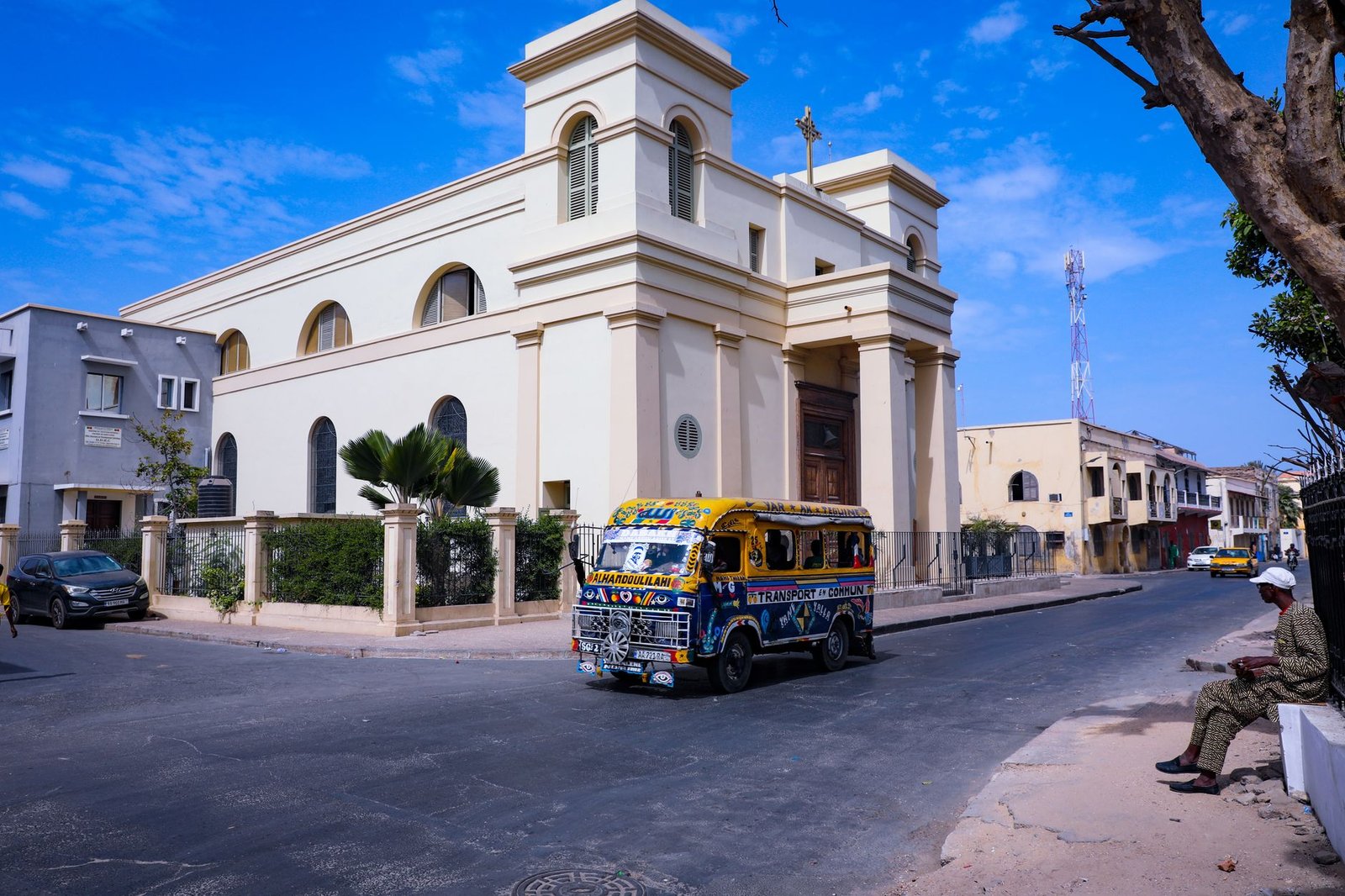
Senegal’s debt crisis: what’s really driving the bond market shake-up

Investors holding Senegalese sovereign debt got a stark reminder this week of the hidden tensions shaping the country’s financial future. The warning came not from opposition politicians, but from within the ruling coalition itself, delivered by Ousmane Sonko, Speaker of the National Assembly and leader of the dominant parliamentary group. Sonko publicly threatened to block both the 2026 supplementary budget and the 2027 draft budget, sending shockwaves through the dollar-denominated bond markets where sovereign securities saw their biggest single-day dip since early September. The paradox fueling investor uncertainty The real…

Read More

Niger’s media community demands answers in journalist Moussa Kaka’s prolonged detention

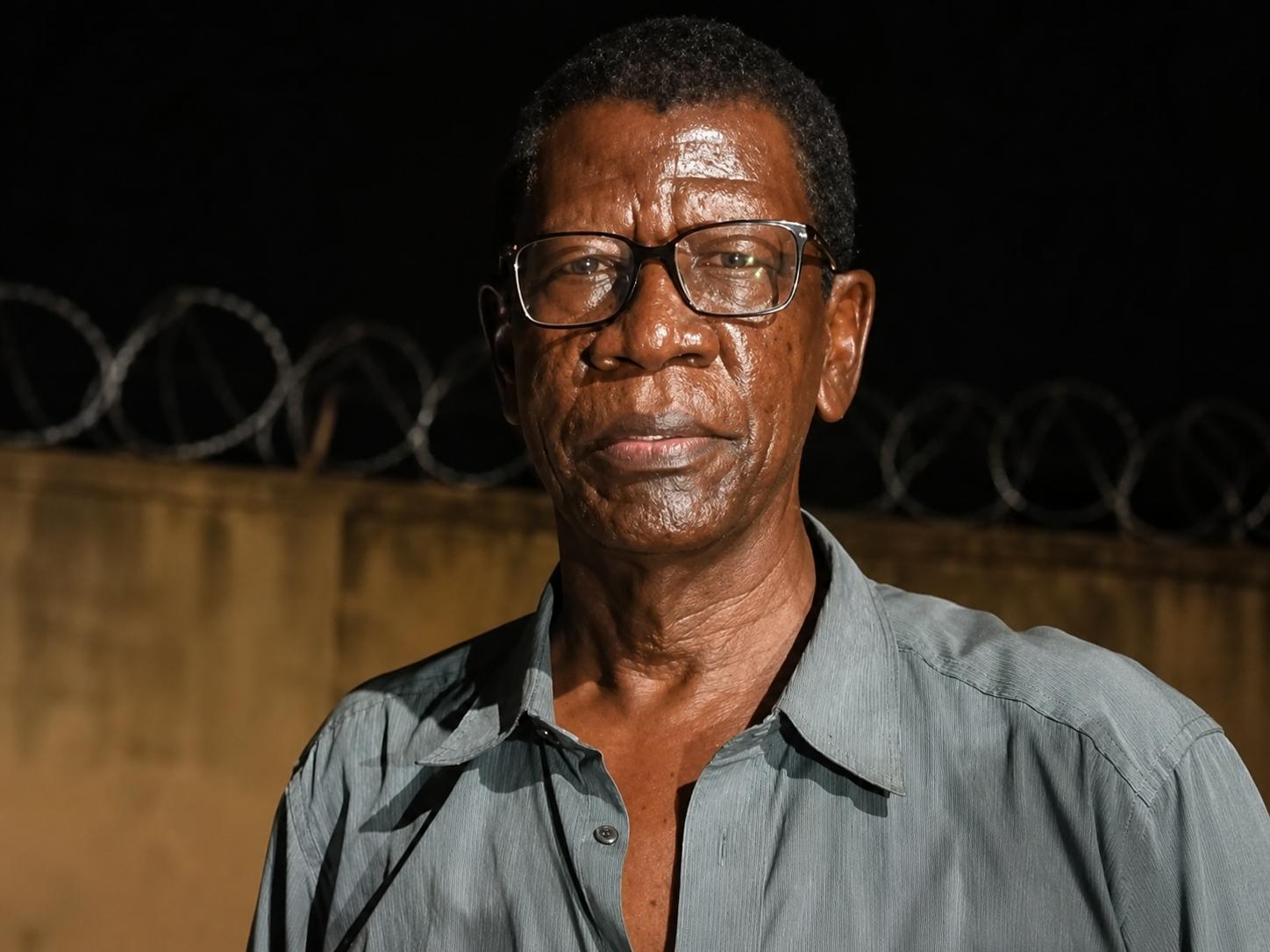
The arrest of Moussa Kaka, a prominent Nigerien journalist and human rights defender, has ignited a fierce debate over press freedom and government accountability in the country. Since his detention began weeks ago, mounting pressure from media advocates and civil society groups has forced authorities to acknowledge his status—yet the lack of transparency surrounding his case continues to fuel outrage. From silence to forced accountability: the state’s delayed response Moussa Kaka vanished after leaving his Niamey office on August 31, 2026. For days, officials remained tight-lipped, leaving his family, colleagues,…

Read More
Uncategorized

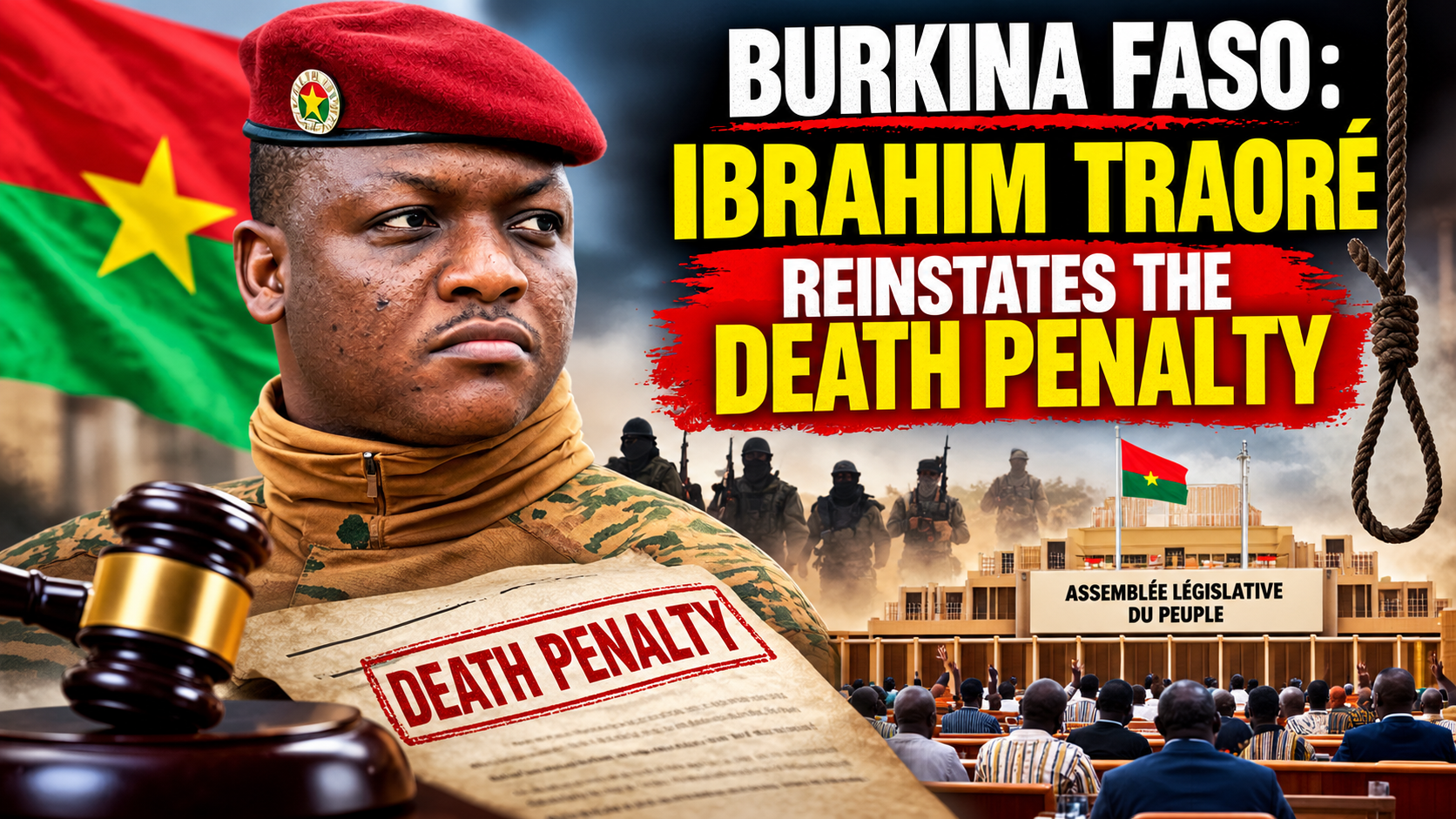
Burkina Faso’s capital punishment revival: a security cure or a step toward authoritarianism?

After the vote: how Burkina Faso’s capital punishment debate is reshaping national discourse Burkina Faso has entered uncharted legal territory after lawmakers approved a sweeping penal reform reintroducing capital punishment. While authorities frame the move as a necessary weapon against rising jihadist violence, critics warn it risks entrenching fear rather than restoring order. The unanimous passage of the new penal code by the legislative assembly signals not just a shift in criminal policy, but a broader transformation in how governance and justice are perceived under Captain Ibrahim Traoré’s leadership. The…

Read More

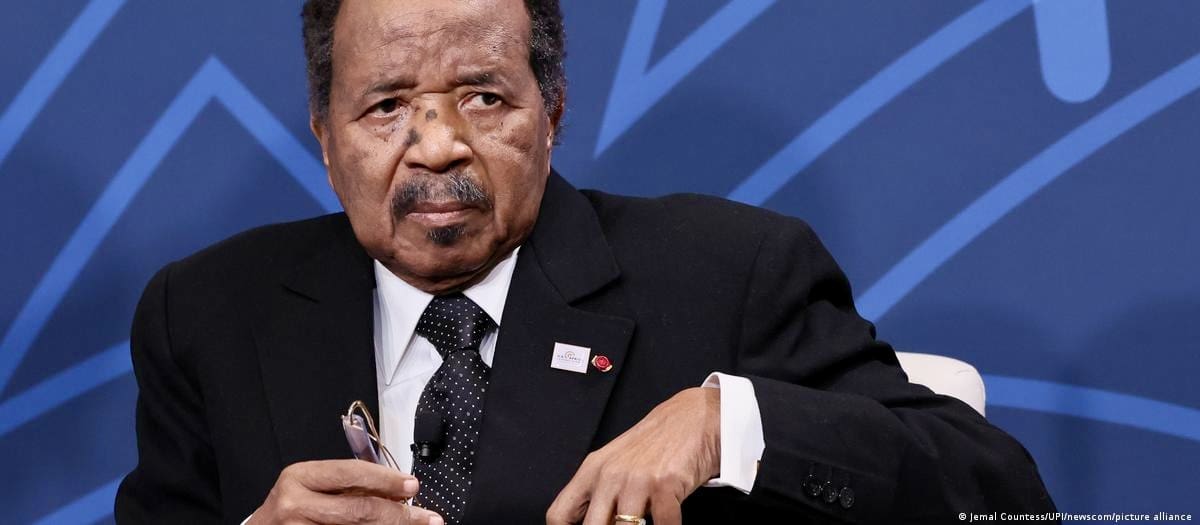
Cameroun | Risque souverain : la succession de Biya pèse sur la note du Trésor

L’agence Fitch Ratings a abaissé, le 16 octobre 2026, la note de défaut émetteur à long terme du Cameroun de « B » à « B- », tout en maintenant une perspective stable. La note en monnaie locale a subi le même déclassement. Cette dégradation traduit une perception accrue des risques pesant sur la solvabilité du pays, notamment en raison des incertitudes politiques et des difficultés de financement. Elle devrait se traduire à court terme par une hausse de la prime de risque adossée aux levées de financement sur le…

Read More
Uncategorized

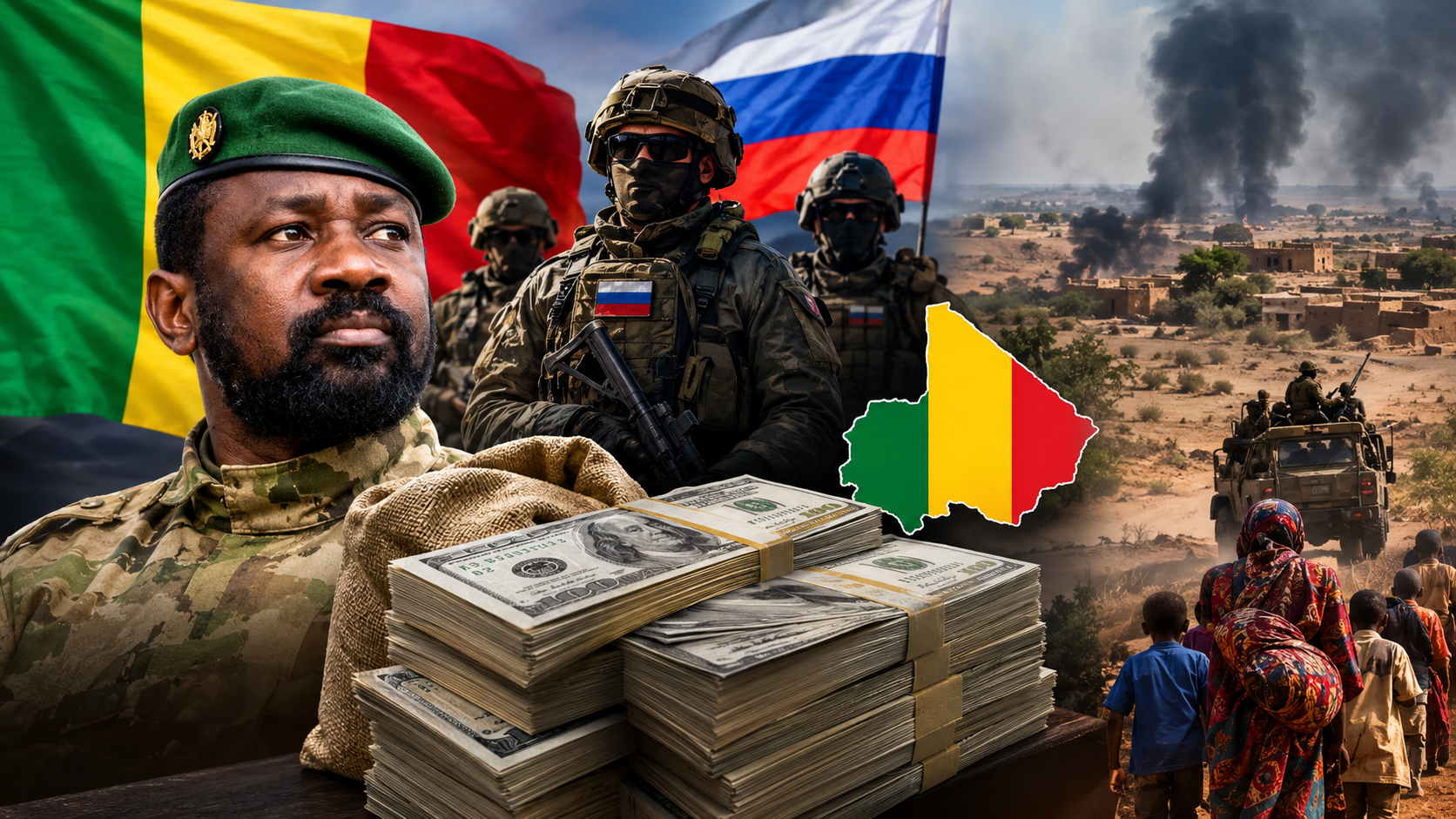
Mali’s billion-dollar gamble with Russian military support under scrutiny

Public backlash grows over Mali’s costly Russian military partnership The Malian government’s decision to pivot toward Russian military support first through Wagner Group fighters and later via the Africa Corps framework has sparked intense debate. With expenditures reportedly reaching nearly $1 billion, taxpayers and political observers are demanding accountability for a strategy that promised security but continues to face severe scrutiny. The sheer scale of the financial commitment raises pressing questions: After diverting vast public funds toward this alliance, what tangible outcomes can Bamako demonstrate to justify such an investment?…

Read More

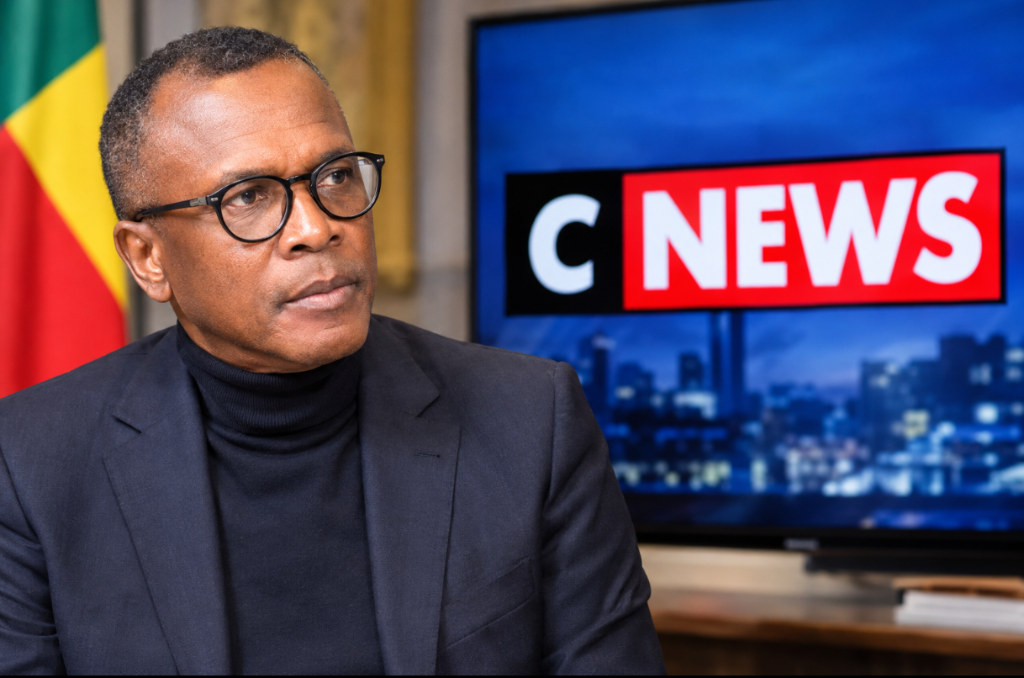
Benin weighs consequences after call to block CNews over racist content

As debates intensify across West Africa, Benin finds itself at the center of a growing controversy over the presence of the French news channel CNews in its broadcast landscape. The move, spearheaded by a senior presidential advisor, has ignited a national conversation on media accountability, cross-border discourse, and the limits of free expression. Public outrage fuels demand for accountability Claudy Siar, presidential advisor and prominent media figure, has called on Canal+ Benin to remove CNews from its local television packages, citing repeated on-air comments that he describes as racially inflammatory…

Read More

Amid scrutiny: the fallout from Congo’s $17.6 million transfer to a Trump-linked defense firm

Controversy erupts over Congo’s funds flowing to Texas defense contractor linked to Trump orbit A $17.6 million transfer from a Democratic Republic of Congo (DRC) government account to a Texas-based defense company is now sparking heated debate in Washington—and raising fresh questions about transparency in cross-border transactions. The payment, made in May 2025 to Texas Armament & Technology (TX-AT), has become a focal point for critics, who point to the unusual path of funds and the potential influence wielded by figures connected to former U.S. President Donald Trump. As federal…

Read More