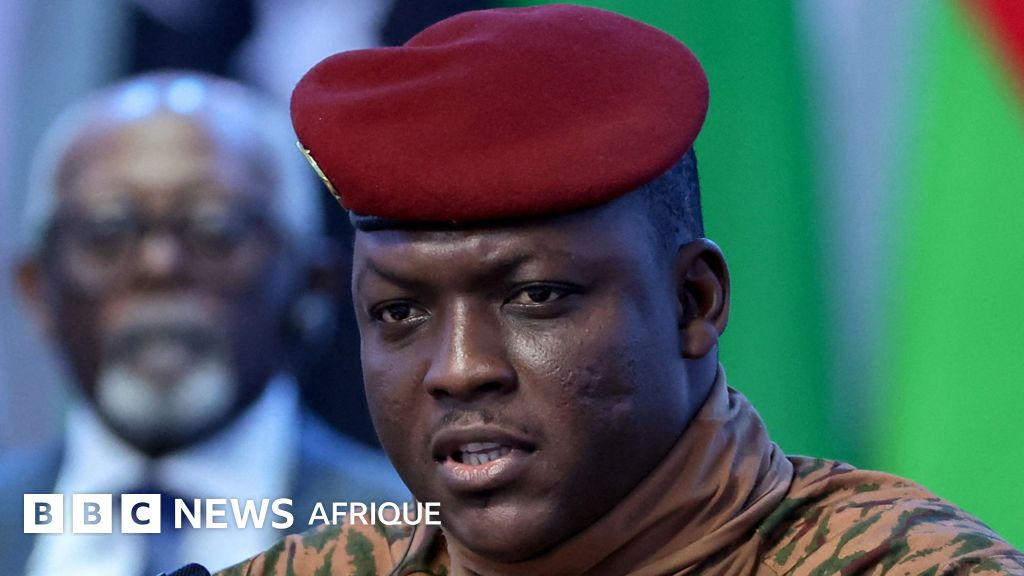
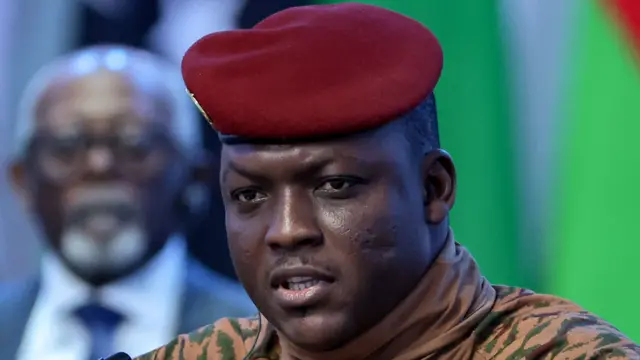
The captain leading Burkina Faso, Ibrahim Traoré, has declared that democracy is not the solution for the country, urging citizens to “forget” about the political system entirely.
Rejecting democracy as a path to instability
In a nationally televised interview, Traoré made his stance clear: “People must forget the question of democracy. Democracy is not for us.” He argued that the system had failed Burkina Faso and pointed to the Libya experience as a cautionary tale, highlighting the chaos that followed Western-backed regime change.
Liberia, he suggested, was another example of where democratic interventions had led to prolonged suffering rather than stability. He claimed that “wherever Western powers impose democracy, bloodshed follows”, reinforcing his belief in an alternative national model.
Political parties banned in push for revolutionary governance
The Burkinabè leader has taken bold steps to dismantle traditional political structures. In January, his administration dissolved all political parties, transferring their assets to the state. Traoré described these parties as sources of division and corruption, vowing to replace them with a system rooted in patriotism and revolutionary values.
“In Africa—and especially in Burkina Faso—politicians are often liars and manipulators,” he asserted. “Our approach is different. We are not copying anyone. We are here to completely transform how things are done.”
A new model built on sovereignty and hard work
The military head of state outlined a vision centered on three pillars: sovereignty, patriotism, and revolutionary mobilization. He emphasized the need for traditional leaders and grassroots structures to play a key role in rebuilding the nation. Economic and military self-sufficiency were also highlighted as critical goals.
Traoré dismissed the idea of standard working hours, stating that six-to-eight-hour workdays would not help Burkina Faso catch up with wealthier nations. “We must work harder,” he insisted, signaling a shift toward disciplined, long-term nation-building.
Crackdown on dissent amid regional unrest
Since seizing power in a coup three years ago, Traoré has faced criticism for suppressing opposition voices, media freedom, and civil society. Reports indicate that critics have been sent to frontline positions in the fight against Islamist militants, raising concerns about forced conscription and human rights abuses.
The conflict against armed groups has intensified since Traoré took control, with civilian casualties mounting. According to recent data, over 1,800 civilians have been killed in Burkina Faso since 2023, with military forces and allied militias responsible for two-thirds of these deaths.
Shifting alliances in the Sahel
Burkina Faso, along with neighboring Mali and Niger, has distanced itself from Western partners, particularly France, in the fight against Islamist insurgencies. Instead, these nations have turned to Russia for military support. Despite this realignment, violence continues unabated in the region.
Traoré’s leadership has resonated with a growing panafricanist sentiment across the continent, particularly among those critical of Western influence. His rejection of democracy and embrace of alternative governance have sparked both support and controversy, positioning Burkina Faso as a key player in a broader shift away from traditional African politics.