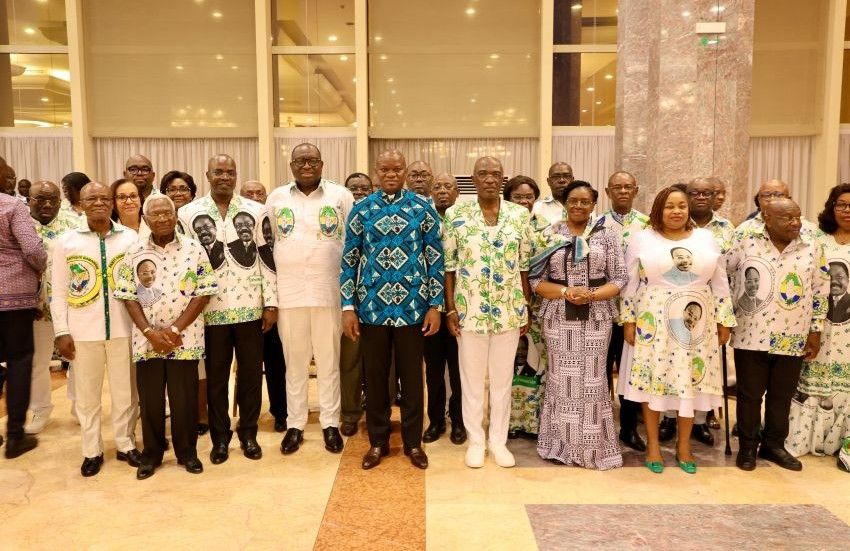
Gabon: the PDG’s hidden power struggle before the November congress Libreville, October 2026 – The Gabonese Democratic Party (PDG) is at a crossroads. Three years after losing power after decades in charge, its leaders have been granted a rare audience with President Brice Clotaire Oligui Nguema at the Palais Rénovation. But behind the diplomatic choreography and respectful exchanges, a deeper question looms: How can a party deeply divided over both ideology and nostalgia for its founder’s legacy unite for an upcoming congress that could define its future? Behind the scene…
Read MoreCategory: Politics
Niger’s military regime under fire as journalist moussa kaka remains held in secret detention
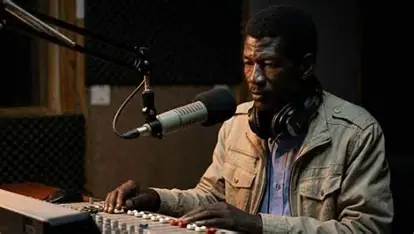
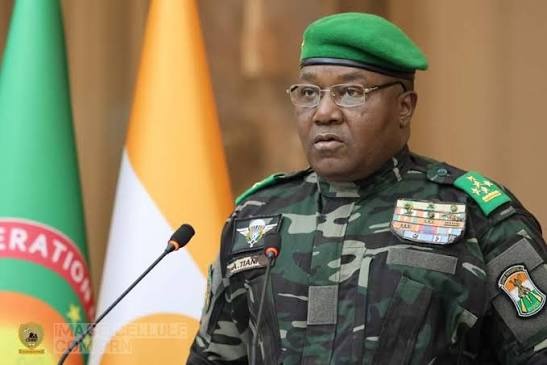
The prolonged clandestine detention of one of Niger’s most prominent journalists, Moussa Kaka, has intensified scrutiny of the military junta led by General Abdourahamane Tiani. Two months after his disappearance, questions persist over the circumstances of his arrest, the conditions of his confinement, and the ongoing refusal of authorities to provide clarity. The case has ignited a public debate about transparency, press freedom, and the government’s adherence to international legal obligations. Two months later, the regime’s excuses wear thin Moussa Kaka, director-general of Radio Télévision Saraounia (RTS) and a veteran…
Read MoreExclusive: deep dive into the unannounced visit of Ousmane Sonko to Touba’s Khalife General
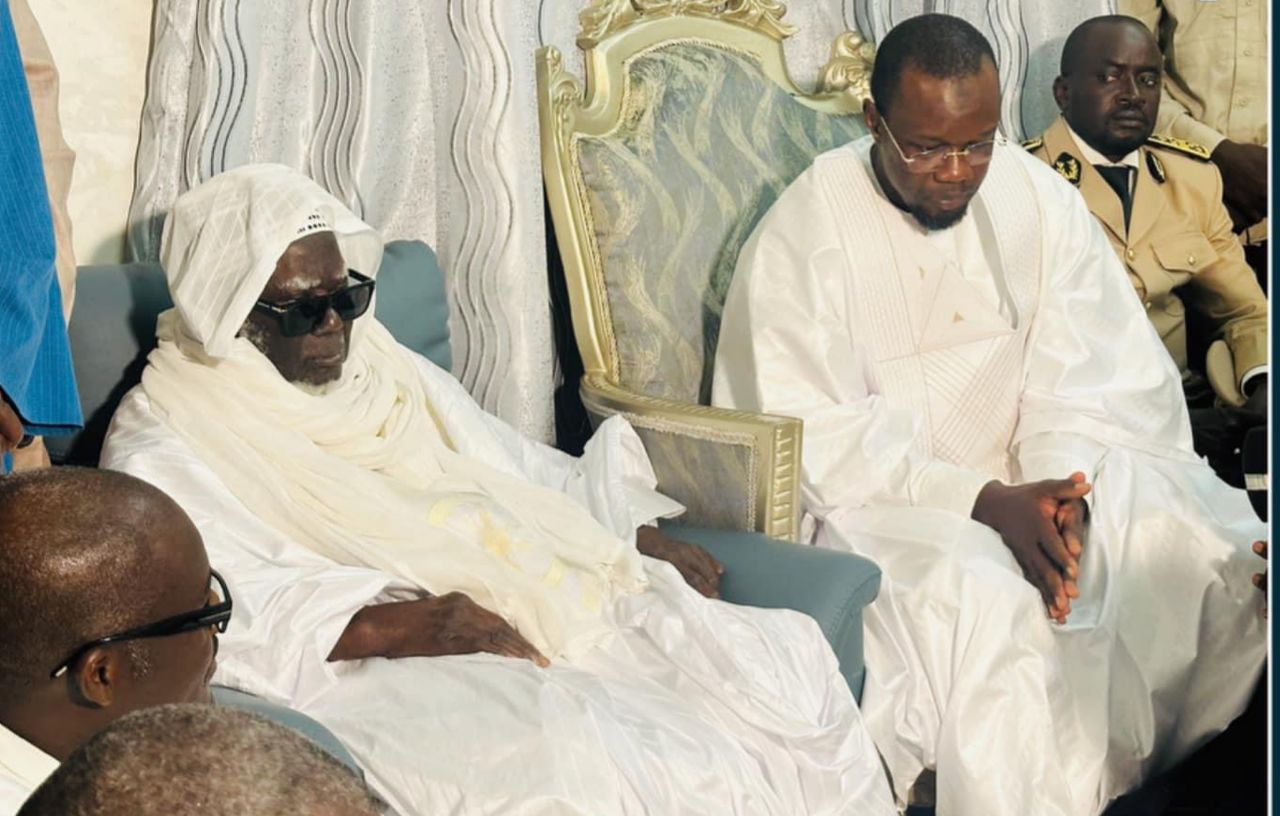
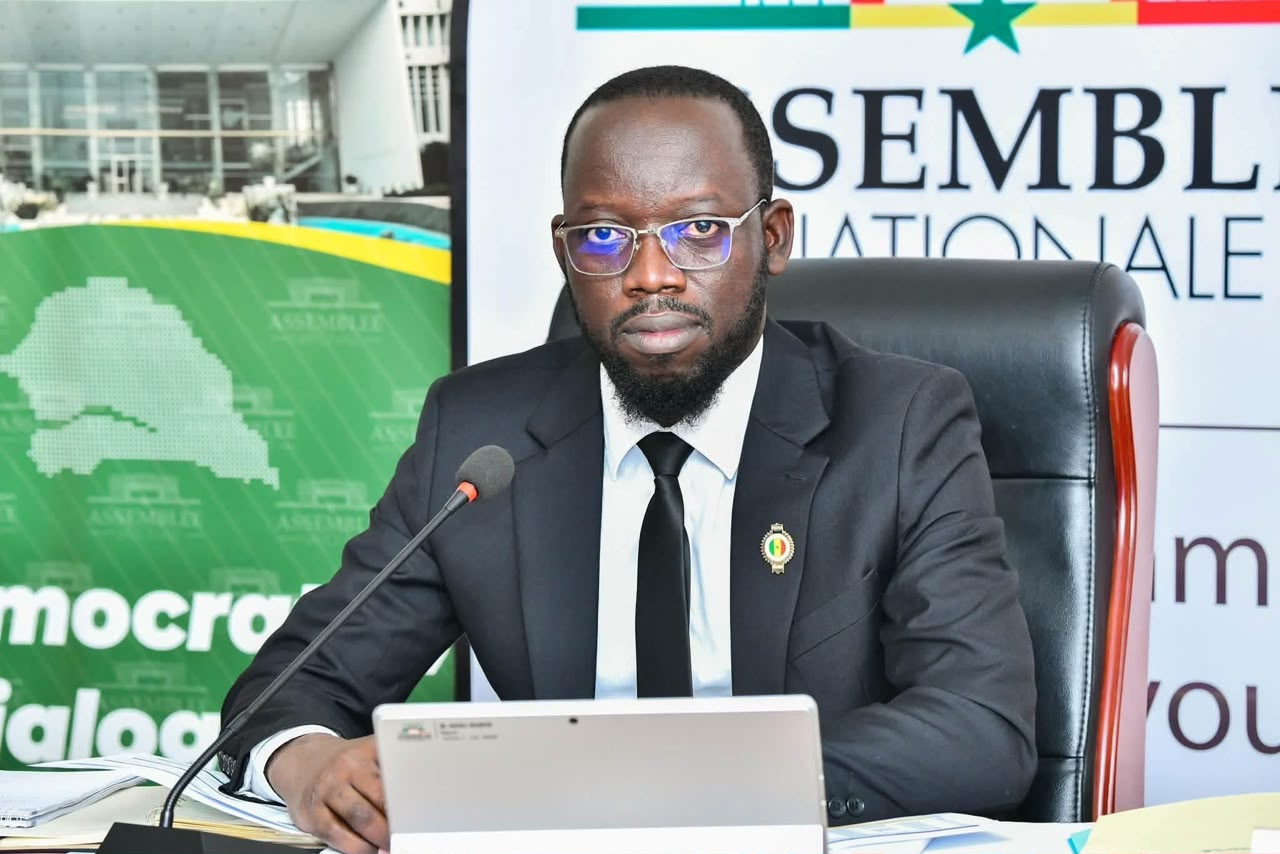
Behind-the-scenes: why the opposition leader made the unannounced trip to Touba In an unusually discreet move, Ousmane Sonko, Senegal’s influential opposition figure and National Assembly President, arrived in Touba late Thursday evening. Unaccompanied by press or large entourage, Sonko entered the holy city under the cover of night, accompanied only by Serigne Cheikh Thioro Mbacké and businessman N. S. The visit raised immediate curiosity about its purpose and timing. The timing of the nocturnal visit was not coincidental. Just hours earlier, tensions had escalated between Senegal’s executive and legislative branches,…
Read MoreBenin’s senate steps up as Senegal faces budget showdown: how will the fallout shape west african politics?
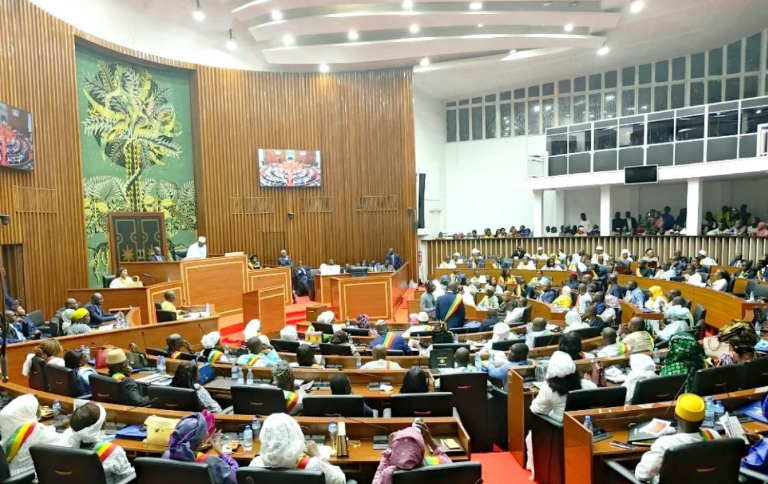
The inauguration of Benin’s upper house’s first ordinary session in Cotonou on October 28, 2026, came at a critical moment. As Senegal grappled with a high-stakes budget dispute, Benin’s newly minted Senate under President Patrice Talon positioned itself as a stabilising force — but will it be enough to prevent a repeat of regional tensions? After Dakar’s budget battle, Cotonou charts a different path The contrast could not be sharper. While Senegal’s parliament rejected a key fiscal revision bill on October 23, sparking a high-profile dispute between lawmakers and the…
Read MoreUnpacking Senegal’s political tensions: what’s driving the threats against Ousmane Sonko
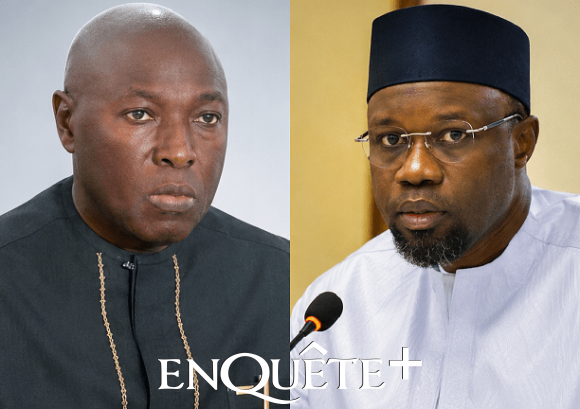
The recent surge in threats against Senegalese opposition leader Ousmane Sonko has exposed deep-rooted political fissures behind the country’s democratic facade. While public debates often focus on policy differences, the underlying motivations driving these aggressive tactics reveal a far more complex narrative—one rooted in power preservation, institutional distrust, and the suppression of dissent. Behind The Scenes: Why Threats Have Become A Political Tool In Senegal Ousmane Sonko, a prominent opposition figure and former presidential candidate, has long been a thorn in the side of establishment politics in Senegal. His rise…
Read MoreBehind-the-scenes political threats in Senegal: what’s driving pastef’s call for prosecutorial action
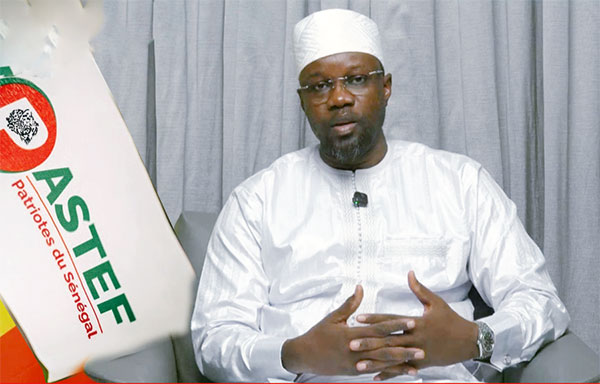
The hidden dynamics behind Pastef’s allegations of political threats in Senegal Senegal’s political landscape has taken a troubling turn as the opposition party Pastef escalates its warnings about a conspiracy targeting its leader, Ousmane Sonko. The party has formally requested immediate intervention from the Dakar prosecutor’s office, alleging that members of the ruling coalition, specifically within the Kiiraay party, are orchestrating efforts to eliminate Sonko. Behind these public accusations lies a complex interplay of political tensions, historical grievances, and concerns over escalating rhetoric. Unverified accusations but urgent concerns: the specifics…
Read MoreSenegal’s political tensions rise as ruling party member threatens ousmane sonko’s life
The recent inflammatory remarks by Arona Coumba Ndoffène Diouf, a prominent figure in Senegal’s ruling party Kiiraay, have exposed deeper underlying tensions threatening the nation’s stability. These statements, which include a direct call for a conspiracy to remove President Ousmane Sonko from power, underscore a troubling escalation in political rhetoric that risks undermining Senegal’s democratic foundations. How inflammatory rhetoric from ruling party members fuels instability The remarks by Ndoffène Diouf are not isolated but reflect a broader pattern of aggressive discourse emanating from the presidential camp. This rhetoric often targets…
Read MoreCameroon’s FSNC suspension: uncovering the hidden factors driving the government’s bold move
Cameroon’s FSNC suspension: uncovering the hidden factors driving the government’s bold move The recent three-month suspension of the Front for National Salvation of Cameroon (FSNC) has sent ripples through the political landscape, but what are the behind-the-scenes forces shaping this decision? While official justifications cite threats to national integrity and public order, deeper political and administrative dynamics may hold the key to understanding this controversial move. What triggered the suspension? The Cameroonian government, through Minister of Territorial Administration Paul Atanga Nji, suspended the FSNC under section 7 of the law…
Read MoreRussia-Africa Summit 2026 sparks debate as Mali’s Goïta shines while AES unity questioned
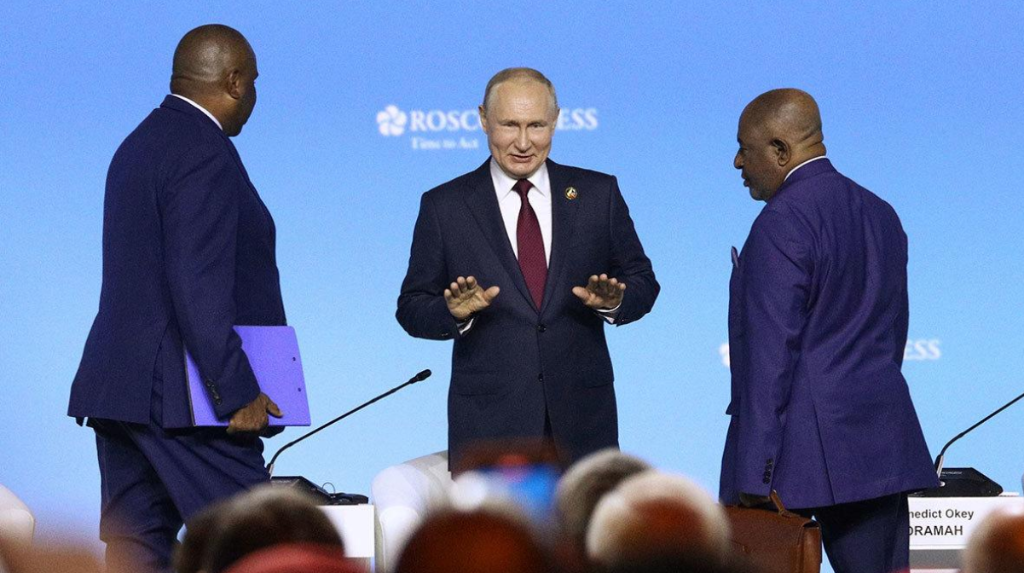
The third Russia-Africa Summit, held in Moscow on October 28–29, 2026, has exposed cracks in the Alliance of Sahel States (AES) just months after its formation. While Malian leader Assimi Goïta arrived at the forefront of a high-profile delegation, the presence of Burkina Faso’s Ibrahim Traoré and Niger’s Abdourahamane Tiani—both initially announced by Russian officials—remained uncertain, raising eyebrows across diplomatic circles. The AES at a crossroads: Mali leads while doubts linger over Traoré and Tiani The Malian president’s confirmed attendance at the summit marked a stark contrast with the absence—at…
Read MoreUnpacking Congo’s election delays: what’s driving political instability behind the scenes
Behind the formal justifications for postponing the Democratic Republic of Congo’s elections lies a complex web of political maneuvering and institutional weaknesses. Opposition leader Delly Sesanga exposes the hidden forces shaping this crisis, revealing how short-term decisions are reshaping the nation’s democratic future. As electoral timelines slip further out of reach, the implications extend far beyond calendar adjustments—they threaten to erode public trust and deepen existing fractures within Congo’s fragile governance system. What’s really behind Congo’s election postponements? The repeated delays in Congo’s electoral calendar aren’t just administrative hiccups—they reflect…
Read MoreSenegal’s political deadlock: what’s next after lawmakers reject revised budget
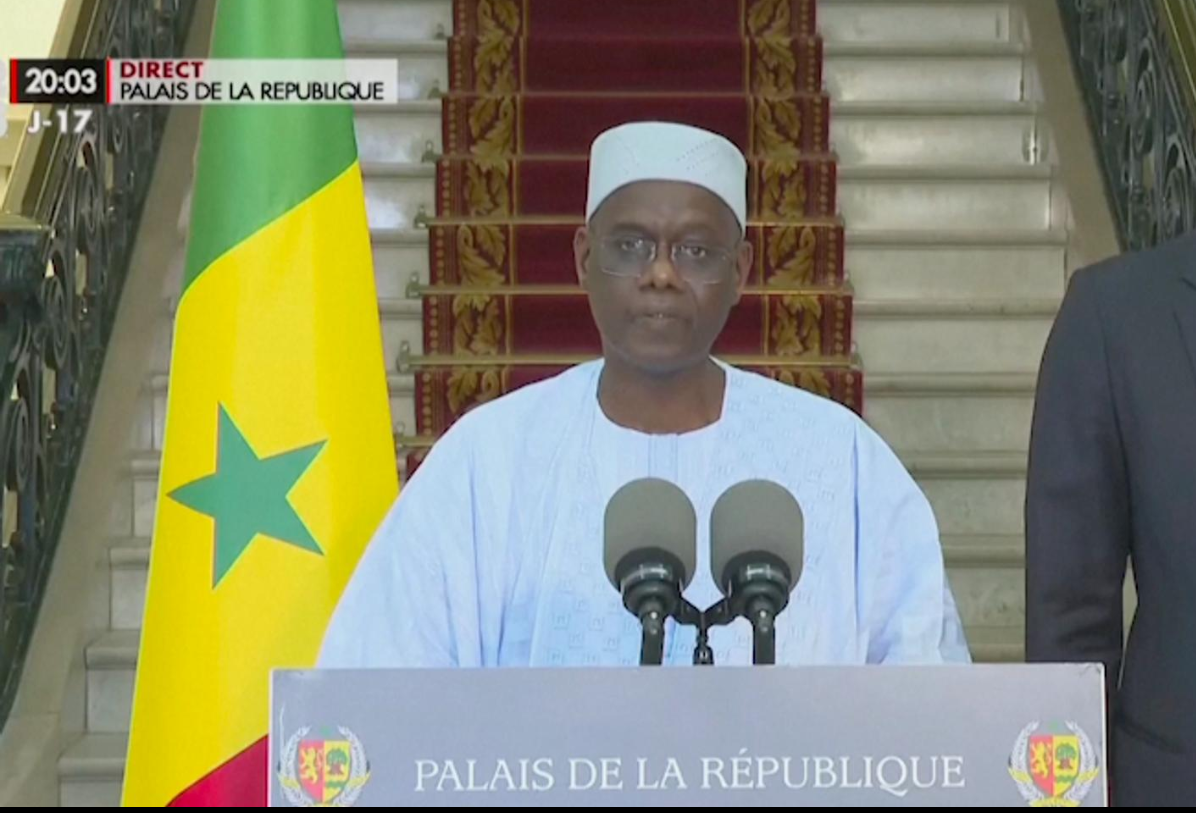
With the revised finance bill set for final debate, Senegal’s government is scrambling to avoid a political crisis after ruling party lawmakers dealt it an unexpected blow. The rejection of the bill in committee has exposed deep divides within the ruling coalition and left the fate of the government’s economic agenda hanging in the balance. From rejection to reckoning: the parliamentary shockwave The timing could not have been worse. Just days before the bill was due for a crucial parliamentary vote, lawmakers from President Bassirou Diomaye Faye’s own coalition rejected…
Read MoreNiger’s military regime: promises of change falter as crises deepen after 2023 coup
From overthrow to oversight: the promises of Niamey’s junta in the crossfire The July 2023 overthrow of democratically elected President Mohamed Bazoum was sold to Nigeriens as a turning point—one that would end corruption, restore security, and reclaim national sovereignty. Three years later, the ruling National Council for the Safeguarding of the Homeland (CNSP) faces a stark reality: instead of reversing the country’s decline, its rule has deepened existing crises and introduced new ones. The question now is no longer about the past failures of Bazoum’s administration, but whether the…
Read More