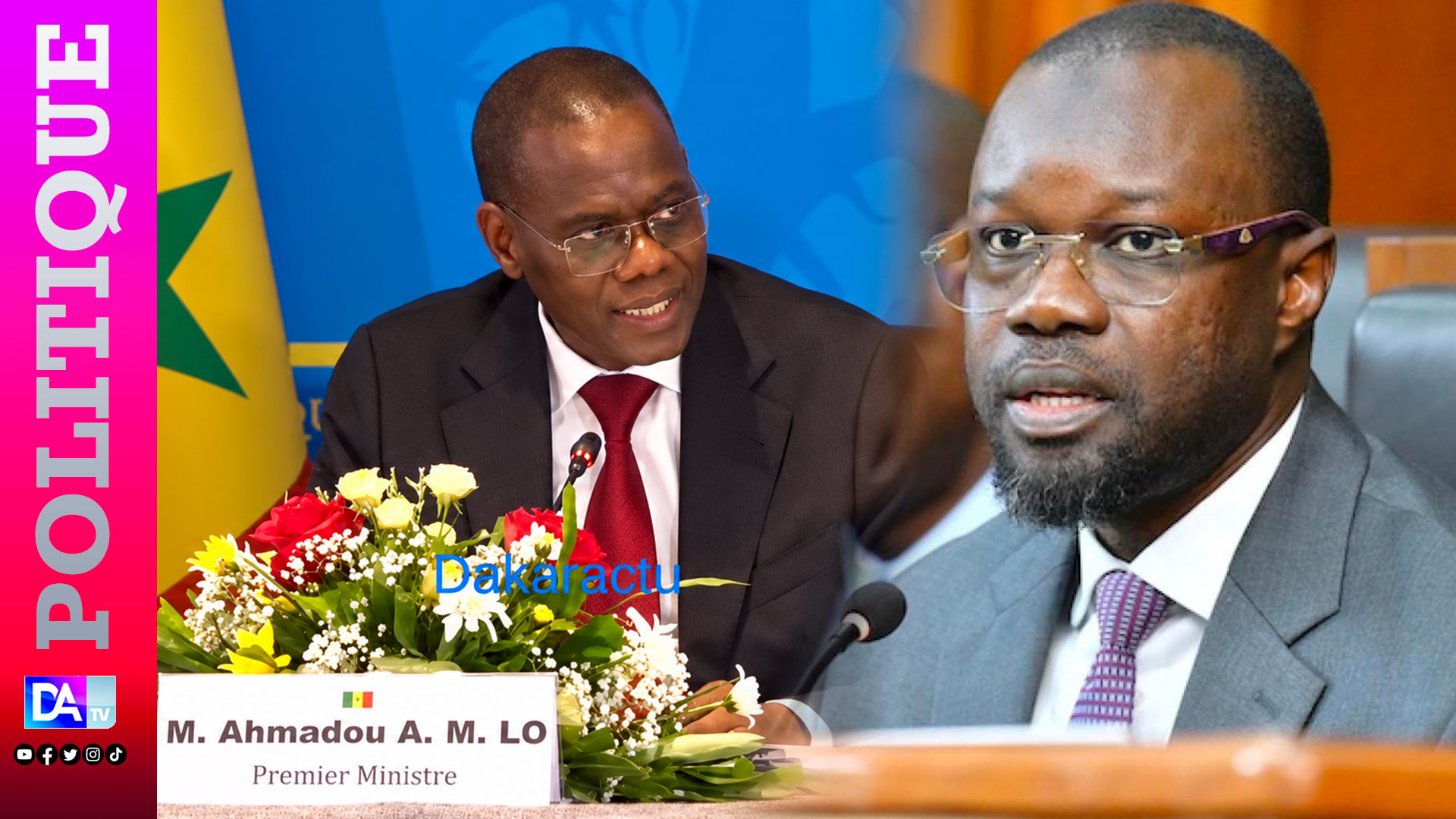
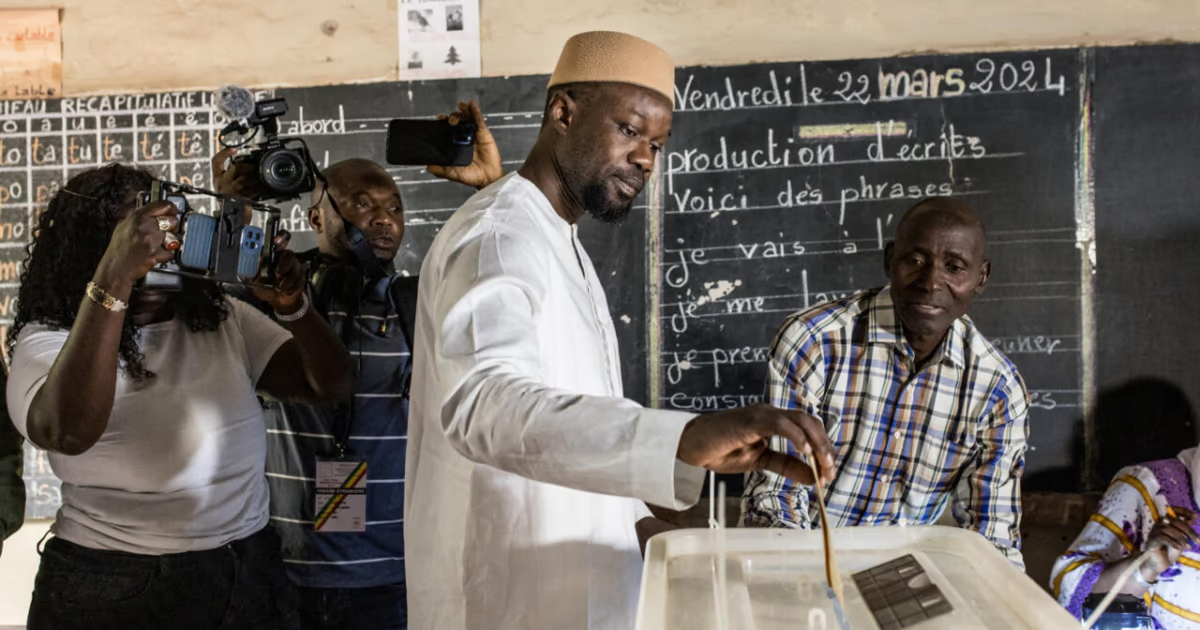
The unveiling of Senegal’s Rectified Finance Law (LFR) for 2026 has exposed deep-seated contradictions within the political and economic landscape, as Prime Minister Al Aminou Lo defends the adjustments against sharp criticism from opposition factions. While the LFR was initially framed as an extension of the 2026 Finance Law presented by former Prime Minister Ousmane Sonko—approved by an overwhelming majority—the current National Assembly president now stands as one of its fiercest detractors. The debate has sharply intensified, revealing how economic unpredictability and shifting political loyalties are reshaping the nation’s financial…
Read MoreCategory: Politics
Algeria’s parliament session sparks debate over Sahel military shift and regional fallout
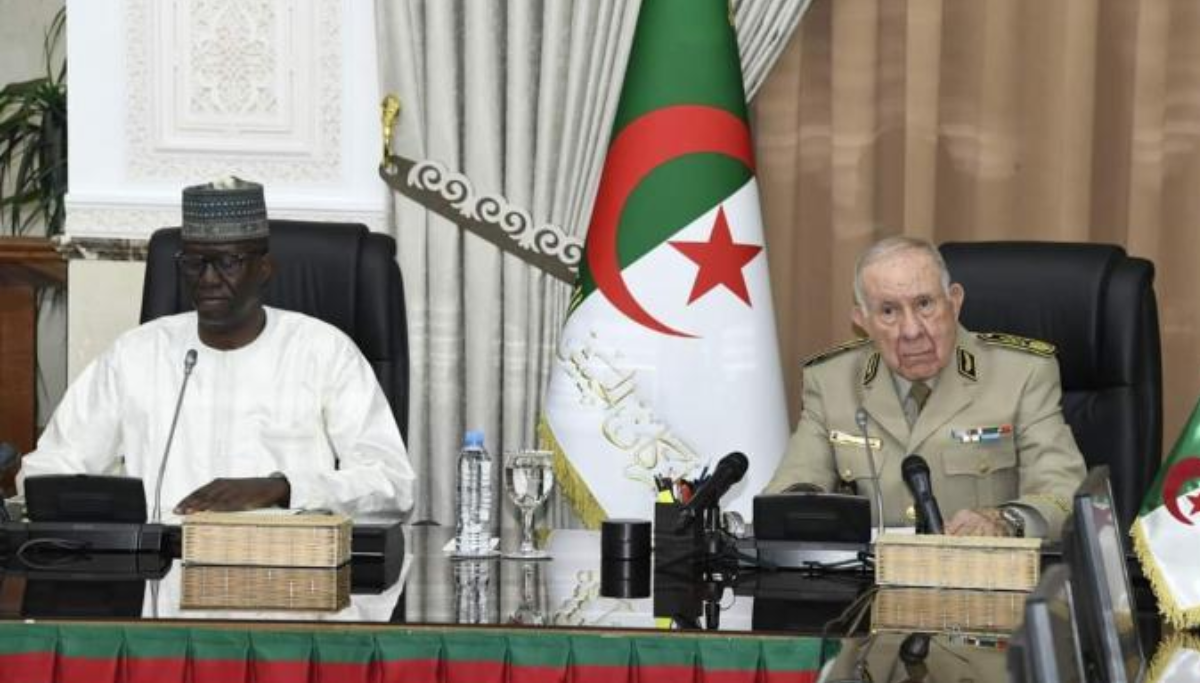
The urgent summoning of Algeria’s parliament on 25 October has reignited discussions about the nation’s evolving military role in the Sahel, with public attention fixed on the potential fallout of a deeper engagement in Niger. Beyond the spectre of direct intervention, the move raises broader questions about regional sovereignty, shifting alliances, and the future of security dynamics in a volatile area. Parliament’s role in shaping Algeria’s next military steps The extraordinary session of both parliamentary chambers has fuelled speculation about Algeria’s intentions. While no official agenda has been disclosed, the…
Read MoreGabon’s decentralisation: uncovering the hidden barriers to local empowerment
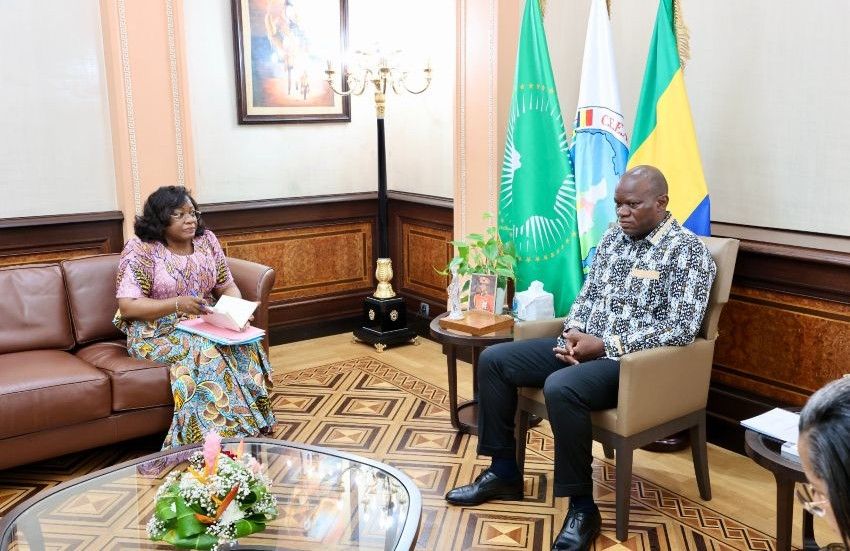
Libreville — President Brice Clotaire Oligui Nguema’s recent meeting with Senate President Huguette Nyana Ekoume Awori Onanga signals a renewed push for decentralisation in Gabon. Yet beneath the political will lies a critical question: how can territories gain real decision-making power without the financial and administrative means to exercise it? Decentralisation stands as one of Gabon’s most pivotal reforms, designed to bring governance closer to citizens. By empowering local authorities, the initiative aims to tailor public policies to provincial realities, address territorial inequalities, and respond more directly to community needs.…
Read MoreBénin’s Démocrates party: fallout grows as appeal verdict looms and Atchadé tightens grip
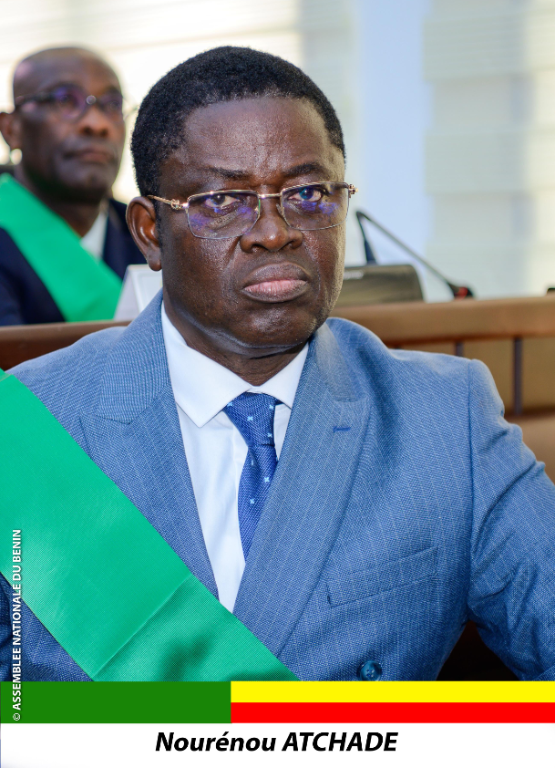
The protracted leadership battle within Bénin’s main opposition party, Les Démocrates, has entered a new phase of uncertainty. With the appeal trial in the Houndété-Atchadé dispute now postponed to 14 January 2027, the political fallout intensifies. Amid ongoing legal wrangling, Nourénou Atchadé’s faction solidified its position by securing his presidency during an extraordinary party congress on 11 October 2026, raising fresh questions about legitimacy, unity, and the party’s future direction. Public reactions and the deepening divide The postponement of the appeal hearing has done little to ease tensions. Instead, it…
Read MoreDR Congo’s constitution at 20: the untold story behind its struggles
Two decades after its adoption, the Democratic Republic of Congo’s constitution remains a subject of intense debate. Guy Loando Mboyo, minister of state for parliamentary relations, highlights the gaps and unaddressed issues that have shaped the nation’s legal and political landscape over the past 20 years. The roots of constitutional shortcomings According to Mboyo, the challenges stem from deep-seated structural and implementation flaws. The constitution, while ambitious in its design, has struggled to adapt to the evolving needs of DR Congo’s complex societal fabric. Political instability, institutional weaknesses, and shifting…
Read MoreBehind the curtain: how Diomaye Faye and Sonko’s shifting stances are reshaping Senegal’s political landscape
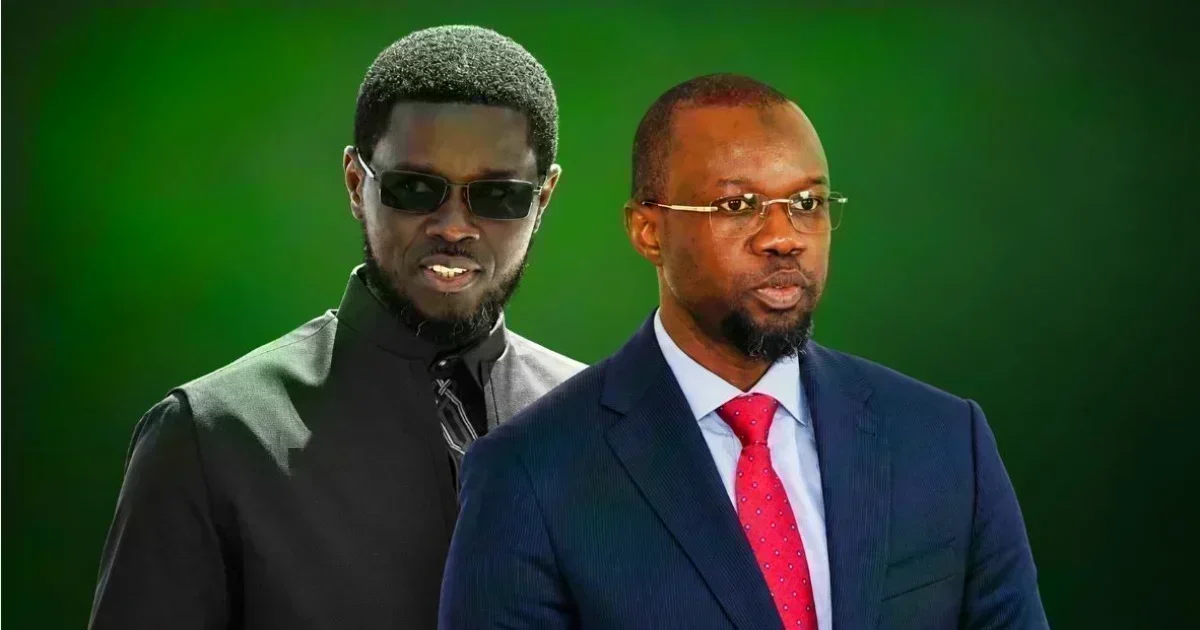
A deep dive into the behind-the-scenes shifts reveals why the once-united front between Bassirou Diomaye Faye and Ousmane Sonko is now fraying at the edges. Electoral analyst Ndiaga Sylla highlights the widening gap between rhetoric and reality, questioning whether the two leaders are prioritizing the urgent needs of Senegalese citizens. In an analysis titled “Between Republican ideals and power’s contradictions”, Ndiaga Sylla dissects the evolving positions of President Bassirou Diomaye Faye and Ousmane Sonko. His conclusion is stark: what Sonko once rejected as Prime Minister, Faye now embraces, and vice…
Read MoreBurkina Faso’s stalled public investments: where do the billions disappear?
Public outrage is growing across Burkina Faso as a new report reveals a staggering gap between promises and projects. Despite record budgets allocated to infrastructure and public services, only a fraction of these investments ever materialize, sparking fierce debates about accountability and the country’s economic future. Why 63% of public projects in Burkina Faso fail before completion Every year, the government allocates billions of francs to schools, roads, and water systems, yet development remains out of reach for millions. Official figures show that merely 37% of planned investments are ever…
Read MoreBurkina Faso’s death penalty revival: a political weapon aimed at Damiba
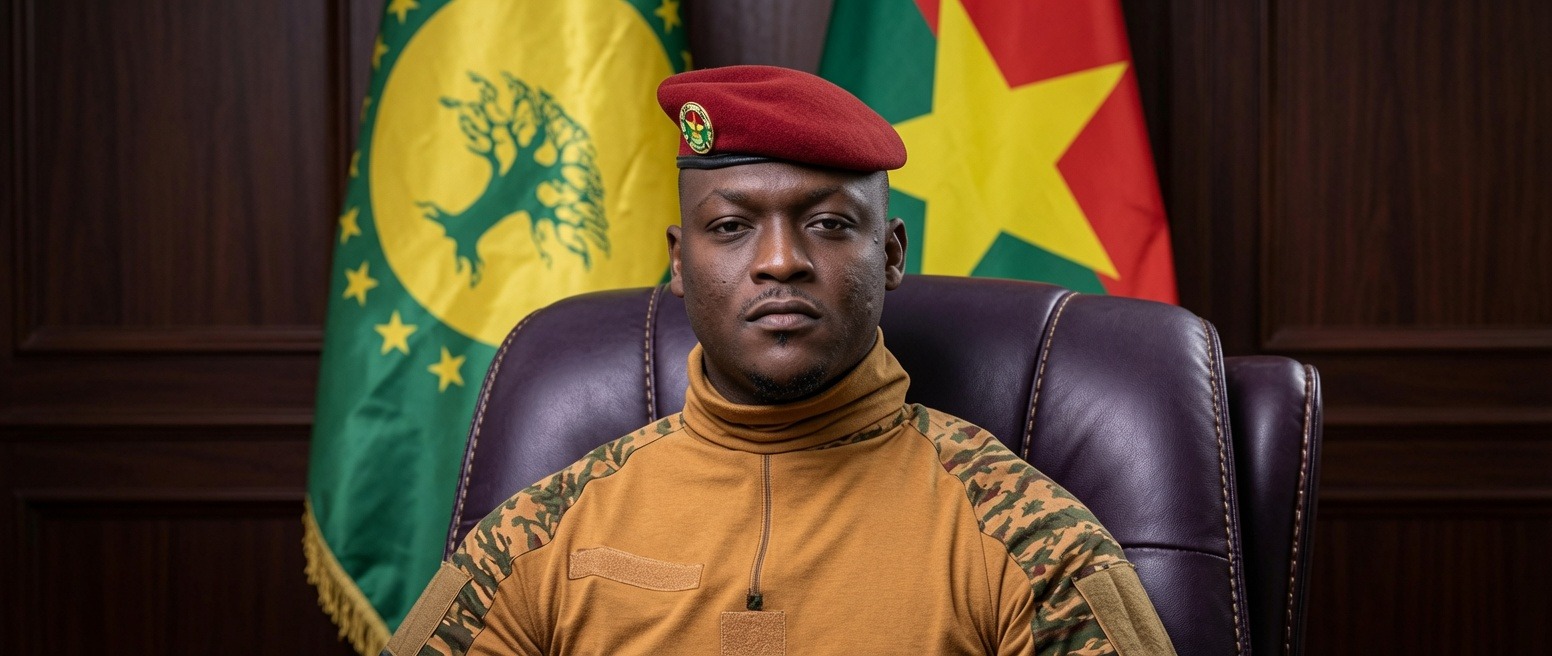
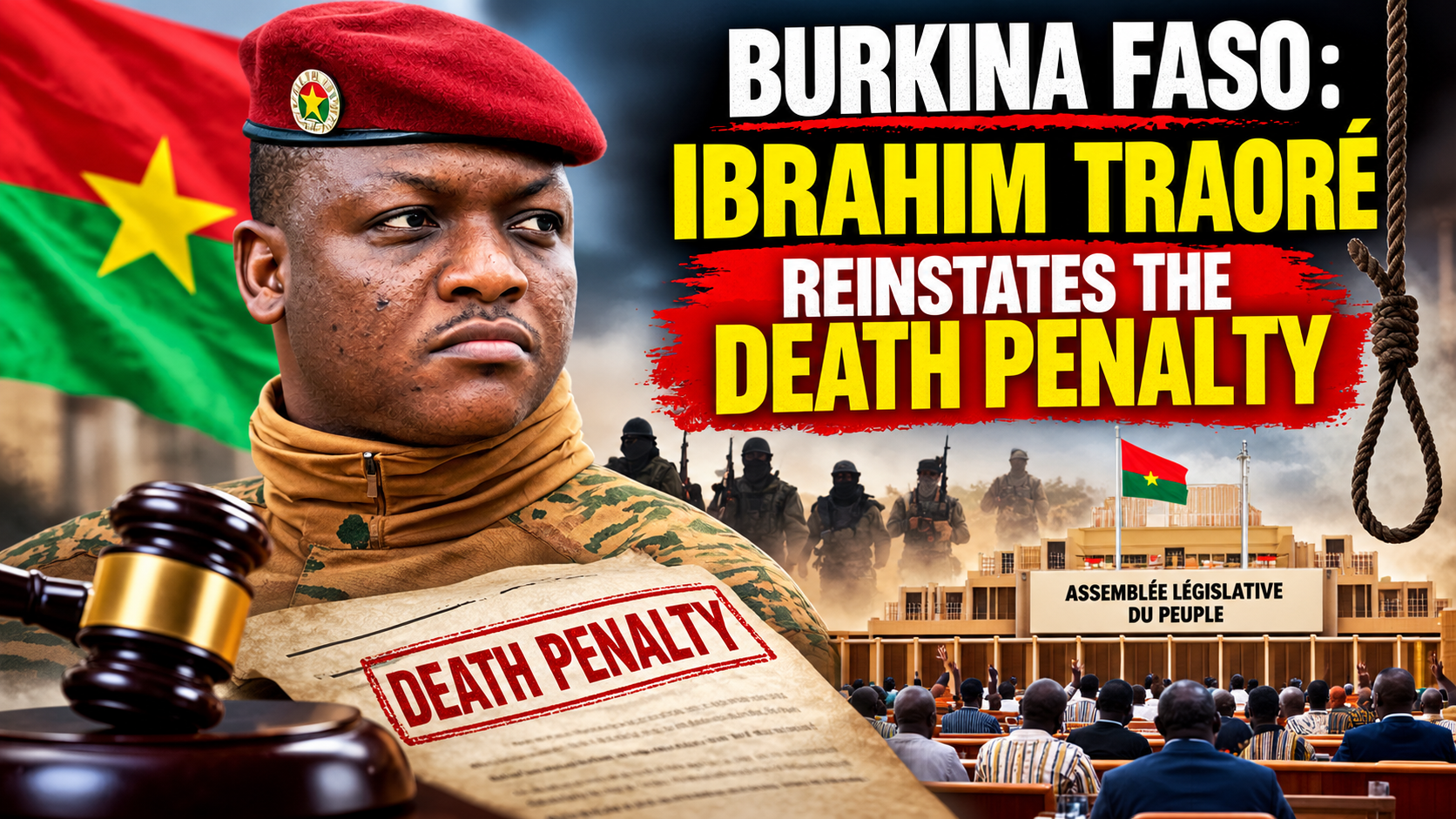
Burkina Faso’s military government has just taken a bold step that could reshape the nation’s future. By unanimously reinstating the death penalty through its transitional legislative assembly, the regime under Captain Ibrahim Traoré has signaled a definitive shift toward harder lines in Ouagadougou. Dubbed with chilling clarity as the end of ‘sentimentalism,’ this legal move—abolished in the country since 2018—is being framed by the executive as a stern measure to restore national resolve. Yet beneath the nationalist rhetoric and claims of fighting treason, many suspect this isn’t just about justice.…
Read MoreBurkina Faso’s capital punishment revival: a security cure or a step toward authoritarianism?
After the vote: how Burkina Faso’s capital punishment debate is reshaping national discourse Burkina Faso has entered uncharted legal territory after lawmakers approved a sweeping penal reform reintroducing capital punishment. While authorities frame the move as a necessary weapon against rising jihadist violence, critics warn it risks entrenching fear rather than restoring order. The unanimous passage of the new penal code by the legislative assembly signals not just a shift in criminal policy, but a broader transformation in how governance and justice are perceived under Captain Ibrahim Traoré’s leadership. The…
Read MoreTogo’s political deadlock: opposition demands systemic change amid rejected dialogue
Togo’s latest attempt to revive political dialogue has collided head-on with an uncompromising refusal from four major opposition alliances. Unified under the banner of the ‘Generation Togo Manifesto’, these groups are calling for nothing less than a full political transition and a sweeping national convention—sparking fresh debate about the country’s democratic future and the path forward. Opposition shuts door on government-led talks On October 9, 2026, Gilbert Bawara, Togo’s minister responsible for parliamentary and institutional affairs, relaunched structured political consultations within the Permanent Framework for Concertation (CPC). The move, intended…
Read MoreBehind the budget battle: how Senegal’s 2026 finance bill reveals deeper economic tensions
Behind the budget battle: how Senegal’s 2026 finance bill reveals deeper economic tensions The draft 2026 finance bill has become more than just a fiscal document—it has exposed the fault lines in Senegal’s economic priorities and governance. As the National Assembly prepares to vote on the rectified budget law (LFR), Ousmane Sonko, leader of PASTEF, has taken a firm stance against the current proposal, arguing that it strays from the country’s transformative agenda and risks widening inequality. At a press conference on October 19, 2026, Sonko made clear that PASTEF…
Read MoreSenegal’s 2027 local elections: early candidates and the public response sparking debate
What the early candidates reveal about Senegal’s political future With the 2027 local elections in Senegal drawing closer, the first wave of declared candidates has already begun reshaping the electoral landscape. While formal candidate lists have yet to be finalized, the public declarations and party endorsements reveal emerging alliances, ideological clashes, and the evolving priorities of Senegalese voters. These early signals are not just political maneuvers—they are setting the stage for a national conversation about local governance, service delivery, and the future direction of municipalities from Dakar to Matam. Dakar’s…
Read More