Dialogue national in Senegal praised by Seydina Oumar Touré
In a bold endorsement of President Bassirou Diomaye Faye’s latest initiative, Seydina Oumar Touré, Director-General of Senegal’s Agency for Security and Proximity (ASP), has publicly praised the national dialogue framework as a cornerstone for the nation’s enduring stability. In a political climate marked by regional uncertainty, Touré emphasized the vital role of tolerance and peace in sustaining national cohesion. Touré’s statement reflects a deep appreciation for Senegal’s political tradition of constructive engagement. Writing in a widely shared message, he highlighted how the country’s stability—amidst challenges faced by neighboring nations—stems from…

Read More

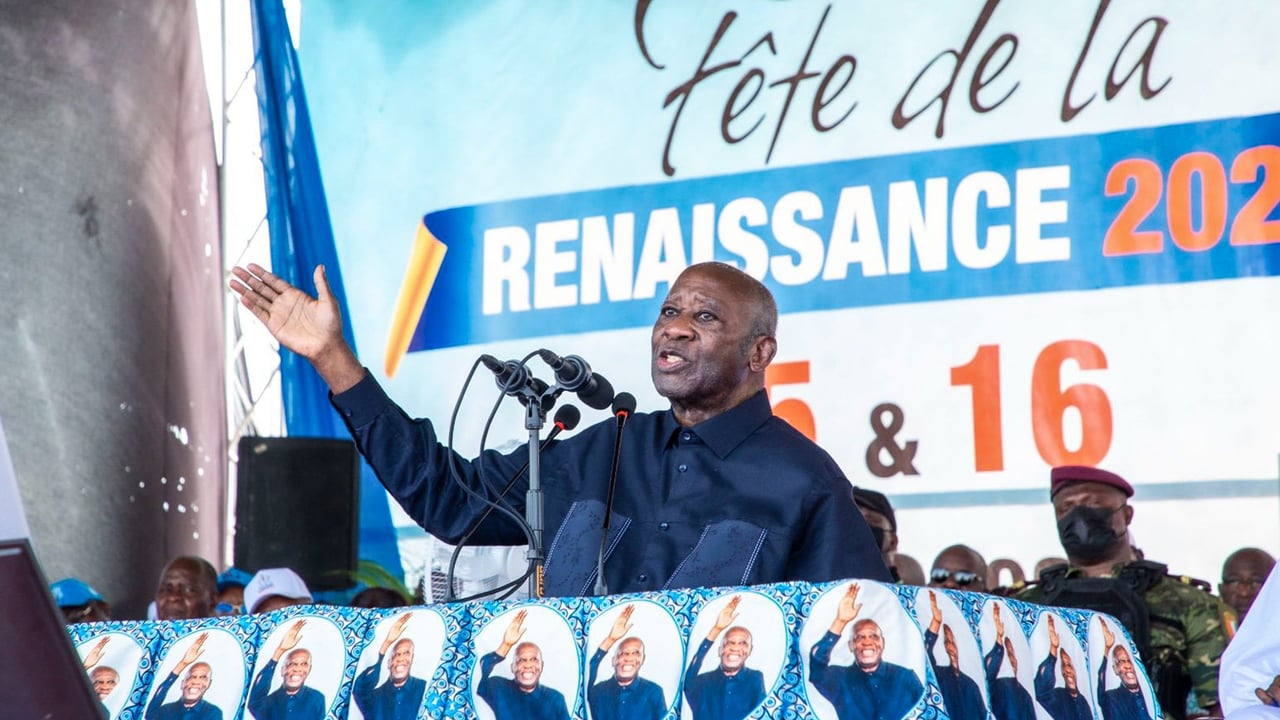
Laurent Gbagbo maintains influence over Ivorian party PPA-CI despite stepping back

In a move that has reshaped the political landscape of Côte d’Ivoire, Laurent Gbagbo has officially stepped away from the presidency of the Ivorian Popular Front (PPA-CI), yet his influence over the party remains undiminished. The announcement, delivered during a high-profile gathering in Songon, marks a strategic shift rather than a true withdrawal from power. The decision, which took effect on May 16, 2026, reflects a carefully orchestrated transition designed to secure the party’s future while preserving Gbagbo’s legacy. Observers note that while his name no longer appears in the…

Read More

Pastef party: urgent mediation needed to heal tensions between Ousmane Sonko and Abass Fall

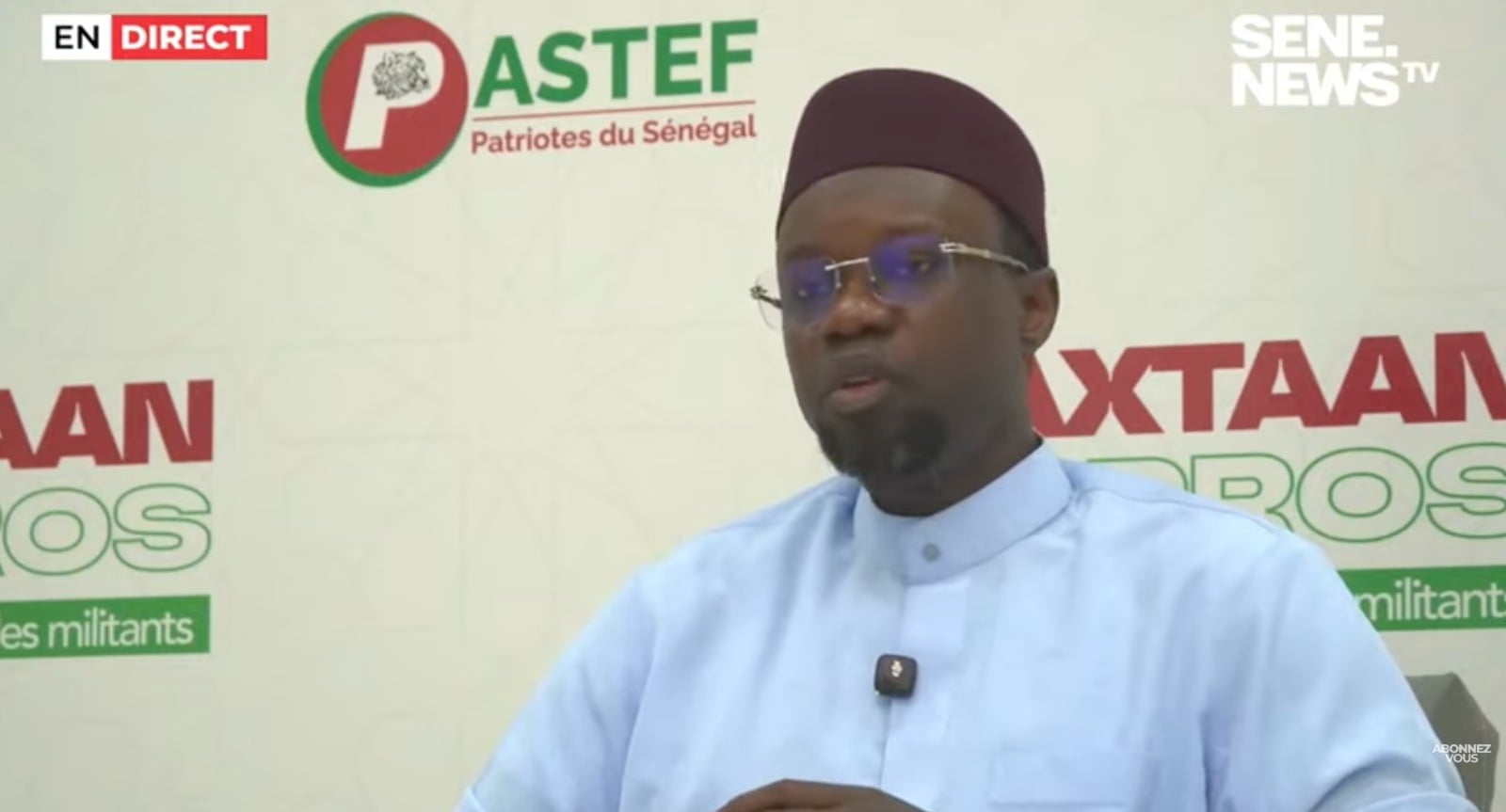
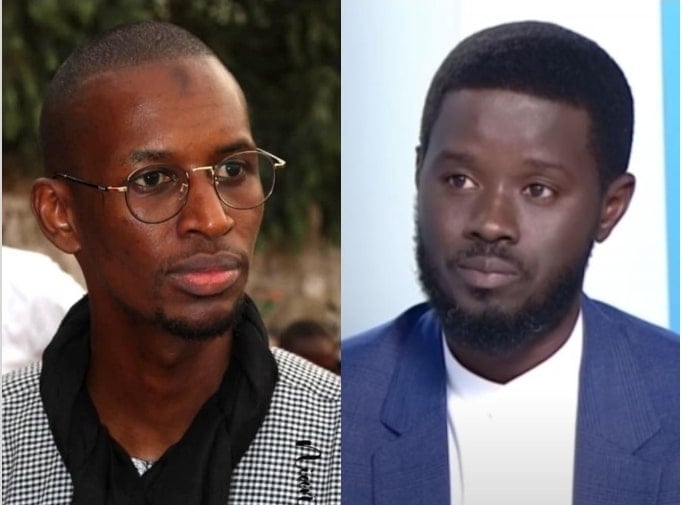
Pastef party: urgent mediation needed to heal tensions between Ousmane Sonko and Abass Fall With Senegal’s local elections just one year away, internal divisions within the Pastef party are intensifying, threatening its unity and political ambitions in Dakar. The escalating rivalry between figures like Abass Fall and Khouraïchi Thiam demands swift intervention from party leader Ousmane Sonko to prevent a damaging split that could undermine his broader political standing. Internal conflicts risk derailing Pastef’s electoral strategy The growing tensions inside Pastef are more than just personal disputes—they risk reshaping the…

Read More

Women’s political representation in Senegal: progress and persistent challenges

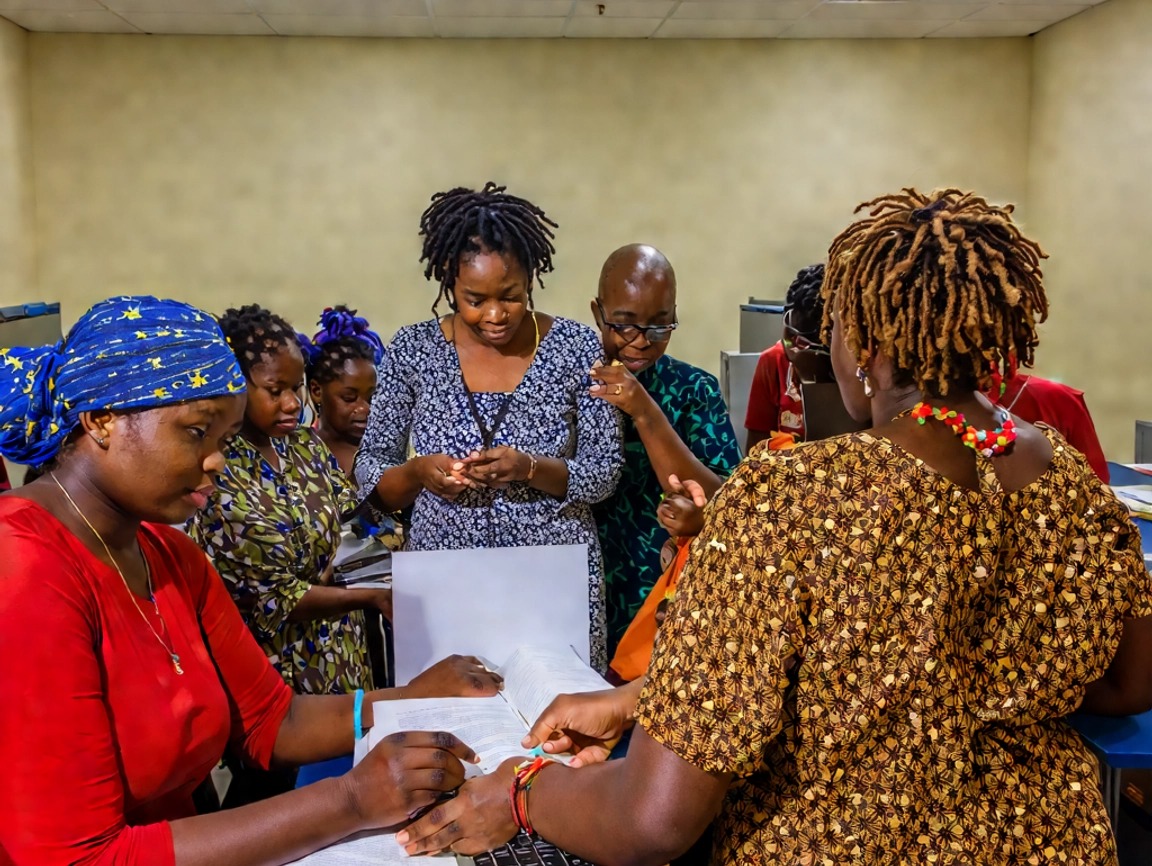
The Republic of Senegal, long regarded as a beacon of democracy in Africa, continues to grapple with a persistent challenge: the underrepresentation of women in decision-making bodies. Despite constitutional guarantees of gender equality and landmark legislation such as the 2010 parity law, the latest figures paint a sobering picture. Out of 558 communes, only 18 are led by women, while just three out of 43 departmental councils are chaired by female leaders. Recent legislative elections have further highlighted this disparity. In the November 2024 polls, women’s representation in the National…

Read More

Senegal grapples with rising social unrest amid political tensions

The social fabric of Senegal is increasingly strained as citizens voice mounting frustrations over economic hardships and administrative hurdles. In urban centers and rural communities alike, families struggle with soaring living costs, particularly housing expenses, while access to essential services remains inconsistent. Bureaucratic delays further exacerbate daily challenges, fueling widespread discontent among the population. Young people, in particular, express growing concerns about limited economic opportunities, with many questioning whether current policies can address their aspirations for stable employment and improved livelihoods. Analysts warn that if structural reforms are not implemented…

Read More

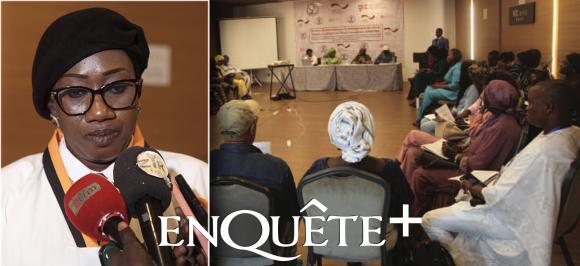
Political representation: RFLD highlights Senegal’s need for women in decision-making

Dakar witnessed a powerful call for greater political inclusion this week as the Réseau des femmes leaders pour le développement (RFLD) urged Senegal to integrate women more deeply into its decision-making processes. Speaking at a high-profile seminar on gender representation, Bator Seck, president of the RFLD in Senegal, emphasized that the nation’s democratic future cannot be fully realized without the active participation of women. The event, held in Dakar, brought together activists, policymakers and civil society leaders to address the persistent challenges women face in accessing political leadership roles. Seck…

Read More

Senegal legal probe targets former ally of ex-president over un claims

In a move that underscores the ongoing political realignment in Senegal, the public prosecutor’s office in Dakar has initiated a formal investigation into Thierno Lô, a prominent former minister and long-standing associate of former President Macky Sall. The inquiry centers on allegations surrounding an alleged but ultimately unsuccessful bid by the ex-president to secure a position within the United Nations system. The Urban Security unit of Dakar’s police force has been tasked with carrying out the probe, as confirmed by local sources. Legal proceedings launched by Dakar’s prosecutor The decision…

Read More

Strategic reshuffle at Chad’s Ministry of Public Security

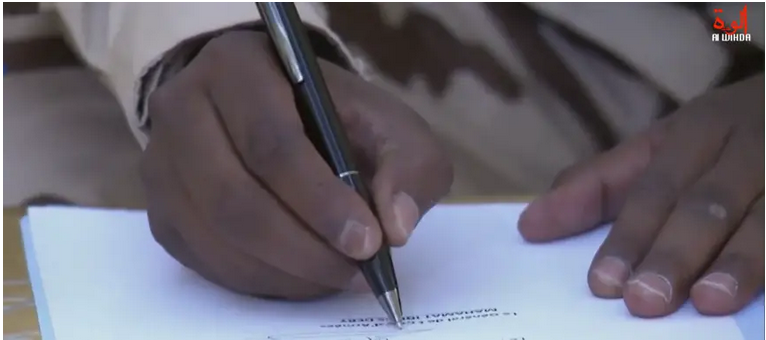
The government of Chad has confirmed a series of high-level appointments within the Ministry of Public Security, signaling a tactical reorganization of its internal leadership. These changes affect two major directorates responsible for user services and administrative management. Key leadership changes in public security The restructuring involves several prominent figures moving into new roles to streamline the ministry’s operations. The following appointments have been formalized: General Directorate of User Reception Centers: Mahamat Koty Abdraman has been appointed as the new Director. He takes over the position from Ismail Moussa Fadoul…

Read More

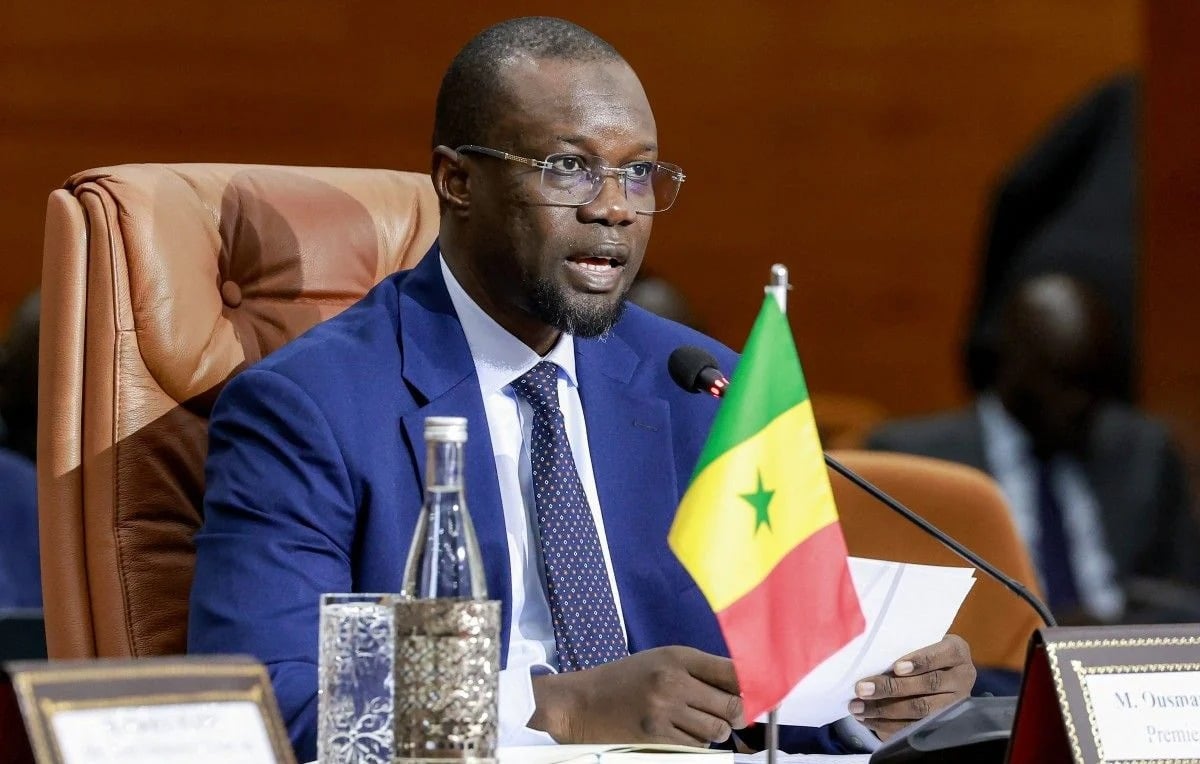
Senegal assembly debate: sonko’s speech amidst electoral reform tensions

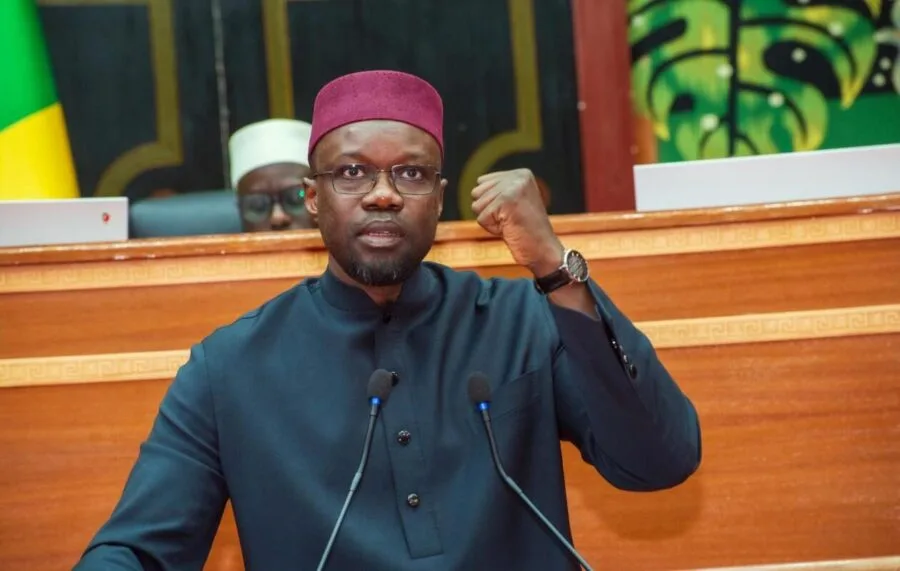
Senegal’s Parliament Braces for Heated Debate as Ousmane Sonko Takes the Floor This Friday, Senegal’s political landscape will be under the spotlight as Ousmane Sonko, Prime Minister, addresses the National Assembly during the Questions to the Government session. The timing couldn’t be more critical, following the recent amendments to the electoral code that have sparked intense controversy. The amendments to Articles L.29 and L.30 of the electoral code have become the epicenter of a fierce political tug-of-war. Opposition factions argue that these changes unfairly tilt the electoral playing field, raising…

Read More

Mali’s transitional leader strengthens grip after april 25 attacks

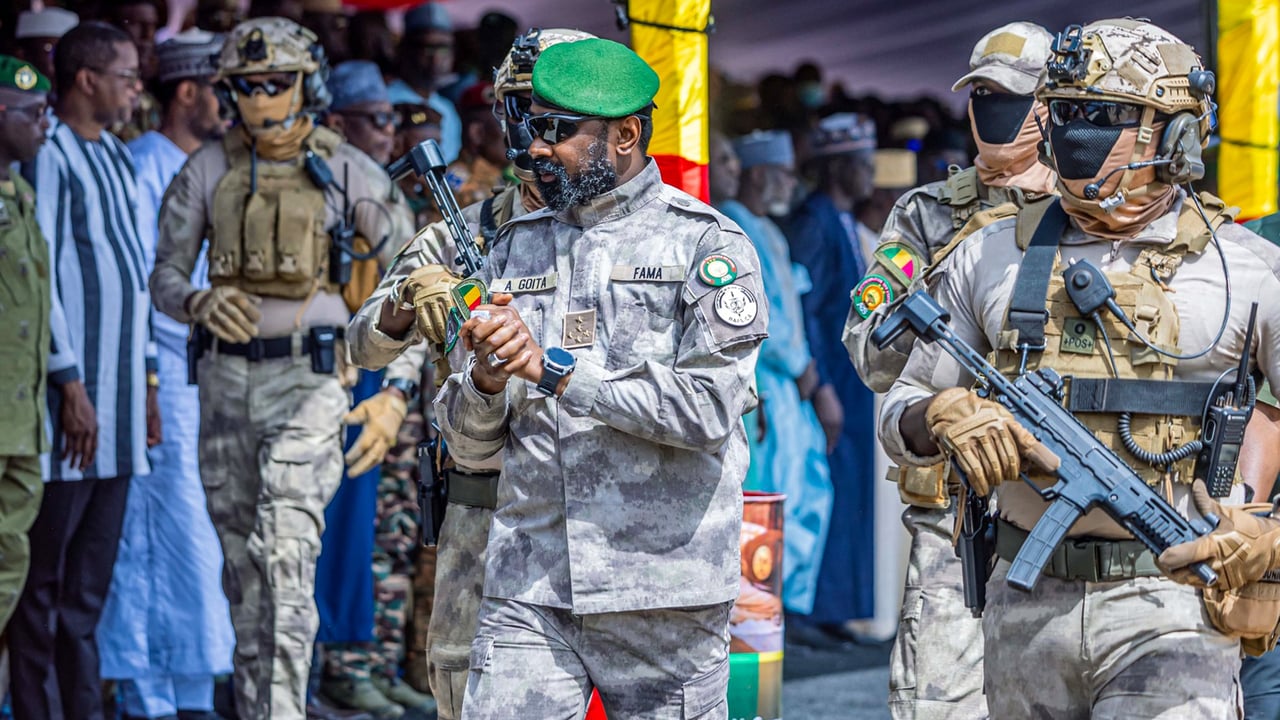
On April 25, 2026, Bamako witnessed a series of violent attacks that sent shockwaves through Mali. These events not only tested the resilience of the nation but also became a turning point for transitional leader Assimi Goïta. Within weeks, he reshaped the political landscape, consolidating his authority in ways observers had not anticipated. From crisis to consolidation: Goïta’s strategic moves The transitional period in Mali has been marked by uncertainty, but the April attacks accelerated a series of decisive actions by Goïta. Within days, he announced sweeping reforms aimed at…

Read More

Senegal how students are shaping the nation’s future through political engagement

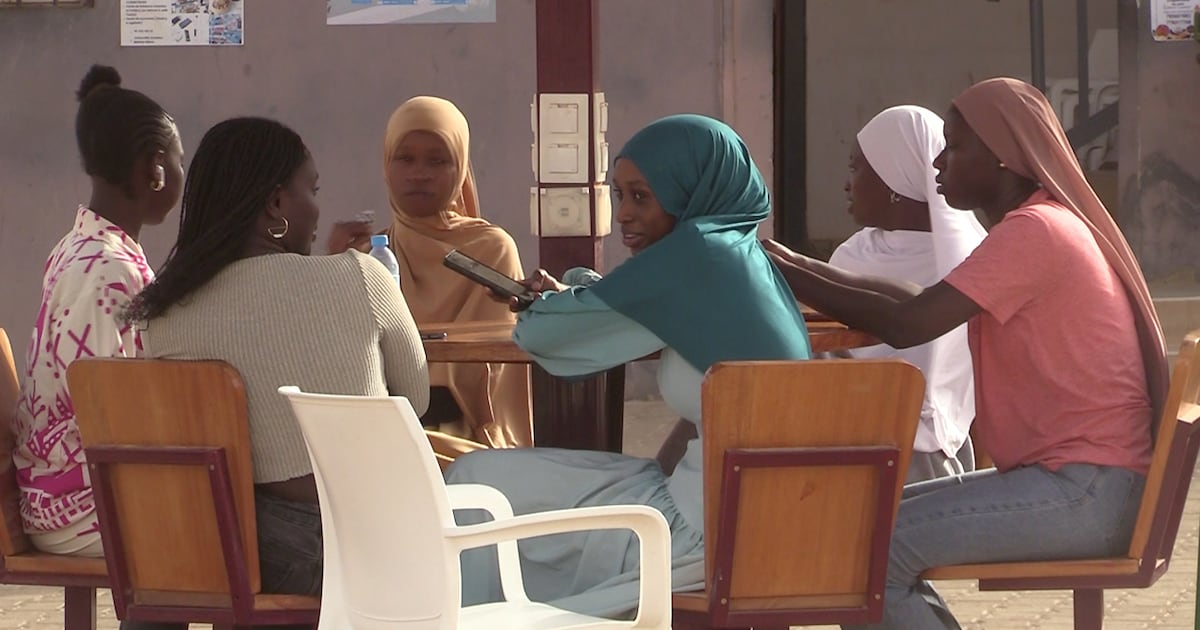
Senegal’s student leaders: bridging academia and activism for national change In Senegal, a growing movement of university students is redefining the boundaries between academic pursuits and civic responsibility. These young minds are proving that intellectual curiosity and political engagement are not mutually exclusive, but rather complementary forces shaping the nation’s trajectory. From lecture halls to political platforms: the new wave of student activists For many students in Dakar and beyond, joining a political movement is no longer a distant aspiration but a strategic step toward personal and collective growth. The…

Read More

Senegal’s Ousmane Sonko faces tough questions in national assembly debate

The Prime Minister of Senegal, Ousmane Sonko, is set to face a critical session of parliamentary questions this Friday, May 22, 2026, where he will confront pressing national issues that extend far beyond routine government scrutiny. The session, confirmed by the President of the National Assembly, El Malick Ndiaye, marks a pivotal moment in Senegal’s political landscape. While the formal purpose of the event is to allow deputies to question the Executive on public policies and urgent national matters, the current political climate transforms this into a high-stakes political arena.…

Read More