Burkina Faso’s gold sovereignty challenged by Russian security firms’ growing influence
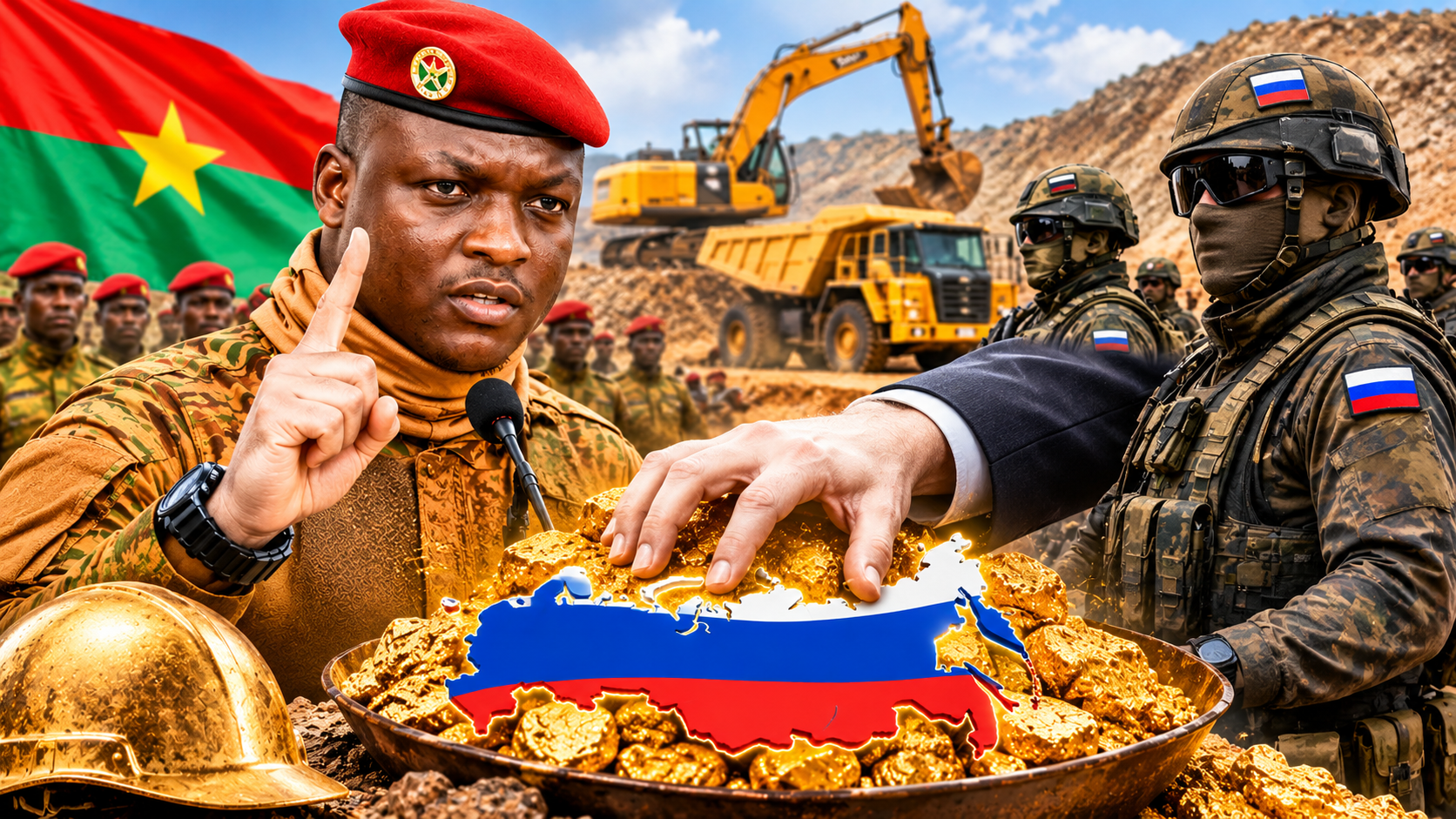
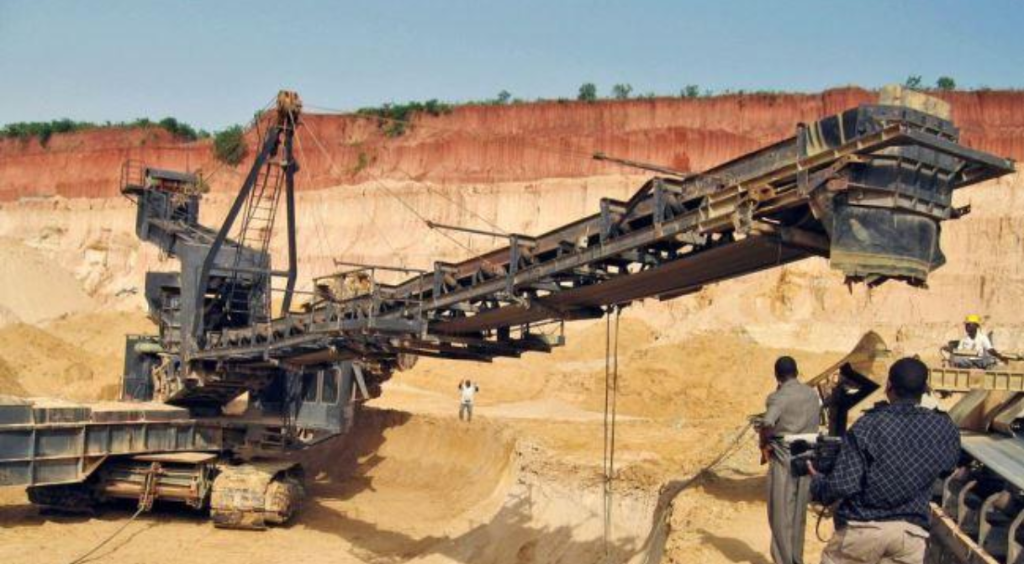
The fallout over Burkina Faso’s gold sector: public debate intensifies on sovereignty claims The Burkinabè military leadership has long championed its commitment to reclaiming national control over gold resources, framing the issue as a cornerstone of economic sovereignty. Yet the escalating presence of Russian security firms guarding mining sites has ignited a contentious debate about the true extent of Burkina Faso’s authority over its most lucrative natural asset. As these private military contractors expand their footprint across key gold operations, the government’s repeated assertions that the mineral wealth belongs exclusively…

Read More

Why Côte d’Ivoire’s exit from FATF’s grey list matters for its financial integrity

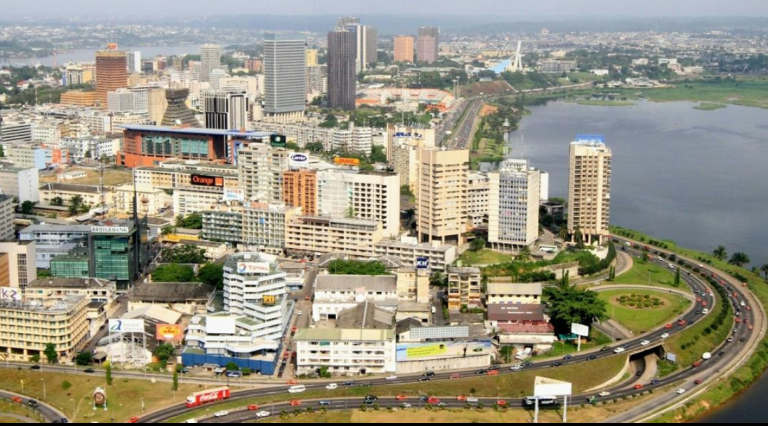
For years, Côte d’Ivoire operated under heightened scrutiny from the Financial Action Task Force (FATF) due to vulnerabilities in its anti-money laundering and counter-terrorism financing (AML/CFT) frameworks. But recent months marked a turning point. Behind the scenes, a deliberate push for systemic reform reshaped the country’s financial governance, culminating in its formal removal from FATF’s grey list—a move that reveals deeper shifts in West Africa’s approach to financial crime prevention. The mechanics behind Côte d’Ivoire’s reform push Côte d’Ivoire’s strides out of the grey list weren’t happenstance. Since 2022, the…

Read More

Gabon’s 2034 Eurobond: what the 8% slump reveals about market sentiment

Behind Libreville’s market discipline: why Gabon’s 2034 Eurobond is trading at an 8% discount The Gabon 2034 Eurobond hasn’t merely slipped in recent months—it has fallen nearly 8% on secondary markets, a sharper drop than most African sovereign bonds recorded at any time over the past year. The decline, confirmed in late October 2026, places Libreville among the region’s most heavily penalized issuers, driving up the implied yield and signaling how much more expensive it would be for the state to approach markets today. This correction is not noise; it…

Read More

Gabon’s digital future: dissecting the 5G rollout and FUP’s economic impact

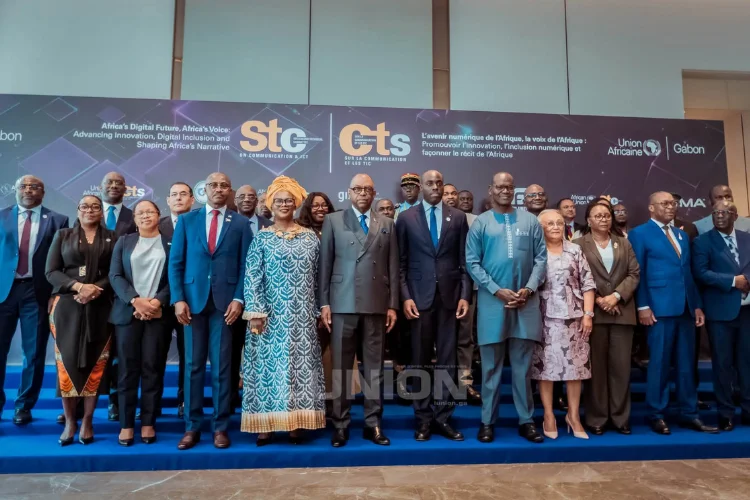
Unpacking Gabon’s strategic digital pivot: why 5G and FUP matter now The Gabon Digital Week in Libreville wasn’t just another tech event—it was a calculated move to position Gabon as a regional digital leader. Opening the forum, Vice President Alexandre Barro Chambrier framed digital transformation as a strategic national priority, setting the tone for a week-long discussion on Sovereignty, Inclusion, Innovation. This wasn’t about chasing trends; it was about addressing the root causes of Gabon’s economic diversification challenges and leveraging technology to bridge long-standing gaps in productivity and public service…

Read More

Togo’s phosphate industry at a crossroads: public debate and next steps for UEMOA’s fertilizer plan

Public scrutiny intensifies over Togo’s phosphate-driven fertilizer initiative As the UEMOA’s ambitious phosphate-to-fertilizer industrialization plan gains momentum, public debate in Togo is heating up over the project’s feasibility, financial commitments, and long-term impact. The regional initiative, which aims to reduce West Africa’s reliance on imported fertilizers, has placed Togo at the center of a high-stakes industrial transformation. But with over 1.4 trillion CFA francs on the line, stakeholders are questioning whether the vision can outpace the challenges. Why Togo was selected for the UEMOA fertilizer hub Togo’s phosphate reserves have…

Read More

Unlocking Cameroon’s oil supply chain: how proposed financing models could reshape energy imports

In a high-stakes meeting held in Yaoundé on October 20, 2026, Minister of Water and Energy Gaston Eloundou Essomba engaged with a powerful delegation led by Cédric Ketchanga of KC Trade International, unveiling a behind-the-scenes initiative that could redefine how Cameroon sources its fuel. The proposal hinges on a high-risk financing mechanism aimed at addressing the country’s growing dependence on imported petroleum products—a gap widened since the 2019 Sonara refinery disaster. Behind the scenes of a high-stakes energy deal The negotiation table saw two global trading giants—BGN, led by Rüya…

Read More

Niamey’s fuel crisis: how Algerian supply deals fuel public debate and economic fallout

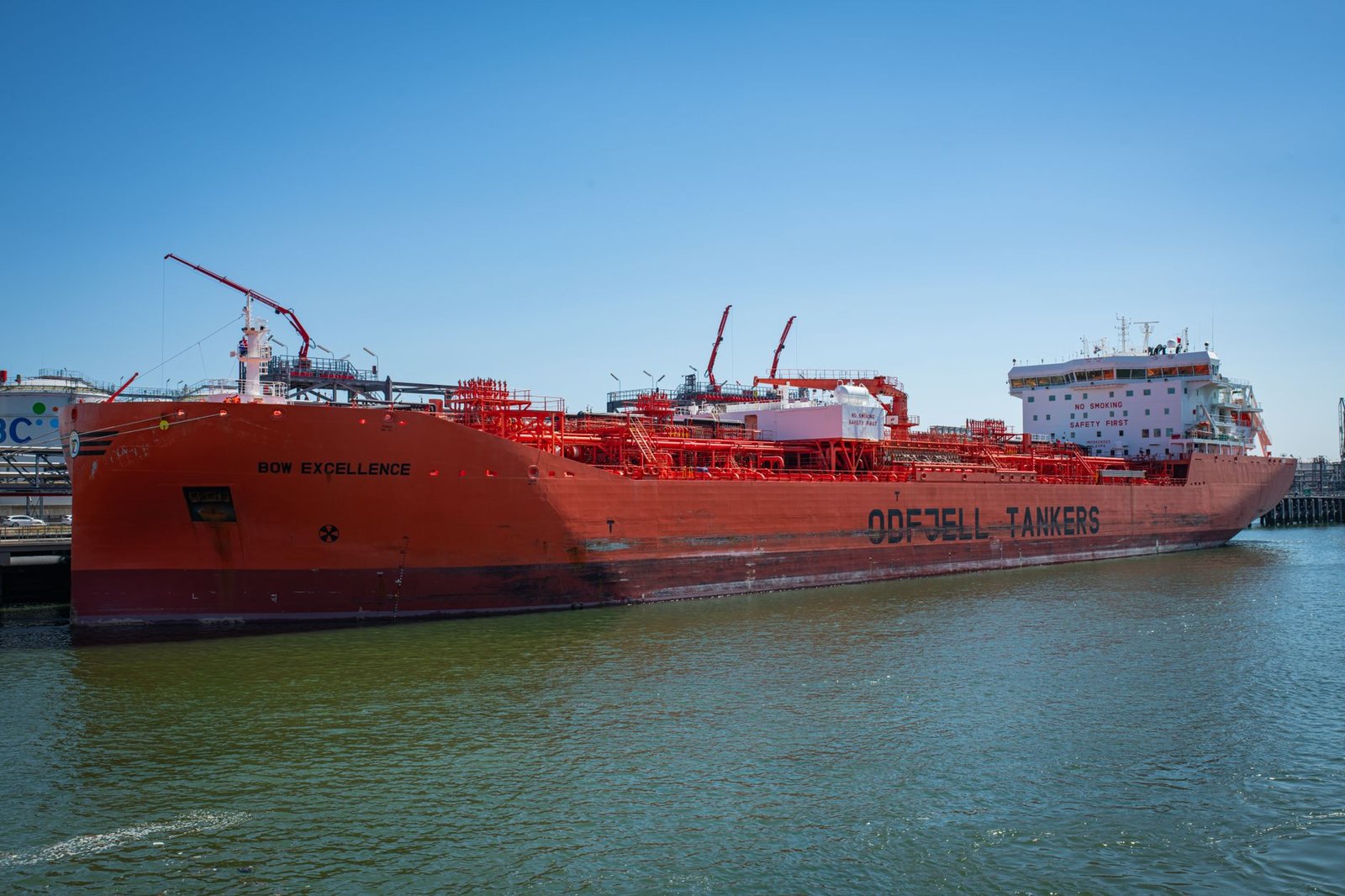
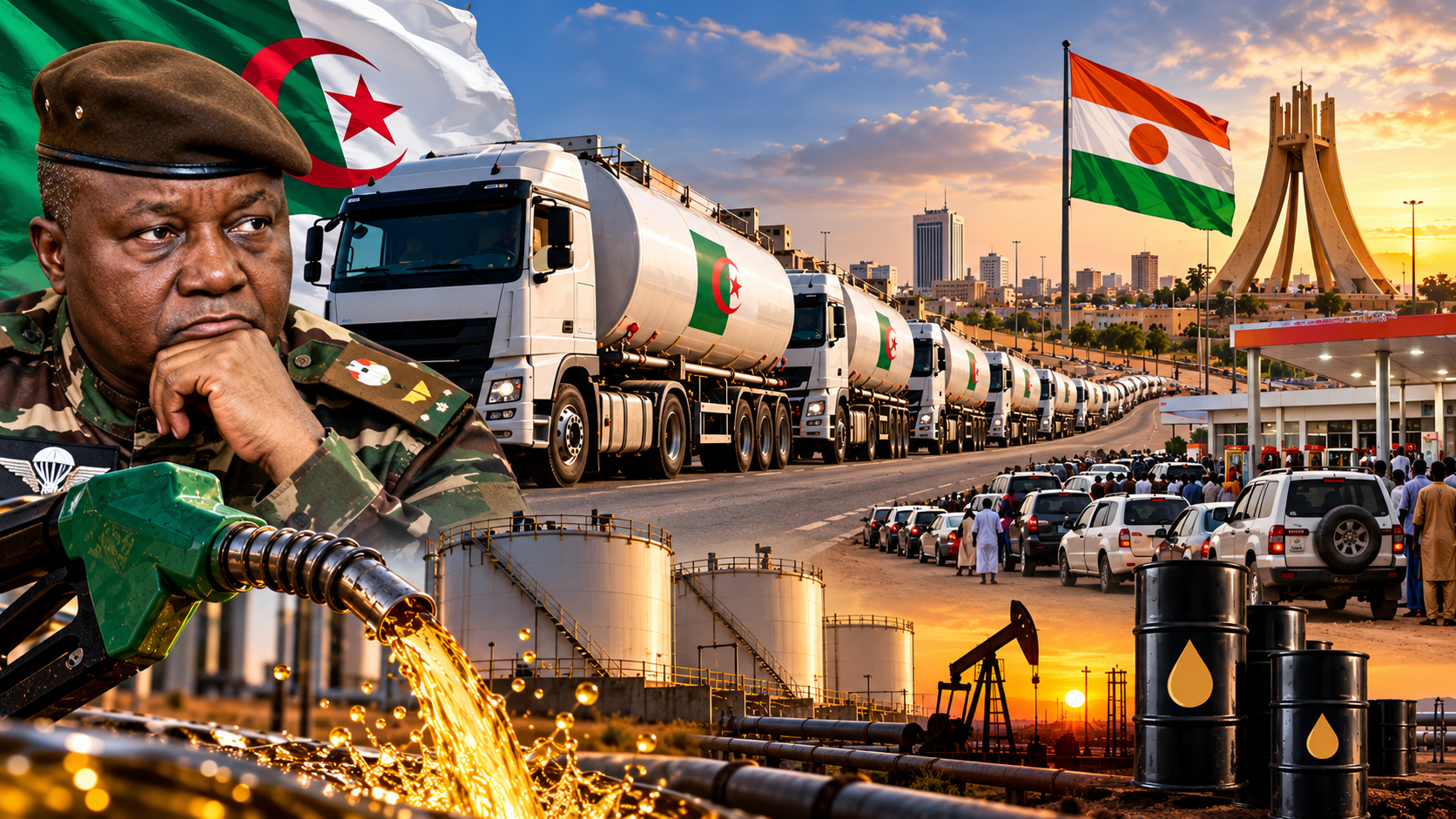
After months of uncertainty and fluctuating supply chains, Niamey has received an unexpected lifeline in the form of 3.75 million liters of diesel from Algeria. The shipment, originally intended for Agadez, has triggered a wave of questions about priorities, costs, and the long-term resilience of Niger’s fuel infrastructure. As public scrutiny intensifies, policymakers face mounting pressure to clarify the rationale behind the delivery and justify the financial and strategic implications of this emergency supply. From Agadez to Niamez: why the cargo changed course The 150 tankers, each carrying 25,000 liters,…

Read More

Behind Gabon connect’s push to modernise public services and revenue tracking

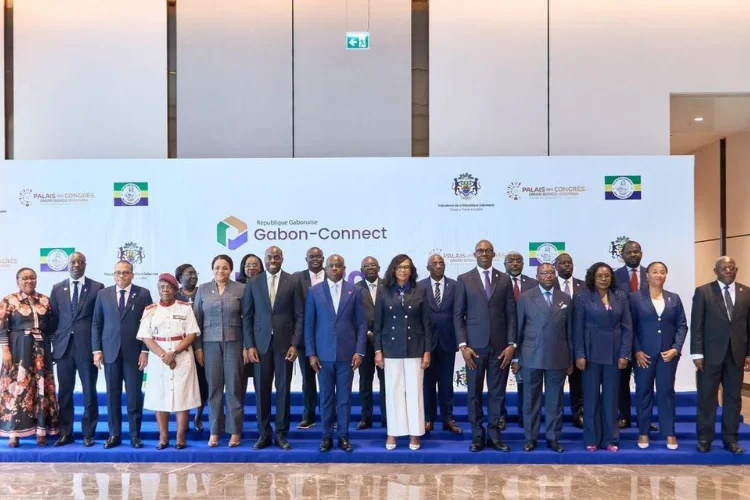
The Gabon Connect platform was recently unveiled to members of the Gabonese Federation of Enterprises (FEG) in the presence of vice-president of the government Hermann Immongault. This digital portal consolidates administrative and financial procedures, aiming to streamline declarations, payments, and the monitoring of state revenue. The mechanics of simplification: two core modules in focus The platform introduces two key components designed to overhaul traditional processes. The eEmployeur module introduces a Unified Salary Declaration (DUS), replacing the previous system of separate submissions to the tax authority, the National Social Security Fund…

Read More

Togo’s 2027 budget: public reaction and the road ahead after controversial cuts

The reaction to Togo’s 2027 budget has been swift and sharply divided. At 2,684.1 billion FCFA, the proposed fiscal plan lays bare the government’s priorities—security, economic transformation, and social cohesion—but also exposes deep uncertainties. Citizens, analysts, and lawmakers are now debating: which sectors will truly benefit from these allocations? How will the funding gaps be closed? And, most critically, what safeguards exist to ensure these budgets translate into tangible improvements for ordinary Togolese? The draft finance bill, approved by the Council of Ministers on 22 October 2026, aligns with the…

Read More

Ivory Coast’s bold fiscal pivot reshapes UEMOA’s convergence pact future

The endorsement of the freshly revised UEMOA convergence pact by Alassane Ouattara, announced on October 23, 2026, marks a pivotal moment for West Africa’s economic bloc. Unlike symbolic gestures of the past, this act introduces a rigorous fiscal framework designed to address the lingering debt imbalances that have plagued the region for years. For Ivory Coast—home to nearly 40% of the UEMOA’s collective GDP—the commitment is anything but ceremonial. It represents a critical step in managing the nation’s debt trajectory and, by extension, safeguarding the stability of the franc CFA…

Read More

Burkina Faso’s stalled public investments: where do the billions disappear?

Public outrage is growing across Burkina Faso as a new report reveals a staggering gap between promises and projects. Despite record budgets allocated to infrastructure and public services, only a fraction of these investments ever materialize, sparking fierce debates about accountability and the country’s economic future. Why 63% of public projects in Burkina Faso fail before completion Every year, the government allocates billions of francs to schools, roads, and water systems, yet development remains out of reach for millions. Official figures show that merely 37% of planned investments are ever…

Read More

Niger’s energy paradox: fuel shortages spark scrutiny of military governance

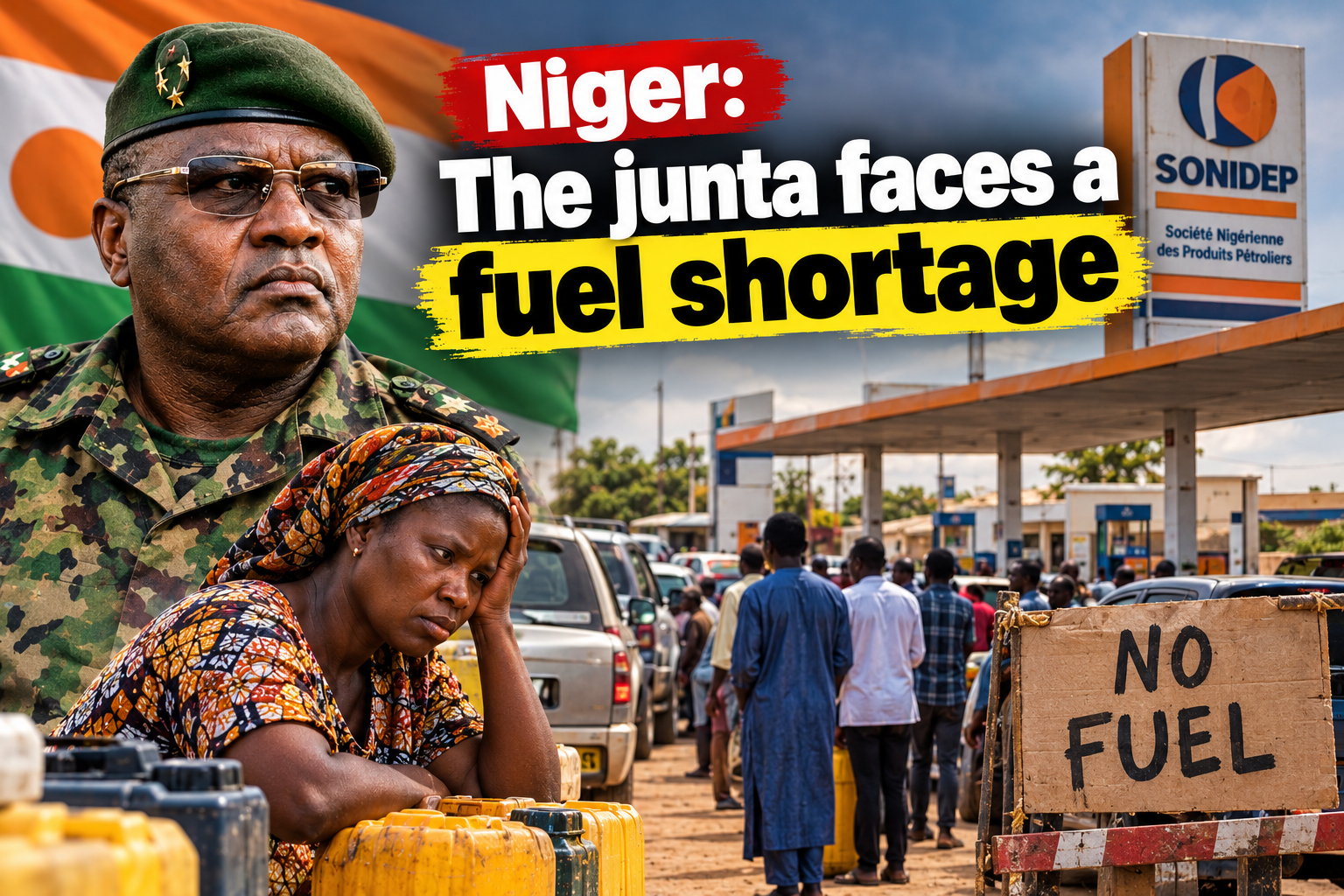
The recent fuel shortages in Niger have not only disrupted daily commutes and commercial activities in Niamey but also ignited a broader debate about the military government’s capacity to manage the country’s energy resources. As citizens grapple with unreliable access to essential fuel, the crisis underscores deeper questions about governance, economic sovereignty, and the tangible benefits of national resources. The ripple effects of fuel scarcity on Niger’s economy What began as sporadic supply disruptions has escalated into a systemic challenge, with fuel shortages now paralyzing transportation networks, stalling small businesses,…

Read More