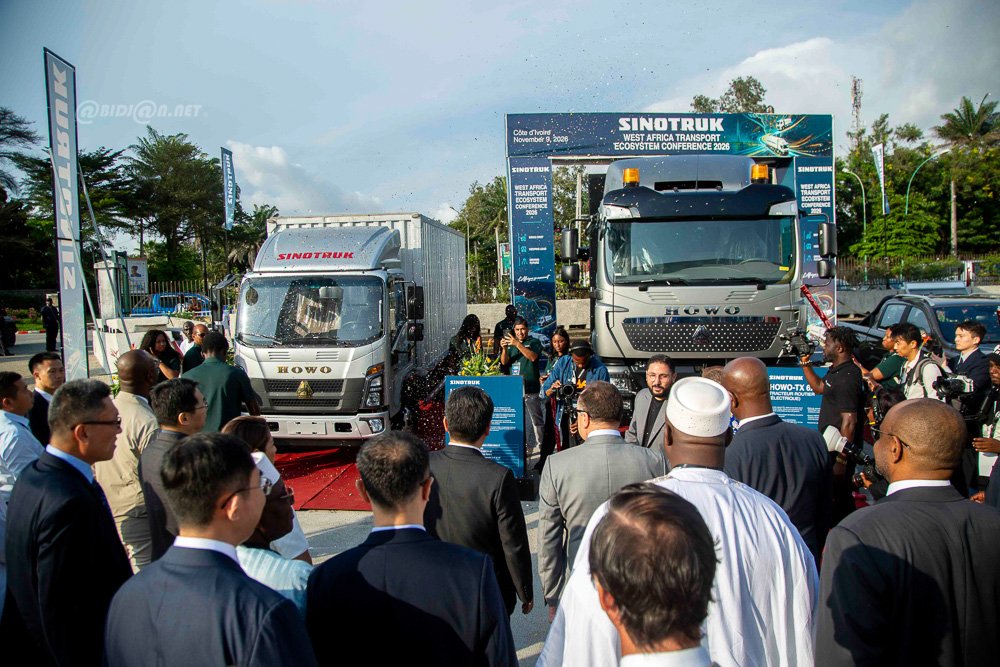
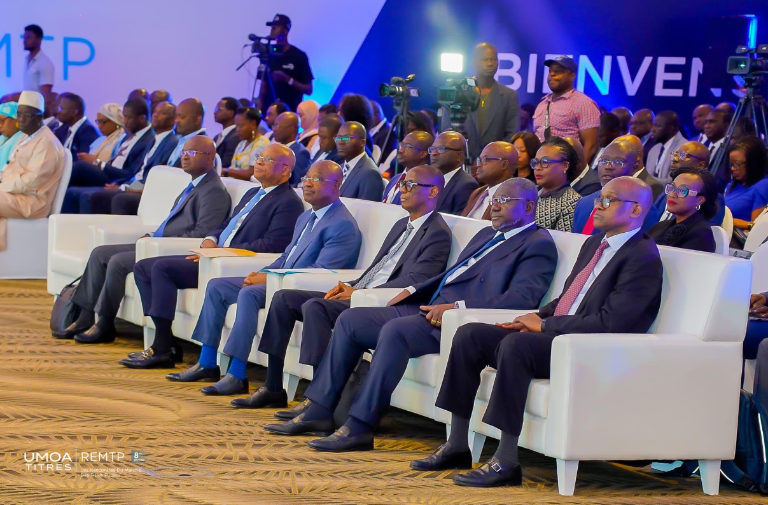
Why the economic heartbeat of West Africa is powering Synotruk’s West Africa push The choice of Abidjan as the launchpad for Synotruk’s 2026 West Africa conference wasn’t a coincidence. Behind every decision lies a calculated strategy rooted in the city’s strategic location, thriving economy, and unmatched influence across neighboring markets. By anchoring its operations and activations in Côte d’Ivoire, Synotruk is essentially placing itself at the center of a thriving ecosystem that bridges multiple West African countries. From trucks to ecosystems: Synotruk evolves beyond hardware Synotruk’s “Synotruk West Africa Transport…
Read MoreCategory: Economy
Benin’s 8.2% GDP growth sparks debate over industrial future and economic fallout
Economic growth fuels public debate on Benin’s industrial leap The announcement of an 8.2% year-on-year real GDP growth for Benin in early 2026 has ignited widespread discussions about the country’s economic trajectory. While the figures reflect strong momentum, they also raise critical questions about sustainability, inclusivity, and the broader implications of accelerating industrialization. FMI validation and the road ahead The International Monetary Fund’s endorsement of Benin’s economic performance adds significant weight to the narrative of transformation. A mission led by Sonali Das in late 2026 confirmed the 8.2% growth figure,…
Read MoreCameroon’s 2025 debt squeeze: how repayments reshape fiscal priorities
With the release of the International Debt Report 2026, the invisible pressure on Cameroon’s external finances has become undeniable. Last year, the country allocated 1,101 billion CFA francs—equivalent to $1.896 billion—to servicing its external debt, up from 1,023 billion francs the previous year. This 12.3% increase in dollar terms was driven primarily by capital amortizations, which surged 19.7% to $1.38 billion, while interest payments edged slightly lower to $510 million. Meanwhile, total external debt climbed 10.5% to reach $17.57 billion by the end of 2025. The mechanics behind the repayment…
Read MoreCameroon’s economic crossroads: behind-the-scenes pressures shaping national growth
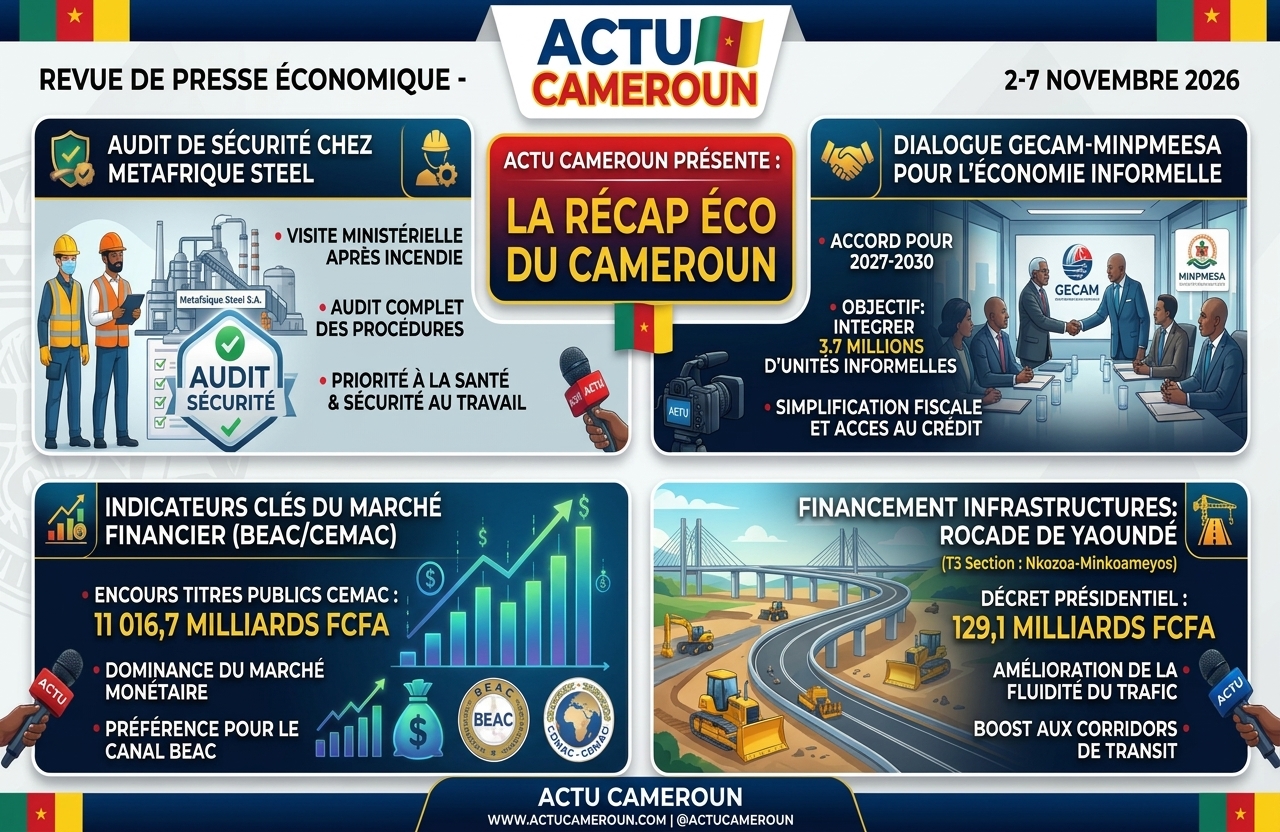
Cameroon’s economic crossroads: behind-the-scenes pressures shaping national growth The past week’s economic headlines in Cameroon reveal more than just isolated events—they expose the intricate, interconnected pressures throttling the nation’s financial and industrial development. From banking reforms to infrastructure bottlenecks and industrial disasters, this week’s coverage paints a vivid picture of an economy struggling to modernize while contending with global competition and internal fragility. The silent surge: why Cameroon’s banks are betting big on Afriland First Bank At the heart of this week’s economic narrative lies Afriland First Bank’s historic capital…
Read MoreIvory Coast cracks down on illegal gold mining: balancing economic gains and environmental risks
Ivory Coast has adopted a bold stance against illegal gold mining, a scourge plaguing its rural regions for over a decade. The recent wave of expulsions targeting unauthorized artisanal miners underscores a pivotal shift in Abidjan’s mining policy, as authorities grapple with reconciling the expansion of formal extractive industries with the protection of agricultural basins. While the move carries significant social costs, the government defends its necessity in response to the widespread environmental degradation affecting soils, waterways, and farmlands. Why illegal gold mining clashes with Ivory Coast’s agricultural economy As…
Read MoreHow Gabon’s hydroelectric ambitions could reshape its manganese industry
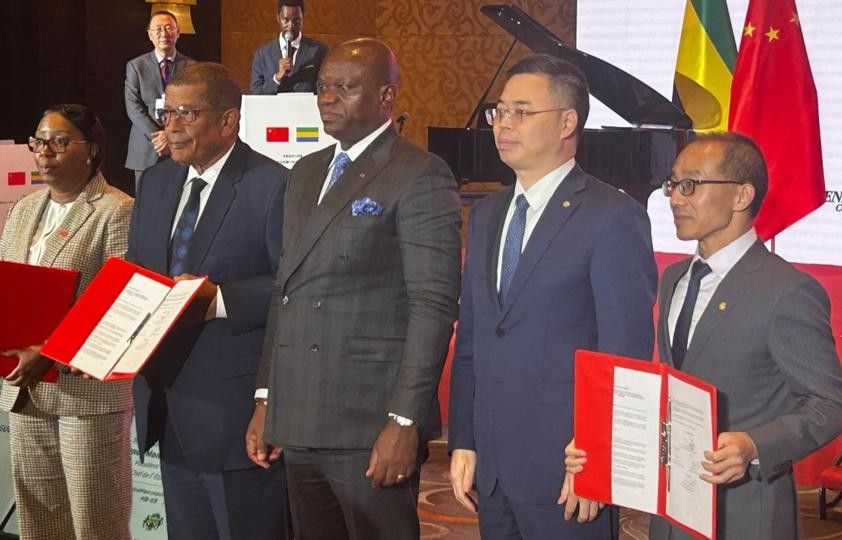
Libreville, November 2026 — The recent agreement signed in Beijing between Gabon’s government, Eramet-Comilog, and Sinohydro is more than a memorandum—it’s a strategic rethink of the entire manganese value chain. But beneath the headlines lies a deeper question: can Gabon break free from decades of raw material exports and finally anchor its mining wealth in homegrown industry? The Gabonese government is no longer content with shipping unprocessed manganese across the globe. Its new objective is to capture more value by transforming the mineral locally into higher-value alloys. Yet, transforming ore…
Read MoreBurkina Faso’s IMF bailout: navigating sovereignty amid financial realities
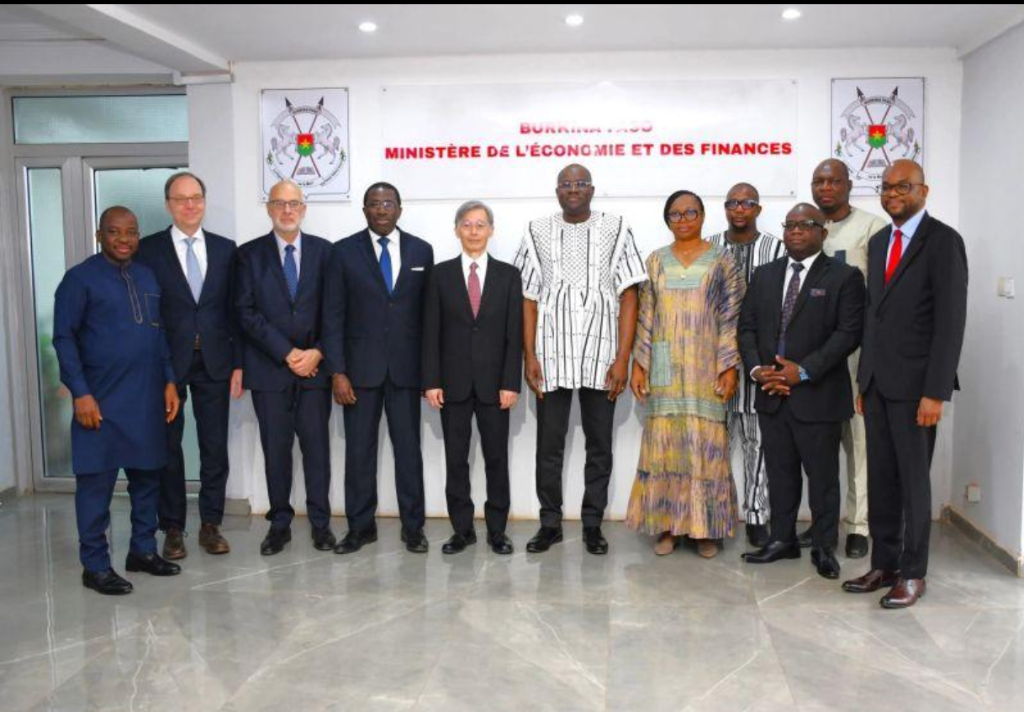
As Burkina Faso’s leadership doubles down on its pledge to sever ties with foreign financial dependencies and reclaim economic independence, the nation stands at a crossroads. A landmark agreement with the International Monetary Fund (IMF) could inject $87.67 million into its coffers—a move that has ignited fierce debate over whether such funding undermines or reinforces the country’s quest for self-determination. The potential infusion comes after weeks of intensive negotiations in Ouagadougou, where IMF officials and Burkinabè authorities finalized terms for the sixth review under the Extended Credit Facility (ECF) and…
Read MoreBurkina Faso-Belgium ties hang in balance after Brussels visit amid shifting alliances
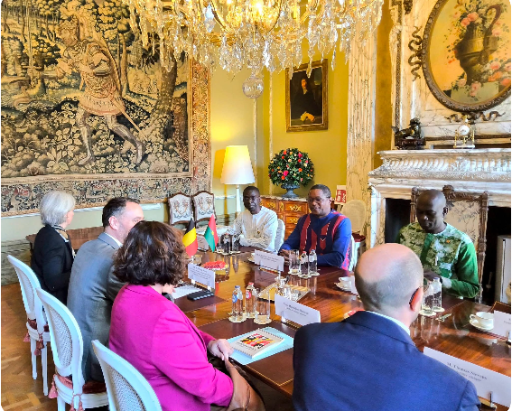
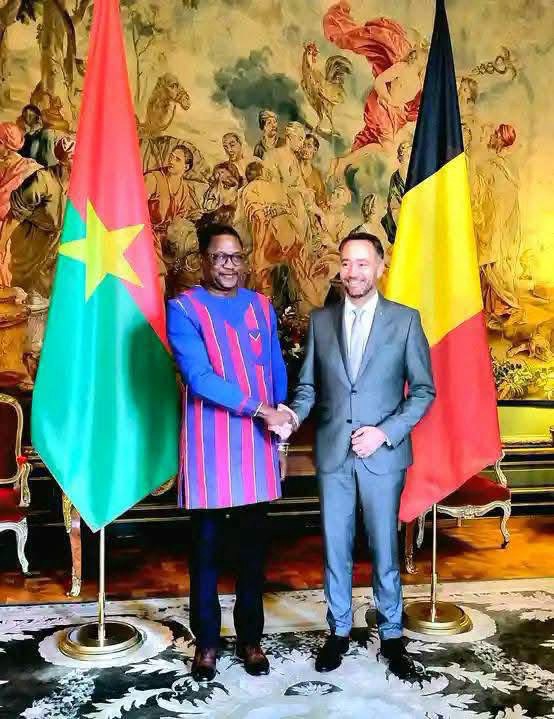
Diplomatic tensions collide with financial commitments as Ouagadougou pursues new partnerships Following a high-stakes working visit to Brussels in early November 2026, Burkinabè Foreign Minister Karamoko Jean-Marie Traoré secured a renewed Belgian financial commitment of €40 million for the post-2027 period. The announcement arrives amid escalating political tensions between Ouagadougou and Western governments, sparking intense public debate over Burkina Faso’s evolving foreign policy direction under President Ibrahim Traoré. While Burkinabè authorities emphasize sovereignty and diversified alliances, recent interactions with Belgian and European officials suggest that diplomatic channels remain open. The…
Read MoreBurkina Faso’s financial sovereignty: promises versus practical dependence on IMF aid
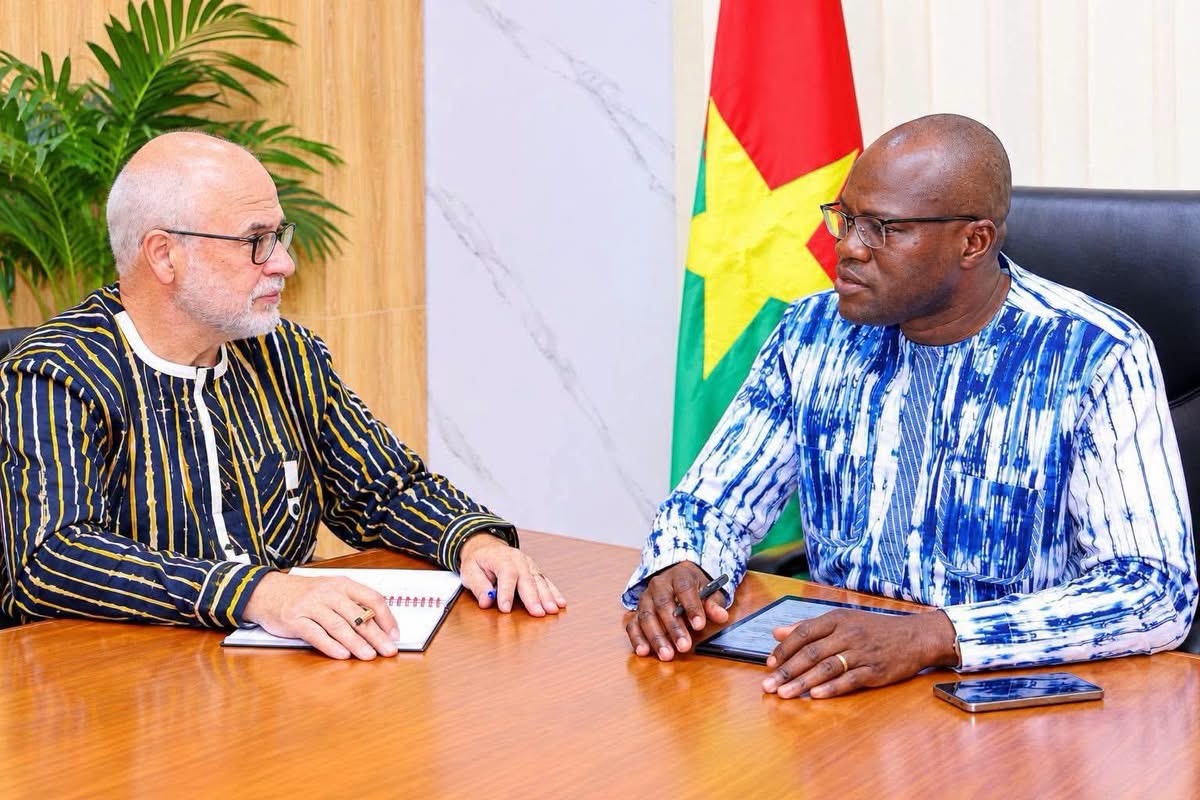
The Contradictions of Economic Independence: Burkina Faso’s Ongoing Reliance on IMF Support Since seizing power, Burkina Faso’s transitional government under Captain Ibrahim Traoré has cultivated a public image centered on economic emancipation. Official narratives frequently emphasize self-sufficiency, asserting the nation’s ability to finance development through domestic resources and reduce reliance on foreign financial partners. Yet, beneath these declarations lies a more complex economic reality that warrants closer scrutiny. On November 4, 2026, the International Monetary Fund (IMF) disclosed that negotiations with Burkinabè authorities had culminated in a tentative agreement for…
Read MoreBurkina Faso’s pivot back to Brussels exposes contradictions in junta’s anti-western stance
The Burkina Faso transitional government’s recent diplomatic overtures to Brussels have laid bare the financial realities facing the West African nation, forcing a reckoning between its anti-Western rhetoric and the urgent need for funding. Diplomatic U-turn: Ouagadougou seeks Brussels’ support after Moscow talks fall short In a striking reversal of its public campaign against Western partners, Burkina Faso’s military-led administration has quietly resumed high-level negotiations with European institutions. On November 4-5, Foreign Minister Karamoko Jean Marie Traoré met first with EU High Representative Kaja Kallas in Brussels, followed by Belgian…
Read MoreGabon’s sovereign carbon credits: how preserving rainforests unlocks global climate finance
The Gabonese Republic has entered a landmark transaction with Germany’s SEFE, transferring ownership of approximately 6 million tonnes of verified sovereign carbon credits. These credits, issued under the Art-Trees standard, reward decades of environmental stewardship centered on the country’s High Forest, Low Deforestation (HFLD) model. Deliveries are scheduled to begin no later than the first quarter of 2027. Unlike traditional land or forest offsets, each credit certifies measurable reductions in atmospheric CO₂ achieved solely through Gabon’s conservation policies—not transfers of territorial control. “We are selling emission-reduction units, not land or…
Read MoreTogo’s debt dilemma: why borrowing limits spark national debate
The tipping point: can Togo keep borrowing without destabilizing its economy? The government of Togo faces growing scrutiny as it navigates the fine line between financing development and avoiding a debt spiral. With public debt reaching 60.2% of GDP by mid-2026—just 9.8 percentage points below the 70% ceiling set by the West African Economic and Monetary Union (WAEMU)—the debate over sustainable borrowing has intensified. While the ratio has improved slightly from 62.8% at the end of 2025, the absolute debt figure tells a different story. Central government debt rose from…
Read More