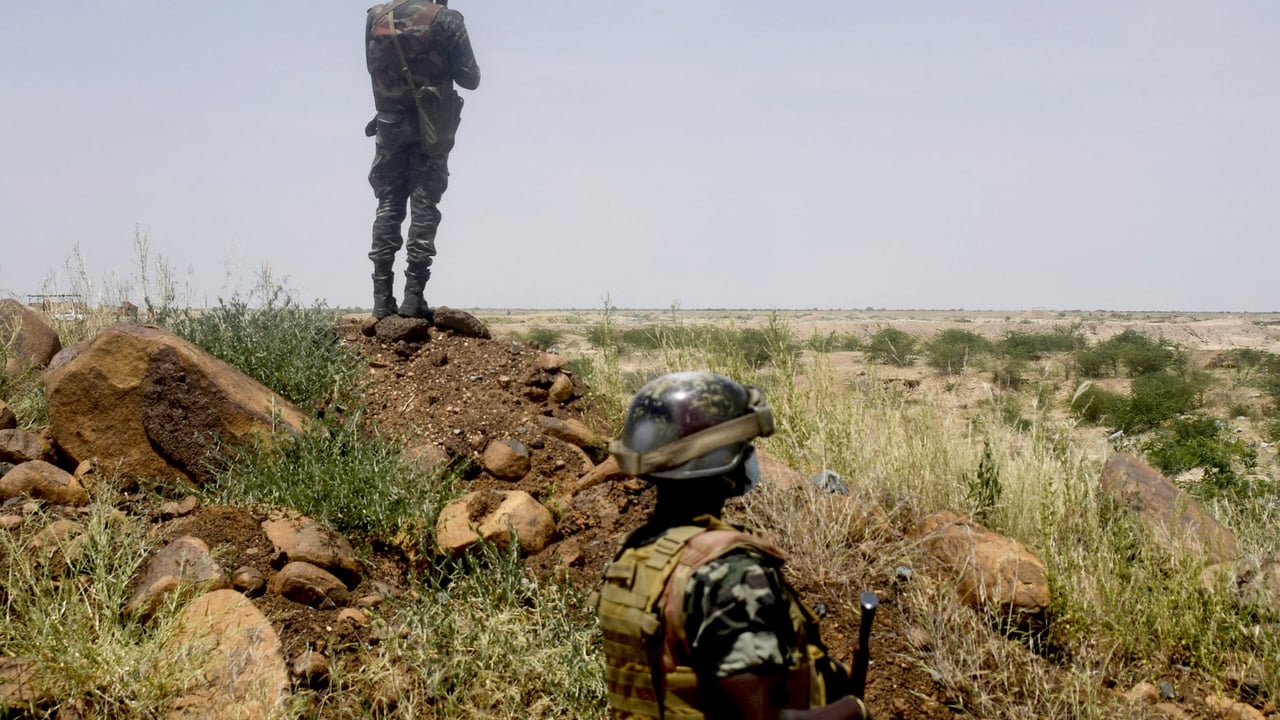
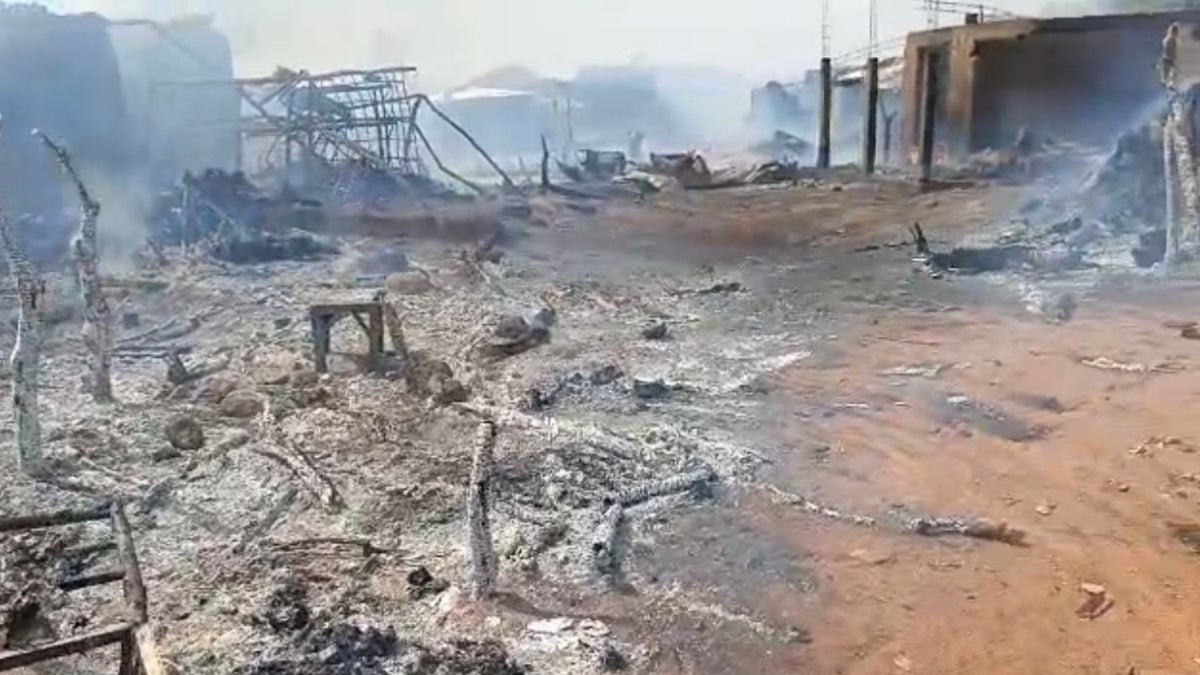
A fresh wave of brutality has struck Niger, leaving 31 civilians—including men and children—slaughtered in the village of Bossiye, located in the Tillabéri region. The massacre, carried out on January 18, has been attributed to jihadist militants linked to the Islamic State in the Greater Sahara (EIGS). According to reports from Human Rights Watch, around 100 heavily armed militants descended on the village on motorcycles near midday, unleashing indiscriminate violence. Survivors and local sources describe a scene of sheer terror as families were targeted without mercy. This latest atrocity underscores…
Read MoreCategory: News
Global corruption index 2025 shows alarming declines worldwide
Transparency International has released its latest Corruption Perceptions Index (CPI) for 2025, revealing a troubling global trend: corruption is worsening even in long-standing democracies, where political leadership appears to be weakening. The CPI evaluates 180 countries and territories, ranking them based on perceived levels of public-sector corruption. Each nation is scored on a scale from 0 (highly corrupt) to 100 (highly clean). Shockingly, over two-thirds of the countries scored below 50, signaling widespread governance failures. how corruption is measured Measuring corruption directly is nearly impossible—it thrives in secrecy. Instead, the…
Read MoreNiger drone strike kills 17 civilians in kokoloko village
Civilian casualties in a suspected Nigerian military drone strike A drone strike in the Niger village of Kokoloko, near the border with Burkina Faso, reportedly killed at least 17 civilians, including four children, and injured 13 others on January 6, 2026. The attack also resulted in the deaths of three Islamist militants, according to reports. Click to expand Image Violation of international humanitarian law The strike occurred in a bustling market where hundreds of civilians were present, including women and children. Witnesses reported seeing a white drone circling the area…
Read MoreSecurity threats in Niamey after isil attack and russian military presence
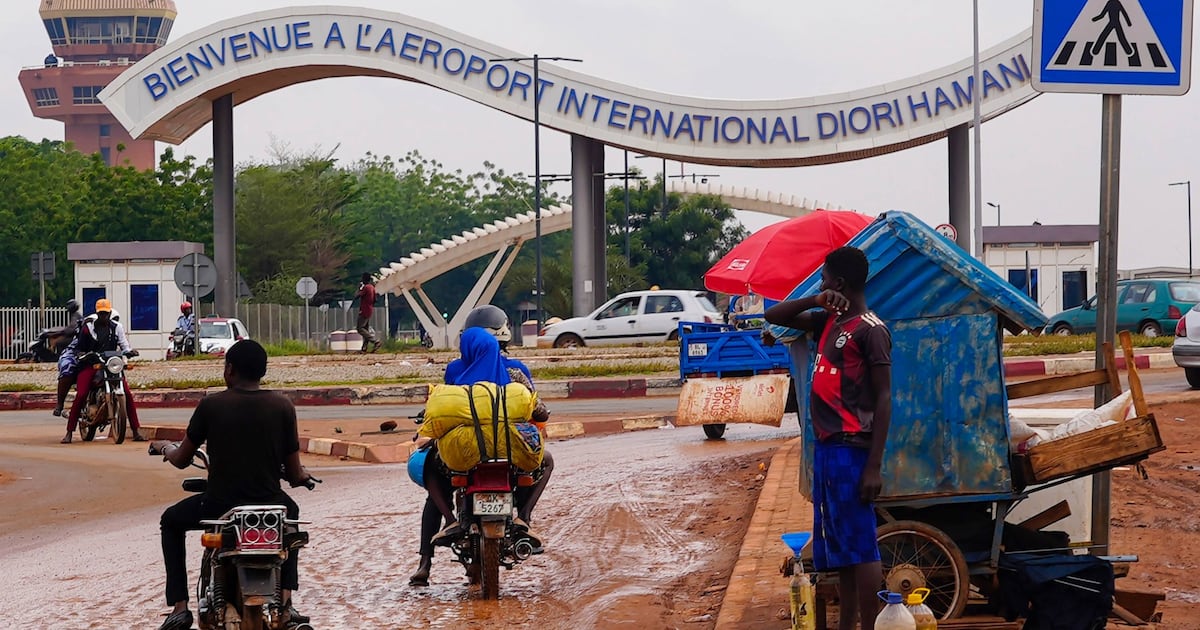
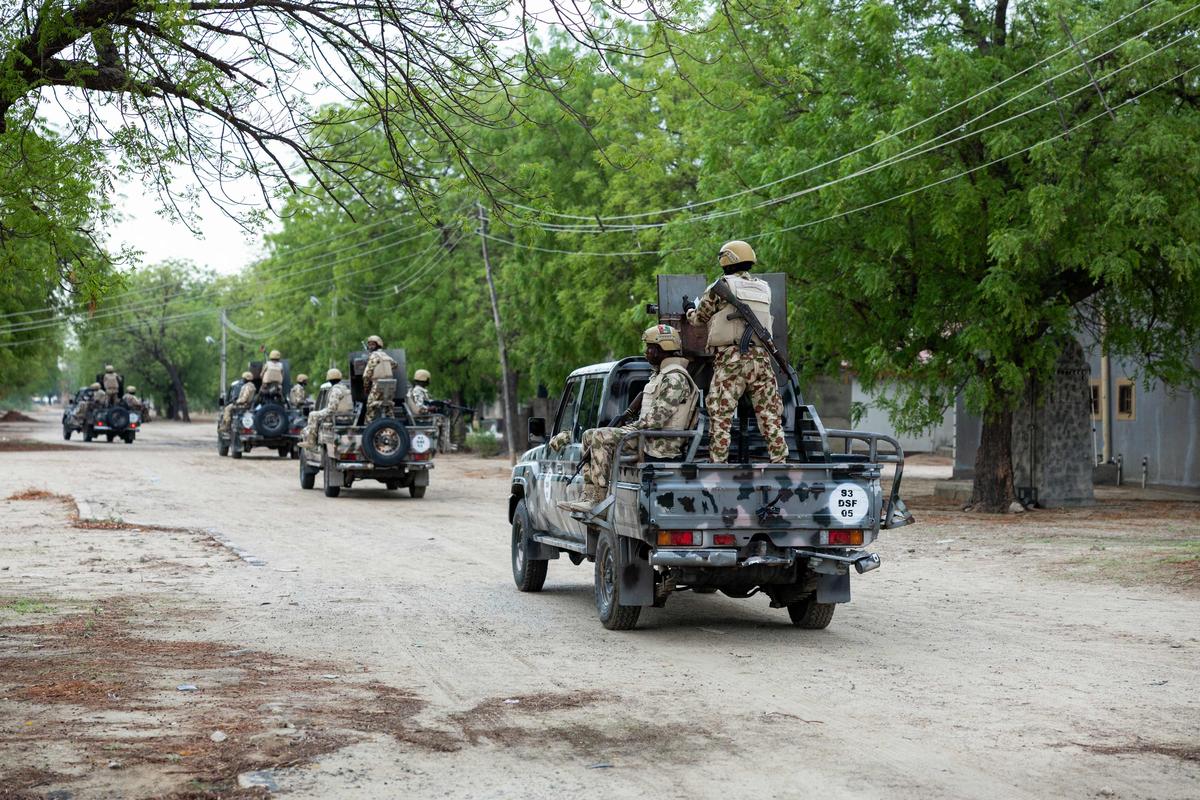
The capital of Niger, Niamey, faced an unprecedented security challenge in the early hours of January 29, when armed clashes erupted near the international airport. Gunfire and explosions shattered the calm just after midnight, marking one of the rare direct assaults on a major West African city. According to Nigerien authorities, the attack lasted about an hour before being repelled through a coordinated air and ground counteroffensive. Official reports—though unverified by independent sources—indicated that twenty attackers were killed, eleven captured, and four soldiers wounded. The Russian Ministry of Foreign Affairs…
Read MoreNigeria: an overlooked humanitarian emergency fueled by indiscriminate violence
Recent waves of school abductions, village raids, and attacks on both churches and mosques have once again thrust Nigeria into the global spotlight. This cycle of brutality reached a new geopolitical peak when the United States conducted Christmas Day airstrikes against jihadist strongholds in the north, a move Washington described as an effort to defend vulnerable Christian populations. In this high-stakes environment, some American officials have begun using the term “Christian genocide” to describe the situation. However, the United Nations suggests that these high-profile incidents and the narratives surrounding them…
Read MoreNiger faces intense gunfire and explosions near Niamey airport
Intense gunfire and explosions erupted in the early hours of Thursday near Niamey’s main international airport, as reported by a Reuters journalist. According to the correspondent, the gunfire—which began roughly an hour earlier—was still ongoing at 00:12 GMT. A video shared on the social platform X captured the capital’s skyline illuminated by flashes of gunfire. However, Reuters could not independently verify the authenticity of the footage. A spokesperson for Niger’s military government, which seized power in 2023 following a coup, could not be reached for immediate comment. Like its neighbors…
Read MoreBurkina Faso leads UEMOA health budgets with 11% public spending in 2026
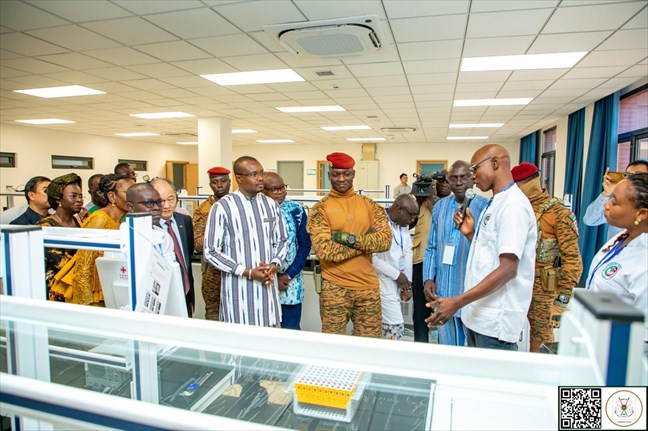
In the West African Economic and Monetary Union (UEMOA), one nation is setting a bold precedent. By 2026, Burkina Faso will allocate 11% of its national budget—a total of 388 billion CFA francs—toward healthcare, out of a projected expenditure of 3,432 billion CFA francs. This allocation surpasses regional averages and marks a significant step toward strengthening public health infrastructure in the country. The 11% threshold places Ouagadougou ahead of its UEMOA counterparts, demonstrating a clear commitment to improving healthcare access and quality. While still falling short of international benchmarks, this…
Read MoreDeadly jihadist assault leaves 31 civilians dead in western Niger
Tragic strike in Bosiye: 31 civilians killed in suspected jihadist raid A devastating attack struck the village of Bosiye in western Niger, resulting in the deaths of 31 civilians. Four additional victims remain hospitalized in critical condition, according to local sources. The assault, which unfolded on Sunday, has sent shockwaves through the region, already grappling with persistent security challenges. Unrelenting violence in the Sahel’s ‘tri-border’ zone The village of Bosiye lies within the Gorouol municipality, part of the Tillabéri region—commonly referred to as the “three borders” area. This volatile zone…
Read MoreWest africa hunger crisis escalates amid funding cuts and violence
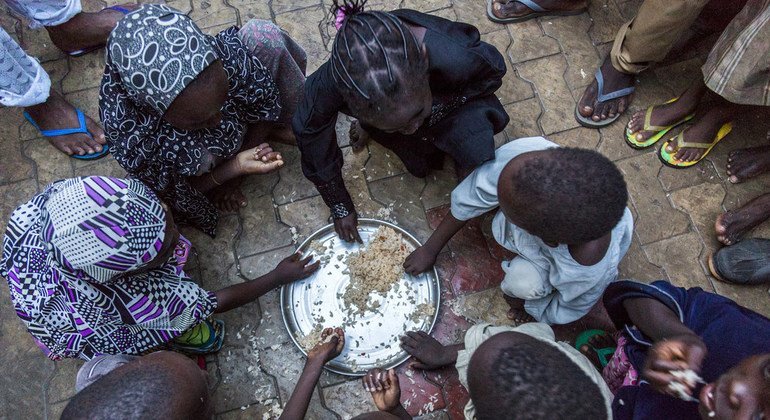
Millions in West and Central Africa face severe food shortages Violent conflicts and drastic budget cuts are pushing millions of people in West and Central Africa toward a catastrophic food crisis. The World Food Programme (WFP) warns that 55 million people, including 13 million children, are at risk of severe starvation this summer. Without immediate action, the situation could escalate into a full-blown humanitarian disaster. In a recent assessment, the WFP reveals that over three million people in the region are expected to face emergency-level food insecurity (IPC Phase 4)…
Read MoreBergamo’s burkinabe diaspora to host pioneering international cultural symposium
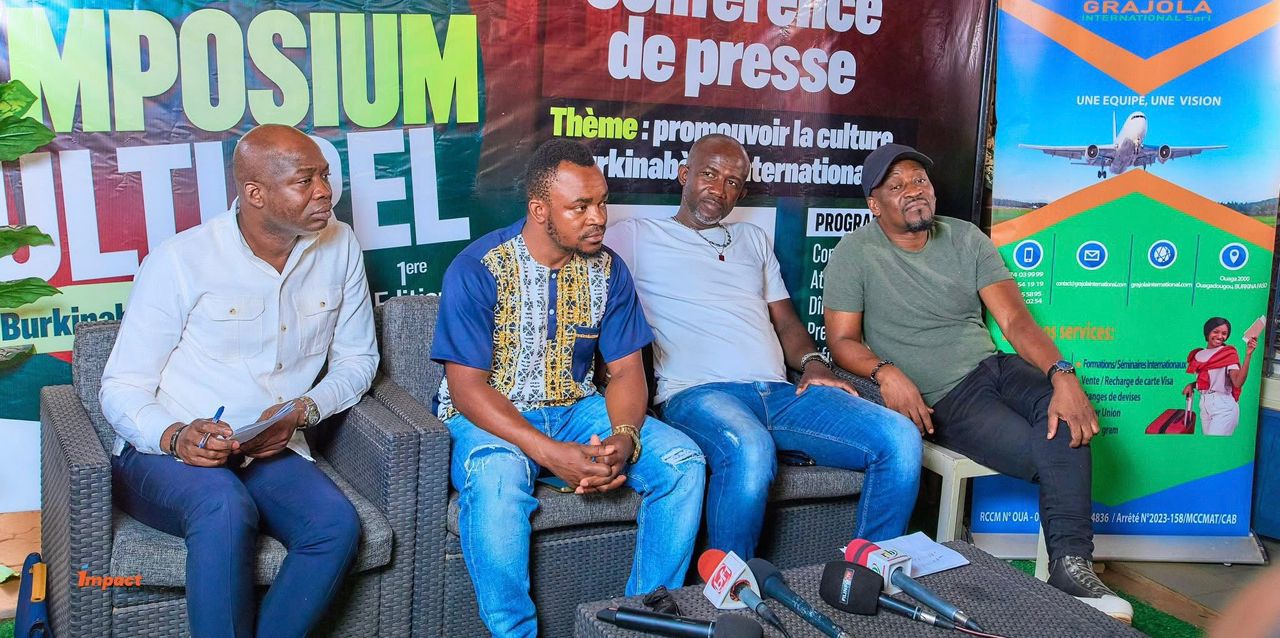
The Association of Young Burkinabe in Bergamo (AJBB) has officially announced its inaugural Cultural Symposium, a landmark event poised to significantly advance the global structure of Burkinabe culture. This pivotal international gathering is scheduled to take place in Italy on January 31 and February 1, 2026, following its public announcement during a press conference held on Thursday, January 8, 2025. More than just a celebration, this groundbreaking symposium emerges from a deep desire for critical reflection and strategic dialogue. Louré Toubga, Secretary General of the AJBB, emphasized that the initiative…
Read MoreHealthcare reform in Burkina Faso lowers medical costs
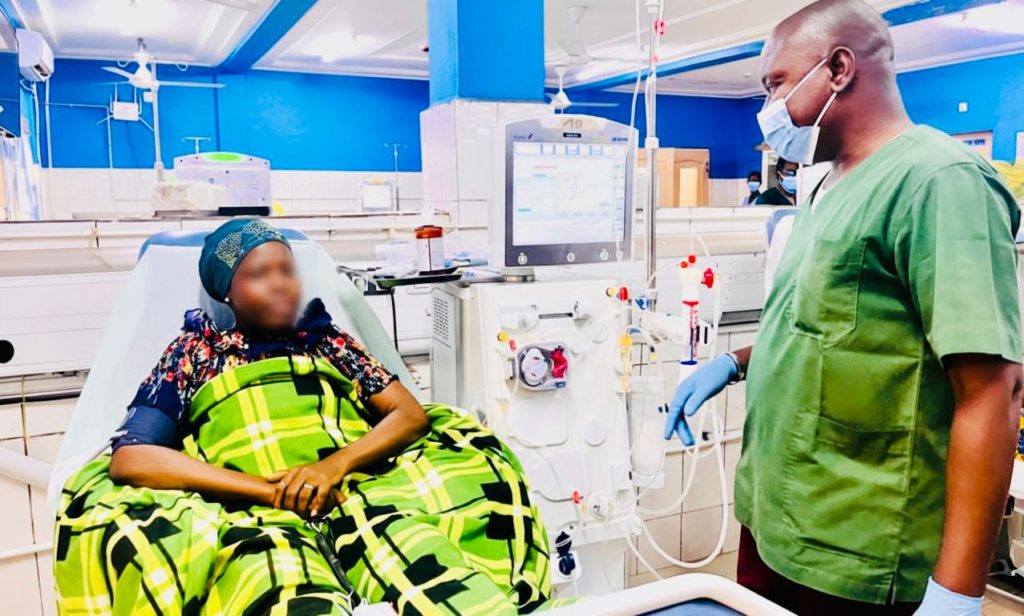
For countless Burkinabè, accessing healthcare was once an insurmountable challenge. The financial barrier separating patients from life-saving treatment felt like an invisible wall—one that too often proved impossible to breach. But since March 13, 2024, the government has taken decisive action to dismantle this obstacle. By slashing fees for critical medical exams and eliminating required deposits for dialysis in public health facilities, authorities have fundamentally reshaped healthcare accessibility across the nation. From privilege to right: the human impact of healthcare reform In the bustling halls of Burkina Faso’s public hospitals,…
Read MoreDiphtheria surge in Mali amid ongoing humanitarian crisis
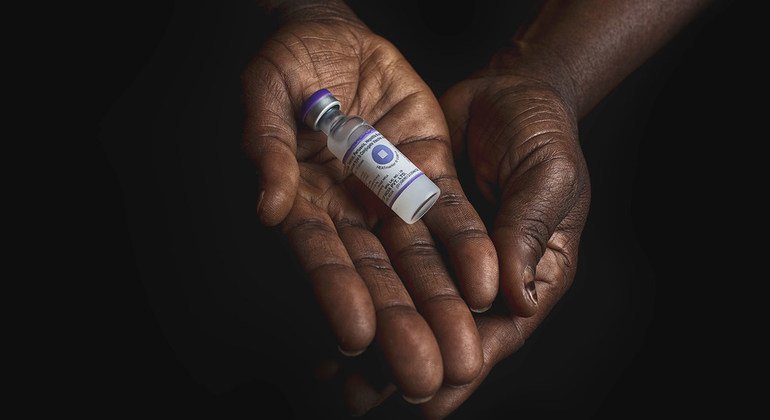
diphtheria surge in Mali amid ongoing humanitarian crisis Since mid-September, Mali has been grappling with a rapid surge in diphtheria cases, a preventable yet deadly infection now thriving in a fragile healthcare landscape. Chronic shortages, restricted humanitarian access, and a collapsing public health infrastructure have created the perfect storm for this outbreak to spread unchecked. By early December, official reports tallied over 530 cases and 30 deaths, but experts warn the true numbers are likely far higher due to widespread underreporting. The hardest-hit regions include Mopti and Ségou in central…
Read More