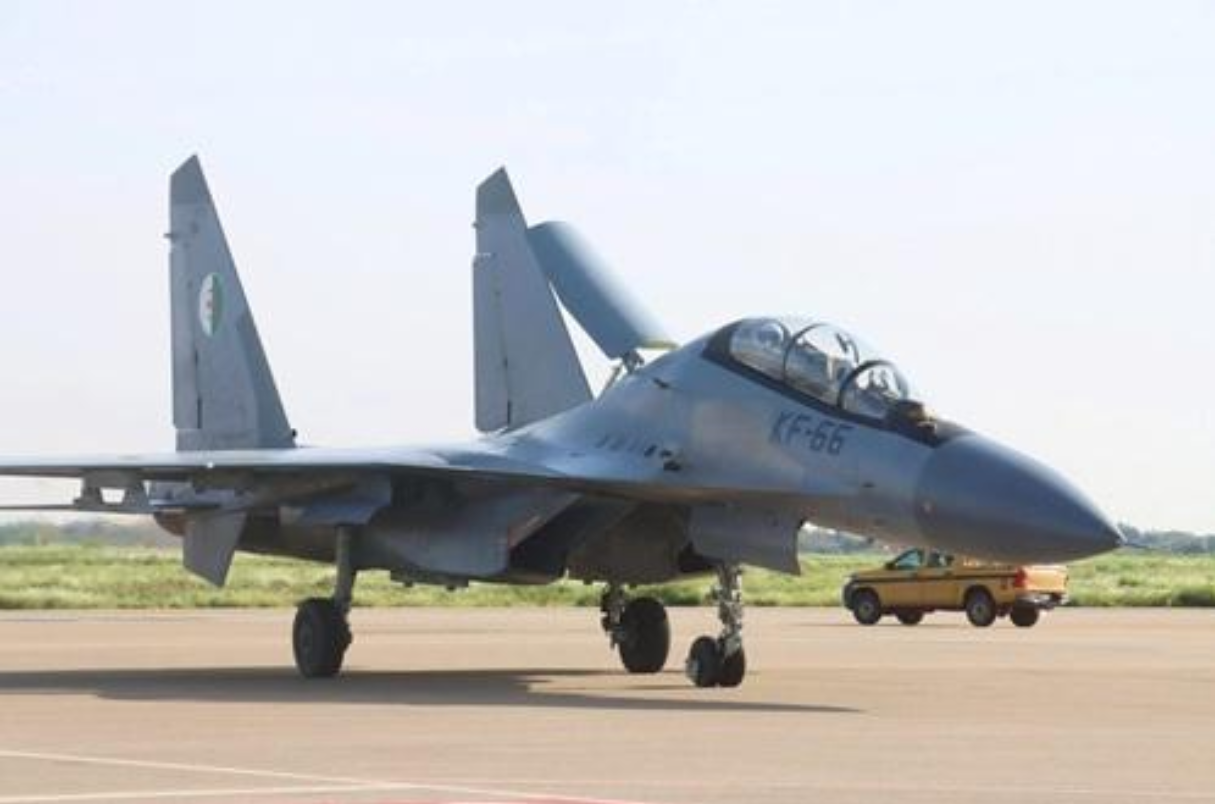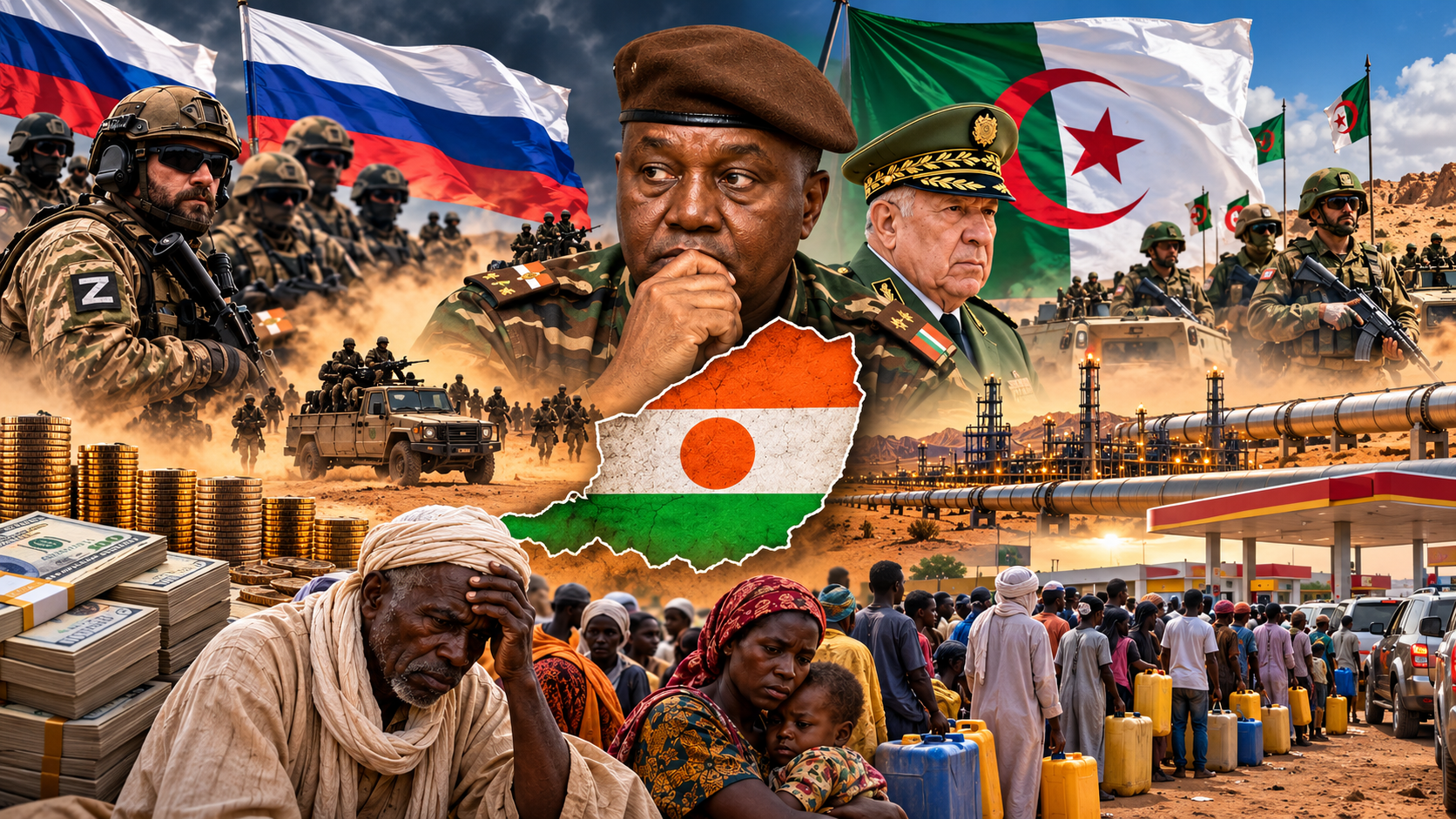

Public scrutiny grows over Niger’s decision to allow Algerian troops The announcement of Algeria’s military deployment to Niger has sparked intense debate about whether Niamey violated its own constitutional framework by failing to consult citizens on such a critical sovereignty issue. What Does Niger’s Refoundation Charter Require? The 2025 charter establishes that foreign military presence requires either a national referendum or a presidential decree in emergency cases—after consulting the Refoundation Advisory Council. With Algeria’s parliament approving troop deployment on October 25, 2026, Niger now faces pressure to justify its compliance…
Read MoreNiger responds as explosive claims surface about Pascal Tigri’s whereabouts
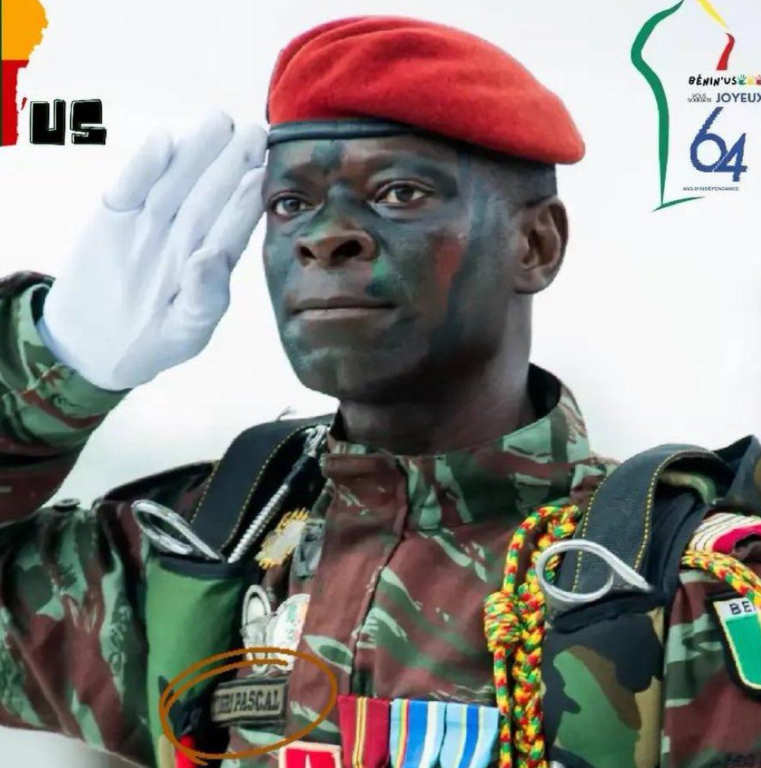
The airing of a high-profile testimony on Niger’s national broadcaster has reignited speculation about the whereabouts of Colonel Pascal Tigri, the alleged mastermind behind the failed coup attempt in Benin last December. The dramatic declaration by Nigerian police inspector Habibou Oumarou Mamane, known locally as ‘The Rebel,’ aired on October 23, 2026, alleges an intricate web of contacts, payments, and intermediaries, all allegedly working to locate Tigri within Niger’s borders. But with claims swirling in a charged diplomatic climate, the testimony raises as many questions as it answers. What concrete…
Read MoreNiger’s military regime: promises of change falter as crises deepen after 2023 coup
From overthrow to oversight: the promises of Niamey’s junta in the crossfire The July 2023 overthrow of democratically elected President Mohamed Bazoum was sold to Nigeriens as a turning point—one that would end corruption, restore security, and reclaim national sovereignty. Three years later, the ruling National Council for the Safeguarding of the Homeland (CNSP) faces a stark reality: instead of reversing the country’s decline, its rule has deepened existing crises and introduced new ones. The question now is no longer about the past failures of Bazoum’s administration, but whether the…
Read MoreNiamey’s fuel crisis: how Algerian supply deals fuel public debate and economic fallout
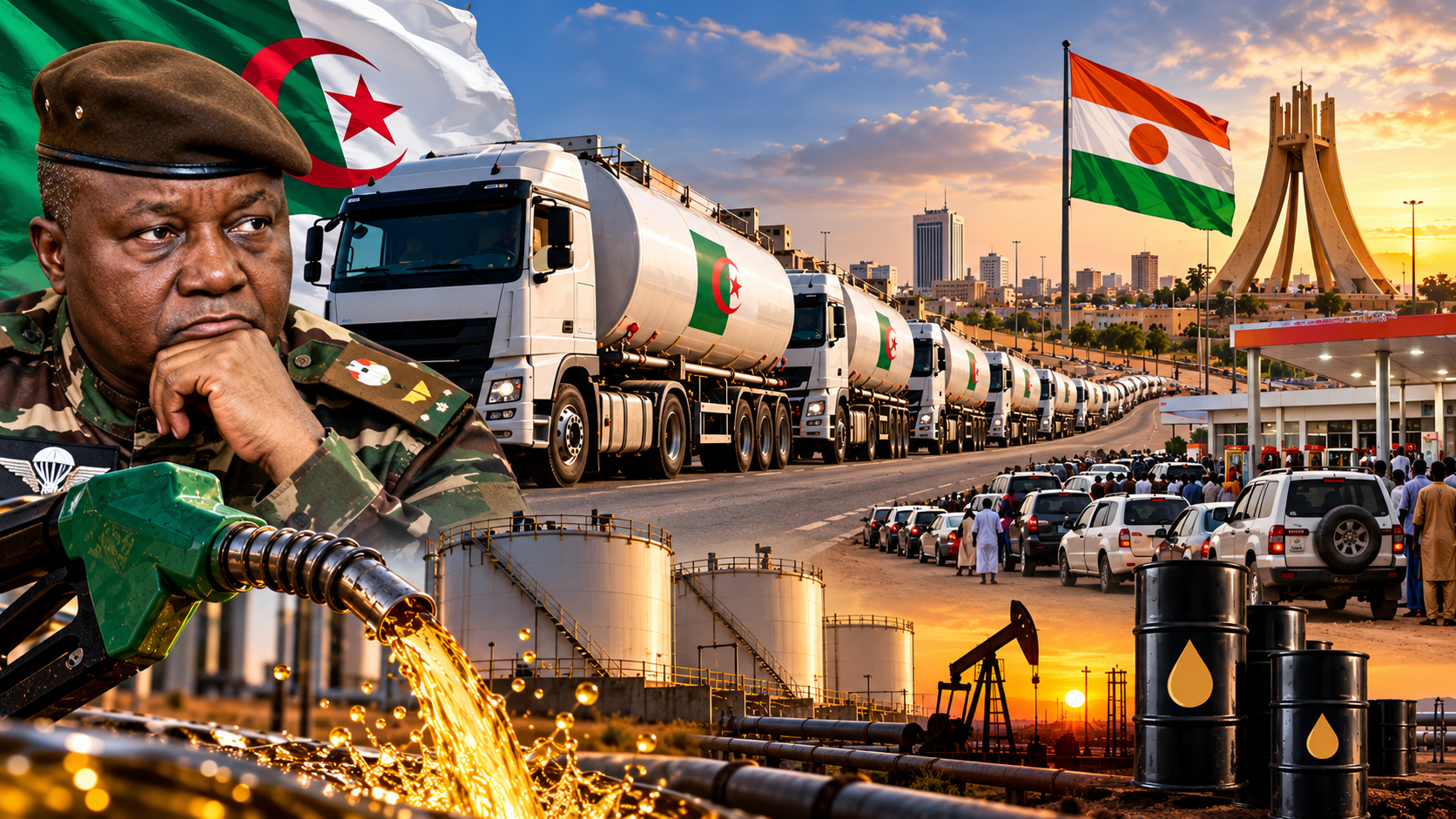
After months of uncertainty and fluctuating supply chains, Niamey has received an unexpected lifeline in the form of 3.75 million liters of diesel from Algeria. The shipment, originally intended for Agadez, has triggered a wave of questions about priorities, costs, and the long-term resilience of Niger’s fuel infrastructure. As public scrutiny intensifies, policymakers face mounting pressure to clarify the rationale behind the delivery and justify the financial and strategic implications of this emergency supply. From Agadez to Niamez: why the cargo changed course The 150 tankers, each carrying 25,000 liters,…
Read MoreCameroon’s Ebola readiness: behind the scenes of border surveillance
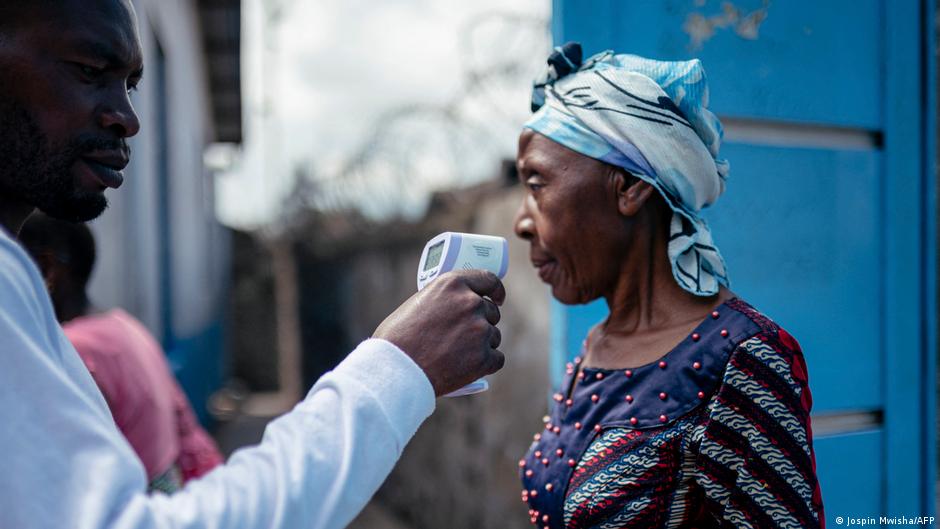
As Nigeria reports a confirmed Ebola case just across the border, Cameroon is scrambling to shore up its defenses against a potential outbreak. This isn’t just another health alert—it’s unfolding against the backdrop of an ongoing cholera crisis in the Far North region, where hospitals are already stretched thin. The warning signs are clear: more than 1,500 kilometers of porous borders stretch between Cameroon and Nigeria, a landscape where porous trade routes and daily human movement make containment a formidable challenge. In the capital, Yaoundé, residents like agronomist Aurélien Ngouffo…
Read MoreBenin and UAE seal historic trade pact amid growing African economic ambitions
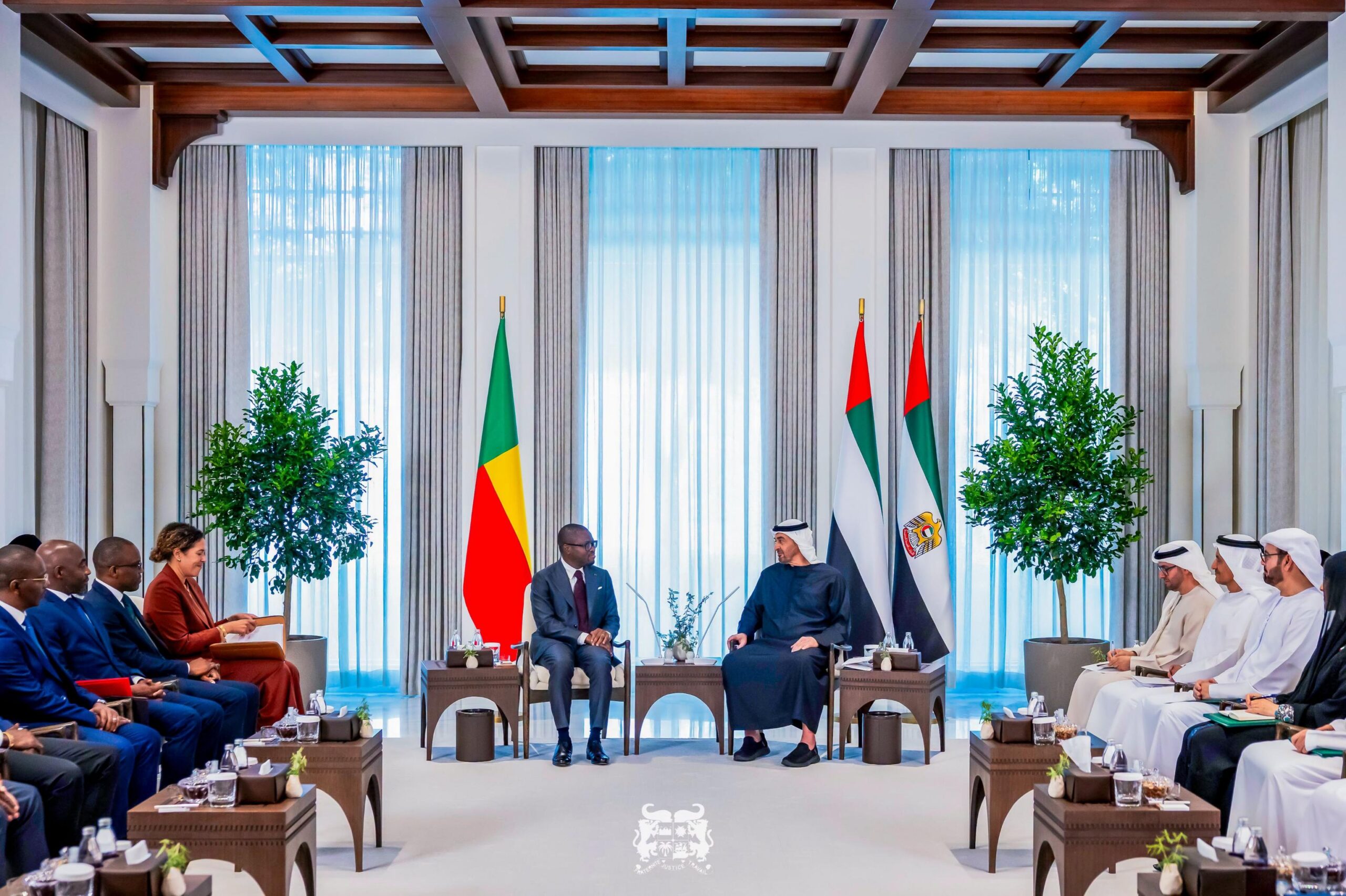
The dust is settling on one of West Africa’s most significant economic developments of the year, as the Republic of Benin and the United Arab Emirates officially inked a landmark trade agreement following high-level talks in Abu Dhabi. But now, with the ink dry, the real debate is just beginning—what does this deal mean for both economies, and what challenges lie ahead as the pact moves toward implementation? From promise to policy: What the Benin-UAE trade deal changes After months of closed-door negotiations, the Comprehensive Economic Partnership Agreement (CEPA) was…
Read MoreFallout from Niger’s military overtures to Algeria: who bears the cost of Tiani’s security gamble?
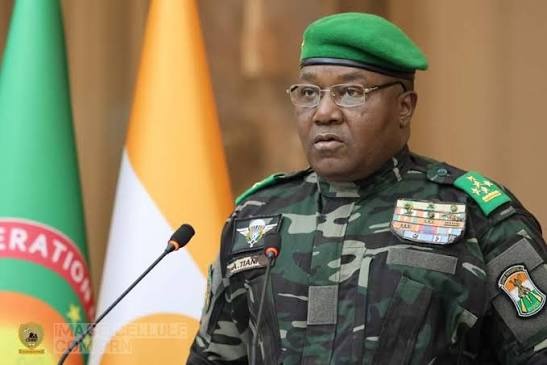
Niger’s military regime under General Abdourahamane Tiani faces mounting scrutiny over its expanding reliance on foreign security partners, after Algeria’s parliament approved the deployment of troops to Niamey. The move, hailed as a strategic pivot, now prompts urgent questions about the hidden costs, undisclosed terms, and long-term implications for a nation already stretched thin by economic hardship and persistent violence. From Russian mercenaries to Algerian boots on the ground: a strategy under pressure The alliance with Russia’s Africa Corps was sold as a lifeline to stabilize Niger’s embattled security landscape.…
Read MoreCameroon’s missing vice president: how succession fears shape Paul Biya’s decisions
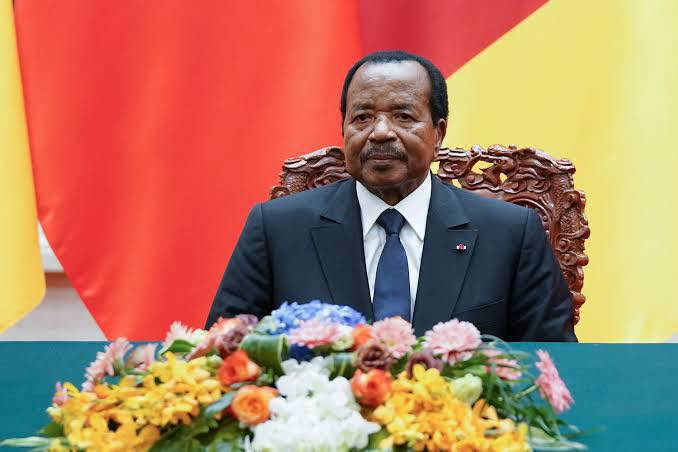
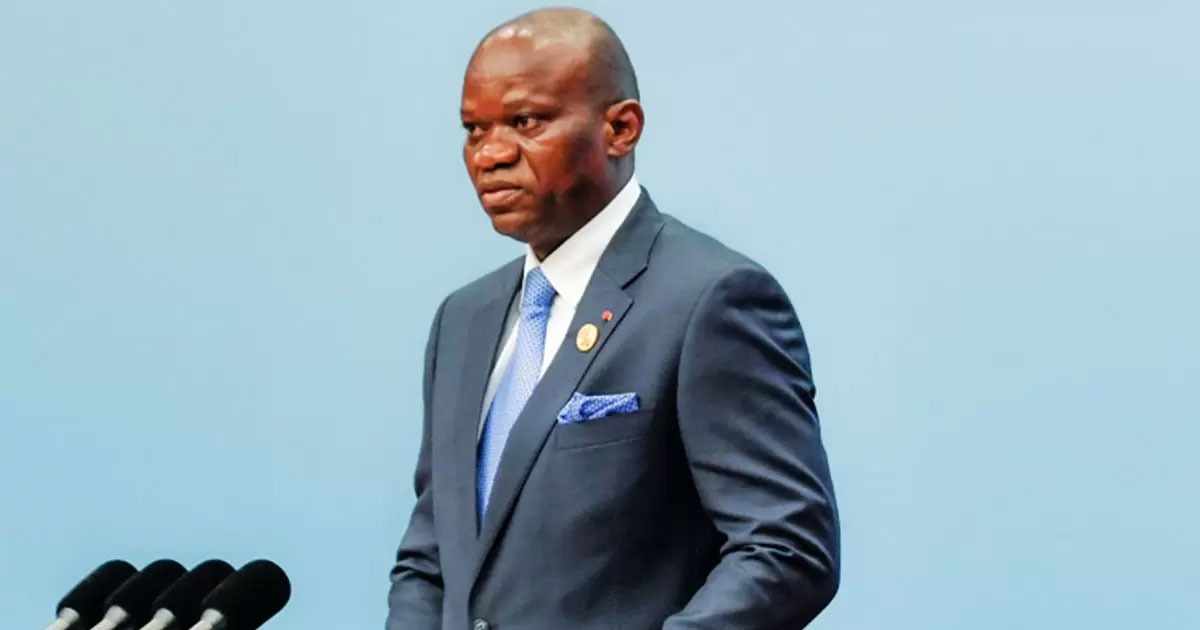
The reintroduction of the vice-presidency in Cameroon’s constitution has created unexpected challenges for President Paul Biya, beyond the usual political calculations. Behind the prolonged vacancy of this crucial position lies a deeper concern: the president’s unease over the constitutional reforms that grant the vice-president a decisive role in declaring his permanent incapacity to govern. Behind the constitutional change: a vice-presidency with unprecedented powers In April [current year], Cameroon amended its constitution to reintroduce the vice-presidency—a move that, on the surface, was intended to strengthen institutional continuity. Yet this reform carries…
Read MoreSenegal’s rectified finance law: unraveling the political and economic tensions behind the 2026 budget adjustments
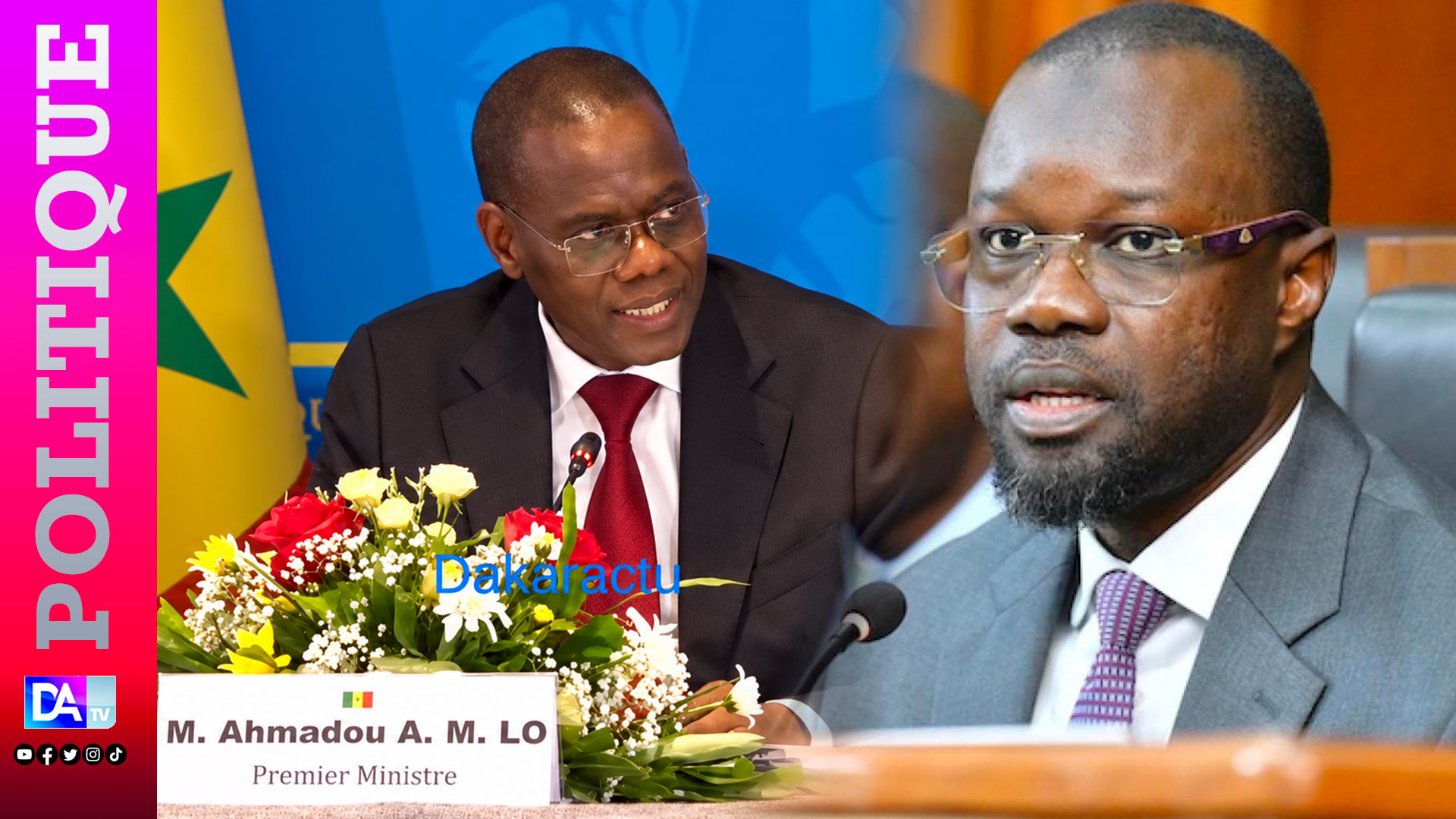
The unveiling of Senegal’s Rectified Finance Law (LFR) for 2026 has exposed deep-seated contradictions within the political and economic landscape, as Prime Minister Al Aminou Lo defends the adjustments against sharp criticism from opposition factions. While the LFR was initially framed as an extension of the 2026 Finance Law presented by former Prime Minister Ousmane Sonko—approved by an overwhelming majority—the current National Assembly president now stands as one of its fiercest detractors. The debate has sharply intensified, revealing how economic unpredictability and shifting political loyalties are reshaping the nation’s financial…
Read MoreGabon’s transition leader demands answers from BW Energy amid Prospector 5 crisis
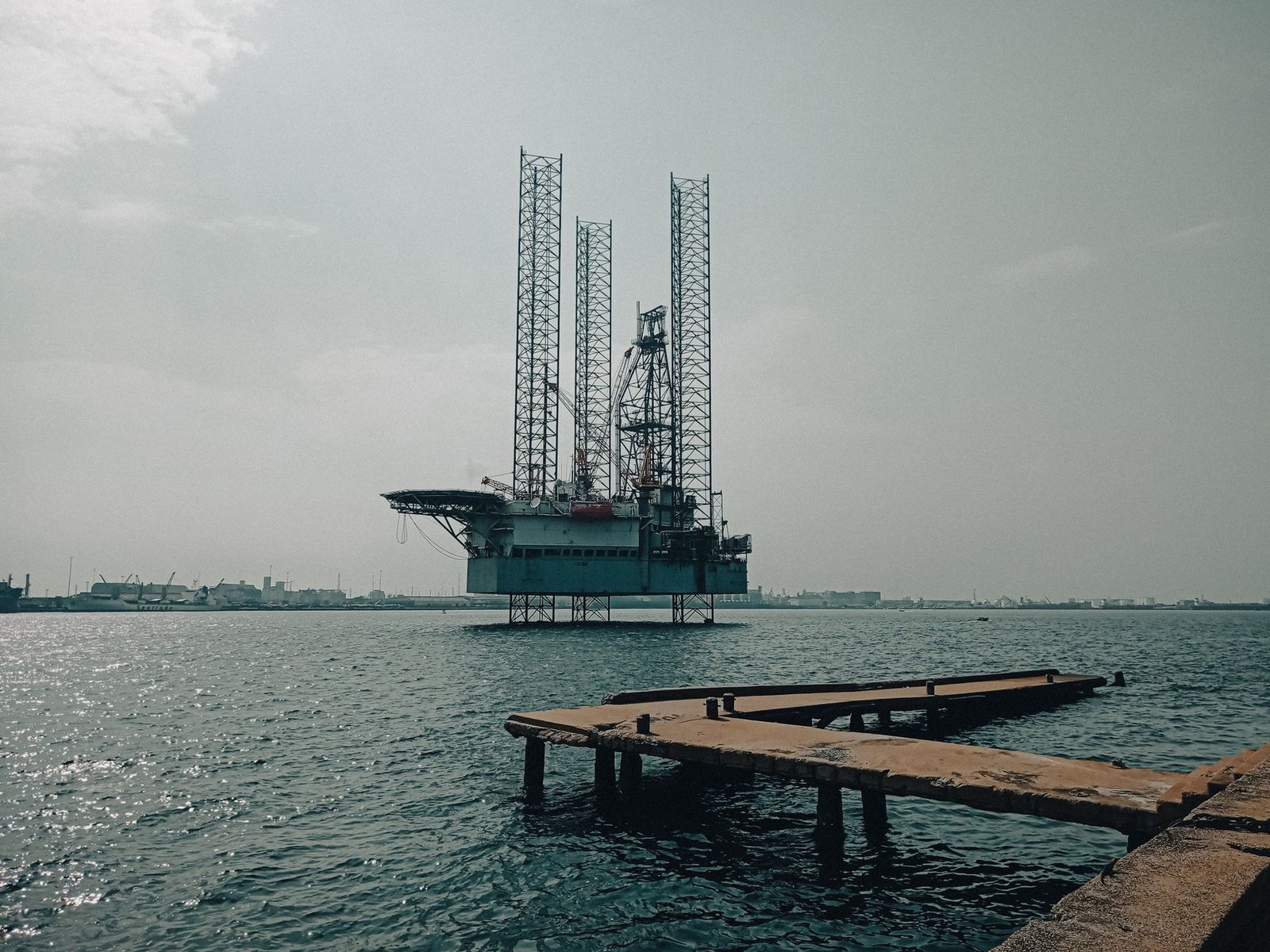
Gabonese leader Brice Oligui Nguema has taken the unusual step of publicly confronting BW Energy, the Norwegian oil company operating the country’s Dussafu offshore field, following the Prospector 5 vessel’s sinking. By personally holding the firm accountable, the transitional president is not merely addressing a maritime accident but reshaping Gabon’s relationship with foreign investors—signaling a shift toward state-led oversight of high-stakes industrial incidents. The president’s move reveals deeper shifts in Gabon’s energy governance The direct public intervention marks a clear departure from Gabon’s previous hands-off approach to hydrocarbon sector relations.…
Read MoreGabon ends social media blackout after prolonged internet restrictions
Gabon ends social media blackout after prolonged internet restrictions After more than eight months of stringent digital restrictions, Gabon has officially lifted its blanket ban on social media platforms. The decision, announced by the High Authority for Communication (HAC), marks a significant shift in the country’s online policy landscape. But what led to this prolonged isolation—and what does its reversal reveal about Gabon’s digital future? The legal and political backdrop behind the shutdown Gabon’s social media blackout, which began in February of this year, was imposed under the pretext of…
Read MoreBehind the scenes: how Libreville’s digital week shapes Gabon’s tech future
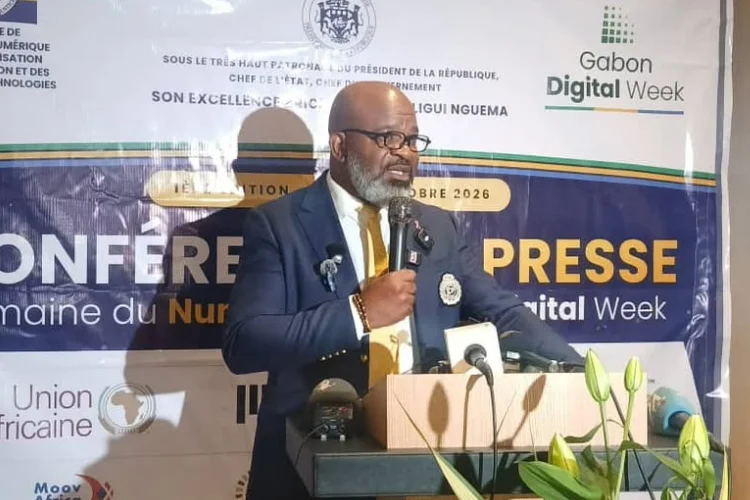
Gabon’s strategic push for digital sovereignty unfolds in Libreville Libreville’s upcoming Gabon Digital Week, running from 26 to 30 October 2025, isn’t just another tech event—it’s a carefully orchestrated response to deep structural challenges in Gabon’s digital economy. The initiative, convened under the direct patronage of President Brice Clotaire Oligui Nguema, signals a pivot toward national digital self-reliance through policy action, infrastructure breakthroughs, and youth integration. The policy engine driving digital transformation The gathering at the Palais des Congrès will serve as the platform for unveiling Gabon’s national digitalization roadmap.…
Read More