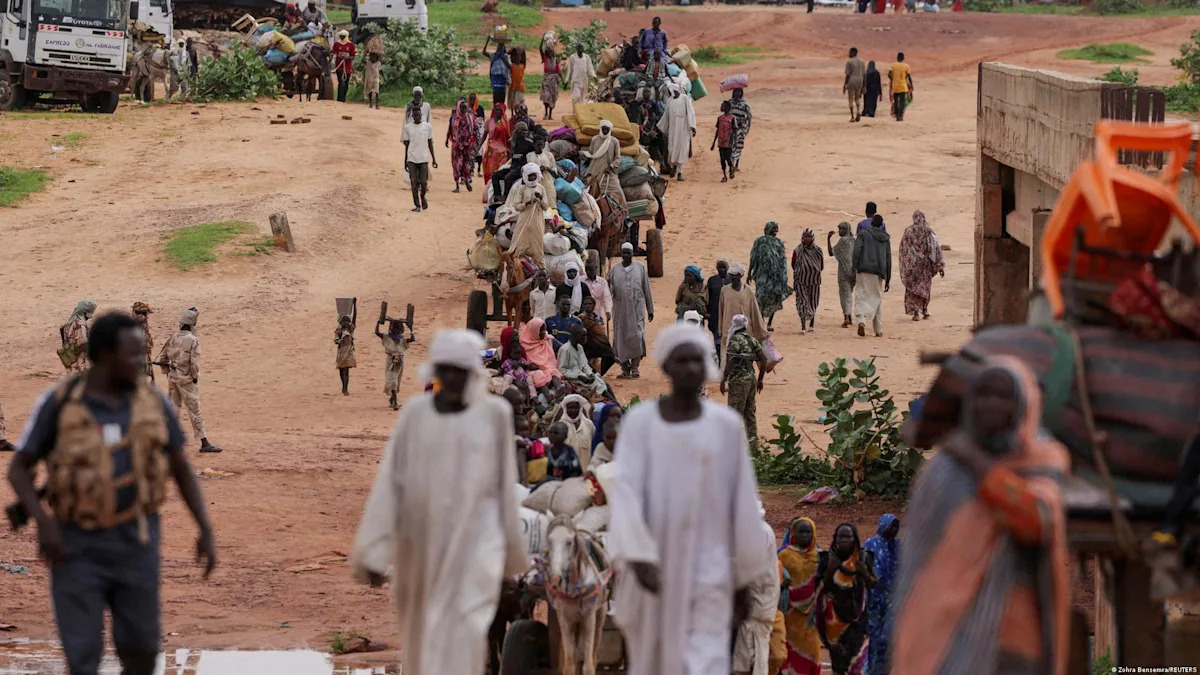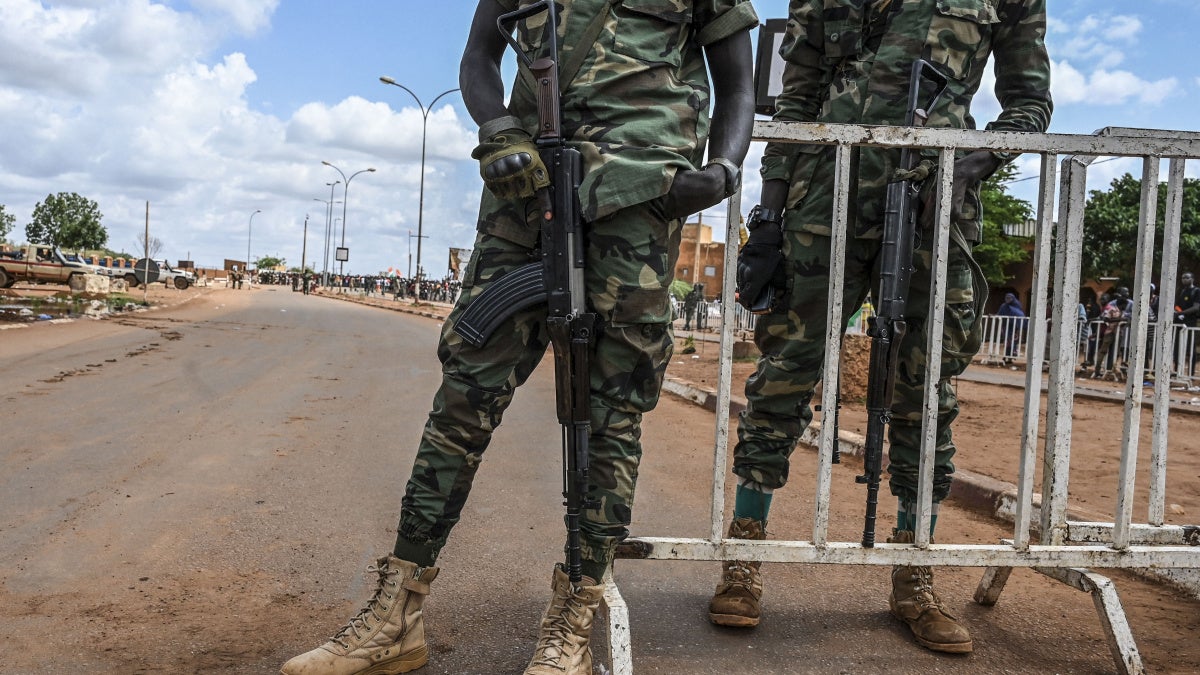
The devastating conflict in Soudan has sparked a massive humanitarian emergency, with nearly one million displaced individuals seeking safety in neighboring Tchad. This pressure has intensified following the collapse of El-Fasher in North Darfur. Within a two-week window, roughly 100,000 civilians fled the city, and about 6,000 of them managed to cross the border into Tchad. This influx places a heavy burden on a country already struggling with long-term regional volatility, a recurring theme in pan-African news. Strategic border challenges and rising security threats The 1,300-kilometer boundary between the two…
Read MoreMilitary coups in west africa and the fate of civilian allies
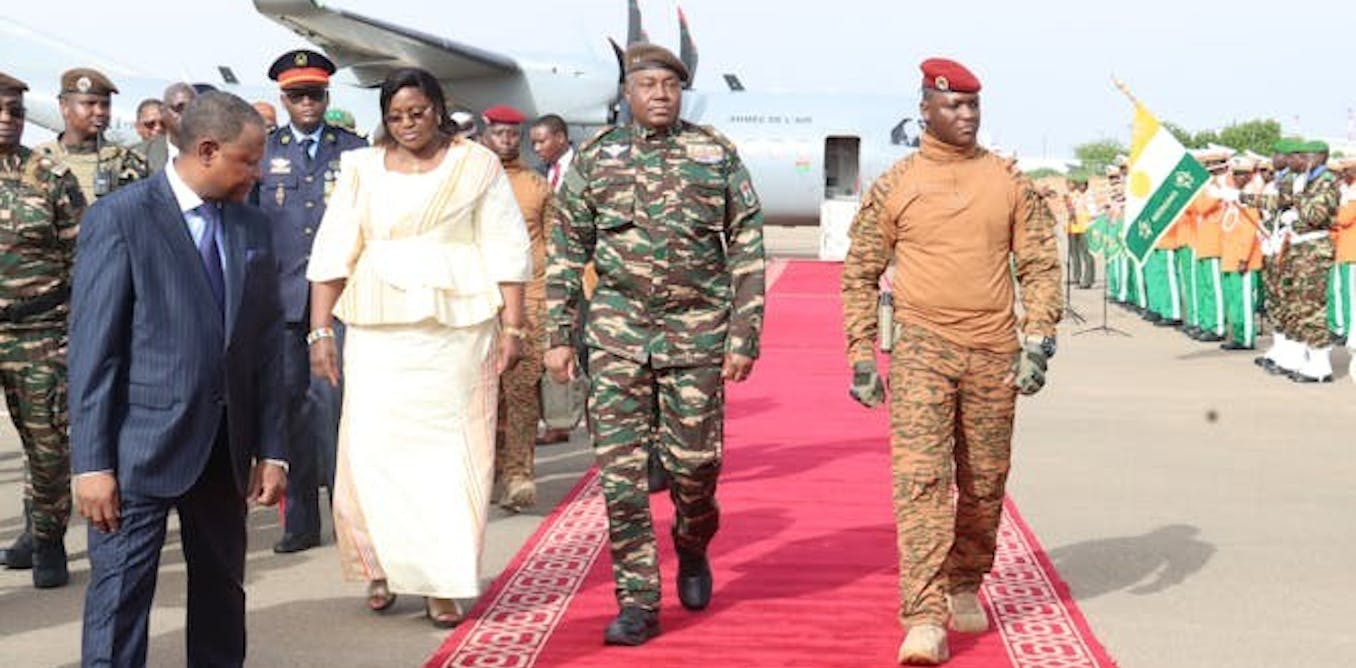
The late January 2026 decision by Burkina Faso’s interim leader, Captain Ibrahim Traoré, marked the formal end of political pluralism in the country. On January 29, all registered political parties—including those that had backed his September 2022 takeover—were officially dissolved. While parties had already been suspended after Traoré’s rise, the junta framed the permanent ban as part of a sweeping state restructuring aimed at reducing social divisions. In reality, the move stripped away the last remnants of independent civic engagement and consolidated power firmly under the captain’s control. Party assets…
Read MoreBurkina Faso makes historic malaria progress as cases drop by 32% in 2025
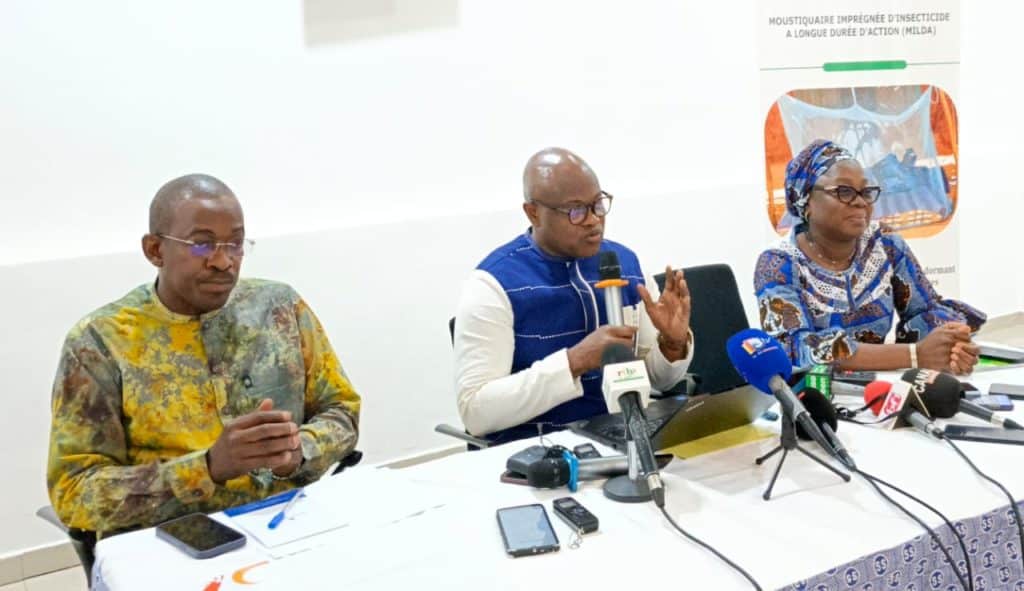
The Burkina Faso government has achieved a historic milestone in its fight against malaria, with a dramatic reduction in both cases and fatalities in 2025 as the nation pushes toward elimination by 2030. During a press briefing in Ouagadougou, Dr. Lucien Jean-Claude Kargougou, Minister of Health, unveiled striking declines in malaria statistics. Total cases plummeted from 10,805,000 in 2024 to 7,329,000 in 2025—a 32% drop. Among children under 5, the reduction exceeded 1,900,000 cases, representing a 38% decrease. Malaria-related deaths also fell sharply from 3,523 in 2024 to 1,900 in…
Read MoreAfrican union summit faces criticism over coup leaders in elections
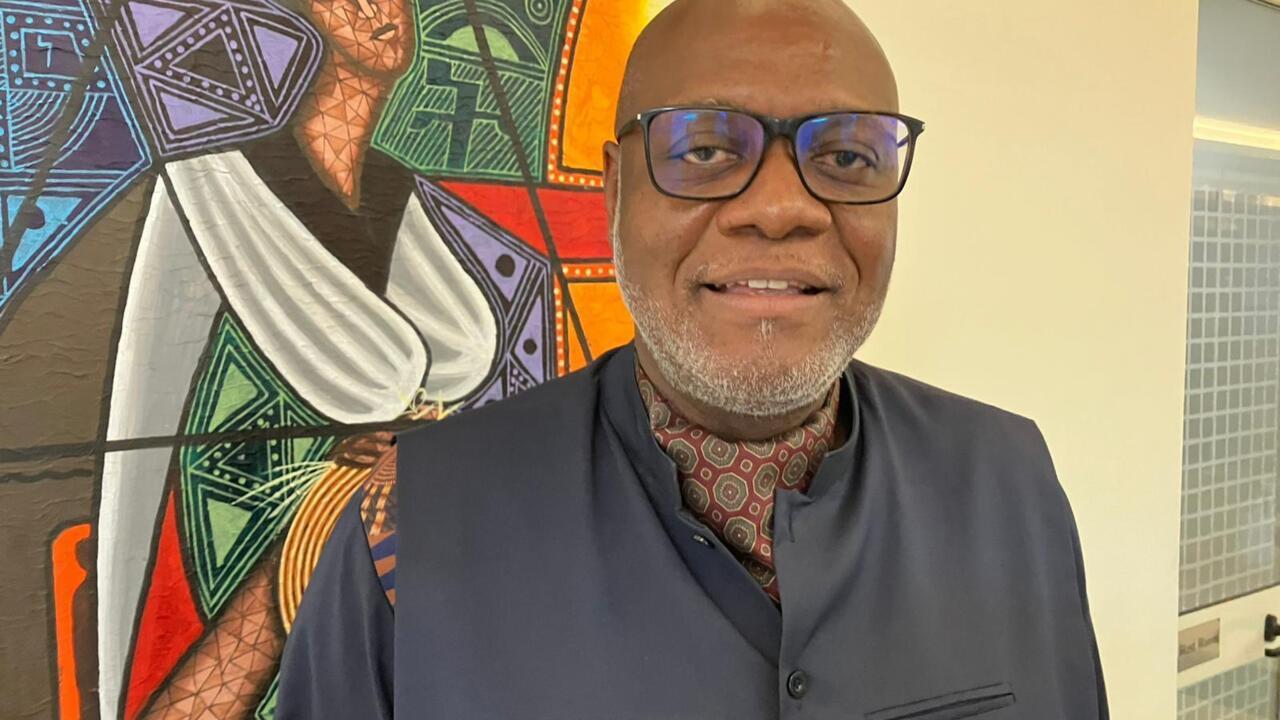
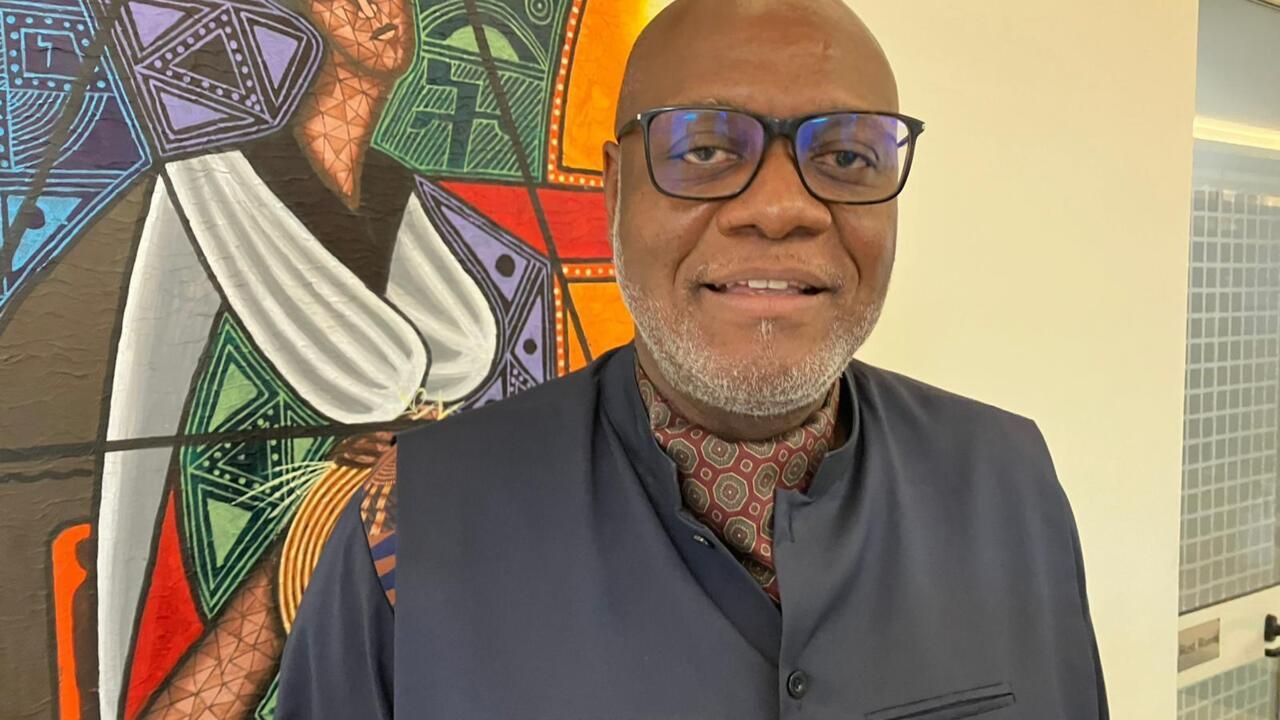
Invité Afrique Midi «It is unacceptable for coup plotters to be democratically elected» Listen – 05:45 The 39th African Union summit concluded with a bold declaration: to “silence the guns” and end unconstitutional power grabs. But can this stance hold? Prominent Cameroonian researcher Paul-Simon Handy, Regional Director for the Institute for Security Studies (ISS) in East Africa, who attended the Addis Ababa gathering, joins Africa Midi to dissect the continent’s shifting political landscape. The 39th African Union summit in Addis Ababa wrapped up with a firm commitment to eradicate unconstitutional…
Read MoreAfrica news english: why allowing coup leaders to run in elections undermines democracy
At the conclusion of the 39th African Union summit, a bold declaration echoed through the halls of Addis Ababa: silencing the guns and ending unconstitutional power transfers once and for all. But in a region grappling with political instability, can such promises truly hold weight? Paul-Simon Handy, a Cameroonian researcher and Regional Director for East Africa at the Institute for Security Studies (ISS), was present in Addis Ababa during the landmark gathering. In an exclusive interview on Africa Midi, he shed light on the summit’s outcomes and the challenges facing…
Read MoreBurkina Faso cuts medicine prices in landmark healthcare reform
Burkina Faso slashes medicine prices by up to 72% to boost healthcare access The Burkina Faso government has unveiled a groundbreaking initiative to reduce the cost of essential generic medications and medical supplies, with reductions as high as 72%. This strategic move aims to make healthcare more affordable and accessible for all citizens. The announcement follows a Council of Ministers meeting held on February 12, 2026, where officials approved sweeping price adjustments for drugs distributed through the Central Purchasing Unit for Essential Generic Medicines (CAMEG). The new rates will take…
Read MoreDeadly jihadist attack in Niger’s Tillabéri region sparks outrage
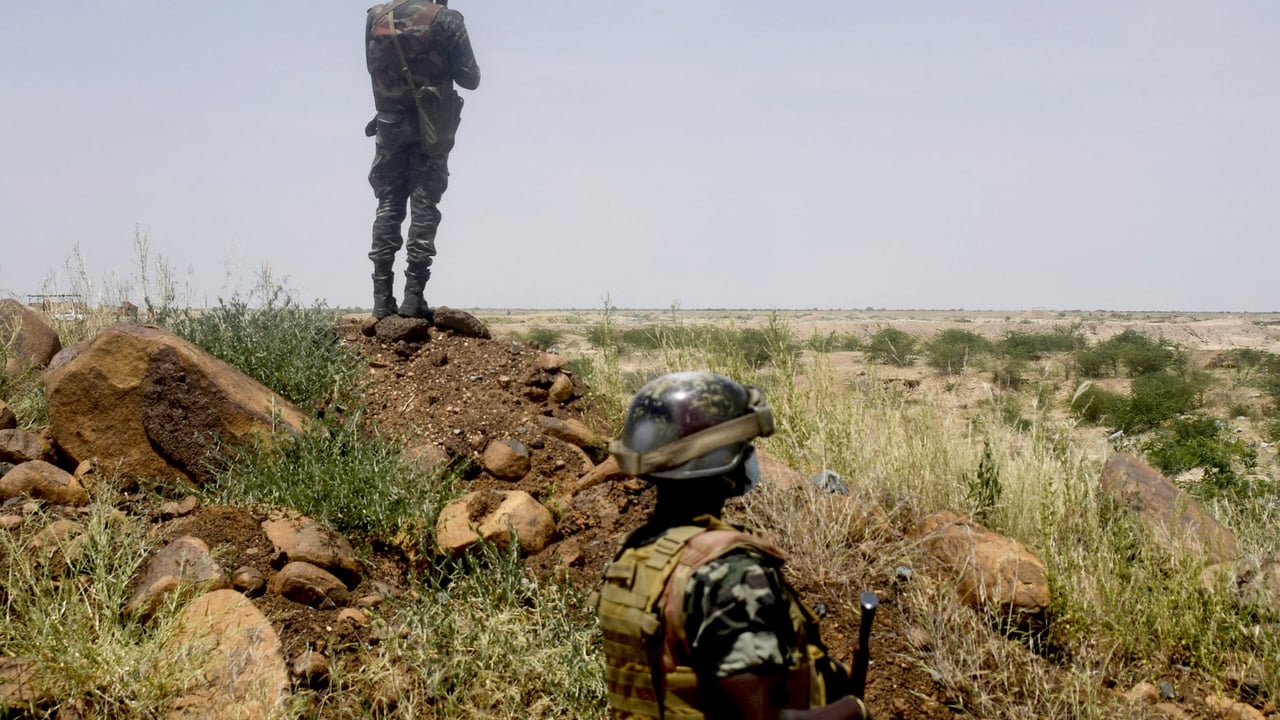
A fresh wave of brutality has struck Niger, leaving 31 civilians—including men and children—slaughtered in the village of Bossiye, located in the Tillabéri region. The massacre, carried out on January 18, has been attributed to jihadist militants linked to the Islamic State in the Greater Sahara (EIGS). According to reports from Human Rights Watch, around 100 heavily armed militants descended on the village on motorcycles near midday, unleashing indiscriminate violence. Survivors and local sources describe a scene of sheer terror as families were targeted without mercy. This latest atrocity underscores…
Read MorePowering care: solar energy transforms niafounké hospital in Mali
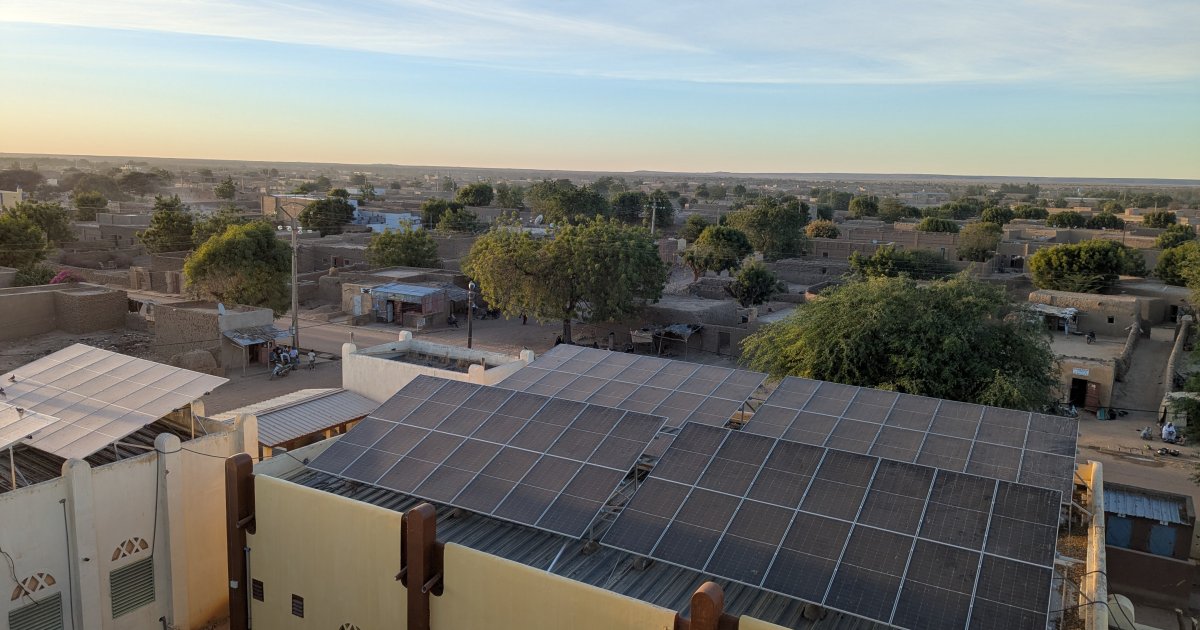
i Vue des panneaux solaires installés par MSF à l’hôpital de Niafunké, dans le nord du Mali. © Lamine Keita solar energy revolutionizes healthcare in niafounké, northern Mali In Mali’s Timbuktu region, Médecins Sans Frontières (MSF) has recently equipped the Niafounké hospital with a cutting-edge solar panel installation. This vital energy transition strengthens the hospital’s operational autonomy and ensures more consistent healthcare delivery in a remote area grappling with persistent insecurity. Previously, the hospital relied almost entirely on a diesel-powered thermal plant, which was prone to frequent power outages. To…
Read MoreUs influence expansion in Sahel through Morocco’s strategic role
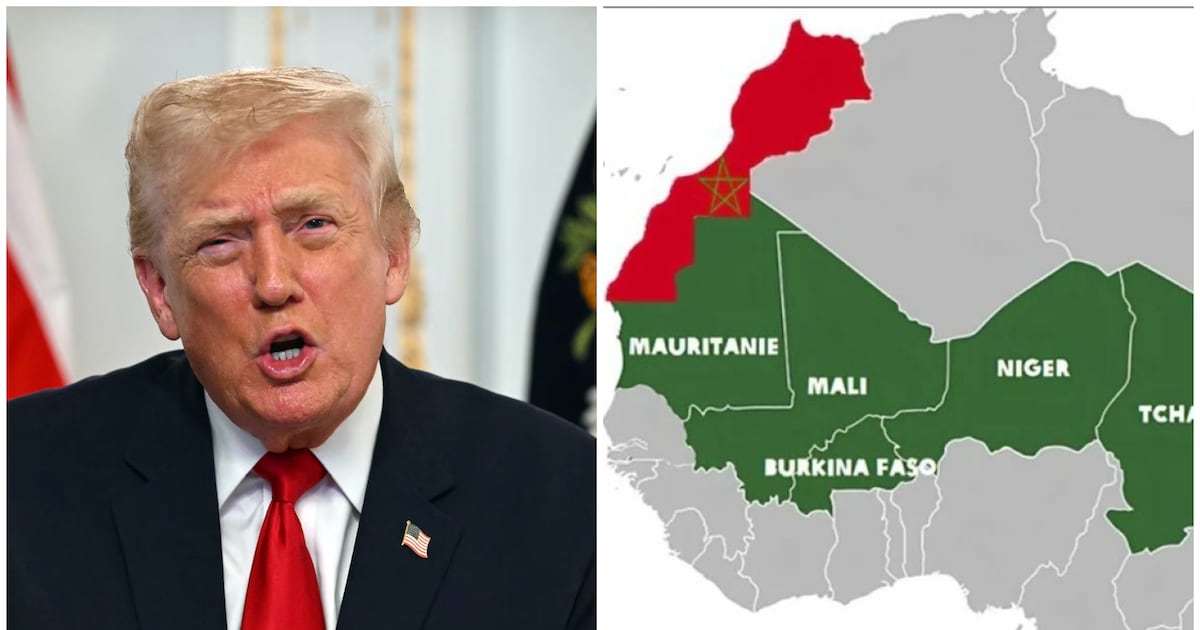
The geopolitical landscape of the Sahel is quietly undergoing a transformation. As European forces scale back their presence in Mali, Burkina Faso, and Niger, and Russia’s influence grows through para-state structures, the United States appears to be regaining momentum in the region. However, this shift is less about a dramatic return and more about a recalibration of Washington’s strategic positioning, according to Emmanuel Dupuy, president of the Institute for Prospective and Security in Europe (IPSE). Dupuy emphasizes that the U.S. never fully disengaged from the Sahel; instead, it adopted a…
Read MoreDeadly islamist attacks in Niger’s Tillabéri region
Armed Islamist militants have carried out a series of brutal attacks in western Niger, resulting in the deaths of 30 civilians, including four children, along with five captured fighters. The Islamic State in the Sahel (EIS) has been identified as the perpetrator of these violent acts, which Human Rights Watch has condemned as war crimes. Click to expand Image On January 18, militants from the EIS executed 31 men and boys in the village of Bossieye in retaliation for residents refusing to pay the zakat—an Islamic tax imposed by the…
Read MoreMali’s anti-corruption efforts: a deeper look into its latest transparency international ranking
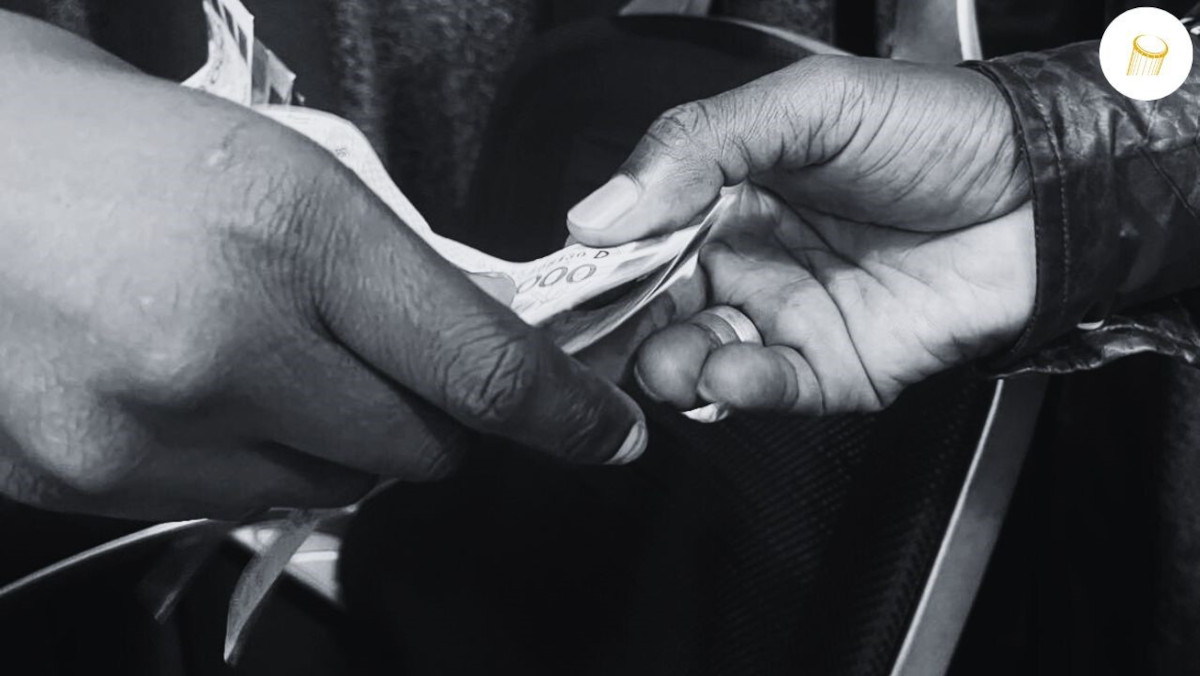
Deux personnes échangent des billets de Banque à Bamako, le 27 octobre 2023 📷 Studio Tamani/Fondation Hirondelle Mali has experienced a setback in the 2025 Transparency International Corruption Perception Index (CPI). The West African nation slipped from the 135th position to 136th globally, now finding itself behind regional allies Niger and Burkina Faso, members of the AES confederation. The Corruption Perception Index is a crucial tool for evaluating countries’ efforts in combating corruption. In 2025, a total of 182 nations were assessed. Mali, scoring 28 out of 100, landed at…
Read MoreGlobal corruption index 2025 shows alarming declines worldwide
Transparency International has released its latest Corruption Perceptions Index (CPI) for 2025, revealing a troubling global trend: corruption is worsening even in long-standing democracies, where political leadership appears to be weakening. The CPI evaluates 180 countries and territories, ranking them based on perceived levels of public-sector corruption. Each nation is scored on a scale from 0 (highly corrupt) to 100 (highly clean). Shockingly, over two-thirds of the countries scored below 50, signaling widespread governance failures. how corruption is measured Measuring corruption directly is nearly impossible—it thrives in secrecy. Instead, the…
Read More