Justice delayed but not denied: Rwanda prepares to try Jean Leonard Teganya after 30-year exile
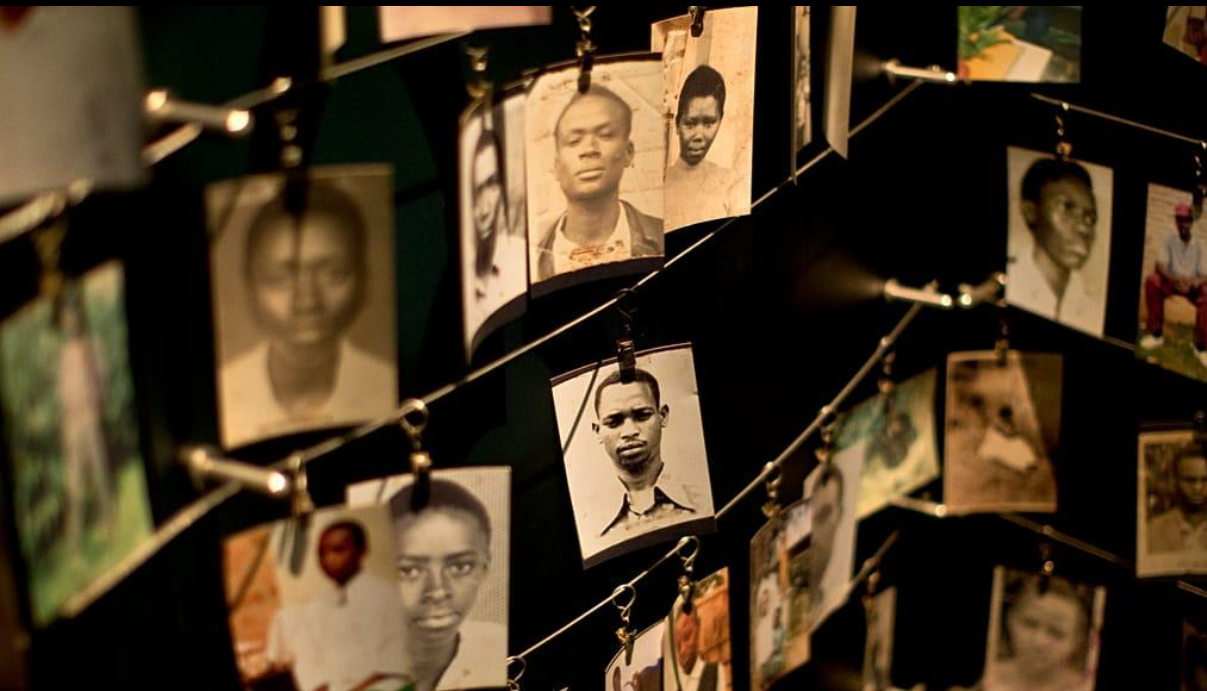
From fugitive to defendant: Teganya faces genocide charges after decades After spending over 30 years evading justice, Jean Leonard Teganya has been forcibly returned to Rwanda to stand trial for alleged involvement in the 1994 genocide against the Tutsi people. The 55-year-old former medical student, expelled from the United States on November 9, 2026, now faces charges of genocide and crimes against humanity under Rwandan law. Upon his arrival in Kigali, Teganya was immediately handed over to national authorities and placed in police custody for questioning. His case has since…

Read More

Algeria raises alarm over Morocco-linked water pollution as diplomatic fallout escalates

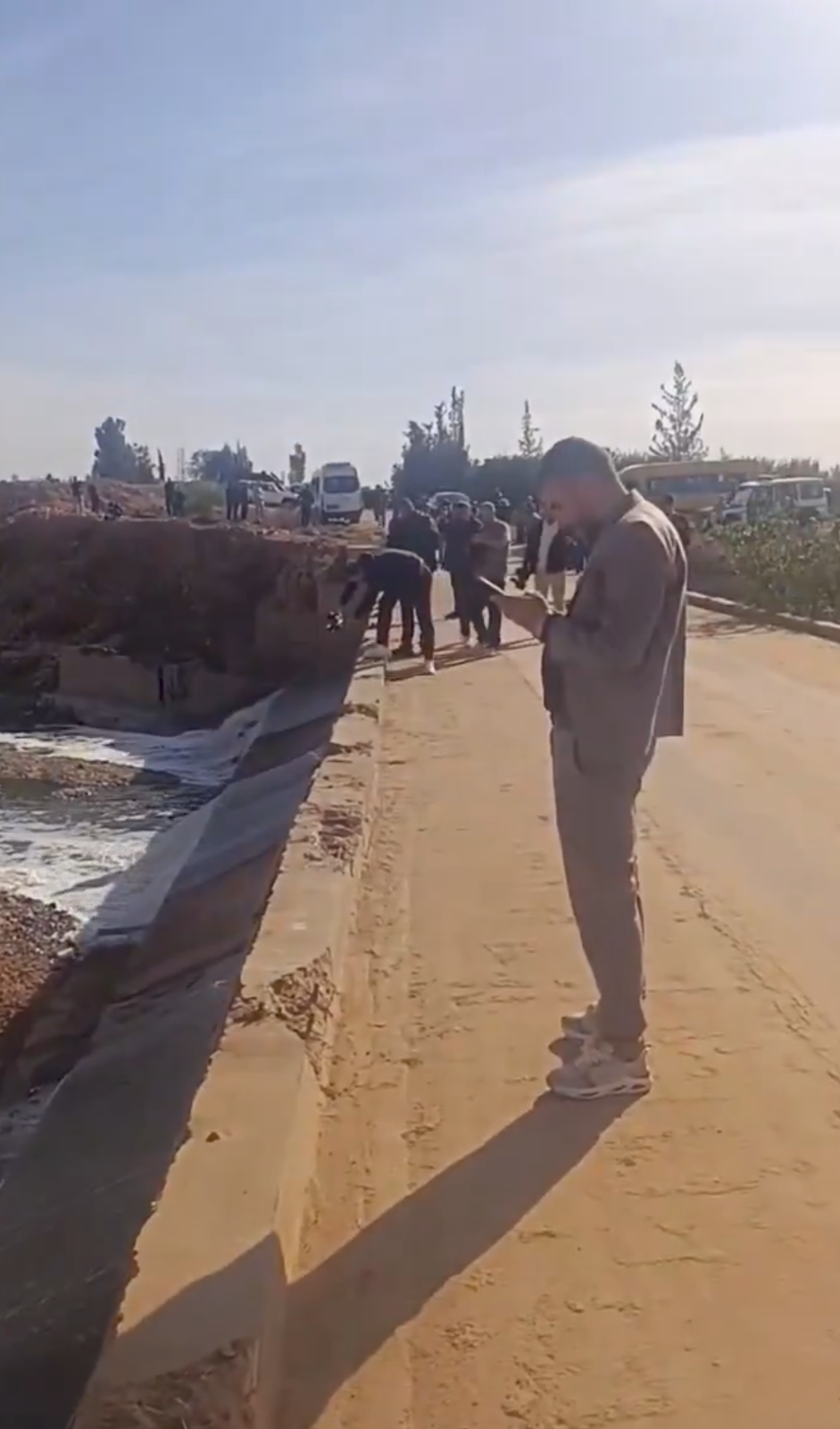
Algeria’s latest environmental grievance with Morocco has escalated into a full-blown dispute, with officials warning that industrial and municipal discharges from across the border are poisoning the oued Mouilah in Tlemcen Province. Beyond the immediate ecological threat, the incident is being framed as a potential test case for international water law—and a fresh flashpoint in a relationship already strained by years of geopolitical rivalry. How water pollution became the latest battleground for Algeria and Morocco The oued Mouilah, a lifeline for western Algeria, now carries heavy loads of nitrites, heavy…

Read More

Madagascar’s security dilemma: echoes of Russia’s Sahel strategy spark global concern

Global scrutiny intensifies as Antananarivo weighs Moscow’s security model The deepening military ties between Madagascar and Russia have triggered fresh warnings from Washington, raising questions about the long-term implications of adopting Moscow’s Sahel security blueprint. With jihadist violence persisting in Mali, Burkina Faso, and Niger despite Russian support, the U.S. is urging Antananarivo to reconsider its strategic choices—or risk amplifying instability across the Indian Ocean. Why does Washington oppose Madagascar’s Russia partnership? U.S. officials argue that the Russian security model, as tested in the Sahel, has failed to deliver lasting…

Read More

After school closures and teacher shortages in Niamey, what future for education in the Sahel?

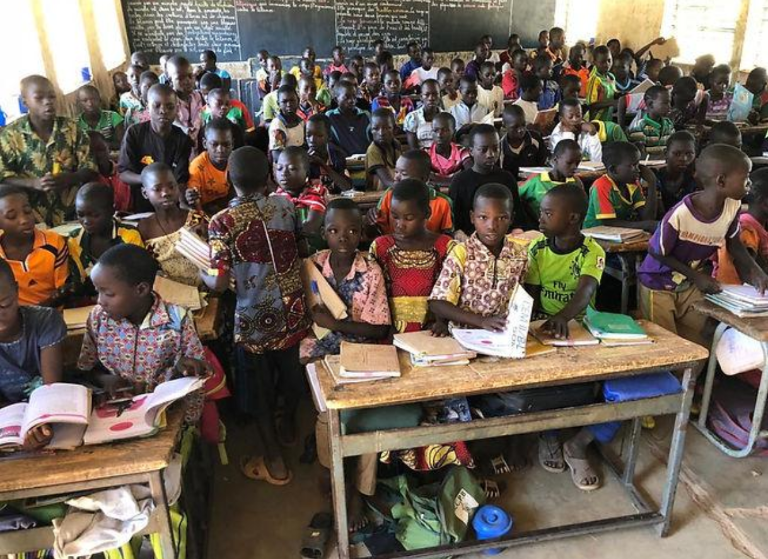
Public backlash grows over Niamey’s education crisis amid fallout from school closures and teacher shortages The first Education and Training Ministers’ Conference of the Alliance of Sahel States (AES), held today in Niamey, opened under heavy scrutiny as Niger, Burkina Faso, and Mali grapple with the fallout of a deepening education crisis. The gathering, presided over by Niger’s Prime Minister Ali Mahamane Lamine Zeine, brings together delegations from all three countries to debate a sobering question: how can education sovereignty be built when classrooms are empty and qualified teachers are…

Read More

Benin’s energy crisis: can 2030 electrification targets revive industry and jobs?

As Benin celebrates an average annual economic growth rate of 7.1% between 2021 and 2025, surpassing 8% in 2025 alone, the West African nation stands out as one of the region’s most resilient economies. Massive infrastructure investments, industrial expansion, and economic modernization have fueled this expansion. Yet, despite these strong macroeconomic indicators, a troubling disconnect persists: growth is failing to generate sufficient formal, stable, and well-paid employment opportunities. This paradox is at the heart of the ongoing public debate in Benin, as highlighted in the latest economic outlook reports. In…

Read More

Cameroon’s political landscape shifts with passing of Hamadou Moustapha at 81

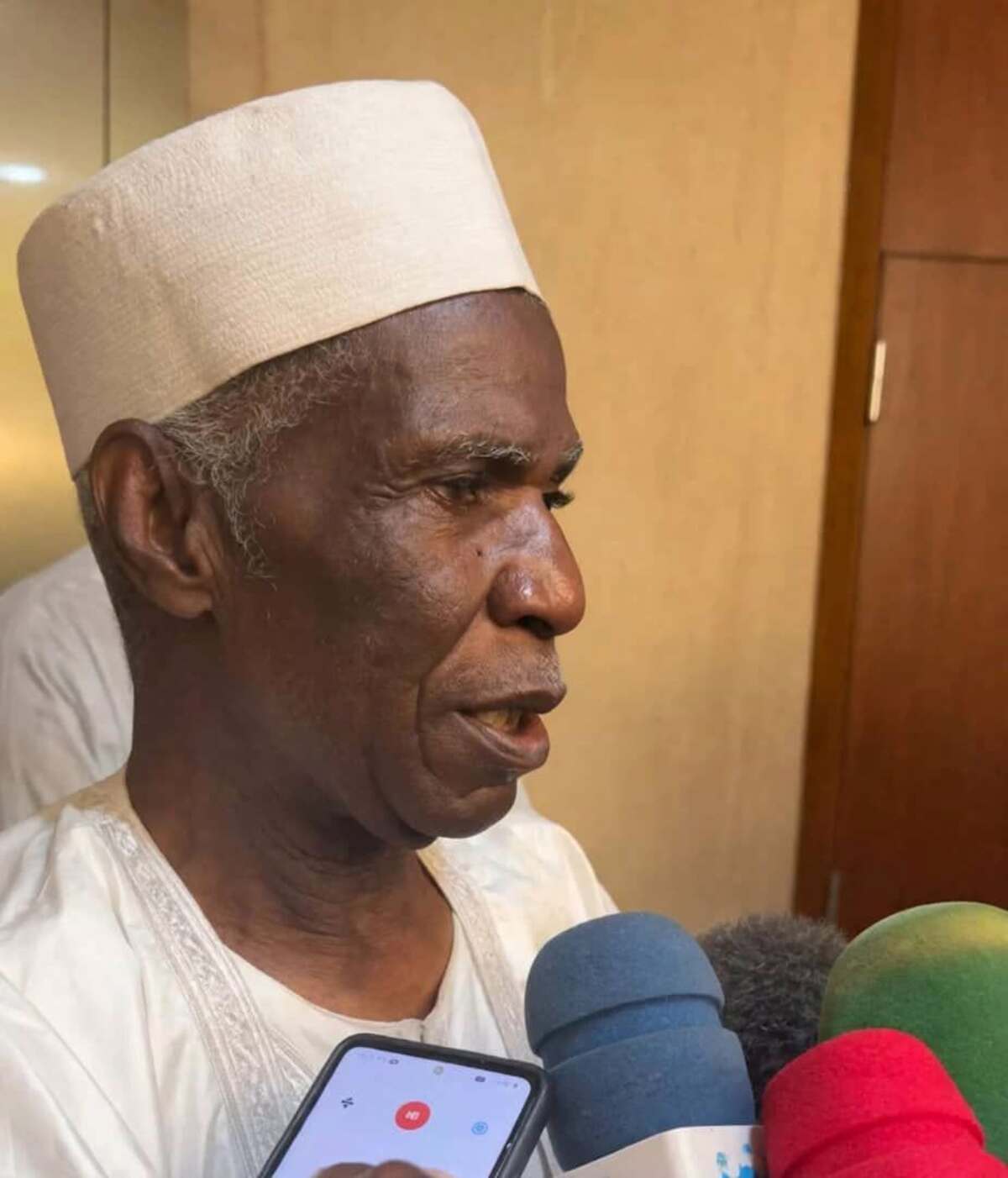
How Hamadou Moustapha’s career mirrors Cameroon’s political evolution A towering figure in Cameroon’s political arena for nearly six decades, Hamadou Moustapha passed away on November 11, 2026, at the age of 81 in Yaoundé. His death brings to a close a remarkable career that spanned critical transitions in the nation’s governance and elite power structures. Moustapha’s death marks the end of an era in which his life’s work became intertwined with the country’s modern political history. The making of a bureaucratic and political operator (1970s–1980s) Born on May 11, 1945,…

Read More

Behind the scenes: why Democratic Republic of Congo’s former PPRD leader Aubin Minaku was placed under house arrest

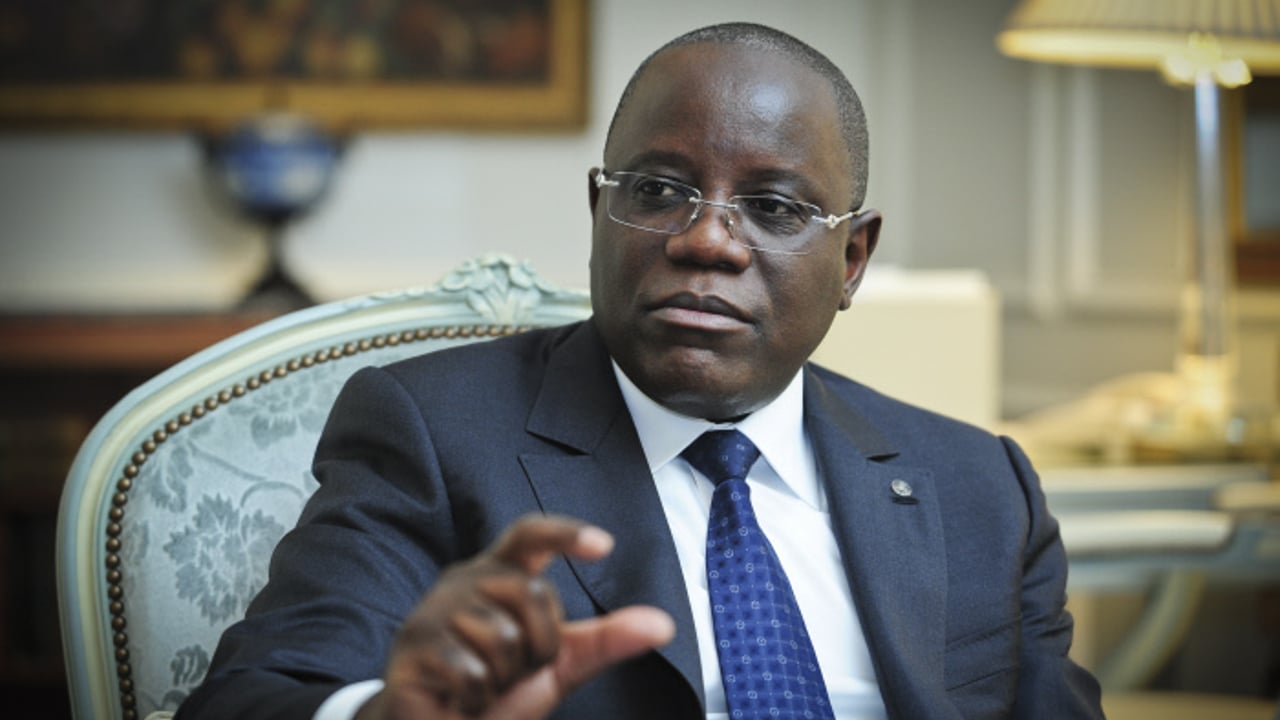
In an unexpected turn of events, Aubin Minaku, once the influential deputy leader of the People’s Party for Reconstruction and Democracy (PPRD), has been placed under house arrest in Kinshasa. While authorities have not disclosed the official reasons, insiders suggest the move stems from long-simmering internal party tensions and strategic realignments within the DRC’s political landscape. The decision has sent ripples through Kinshasa’s political circles, raising questions about the future of the PPRD and its broader impact on RDC politics. What triggered this drastic measure, and what does it signal…

Read More

Gabon’s strategic shift: dissecting China’s deepening economic footprint in Libreville

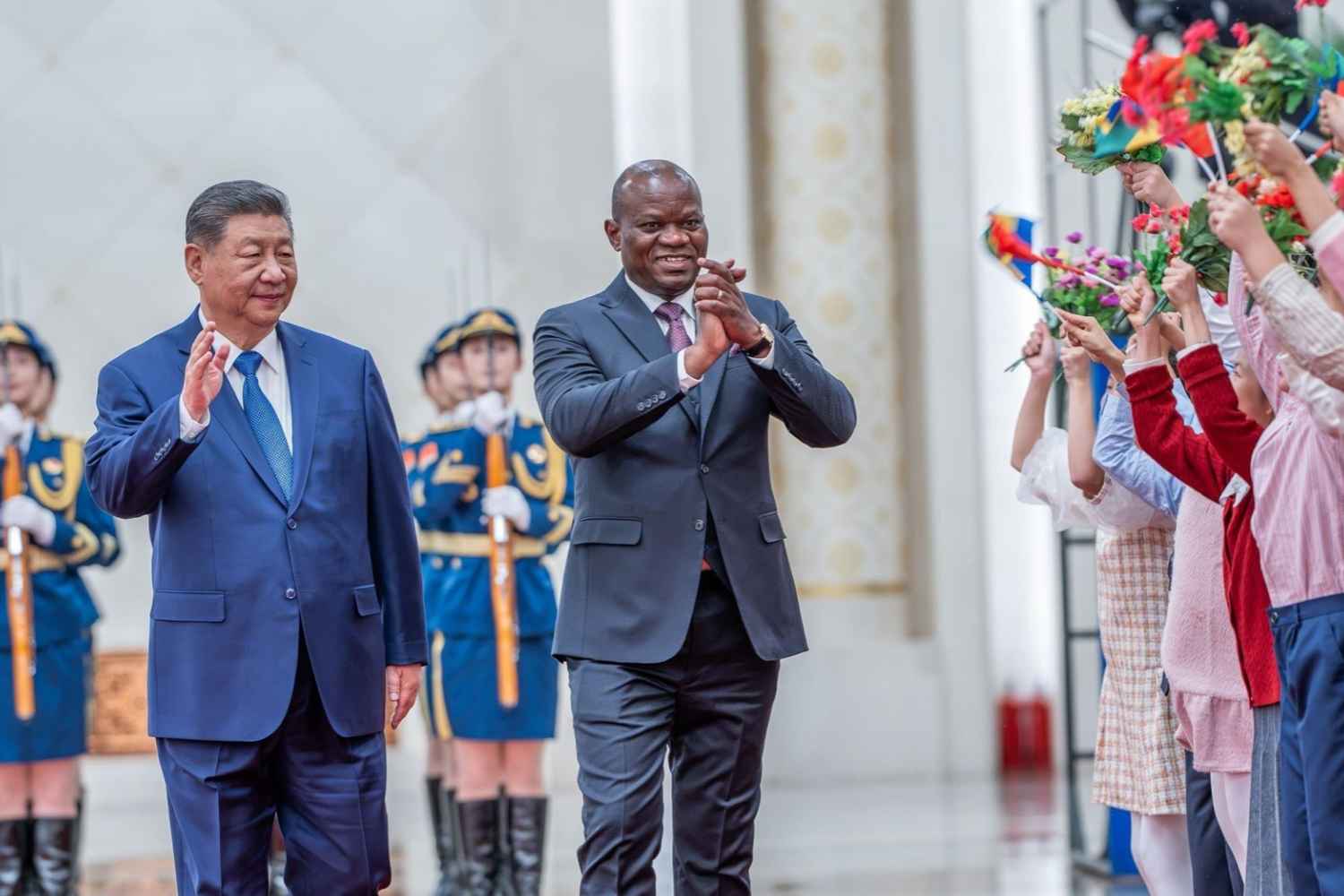
How Beijing’s mining investments are reshaping Gabon’s industrial landscape The recent state visit of Gabonese President Brice Clotaire Oligui Nguema to Beijing wasn’t merely diplomatic theater—it represented a calculated pivot in Libreville’s long-term economic strategy. Behind the joint declarations lies a deliberate push to move beyond raw mineral exports in favor of localized processing and value creation, a move analysts suggest reflects both domestic pressures and shifting global demand patterns. The manganese revolution: converting ore into economic leverage At the heart of this transformation lies a $198 million agreement with…

Read More

UK-Benin trade surge sparks debate over future economic ties

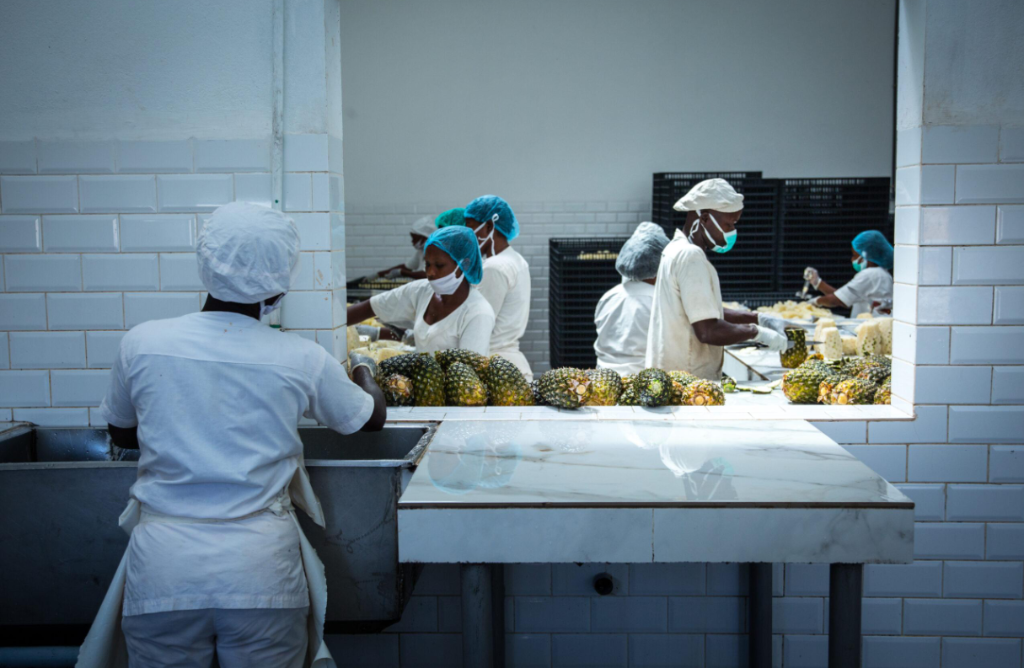
Export surge triggers public and policy reactions The recent surge in Beninese exports to the UK—jumping 62.5% to £13 million in the 12 months ending June 2026—has ignited a wave of reactions across economic and policy circles. While trade officials celebrate what they call a “trade breakthrough,” critics question whether this momentum can translate into lasting economic benefits for Benin, especially amid rising concerns over trade imbalances and market access barriers. The sharp rise in shipments of agricultural products, particularly fruits and vegetables, has dominated headlines and social media debates.…

Read More

Benin’s shifting stance on foreign vessels: silence over Russian ships amid past scrutiny of French warships

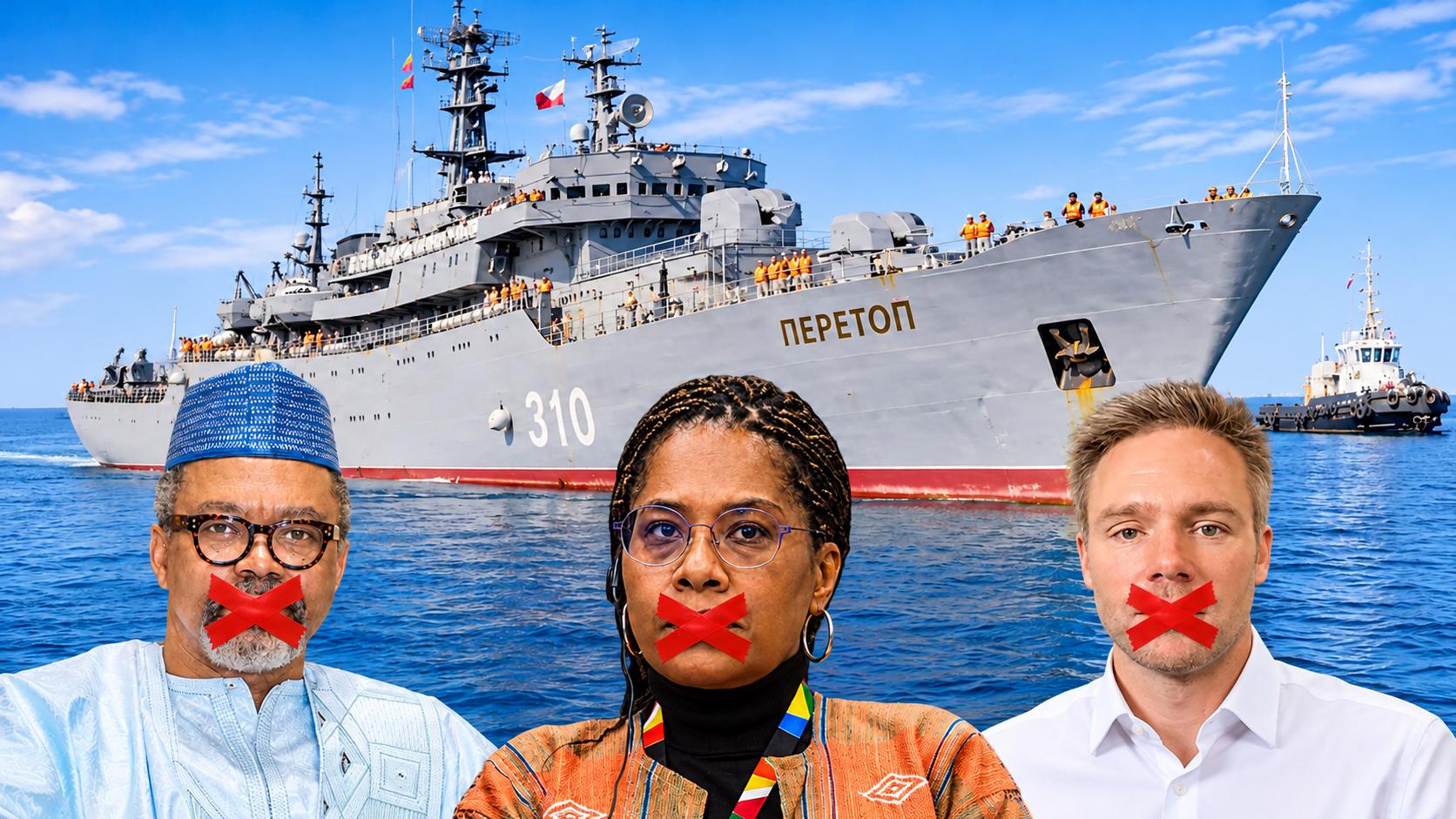
A few weeks ago, the arrival of a French naval vessel in Beninese waters sparked a flurry of commentary and misinformation across certain media outlets aligned with the Alliance of Sahel States (AES). Critics quickly framed the stopover as suspicious, weaving narratives around alleged threats to Benin’s sovereignty and amplifying speculation about France’s intentions. Yet today, another foreign ship docks in Cotonou this time flying the Russian flag and the stark contrast in responses demands scrutiny. Where are the condemnations? Where are the urgent calls for transparency? The absence of…

Read More

Mali’s humanitarian crisis deepens: 5.1 million in need amid shifting global responses

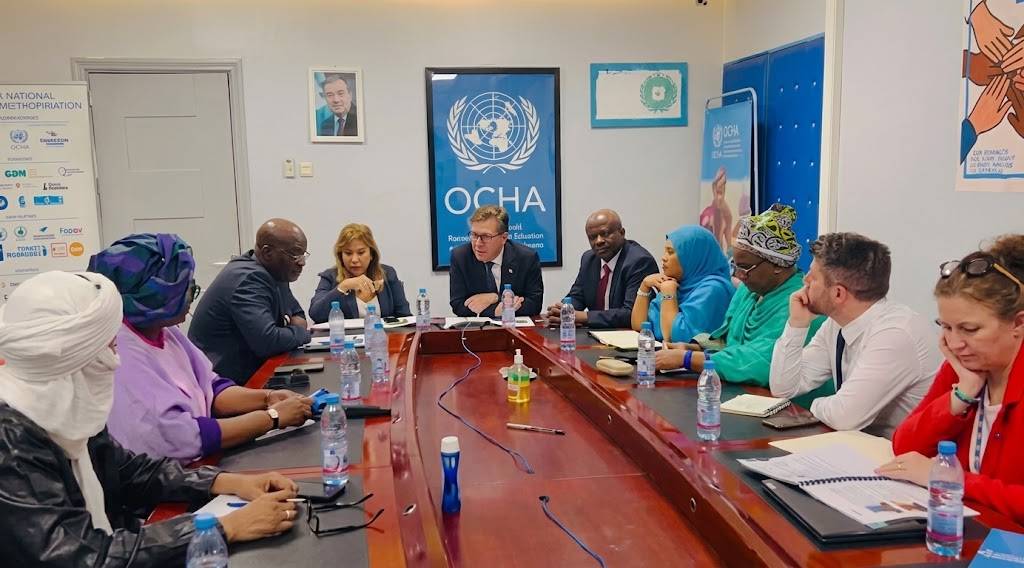
The international community is now facing a critical juncture in Mali as the United Nations sends a high-level delegation to Bamako, just as the country grapples with a severe humanitarian crisis. With 5.1 million people relying on external assistance in 2026, the visit by UN Deputy Emergency Relief Coordinator Tom Fletcher has triggered intense public debate over the future of aid delivery in a nation where diplomatic tensions are reshaping humanitarian operations. The backdrop to this mission is a series of policy shifts by Malian authorities that have led to…

Read More

Migrant exodus from Burkina Faso exposes failures of economic policies after Traoré’s rise

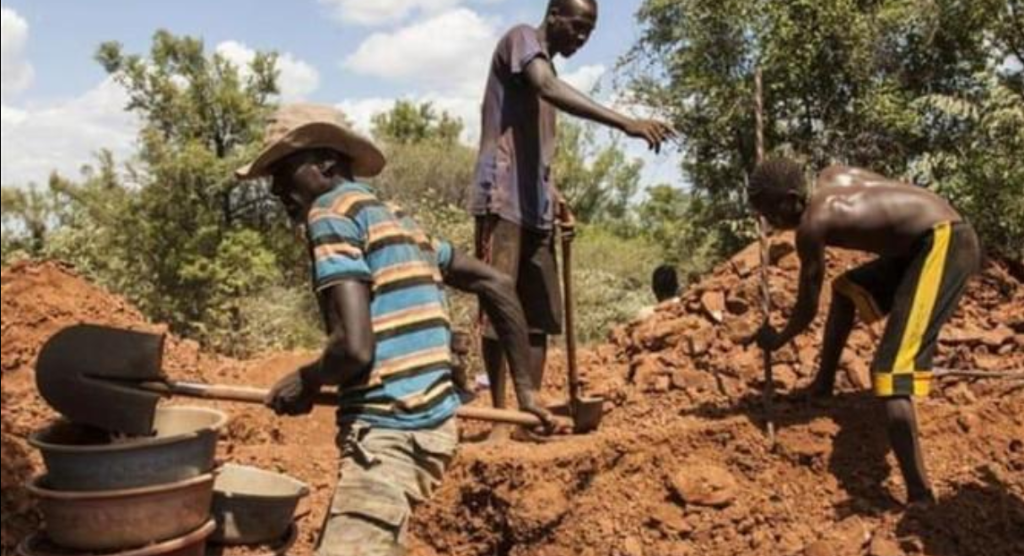
The recent mass arrests in Guinea’s illegal gold mines have ignited a fierce public debate, exposing deeper economic fractures and sparking urgent questions about what comes next for both Burkina Faso and the West African region. From repression to reckoning: Guinea’s crackdown on artisanal gold mining Guinea’s crackdown on illegal gold mining has reached a critical juncture, with authorities announcing proceedings against 1,263 individuals detained during multi-day operations targeting clandestine mining sites. The sweeping action, launched earlier this month, underscores the human cost of a crisis that transcends national borders.…

Read More